Blog
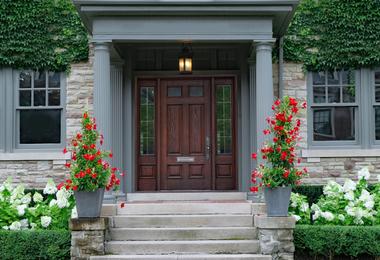
Styling Your Home’s Entrance with a Classic Brown Door
A classic brown front door is one of the easiest ways to make a Canadian home feel warmer, more balanced, and more “finished” from the curb. Brown works because it behaves like a natural material: it pairs effortlessly with brick, stone, wood accents, and modern siding, while still giving your entrance a clear focal point.

How to Determine the Backset of Your Entry Door
Backset is one of those measurements most homeowners never think about — until a new handle, deadbolt, or smart lock refuses to fit. You can have a perfectly good entry door and still end up with a latch that won’t catch, a deadbolt that binds, or hardware that sits awkwardly on the slab.
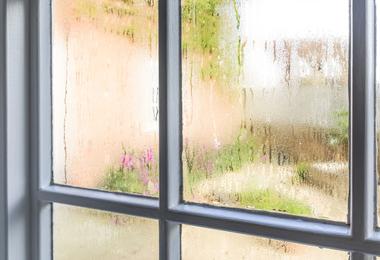
Crying Windows or How to Resolve the Condensation Issue?
The good news is that condensation problems can almost always be solved. This updated guide breaks down what’s normal, what’s not, and the most effective paths to a lasting fix — with a clear emphasis on professional diagnostics and installation quality from Canadian Choice Windows & Doors.
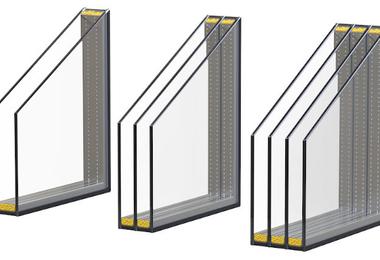
Window Glass Terminology Explained for Canadian Homes
This guide consolidates terminology into a single, clear, authoritative resource. Instead of comparing labels, it explains what each term actually means, how modern insulated glass works, and which specifications truly impact comfort, energy efficiency, durability, and long-term value for Canadian homes.
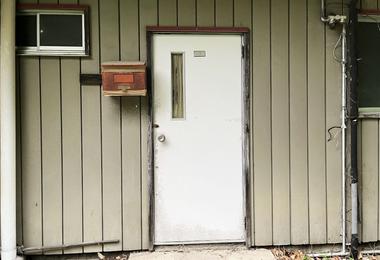
Steel Door Denting, Warping, and Rust: What’s Normal vs a Defect?
You notice it one morning, the door doesn’t shut as smoothly as it used to. A faint scrape, a spot of rust, maybe a dent you hadn’t seen before. That’s how steel door damage usually starts: quiet, gradual, and easy to miss until it affects your comfort and security.
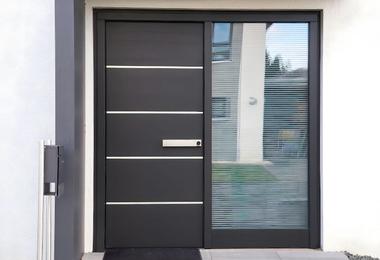
Front Door Replacement Cost in Ontario
In 2026, the typical installed cost to replace a front door in Ontario ranges from $2,100 to $6,500+. Whether you’re upgrading to a sleek steel entry, a realistic woodgrain fibreglass model, or a statement-making custom design, knowing what affects cost and where rebates apply helps you make a confident, informed choice.
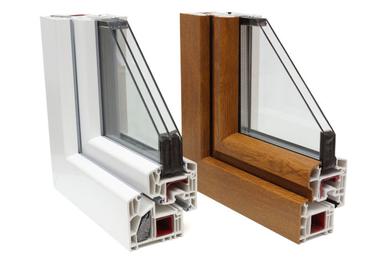
Triple vs Double Pane Windows in Edmonton
In Edmonton, the “double vs triple pane” decision is rarely about specs — it’s about outcomes: whether rooms near the windows stop feeling cold, whether frost and edge condensation improve, and whether the upgrade still performs after years of deep winter stress. Triple-pane windows can absolutely improve comfort in the right situation, but they are not a universal fix.
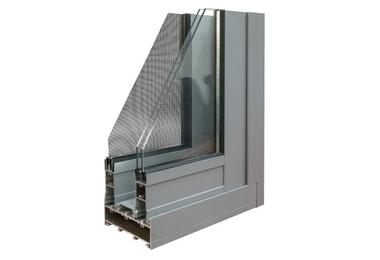
Low-E glass and double glazing: how they work together
Double glazing refers to the sealed two-pane insulated glass unit (IGU) that provides insulation through spacing, gas fills, and airtight seals. Low-E describes a near-invisible coating applied to a glass surface inside that sealed unit to manage radiant heat and solar behaviour.
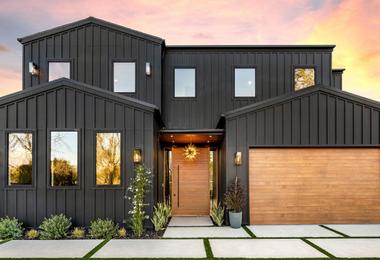
How Long Should an Entry Door Last in Canada?
This guide explains what to expect across common Canadian climate conditions and how to extend performance over time. Whether you’re fighting drafts, thinking about an upgrade, or simply curious how your door stacks up, this guide breaks down everything you need to know.
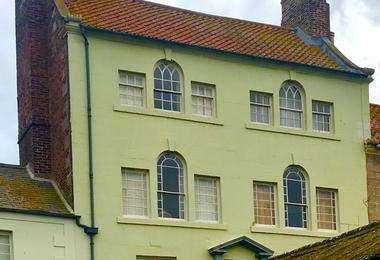
Window & Door Considerations for Homes in Berwick, Nova Scotia
This guide is written to help Berwick homeowners make informed, confident decisions. It focuses on how local homes are built, what today’s energy standards require, and which window and door solutions make sense for Nova Scotia conditions — without pressure, assumptions, or unnecessary upgrades.
- Maritimes 7
- Product Comparisons 30
- Buying Guides 31
- Doors Types 38
- Energy Efficiency and Sustainability 50
- Home Improvement 28
- Installation and Replacement Tips 29
- Local Guides 55
- Maintenance and Repairs 38
- Manufacturers Reviews 8
- Pricing and Financing 18
- Room-Specific Windows 17
- Safety and Security 13
- Seasonal Tips 6
- Window Styles 20
- Window Types 52
- Past Projects