Blog
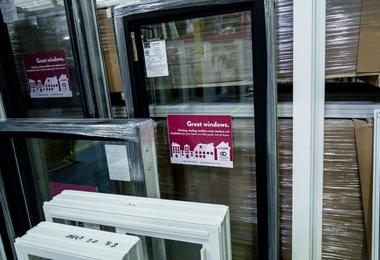
DraftLOCK vs. Standard Window: What's Actually Different?
A DraftLOCK™ vs. standard window decision is a seal and frame decision. A standard window sits in the 3 1/4 inch frame the industry treats as typical, with a seal setup that varies by maker. DraftLOCK closes with a triple seal and a welded frame built 4 5/8 inches deep, so the unit can sit further into the wall.
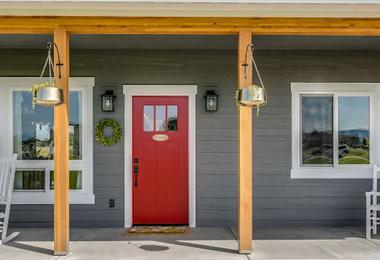
Standard exterior door size: a complete guide for Canadian homeowners
Door sizing involves more than one measurement. The rough opening, frame dimensions, slab size, and clearance allowances all interact, and a mistake at any stage can cause installation problems. This guide covers standard dimensions for common door types in Canadian homes, how to measure correctly, and when building code or custom sizing comes into play.

How to Remove Adhesive Residue from a Vinyl Window Frame
Most sticker residue can be removed safely in a few minutes using gentle tools and vinyl-safe cleaners. The biggest mistake homeowners make is using sharp blades or strong solvents that damage the frame itself.

Large windows design ideas: transforming your space with natural light
Large windows can completely change how a home feels from the inside. A room often feels brighter, more open, and more connected to the world outside, especially when there is a beautiful view, whether it is a backyard, trees, water, or a city skyline.

Best window companies in Toronto: quick overview
This guide compares Canadian Choice Windows & Doors™ with four other window companies serving the Toronto area, using their public HomeStars ratings, so you can see how the options stack up before you request a quote.
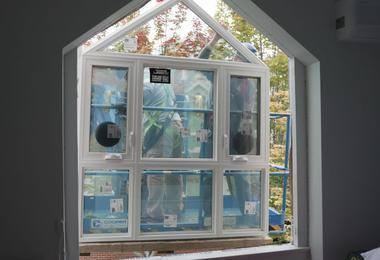
Can you replace a trapezoid window without changing its shape?
An angled window under a roofline isn't simply a rectangle with one corner removed. Its shape, orientation, adjoining frame lines and the condition of the wall all affect the scope. The productive first question isn't “What does a trapezoid cost?” It is “What exactly is staying, what is changing, and how will the new unit connect to the opening?”

A Homeowner's Guide to Common Window Sizes for Different Rooms
If you're replacing windows or planning a new build, one of the first questions homeowners face is what window size is required. The answer depends on the room, the window type, and whether your existing frame is standard. Choosing the correct size simplifies installation, while incorrect sizing can lead to additional costs and structural adjustments.
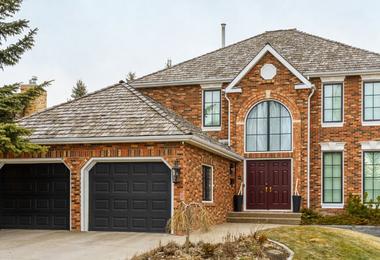
Can replacement windows be different colours inside and out?
Yes. A replacement window can use different interior and exterior colours when that combination is available for the product you select. The order should name each finish and the parts it applies to, rather than relying on a general description such as “black windows.”

What should a window replacement quote include?
A useful window replacement quote names the products, the work at every opening, finishing, taxes and exclusions, payment terms, and the process for approving changes. A total alone can't tell you whether two companies are pricing the same job.

Why Buying Canadian-Made Windows Is Better for Your Home (and Your Budget)
Buying Canadian-made windows is better for your home and your budget because products built here are engineered for Canadian winters, rated on a Canadian performance scale, backed by local warranty service, and built to fit the openings you actually have.
- Maritimes 7
- Product Comparisons 30
- Buying Guides 31
- Doors Types 38
- Energy Efficiency and Sustainability 50
- Home Improvement 28
- Installation and Replacement Tips 29
- Local Guides 55
- Maintenance and Repairs 38
- Manufacturers Reviews 8
- Pricing and Financing 18
- Room-Specific Windows 17
- Safety and Security 13
- Seasonal Tips 6
- Window Styles 20
- Window Types 52
- Past Projects