Safety and Security
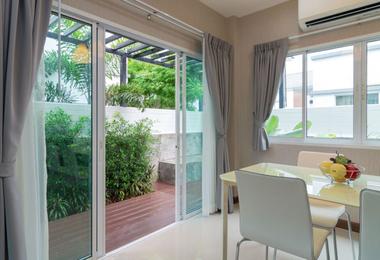
How to Secure Sliding Patio Doors: Locks, Bars, and Anti-Lift Devices
You secure a sliding patio door in three layers: a lock that catches the frame, a bar that stops the panel from sliding, and a stop that keeps the panel from being lifted off the track. Patio door security fails when only the handle is locked, and the head of the door still has room to rise. The practical answer is to check those three layers in that order, then decide whether the frame is still worth keeping.
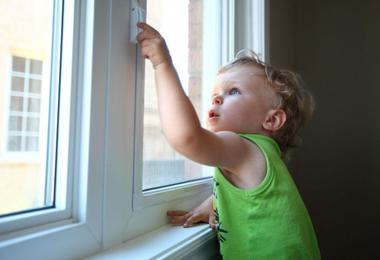
How to Childproof Your Windows: Safety Locks, Restrictors, and Best Practices
To childproof your windows, limit how far each one can open, add locks or restrictors that match the window style, use guards where a physical barrier is appropriate, move climbable furniture away, and choose cordless window coverings. Those five steps work as one system rather than a menu to choose from.

The Best Security Doors for Maximum Home Protection
Security doors are the first defence against intruders. With increasing crime rates and innovative methods used by burglars, ensuring your home has the best protection is crucial. This article will explore the best security doors for homes, highlighting their features, benefits, and what to consider when choosing a door.
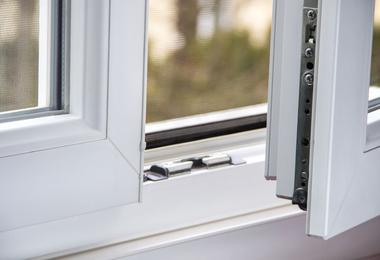
How Window Hardware Quality Impacts Everyday Use Over Time
Most homeowners focus on the glass first — triple glazing, Low-E coatings, energy ratings. But long-term performance depends just as much on what holds the system together and keeps it operating properly: the hardware. Hinges, locks, operators, and balances are the working components that carry the load every time the window opens and closes.
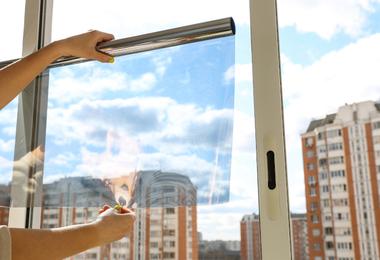
Security Film: A Practical Guide for Homeowners
Glass is one of the most vulnerable parts of a home’s exterior. In a break-in attempt or a severe wind event, it doesn’t take much for a window or patio door to fail, and once it does, the risk is not only property loss but also flying shards inside the home. Security film for windows is a retrofit solution designed to change what happens after glass breaks.
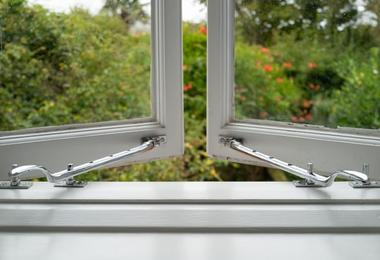
The Importance of Window Restrictors
Windows are more than just functional — they bring natural light, fresh air, and outdoor views into our homes. But these same openings can also pose serious risks if left unsecured, especially to small children, pets, or vulnerable adults.
- Maritimes 8
- Product Comparisons 30
- Buying Guides 31
- Doors Types 38
- Energy Efficiency and Sustainability 52
- Home Improvement 28
- Installation and Replacement Tips 33
- Local Guides 55
- Maintenance and Repairs 38
- Manufacturers Reviews 8
- Pricing and Financing 22
- Room-Specific Windows 17
- Safety and Security 13
- Seasonal Tips 6
- Window Styles 20
- Window Types 52
- Past Projects