Blog
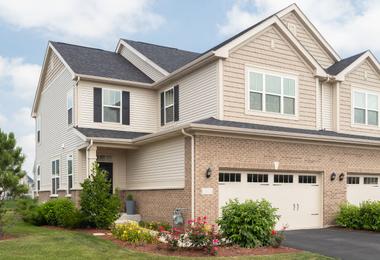
Best Window Configurations for Large Suburban Homes in Vaughan
In large suburban homes, windows play a direct role in comfort, energy efficiency, and airflow. In Vaughan, where seasonal extremes put real pressure on insulation, airflow, and overall comfort, the way windows are selected, combined, and positioned can directly affect energy performance and day-to-day comfort.
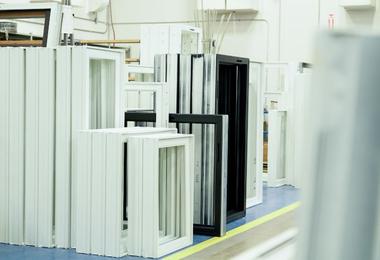
Are Custom Windows Always More Expensive?
This guide explains what affects the cost of custom windows in Canada and helps you understand when paying more upfront actually makes sense. By understanding the full picture, homeowners can move beyond price alone and make decisions based on performance, durability, and return on investment.
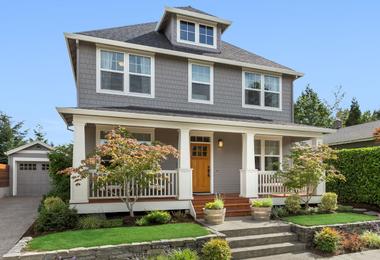
How Coastal Winds Impact Windows in Charlottetown
Walk through any neighbourhood in Charlottetown after a storm, and you’ll notice something subtle but telling: windows that look intact, yet already under stress. Coastal winds here don’t just pass by; they constantly pressure, flex, and wear down window systems.
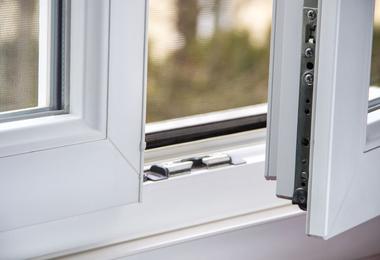
How Window Hardware Quality Impacts Everyday Use Over Time
Most homeowners focus on the glass first — triple glazing, Low-E coatings, energy ratings. But long-term performance depends just as much on what holds the system together and keeps it operating properly: the hardware. Hinges, locks, operators, and balances are the working components that carry the load every time the window opens and closes.
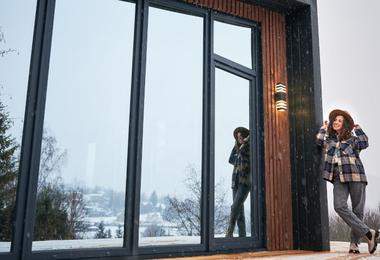
Are Bifold Patio Doors Energy Efficient in Canadian Winters?
Bifold patio doors are becoming increasingly popular in modern Canadian homes. However, because these doors have multiple panels and large glass surfaces, many homeowners ask an important question: Can bifold patio doors remain energy-efficient during cold Canadian winters?
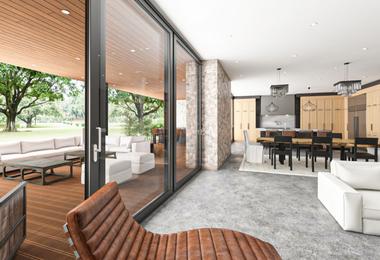
Bifold vs Stacking Patio Doors: Which One Is Better for Large Openings?
Choosing patio doors for a large opening isn’t just about how they look, but how your space actually works every day. The right system should bring in more natural light, improve comfort, and create a smooth connection between your indoor and outdoor living areas, without compromising performance.
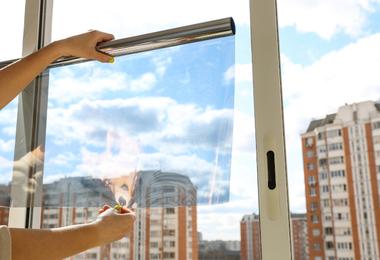
Security Film: A Practical Guide for Homeowners
Glass is one of the most vulnerable parts of a home’s exterior. In a break-in attempt or a severe wind event, it doesn’t take much for a window or patio door to fail, and once it does, the risk is not only property loss but also flying shards inside the home. Security film for windows is a retrofit solution designed to change what happens after glass breaks.
The Advantages of Crankless Windows for Modern Homes
Modern homes require window systems that perform consistently under climate stress, integrate seamlessly into contemporary architecture, and operate reliably over decades of daily use. A tilt-and-turn window integrates precision hardware with full-perimeter compression sealing and dual-function ventilation.
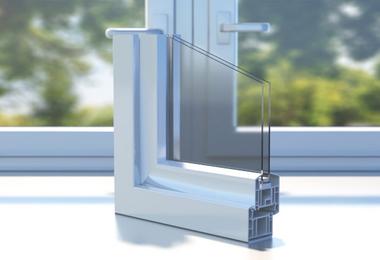
5 Benefits of PVC Windows for Replacement
If you are replacing your windows in Canada, high‑quality PVC windows professionally installed remain one of the safest long‑term investments for most residential homes. They combine strong thermal performance, low maintenance requirements, durability in freeze–thaw conditions, and balanced upfront cost.
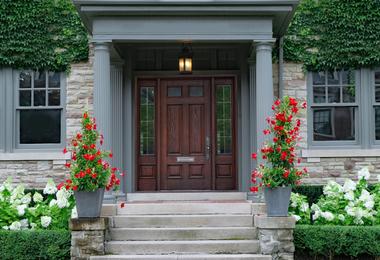
Styling Your Home’s Entrance with a Classic Brown Door
A classic brown front door is one of the easiest ways to make a Canadian home feel warmer, more balanced, and more “finished” from the curb. Brown works because it behaves like a natural material: it pairs effortlessly with brick, stone, wood accents, and modern siding, while still giving your entrance a clear focal point.
- Maritimes 7
- Product Comparisons 28
- Buying Guides 28
- Doors Types 38
- Energy Efficiency and Sustainability 48
- Home Improvement 28
- Installation and Replacement Tips 28
- Local Guides 55
- Maintenance and Repairs 37
- Manufacturers Reviews 8
- Pricing and Financing 18
- Room-Specific Windows 17
- Safety and Security 12
- Seasonal Tips 6
- Window Styles 19
- Window Types 52
- Past Projects