Blog

How to Save Money on Window Replacement in Calgary: A Complete 2026 Guide
Calgary winters don't negotiate. With temperatures regularly dropping below -20°C and Chinook winds shifting conditions within hours, drafty or inefficient windows drain your energy budget every single month. Yet many homeowners delay window replacement because they're worried about the upfront cost.

Soundproof replacement windows: what actually works in Canadian homes
If your home sits near a busy street, a flight path, a rail line, or anywhere noise pulls you out of sleep, you've probably looked at soundproof windows. The first thing worth knowing is that no window is fully soundproof. There's no replacement window on the residential market that delivers total silence.

Designing a Shower with a Window: What You Need to Know
This guide outlines the key factors to consider: which materials hold up in a wet environment, how to position the window for both light and privacy, what proper waterproofing involves, and when to call a professional rather than treat it as a DIY project.

How to Find Low Cost But Quality Windows in Calgary?
Finding quality windows in Calgary at a reasonable price is more achievable than most homeowners think. The key is knowing where to look, what to prioritize, and which options are available to you. This guide walks you through everything you need to make a confident, well-informed decision without pressure or overpaying.

What are the Best Windows for Your Kitchen?
A kitchen window can completely change how the room feels. It's easier to enjoy a morning coffee, prepare meals, or simply spend time in the kitchen when there's plenty of natural light and fresh air coming in. At the same time, not every window style works equally well in every kitchen.

Should You Open House Windows Every Day?
Clean indoor air makes your home more comfortable, supports your family’s health, and even boosts daily focus. According to CMHC, indoor air can contain up to five times more pollutants than outdoor air. Regular ventilation ensures your home feels lighter, cleaner, and more comfortable all year round.

Virgin Vinyl vs Recycled Vinyl Windows: What’s the Difference?
If you are comparing virgin vinyl windows against recycled vinyl windows, the short answer is that virgin vinyl offers more predictable and consistent material performance, while recycled content introduces variability that depends on the source, the processing method, and the proportion used.

Top Window Design Trends in Canada for 2026
Windows aren’t just functional elements of a home anymore — in 2026, they’re central to design, energy efficiency, and overall comfort. From sleek casements and expansive bay windows to innovative, dynamic-glass solutions, Canadian homeowners are increasingly choosing windows that combine aesthetic appeal with high performance.
Are Premium Windows Overkill for Average Canadian Homes?
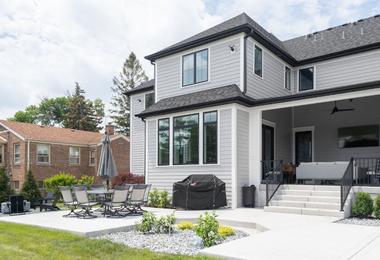
For most Canadian homeowners, premium windows are not overkill. They are a proportionate response to the reality of Canadian winters, rising energy costs, and the long lifecycles of residential windows. The question is whether your specific home and situation justify the additional cost.

What is a window wall? A guide for Canadian homes
A window wall replaces a regular wall, or a large part of one, with a continuous run of glass. The idea is simple: bring in as much natural light as possible, frame the view outside, and blur the boundary between the indoor space and the backyard, garden, or city skyline.
- Maritimes 7
- Product Comparisons 30
- Buying Guides 31
- Doors Types 38
- Energy Efficiency and Sustainability 50
- Home Improvement 28
- Installation and Replacement Tips 29
- Local Guides 55
- Maintenance and Repairs 38
- Manufacturers Reviews 8
- Pricing and Financing 18
- Room-Specific Windows 17
- Safety and Security 13
- Seasonal Tips 6
- Window Styles 20
- Window Types 52
- Past Projects