Blog

South-facing windows in Canada: advantages, challenges, and what to plan for
This guide is meant to help you decide what your south wall actually needs. It covers advantages, challenges, shading and glazing options, how priorities shift between coastal British Columbia, the Prairies, and the far north, and the point where replacing the units at the opening is worth considering rather than layering on another treatment.

How to stop ice on the inside of windows in Canada
You wake up after a cold night and the inside of the glass is covered in frost, sometimes a solid band of ice along the bottom of the sash. By afternoon it has melted into a puddle on the sill. In most homes it shows up first in bedrooms, basements, and any room where the door stays closed overnight.
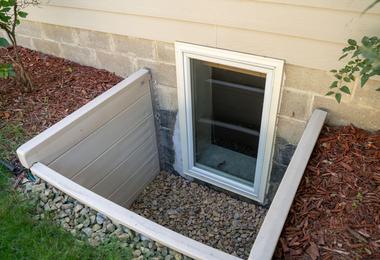
How to Add a Window to a Basement: What's Possible and What It Costs
Adding a window to a basement is possible in most Canadian homes with a sound poured concrete or concrete block foundation, and the total cost is driven mainly by site work such as foundation cutting, excavation, a window well, and drainage rather than by the window unit itself.
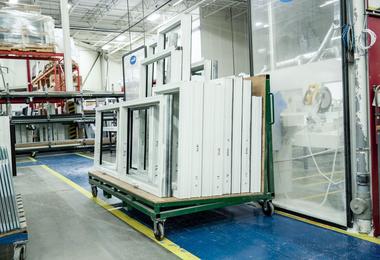
Why Calgary Homeowners Need Windows Rated for Extreme Temperature Swings
Why Calgary homeowners need windows rated for extreme temperature swings: Calgary moves from deep winter cold to Chinook warmth and back, sometimes within a single afternoon, and windows built for that constant expansion and contraction hold their seal, insulation, and comfort where ordinary windows loosen, leak, and fog.
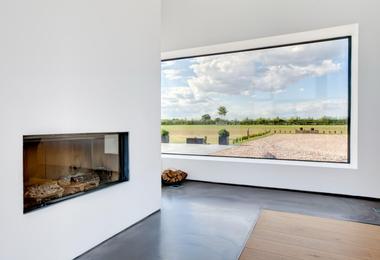
Picture Windows 101
A picture window is a large, fixed, non-operable window designed around an uninterrupted glass area to maximize daylight and frame a clear outdoor view.
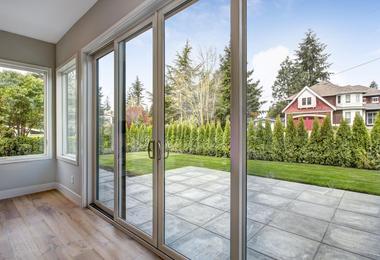
Sliding Patio Doors: Everything You Need to Know Before Buying in Canada
Before you buy a sliding patio door in Canada, the decision really comes down to five things: energy performance for our climate, the frame material, the glass package, the security hardware, and the quality of the installation. Get those elements right, and you are more likely to have a door that operates smoothly, limits drafts, and performs reliably over the long term.
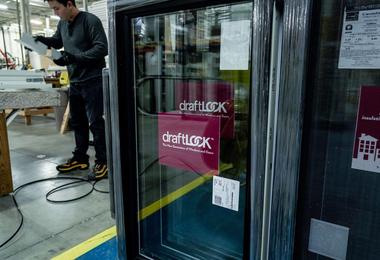
What Is DraftLOCK Technology and How Does It Keep Your Home Warmer?
DraftLOCK is Canadian Choice Windows & Doors’ window technology designed to support a tighter seal, reduce unwanted air leakage and improve year-round home comfort. Its performance depends on the complete window configuration and proper installation.

Can I replace just the window, not the frame?
If the glass has fogged up or a window feels drafty, it's natural to wonder whether you really need a whole new window, frame and all, or if just the window unit itself can be swapped out. The honest answer is: it depends on what's happening behind the glass. Here's how to tell which option fits your home, and when it's worth calling in a professional assessment before you decide.

What are the best window replacement companies in Ontario?
The window replacement companies Ontario homeowners compare most often include Canadian Choice Windows & Doors, Renewal by Andersen, JELD-WEN, Home Depot, RONA, and Pella. Canadian Choice appears first in this comparison because of its strong review volume in Ontario and a full-service replacement model.
Canadian Choice vs Ecoline: Window Warranty Comparison
When a homeowner compares window installation services from two established Canadian companies, the warranty conversation tends to focus on one number: the number of years. That number matters, but it tells only part of the story.
- Maritimes 7
- Product Comparisons 30
- Buying Guides 31
- Doors Types 38
- Energy Efficiency and Sustainability 50
- Home Improvement 28
- Installation and Replacement Tips 29
- Local Guides 55
- Maintenance and Repairs 38
- Manufacturers Reviews 8
- Pricing and Financing 18
- Room-Specific Windows 17
- Safety and Security 13
- Seasonal Tips 6
- Window Styles 20
- Window Types 52
- Past Projects