Blog
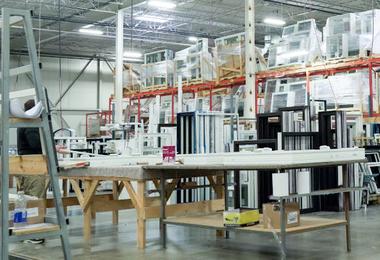
Pre-Sealed Cardinal Glass vs. in-house assembled Glass
Two fundamentally different approaches exist for assembling window glass: pre-sealed units made by a dedicated glass manufacturer such as Cardinal Glass, and units assembled in-house by window manufacturers themselves. Neither approach is inherently superior.

How to choose window film for privacy: a practical guide
Privacy is one of the most common reasons homeowners consider changes to their windows. There are two practical ways to solve it: apply a window film to your existing glass or replace the window with one that has built-in privacy glass.

Replacement Windows Pricing in Calgary
Price is the first thing most Calgary homeowners ask about when they start looking at window replacement, and that's completely understandable. This guide lays out realistic cost ranges for different window styles and sizes, explains the key decisions that affect your total cost, and helps you go into your quotes knowing exactly what to ask.
When to Replace Windows in Calgary
Most Calgary homeowners start thinking about how long windows last when something goes wrong: a draft they can't seal, condensation that won't clear, or a frame that's starting to look worn at the edges. The honest answer is that there is no single number that applies to every window in every home.
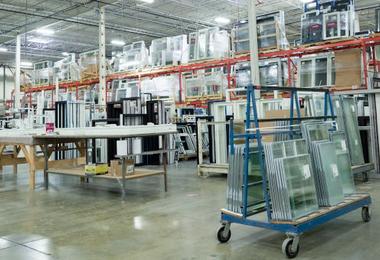
Types of Replacement Windows in Calgary
Choosing between different types of windows is one of the first decisions you face in any Calgary window replacement project, and it has consequences that go well beyond how the window looks. This guide covers the main window styles commonly used in Calgary homes, explains how they differ in practical terms, and helps you match the right window type to each room.
How to Save Money on Window Replacement in Calgary: A Complete 2026 Guide
Calgary winters don't negotiate. With temperatures regularly dropping below -20°C and Chinook winds shifting conditions within hours, drafty or inefficient windows drain your energy budget every single month. Yet many homeowners delay window replacement because they're worried about the upfront cost.

Soundproof replacement windows: what actually works in Canadian homes
If your home sits near a busy street, a flight path, a rail line, or anywhere noise pulls you out of sleep, you've probably looked at soundproof windows. The first thing worth knowing is that no window is fully soundproof. There's no replacement window on the residential market that delivers total silence.
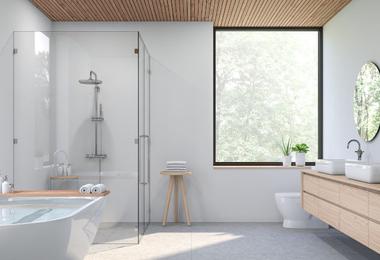
Designing a Shower with a Window: What You Need to Know
This guide outlines the key factors to consider: which materials hold up in a wet environment, how to position the window for both light and privacy, what proper waterproofing involves, and when to call a professional rather than treat it as a DIY project.
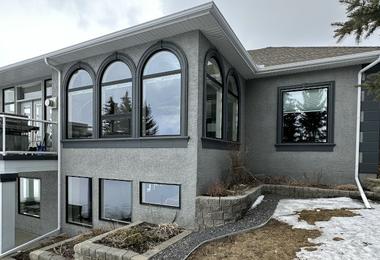
How to Find Low Cost But Quality Windows in Calgary?
Finding quality windows in Calgary at a reasonable price is more achievable than most homeowners think. The key is knowing where to look, what to prioritize, and which options are available to you. This guide walks you through everything you need to make a confident, well-informed decision without pressure or overpaying.

What are the Best Windows for Your Kitchen?
A kitchen window can completely change how the room feels. It's easier to enjoy a morning coffee, prepare meals, or simply spend time in the kitchen when there's plenty of natural light and fresh air coming in. At the same time, not every window style works equally well in every kitchen.
- Maritimes 7
- Product Comparisons 30
- Buying Guides 30
- Doors Types 38
- Energy Efficiency and Sustainability 49
- Home Improvement 28
- Installation and Replacement Tips 28
- Local Guides 55
- Maintenance and Repairs 37
- Manufacturers Reviews 8
- Pricing and Financing 18
- Room-Specific Windows 17
- Safety and Security 13
- Seasonal Tips 6
- Window Styles 19
- Window Types 52
- Past Projects