Blog
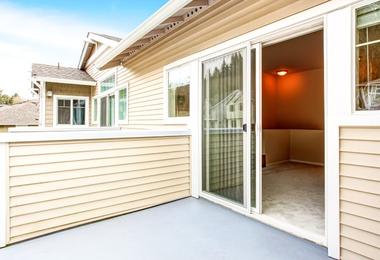
Standard Patio Door Size in Canada
Choosing the right patio door size has a significant impact on your home's functionality, comfort, and overall curb appeal. While many homes adhere to standard measurements, understanding the various options — and knowing when to opt for custom — is crucial to a successful project.
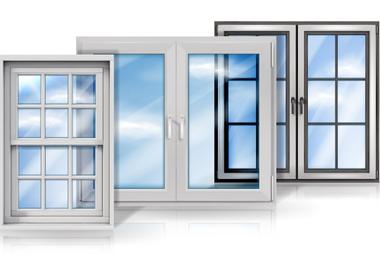
Vinyl Windows vs Fibreglass Windows: A Comprehensive Comparison
Are vinyl windows truly a greener and more cost-effective choice for your home than fibreglass windows? This question challenges the common belief that fibreglass windows are the more eco-friendly and economical option. Dive into this article to uncover the answer, and to re-evaluate your assumptions about these two popular window materials.

Maximize Light and Style: The Advantages of Floor-to-Ceiling Windows
Floor-to-ceiling windows (also known as window walls or glazed walls ) are expansive glass panels stretching from the floor slab to the ceiling, often 8–10 feet tall or more. These architectural features replace portions of walls with glass, enhancing both the interior and exterior character of a home.
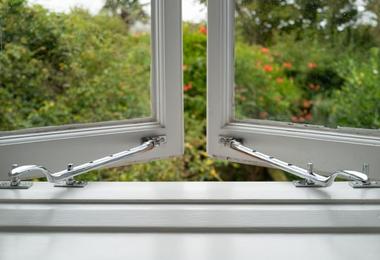
The Importance of Window Restrictors
Windows are more than just functional — they bring natural light, fresh air, and outdoor views into our homes. But these same openings can also pose serious risks if left unsecured, especially to small children, pets, or vulnerable adults.

Fibreglass vs Steel Doors: Which One is Right for You?
When choosing an exterior door, homeowners often weigh options between fibreglass and steel, two popular materials with distinct properties. Each has its strengths depending on design preferences, location, and intended use.

Home Depot or Lowe's Windows vs. Replacement Windows from a Window Company
When it comes to replacing the windows in your home, you have a few options to consider: purchasing windows from big-box stores like Home Depot or Lowe's, or going with a professional window company. Both routes have their advantages and disadvantages.

Established Window Companies vs Independent Contractors: Choosing the Right Fit
Imagine you're replacing all the windows in your home. Do you go with a big, established name or a solo contractor recommended by a friend? The answer isn't always clear-cut, but understanding the distinctions between the two is worthwhile.

Comparing Window Hardware: Chinese vs North American Quality
At first glance, window hardware from China and North America may look alike — they often operate similarly and fit comparable window systems. However, there are significant differences beneath the surface in design approach, materials used, and certification standards.
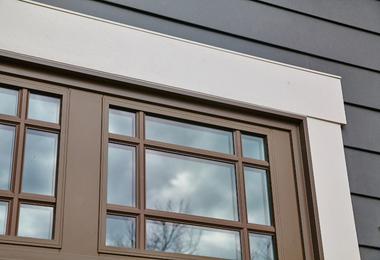
Matte vs Sheen Window Finishes: What’s Best for Your Home?
When it comes to window finishes, choosing between matte and glossy finishes has a bigger impact than many homeowners expect. While the structure and placement of a window influence the room’s layout, the finish subtly guides how the room feels and behaves under different lighting conditions.
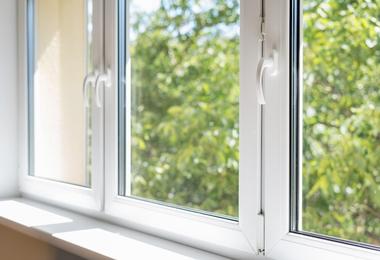
Vinyl Windows: Pros and Cons
Vinyl windows are crafted from polyvinyl chloride (PVC), a plastic compound known for its strength, durability, and resistance to moisture. This material offers an alternative to traditional window frame options such as wood, aluminum, and fibreglass. Let's break down the defining features and differences between these types.
- Maritimes 7
- Product Comparisons 30
- Buying Guides 31
- Doors Types 38
- Energy Efficiency and Sustainability 50
- Home Improvement 28
- Installation and Replacement Tips 29
- Local Guides 55
- Maintenance and Repairs 38
- Manufacturers Reviews 8
- Pricing and Financing 18
- Room-Specific Windows 17
- Safety and Security 13
- Seasonal Tips 6
- Window Styles 20
- Window Types 52
- Past Projects