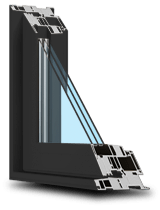
Designing a Shower with a Window: What You Need to Know
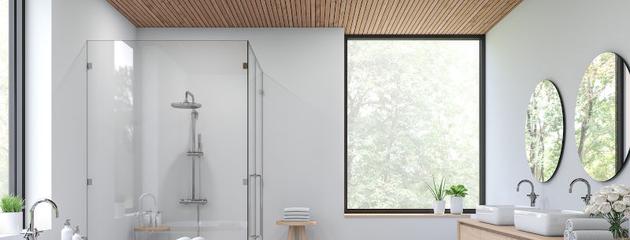

A window can be installed in a shower when it is properly designed and specified for a wet environment. Natural light, better ventilation, and a more open feel are all real benefits. The catches are material selection, waterproofing, and privacy. Correct material selection, waterproofing, and placement are critical to long-term performance. If these factors are not addressed properly, issues such as mould, frame deterioration, and water damage can occur.
This guide outlines the key factors to consider: which materials hold up in a wet environment, how to position the window for both light and privacy, what proper waterproofing involves, and when to call a professional rather than treat it as a DIY project.
The most common mistake with shower windows is choosing the wrong frame material. Wood and standard aluminum frames are not suited to constant exposure to moisture. Vinyl is typically the most suitable material for shower window installations. in a Canadian home.
What to Avoid When Installing a Shower Window
| Avoid | Do Instead |
|---|---|
| Wood frames in the shower area | Use vinyl or fiberglass frames |
| Standard glass | Slope the sill for drainage |
| Clear glass where privacy is needed | Use frosted or obscure glass |
| Standard caulking | Use mould-resistant silicone |
| Basic waterproofing shortcuts | Install a complete waterproofing system |
| Low window placement | Position the window higher or use privacy glazing |
| DIY installation without experience | Consult a qualified professional |
| Flat interior sills | Slope the sill for drainage |
Key Takeaways
- A window in the shower is practical, provided you use water-resistant materials, proper waterproofing, and tempered safety glass.
- Vinyl and fibreglass are the right frame materials for shower windows. Wood is generally not suitable for direct exposure to showers. Aluminum works only with a proper thermal break.
- All glass in a shower must be tempered (safety glass) — this is a building code requirement in Canada, not optional.
- Frosted or obscure glass maintains privacy while still allowing natural light. Smart glass is a premium option that switches between clear and opaque.
- Placement height and waterproofing quality determine how well the window performs over time — both matter more than the style of the window.
- Low-E glass coating reduces heat loss through the window without affecting light transmission — relevant in Canadian winters, even in a shower.
- Professional installation is strongly recommended: shower waterproofing failures are expensive to repair and often not visible until significant damage has occurred.
Shower Window Design Ideas

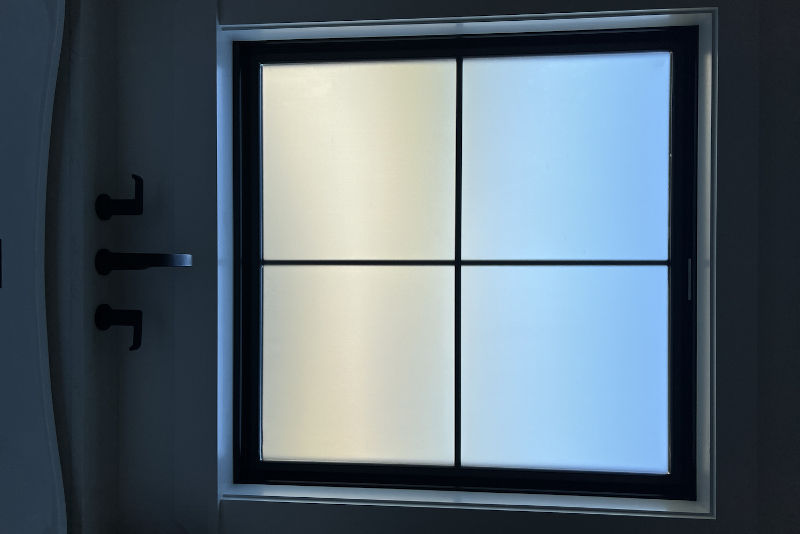
Frosted shower window
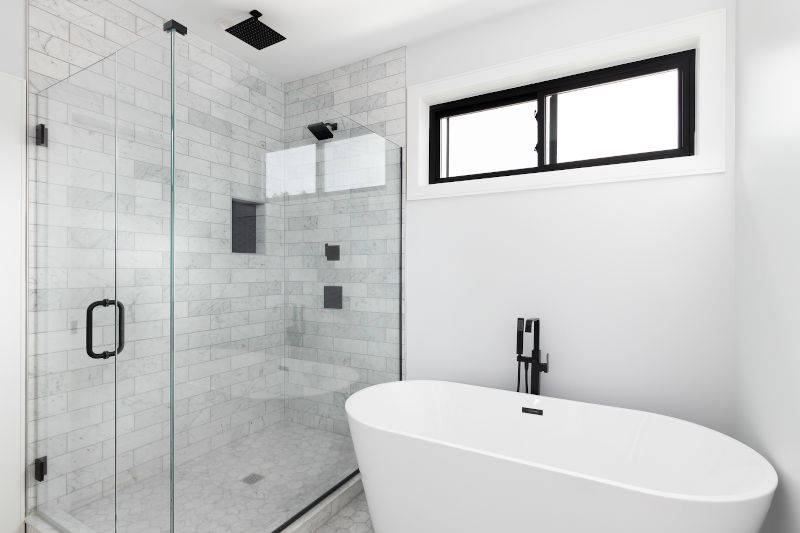
High horizontal shower window
Corner shower window
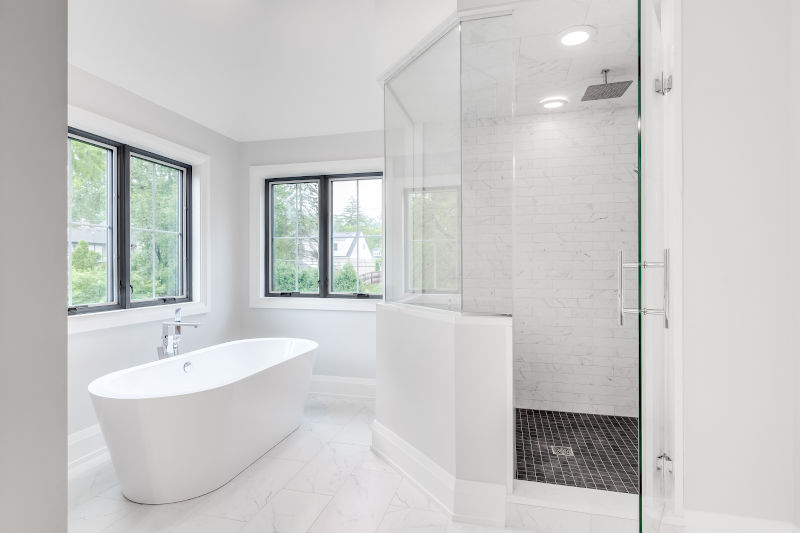
Black frame shower window
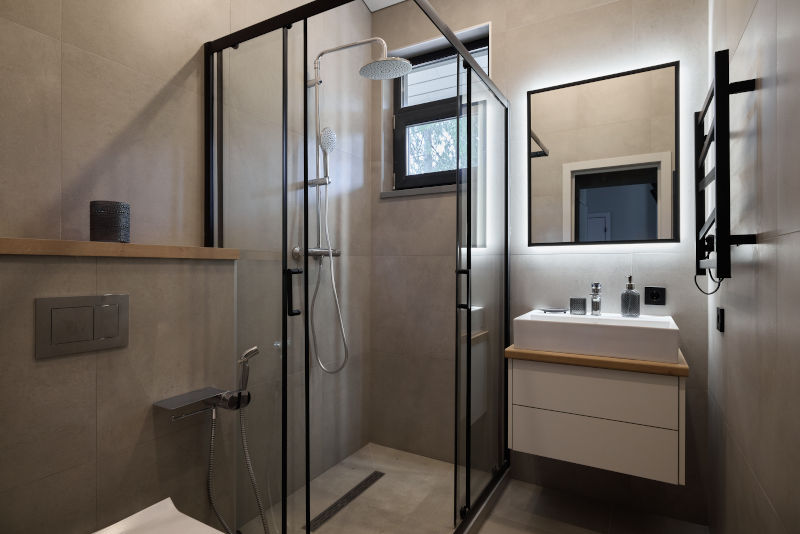
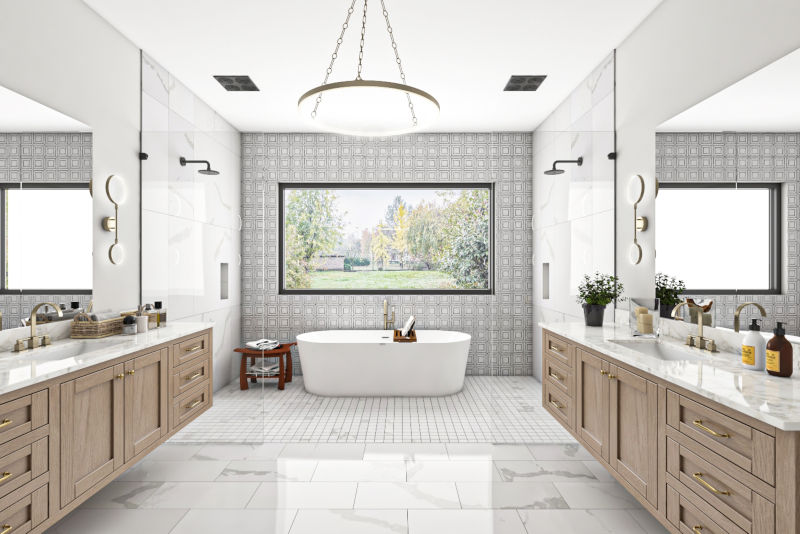
Large picture window in shower
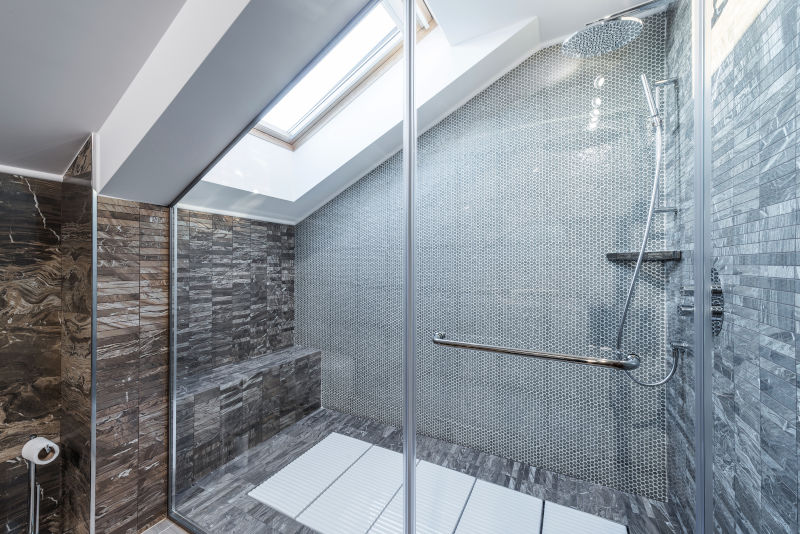
Skylight above shower
Why a Shower Window Is a Practical Option
Most bathrooms rely entirely on artificial lighting and mechanical ventilation. A window in the shower changes both of those, which can significantly improve both lighting and ventilation.
Natural Light
Natural light in a shower makes the space feel larger and more open. In smaller bathrooms, this effect is significant. A well-placed window can eliminate the closed-in feeling associated with artificial lighting alone. It also reduces energy use during daylight hours, which adds up over the course of a year.
The quality of light matters too. Direct morning light through an east-facing window creates a different feel than diffused light from a frosted north-facing one. When planning placement, consider not just whether you'll have light, but what kind of light and at what time of day.
Ventilation
Steam and moisture are the enemies of any bathroom. An operable shower window provides direct, natural ventilation that complements mechanical ventilation and can improve air exchange. Opening the window after a shower removes humidity from the room faster and more effectively than mechanical ventilation alone, which reduces the risk of mould and mildew on grout, caulk, and walls.
This is particularly relevant in Canadian homes where bathrooms are closed up for much of the year. Even a small operable window, 24×24 inches, meaningfully improves air exchange during warmer months.
Aesthetic Impact
A shower window done well becomes a design feature. Frosted glass brings soft, even light without compromising privacy. Textured or patterned glass adds visual interest. In a bathroom with clean lines and quality finishes, the right window ties the space together in a way that a blank tile wall simply cannot.
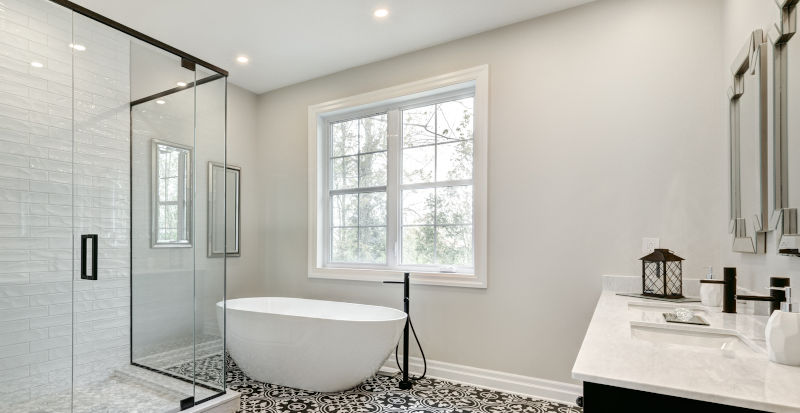
Choosing the Right Frame Material
The frame material is the decision that most directly affects how long a shower window lasts without problems. Constant moisture exposure, steam, condensation, and direct spray create conditions that most materials are not built to handle indefinitely.
| Material | Water Resistance | Durability | Maintenance | Best For |
|---|---|---|---|---|
| Vinyl | Excellent | High | Very low | Most shower installations reliable, cost-effective, and long-lasting |
| Aluminium | Good | Moderate | Moderate | Contemporary design requires a thermal break in cold climates |
| Wood | Poor | Low | High | Not recommended for direct shower exposure |
Vinyl: The Practical Standard
Vinyl frames are the most common choice for shower windows for Canadian homes , and for good reason. They don't absorb moisture, don't rot, don't require painting or sealing, and maintain their shape across the temperature changes that come with Canadian seasons. Maintenance is limited to occasional cleaning. For most shower installations, vinyl is the right starting point.
Aluminum: Only With a Thermal Break
Aluminum is durable and water-resistant, but it conducts heat and cold efficiently, so condensation readily forms on the frame in Canadian winters. If aluminum is specified for a shower window, a thermal break (an insulating layer within the frame profile) is a required specification in this application. Without it, the frame will develop significant condensation, which defeats the purpose of careful waterproofing.
Wood: Not Suitable
Wood looks warm and traditional, but it is not suitable for direct exposure to showers. Even with paint or sealant, wood absorbs moisture over time, eventually warping, cracking, and rotting. In a shower environment where the window is exposed to steam daily, wood frames require constant maintenance to avoid failure and are prone to long-term deterioration. The original article's recommendation stands: vinyl is the right choice.
Glass Types: Safety, Privacy, and Energy Performance
The glass specification matters as much as the frame. In a shower, glass selection must balance three factors: safety requirements, privacy needs, and energy performance.
Tempered Glass Is Not Optional
Canadian building codes require tempered (safety) glass in shower enclosures and in any glazed area within a certain distance of a wet zone. Tempered glass is heat-treated so that when it breaks, it shatters into small, blunt fragments rather than sharp shards. This is a safety requirement, not a design choice. Any shower window specified without tempered glass does not meet code.
Privacy and Light: The Glass Type Decision
Once tempered glass is confirmed as the base requirement, the choice of glass type depends on privacy needs and light transmission. The table below covers the main options:
| Glass Type | Privacy Level | Light Transmission | Best Use |
|---|---|---|---|
| Tempered clear | None | Maximum | High windows, garden-facing bathrooms with no sightline concerns |
| Frosted/obscure | High | Good — diffuses light | Street-facing or ground-floor showers — most common choice |
| Textured/patterned | Medium to high | Good | Decorative option where design is a priority |
| Low-E coated | Depends on the base glass | Good | Energy-conscious homes reduce heat loss without affecting light |
| Smart/switchable glass | Switchable | Maximum when clear | Premium renovations change from clear to opaque on demand |
Low-E Glass for Canadian Climates
Low-E (low-emissivity) coating is a microscopically thin metallic layer applied to the glass surface that reflects heat back into the room in winter while allowing light to pass through. In a shower, this reduces heat loss through the glass during cold months — relevant given that showers produce steam and warmth that you generally want to keep in the room.
Low-E can be applied to frosted or textured glass, so it doesn't compromise privacy. For Canadian homes, it is recommended to have a shower window on any exterior wall.
Smart Glass: A Premium Option
Electrochromic (smart) glass shifts from transparent to opaque when an electrical current is applied, allowing the window to be clear when privacy isn't needed and opaque when it is. The technology has become more accessible in recent years and is a practical option for premium bathroom renovations where flexibility is a priority. Installation requires an electrical connection to the window, something to plan for during a renovation, not add afterward.
Window Placement: Getting Light, Privacy, and Ventilation Right
Where you put the window determines how well it performs on all three fronts. The optimal placement depends on the bathroom's orientation, the surrounding environment, and what you're prioritizing.
| Placement | Privacy | Light Quality | Ventilation |
|---|---|---|---|
| High on the wall (above head height) | High — no sightline from outside | Good — ambient light | Good if operable |
| Mid-wall (eye level) | Requires frosted glass | Excellent — direct light | Excellent if operable |
| Corner placement | Good with frosted glass | Good — angled light | Good if operable |
| Skylight/roof window | Inherently private | Maximum — overhead light | Excellent with venting |
High Placement: Privacy Without Frosted Glass
Placing the window above head height, typically more than 1.8 metres above the shower floor, eliminates most privacy concerns without requiring frosted glass. Light still enters the space, though it's more ambient than direct. This is the most straightforward solution for homeowners who want natural light but are concerned about overlooking from neighbours or the street.
One limitation is that, with ventilation, a high window is harder to open and reach while showering. If ventilation is a priority, a high window with an easy-reach locking mechanism or a tilt-and-turn operation is worth specifying.
Mid-Wall Placement: Maximum Light and Ventilation
A window positioned at eye level or slightly below provides the most direct natural light and the best access to ventilation. The tradeoff is that frosted or obscure glass becomes necessary unless the bathroom backs onto a private space with no sightlines.
Mid-wall placement also means the window is closer to direct water spray, which raises the waterproofing specification. The caulking, flashing, and sill design all need to be rated for direct water contact, not just steam exposure.
Corner Placement
A corner window where two walls of the shower meet is an architectural option that is suitable for larger shower layouts. It brings light in from an angle, creates an open feeling, and can be designed to maximize the sense of connection to the outdoors. Corner placement requires careful structural planning and is not a retrofit option in most bathrooms. It works best when specified during a full renovation or new build.
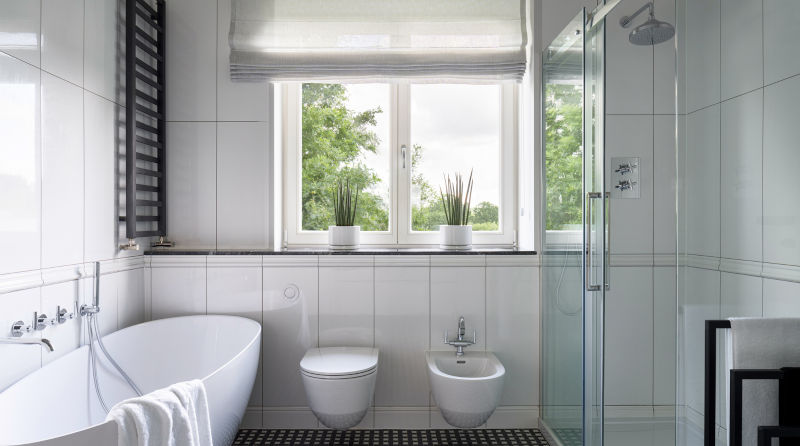
Waterproofing: The Step That Determines Long-Term Performance
Waterproofing is where most performance issues occur. The window frame , the surrounding tile, and the transition between them all need to be properly sealed. A failure at any of these points allows water into the wall cavity, and water in a wall cavity is not visible until the damage is significant.
What Proper Waterproofing Involves
- The window sill must be sloped toward the shower interior so water runs back into the shower rather than toward the frame or wall.
- The window frame must be fully embedded in a waterproof membrane that extends behind the tile surround — not just caulked at the surface.
- A high-quality, mould-resistant silicone caulk is used at all joints between the frame and the tile. Standard acrylic caulk is not appropriate for shower environments.
- The window frame profile must be compatible with the tile thickness and substrate so there are no gaps where water can track behind the finish.
- If the window is operable, the weather seal around the opening sash must be rated for wet conditions and should be inspected annually.
When to Call a Professional
Shower waterproofing is one area where the difference between a correct installation and an inadequate one is not visible for months or years until water damage appears in the wall structure, subfloor, or adjacent rooms. The repair cost for a waterproofing failure significantly exceeds the cost of getting it right the first time.
Canadian Choice Windows and Doors installs shower windows as part of bathroom renovation and window replacement projects across Canada. The approach is the same regardless of project size: accurate specification first, correct installation second, no shortcuts on waterproofing. If you're planning a shower window and want a professional assessment of your specific situation, a professional assessment can help confirm the appropriate specification for your space.
Replacing or Upgrading an Existing Shower Window
If your bathroom already has a shower window, the question is whether it's performing well or becoming a problem. These are the signs that an upgrade is due:
- The frame is wood, or shows any signs of warping, staining, or softness, replacement with vinyl should be considered.
- There is mould or discolouration around the frame or at the sill — this indicates a waterproofing failure that needs to be addressed before it spreads.
- The glass is not tempered — this is a safety issue and should be corrected regardless of whether any other problems are present.
- The caulk is cracking, separating, or discoloured — regrout and recaulk are relatively straightforward, but inspect carefully for water infiltration behind the tile before treating it as a cosmetic issue.
- The window is single-pane — upgrading to double or triple-pane with low-E coating will improve both thermal performance and condensation management.
When replacing a shower window, changing the rough opening size is typically not practical without retiling the surrounding wall. If the current size and placement work, a like-for-like replacement in a better material is usually the most efficient path. If placement is a genuine problem, the window is at the wrong height or positioned directly in the spray zone, a full retile is required, and that's the time to reconsider the specification entirely.
Shower Window Planning Checklist
Before finalizing a shower window design, make sure the following essentials are covered:
- Tempered safety glass
- Water-resistant vinyl or fiberglass frame
- Proper waterproofing around the window opening
- Privacy glass or appropriate window placement
- Adequate bathroom ventilation
- Energy-efficient glazing for exterior walls
- Moisture-resistant interior finishes and trim
- Mould-resistant sealants in all exposed joints
- Window size and location suitable for the shower layout
- Professional installation for complex waterproofing or structural modifications
Frequently Asked Questions
Does a shower window have to be tempered glass?
Yes. Canadian building codes require tempered (safety) glass in shower enclosures and in glazing within the wet zone of a bathroom. Tempered glass shatters into small, blunt pieces rather than sharp shards, which helps prevent serious injury. This is a code requirement, not a preference. A non-tempered shower window does not meet current building standards.
How do I maintain privacy with a shower window that faces the street or a neighbour?
Frosted or obscure glass is the most practical solution. It diffuses light effectively while blocking any clear view from outside. The degree of obscuring varies by glass pattern; ask your supplier to show you samples rather than selecting from a catalogue image alone. Placing the window higher on the wall (above head height) is an alternative that avoids the need for frosted glass entirely. Window treatments designed for wet environments, such as moisture-resistant roller blinds or waterproof window film, are also available, but they require more maintenance than glass-based solutions.
Can a shower window be opened for ventilation, or does it have to be fixed?
An operable shower window is a practical and commonly preferred option for ventilation. The key requirements are: the frame must be water-resistant (vinyl or fibreglass), the opening sash must be sealed with a weather strip rated for wet conditions, and the hardware (handles, hinges, operators) must be corrosion-resistant. Casement windows, which crank open outward, work well in shower applications. Awning windows, hinged at the top and opening outward from the bottom, are a good option for high-placement windows where you want to maintain some protection from rain while ventilating.
What is the minimum size for a shower window to be useful?
There is no code minimum for a shower window specifically — sizing is driven by what you want the window to accomplish. For natural light in a small bathroom, a 24×24-inch window positioned at the right height makes a meaningful difference. For ventilation, any operable window that provides an air-exchange path is effective, though a larger opening ventilates faster. In practice, shower windows commonly run 24 to 36 inches wide and 18 to 30 inches tall for wall installations. A skylight can be considerably smaller and still provide excellent light.
Does a shower window affect the bathroom's energy efficiency?
It can, in both directions. A poorly specified shower window, single-pane, no thermal break, in an exterior wall — will lose heat in winter and may cause condensation issues. A well-specified double- or triple-pane window with a low-E coating and an insulated frame performs comparably to any other window in the house from an energy standpoint. In Canadian climates, where bathrooms are heated spaces used year-round, specifying a low-E glazing package for a shower window is worth the modest additional cost.
Is a shower window something I can install myself?
The window installation itself, setting the frame, shimming, and fastening, is within the capability of an experienced DIYer. The waterproofing is not. Correctly waterproofing the transition between the window frame and the shower tile surround requires knowledge of membrane systems, proper caulk selection, and sill sloping, which is not intuitive if you haven't done it before. A waterproofing failure in a shower is expensive to repair and often not visible until the wall damage is already significant. For most homeowners, professional installation of a shower window is the lower-risk and ultimately lower-cost choice.
How long should a properly installed shower window last?
A vinyl- or fibreglass-framed shower window with proper waterproofing and tempered glass should last 20 to 30 years without major intervention. The caulk and weather seals around an operable window should be inspected annually and replaced every 5 to 10 years, depending on wear. The glass itself, barring impact damage, does not typically need to be replaced. The most common reason shower windows fail early is inadequate waterproofing at installation, which is why getting that step right from the start is the single most important factor in long-term performance.

1000’s of Colours & Textured Finishes
Transform your home from ordinary to extraordinary with our new coloured and non-glare textured finishes. Available in a wide array of colours as well as custom matched colours for your very own personalized design.
Our Most Popular Replacement Window Colours: