Innovative Window Designs for Modern Homes: What Actually Works in Canadian Conditions
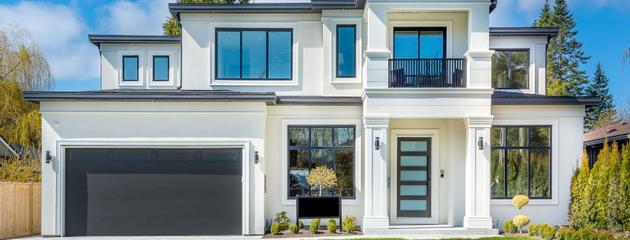

Modern window design is often presented as a matter of style. Large glass surfaces, dark frames, and minimal lines are commonly associated with contemporary homes. But for most homeowners, the real question is not how a window looks in a showroom. It is how it performs in everyday use.
In Canadian homes, window design must balance three things at once: comfort, durability, and appearance. A window that looks modern but struggles with drafts, condensation, or overheating is not a successful upgrade.
This guide focuses on window designs that combine modern aesthetics with practical performance. It explains which trends are worth considering, which features actually improve comfort, and how to choose a design that fits both your home and your climate.
Key Takeaways
- Modern window design should improve comfort and performance, not just appearance
- Larger glass areas increase natural light but require proper glazing and installation
- Vinyl window systems with energy-efficient glass remain one of the most practical solutions for Canadian homes
- Minimal frames and black finishes are popular, but must be paired with durable materials
- Not all trends are suitable for every home — layout, climate, and usage matter
- The best results come from combining design choices with proper installation and planning
Why Window Design Matters More Than It Used To
In older homes, windows were often treated as simple openings for light and ventilation. Today, they play a much larger role.
A well-designed window system can:
- improve indoor comfort by reducing drafts and temperature swings
- increase natural light and make rooms feel more open
- reduce outside noise in urban environments
- contribute to the overall architectural style of the home
At the same time, modern homes place more demands on windows. Larger openings, open-concept layouts, and higher expectations for energy efficiency mean that window design is no longer just about appearance.

As Helen Sin, Consumer Success Manager at Canadian Choice Windows & Doors , explains:
“Modern window design should always be evaluated as part of the home’s performance. A window that looks impressive but does not manage heat loss or airflow properly will not deliver the result homeowners expect.”
What “Innovative Window Design” Really Means
The term “innovative” is often used loosely. In practice, innovation in windows usually comes down to three areas:
- larger glass surfaces without compromising insulation
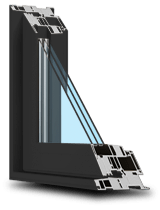
- improved frame systems that reduce heat transfer
- better control over light, ventilation, and comfort
Not every trend qualifies as an improvement. Some are purely visual. Others offer real performance benefits when used correctly.
The sections below focus on design approaches that are both modern and practical.
Modern Window Design Trends That Actually Add Value
Larger Glass Areas and Floor-to-Ceiling Windows
Large-format windows are one of the most visible trends in modern homes. They allow more daylight into the space and create a stronger connection to the outdoors.
When used correctly, they can:
- make smaller rooms feel more open
- improve natural lighting throughout the day
- enhance views and overall interior experience
However, larger glass areas also increase exposure to heat loss and solar gain. This means performance depends heavily on:
- the quality of the glass unit
- proper sealing and installation
- the orientation of the home
Large windows are most effective when they are planned as part of the overall layout, not added as an afterthought.
Slim and Minimal Frame Designs
Modern homes often favour thinner window frames to maximize the glass area.
This design approach:
- increases visible daylight
- creates cleaner sightlines
- supports contemporary architectural styles
At the same time, thinner frames must still provide structural support and insulation. Poor-quality frame systems can lead to:
- reduced durability
- higher heat transfer
- long-term performance issues
In practice, minimalist design works best when paired with well-engineered frame materials such as multi-chamber vinyl systems.
Black-Framed Windows
Black window frames have become a defining feature of modern home design.
They are used to:
- create contrast against lighter walls
- frame exterior views more clearly
- add a more defined architectural look
While the visual impact is strong, the finish quality matters. Dark colours absorb more heat, which can affect material performance over time.
For that reason, black frames should be selected as part of a system designed to handle temperature changes, not just for appearance.
Custom Window Configurations
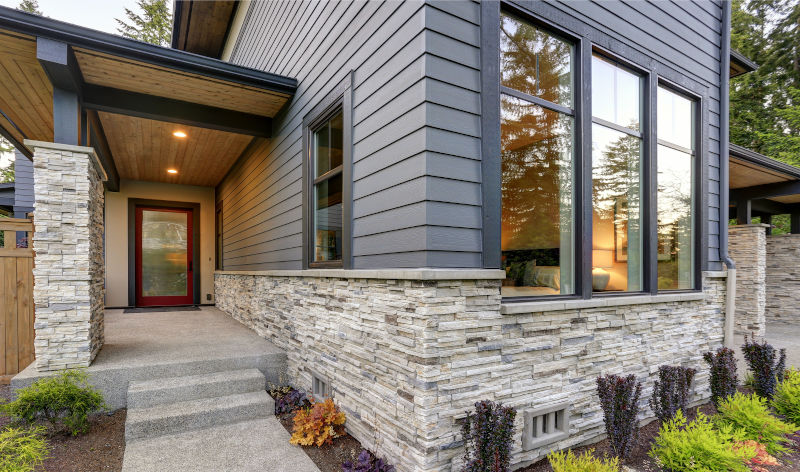
Modern homes increasingly move away from standard window layouts.
Custom configurations can include:
- large combined window units
- asymmetrical layouts
- non-rectangular shapes
These designs allow homeowners to match the window system to the house's architecture rather than forcing the house to fit standard sizes.
However, custom designs typically involve:
- higher manufacturing complexity
- more precise installation requirements
- a greater impact on the overall project cost
They work best when used intentionally, not purely for visual effect.
Smart Glass and Automated Features
Smart window technology is often presented as the future of home design. It includes features such as:
- glass that changes opacity
- automated shading systems
- integration with home automation
While these technologies offer convenience, they are still not a standard choice for most homeowners. In many cases, their cost and complexity outweigh the practical benefits.
For most homes, improving insulation and airflow provides more noticeable day-to-day value than advanced automation.
Energy Efficiency Still Comes First
No matter how modern a window looks, it must perform well in the local climate.
In Canadian conditions, that means:
- maintaining stable indoor temperatures
- reducing drafts and cold spots
- managing solar heat gain in summer
- preventing condensation issues
Tony Wong, Project Manager at Canadian Choice Windows & Doors, explains:
“Homeowners often focus on design first, but performance should come first. The glass package, frame system, and installation determine how comfortable the home will feel after the project is complete.”
Key Features That Improve Performance
When evaluating modern window designs, homeowners should pay attention to:
-
Double or triple-pane glass
Provides insulation by reducing heat transfer. -
Low-E coatings
Reflect heat while allowing natural light to pass through. -
Insulated frame systems
Help reduce heat loss through the window structure. -
Proper sealing and installation
Ensure the window performs as intended over time.
These features often matter more than the window's visual style.
Balancing Design and Practical Use
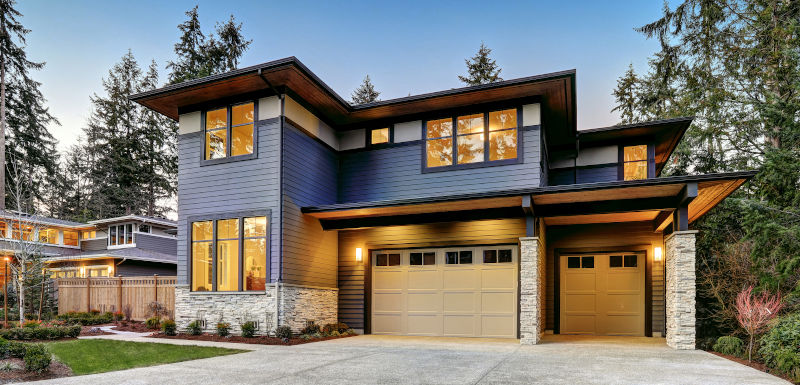
A modern window should not only look good. It should also work well in everyday conditions.
Before choosing a design, it helps to ask:
- Will this window provide enough ventilation?
- Will it be easy to clean and maintain?
- Does it suit the room where it is installed?
- Will it perform well throughout the year?
For example:
- Large fixed windows provide excellent light but no airflow
- Casement windows offer strong ventilation and sealing
- Sliders are simple but may not seal as tightly
The best solution often combines different window types within the same home.
When Modern Design Works Best
Innovative window designs tend to deliver the best results when:
- The project is planned as part of a larger renovation
- The structure of the home supports larger openings
- Performance requirements are considered early
- Installation is handled professionally
Simply replacing old windows with a more modern-looking option does not always improve performance.
A successful upgrade aligns design, structure, and installation.
FAQs
What are the most practical modern window designs for Canadian homes?
Casement, awning, and well-designed fixed windows are among the most practical options because they balance airflow, insulation, and ease of use.
Do large windows reduce energy efficiency?
They can if not properly designed. Large glass areas require high-quality glazing and proper installation to maintain energy performance.
Are black window frames a good long-term choice?
They can be, provided the frame material is designed to handle temperature changes and UV exposure.
Are smart windows worth it for most homes?
In most cases, improving insulation and window performance provides more value than adding advanced smart features.
What is the biggest mistake when choosing modern windows?
Focusing only on appearance without considering performance, installation quality, and long-term durability.
What is the safest next step before upgrading windows?
A professional assessment helps determine which window designs will work best for your home’s structure, layout, and climate.
Choosing a Modern Window Design That Works Long-Term
Modern window design is not about following trends. It is about choosing solutions that improve how your home feels and performs every day.
The most successful projects combine:
- practical design choices
- durable materials
- energy-efficient glass systems
- proper installation
Canadian Choice Windows & Doors works with homeowners to evaluate these factors and recommend window systems that match both the home's design and the realities of Canadian weather.
When done properly, modern window upgrades deliver more than visual impact. They improve comfort, efficiency, and long-term value.

1000’s of Colours & Textured Finishes
Transform your home from ordinary to extraordinary with our new coloured and non-glare textured finishes. Available in a wide array of colours as well as custom matched colours for your very own personalized design.
Our Most Popular Replacement Window Colours: