Window & Door Considerations for Homes in Berwick, Nova Scotia
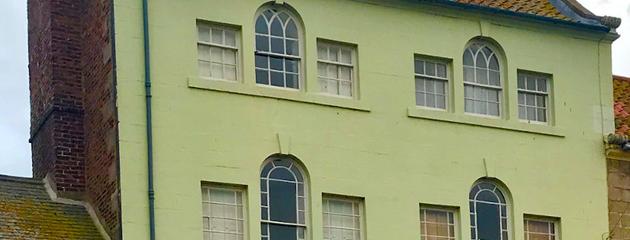

Homes in Berwick are shaped by practicality. Rather than following a single architectural style, the town reflects decades of steady residential growth, from post-war family homes and rural properties to renovated houses and newer infill builds.
For homeowners, this means window and door decisions are rarely about following trends. They’re about comfort, durability, energy efficiency, and long-term value in a climate that demands real performance.
This guide is written to help Berwick homeowners make informed, confident decisions. It focuses on how local homes are built, what today’s energy standards require, and which window and door solutions make sense for Nova Scotia conditions — without pressure, assumptions, or unnecessary upgrades.
Key Takeaways
- Most homes in Berwick were built between the 1950s and early 2000s
- Older windows are a major source of heat loss and rising energy costs
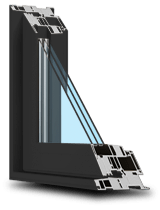
- Triple-pane, Low-E windows are now the benchmark for Nova Scotia homes
- Canadian-manufactured vinyl windows offer the best balance of durability and value
- Proper installation is essential to long-term comfort and performance
Understanding Berwick’s Housing Reality
Before talking about products, it’s important to understand how Berwick homes were constructed. Window performance is directly tied to the era a home was built and the standards in place at the time.
Common Housing Eras in Berwick
| Era | Typical Home Types | Common Window Issues |
|---|---|---|
| 1950s–1960s | Bungalows, modest family homes | Single-pane glass, wood frames, drafts |
| 1970s–1980s | Split-levels, larger bungalows | Early double-pane units with failing seals |
| 1990s–early 2000s | Two-storey family homes | Outdated coatings, weak insulation |
| Renovated & infill homes | Mixed layouts | Builder-grade windows with limited performance |
Many homes still rely on original or second-generation windows. While they may look acceptable, they often no longer meet modern expectations for comfort or efficiency.
Why Energy Efficiency Matters in Berwick

Nova Scotia’s climate constantly stresses a home’s envelope. Long winters, coastal humidity, and frequent temperature changes quickly expose weak windows.
Outdated windows can lead to:
- heat loss in winter
- overheating in summer
- condensation and moisture issues
- uncomfortable drafts and cold floors
What Modern Energy-Efficient Windows Do Better
| Feature | Why It Matters |
|---|---|
| Triple-pane glass | Significantly reduces heat transfer |
| Low-E coatings | Reflects indoor heat back inside during winter |
| Argon or krypton gas | Improves insulation between panes |
| Insulated frames | Limits thermal bridging and condensation |
| ENERGY STAR® ratings | Verified performance for Canadian climates |
Helen Sin, Consumer Success Manager , explains it simply:
“Most homeowners don’t call us because they want new windows. They call because their home feels cold, drafty, or inconsistent. Once we walk through the causes, energy efficiency becomes the clear priority.”
Built for Canadian Climates, Not Adapted for Them
Not all windows sold in Canada are designed for Canadian conditions. Many imported products are built for milder climates and adjusted to meet local requirements.
Canadian-manufactured windows are different. They’re designed, tested, and refined for:
- cold winters
- humidity and moisture
- freeze-thaw cycles
- long-term durability
For Berwick homeowners, that translates to reliable performance without unnecessary complexity or inflated pricing.
Why Vinyl Windows Are the Practical Choice
Vinyl windows have become the most common choice for Nova Scotia homes, not because they’re trendy, but because they work.
Benefits of Modern Vinyl Frames
- Resistant to moisture and humidity
- Won’t rot, warp, or corrode
- Low maintenance with no repainting
- Strong thermal performance when paired with modern glass
Vinyl also performs well in coastal environments, where salt air can accelerate wear on other materials.
Custom Sizing: Why It Matters More Than Most People Realize
Homes built before the 1990s rarely have perfectly consistent window openings. Over time, settling, renovations, and framing changes create subtle differences that standard-size windows can’t account for.
What Custom Fit Solves
- Reduces air leakage
- Improves insulation
- Prevents moisture intrusion
- Creates cleaner interior and exterior finishes
Tony Wong, Project Manager , explains:
“In Berwick, especially with older homes, custom measurements are critical. A window that fits properly performs better and avoids problems down the road.”
Doors Play a Bigger Role Than Most Homeowners Expect
While windows often get the spotlight, doors are just as important for energy efficiency and comfort.
Older doors can leak air around frames, panels, and thresholds, leading to heat loss and drafts.
Practical Door Options for Berwick Homes
| Door Type | Best Use |
|---|---|
| Insulated steel doors | Strong security and thermal performance |
| Fiberglass doors | Wood look without maintenance concerns |
| Energy-efficient patio doors | Better sealing and smoother operation |
Modern doors use insulated cores, improved weatherstripping, and tighter tolerances than older models.
Installation Quality Is Not Optional
Even the best window will underperform if it’s installed incorrectly. Poor installation can lead to:
- drafts
- condensation
- water damage
- shortened window lifespan
What Professional Installation Ensures
- Proper sealing and insulation
- Moisture management
- Structural alignment
- Long-term reliability
Tony Wong adds:
“We replace many windows that failed early because of installation issues, not product defects. Proper installation makes all the difference.”
Long-Term Value Goes Beyond the Sticker Price
Replacing windows and doors is an investment, and value should be measured over time.
What Quality Upgrades Deliver
- Lower heating and cooling costs
- More consistent indoor temperatures
- Reduced maintenance
- Improved resale appeal
Energy-efficient upgrades often pay for themselves through savings and increased comfort.
A Straightforward, No-Pressure Experience
Home improvement decisions shouldn’t feel rushed or confusing. The goal is to help homeowners understand their options clearly and choose what makes sense for their home, budget, and timeline.
Helen Sin explains the approach:
“Our role is to guide, not push. Homeowners should feel informed and confident, not pressured into upgrades they don’t need.”
Why Berwick Homeowners Choose Canadian Choice Windows & Doors
Homeowners trust Canadian Choice because it focuses on real solutions for real homes.
What sets them apart:
- Canadian-manufactured windows and doors
- Experience with Nova Scotia housing conditions
- Clear, honest recommendations
- Professional installation
- Strong warranties and long-term support
The approach is practical, respectful, and built around what homeowners actually need.
When Should You Consider Replacement?
You may want to replace your windows or doors if you notice:
- drafts or cold spots
- condensation between panes
- rising energy bills
- difficulty opening or locking units
- visible frame damage
In many cases, replacement is more cost-effective than repeated repairs.
Upgrading with Confidence
Replacing windows and doors isn’t about following trends. It’s about creating a home that feels warmer, quieter, and more comfortable — year after year.
For Berwick homeowners, choosing Canadian-made, energy-efficient products, professionally installed, offers peace of mind and long-term value.
Free consultations are available for homeowners who want clear guidance, honest pricing, and solutions tailored to their home — not assumptions.
Frequently Asked Questions
Do Berwick homes really need triple-pane windows?
Yes. Nova Scotia’s cold winters and temperature swings make triple-pane, Low-E windows the most reliable option for improving comfort and reducing heat loss in Berwick homes.
Are vinyl windows a good choice for older homes in Berwick?
They are. Modern vinyl windows can be custom-sized to fit older openings and provide better insulation, moisture resistance, and durability than original wood or early aluminum frames.
How do I know if my windows need to be replaced or repaired?
Drafts, condensation between panes, rising energy bills, or difficulty opening and closing windows are strong signs that replacement is more cost-effective than repair.
Why does professional installation matter so much?
Even high-quality windows won’t perform properly if they’re not installed and sealed correctly. Professional installation ensures insulation, moisture protection, and long-term performance.
Are Canadian-made windows better for Nova Scotia homes?
Yes. Windows manufactured in Canada are designed and tested for local climates, including cold winters, humidity, and freeze-thaw cycles common in Nova Scotia.

1000’s of Colours & Textured Finishes
Transform your home from ordinary to extraordinary with our new coloured and non-glare textured finishes. Available in a wide array of colours as well as custom matched colours for your very own personalized design.
Our Most Popular Replacement Window Colours: