Window Types
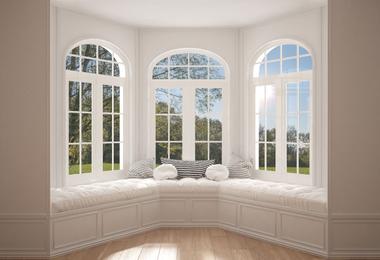
Bay and Bow Windows: A Guide to Styles and Aesthetics
Bay and bow windows are among the most recognizable architectural features in Canadian residential homes, and for good reason: they create a usable alcove that can make a room feel larger without requiring a full structural addition, bring significantly more natural light into the interior, and give both the inside and the outside of a home a sense of presence and character that flat windows cannot match.
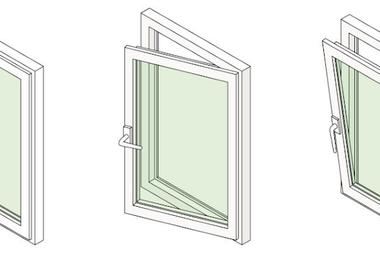
Casement windows 101: a practical guide for Canadian homes
Casement windows are one of the most common operable window styles in Canadian homes, and there's a practical reason for that. They open wide, seal tightly, and handle Canadian weather well. For homeowners deciding what to install in a replacement project, the first style is often worth considering.
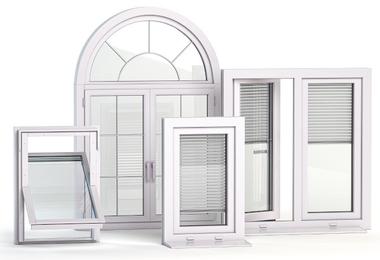
Awning and Casement vs Slider and Hung: Comparing Popular Window Styles in Canada
The clearest way to compare popular window styles is to sort them into two families and weigh one family against the other. Awning and casement behave alike because they close the same way, and slider and hung behave alike for the same reason, so once you know which family fits the way you want a window to work, choosing the exact style is the easy part.
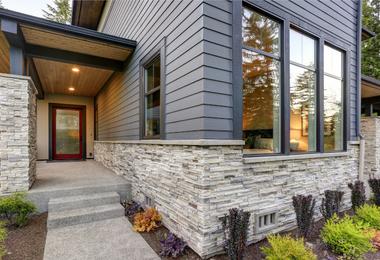
The Advantages of Crankless Windows for Modern Homes
Modern homes require window systems that perform consistently under climate stress, integrate seamlessly into contemporary architecture, and operate reliably over decades of daily use. A tilt-and-turn window integrates precision hardware with full-perimeter compression sealing and dual-function ventilation.
5 Benefits of PVC Windows for Replacement
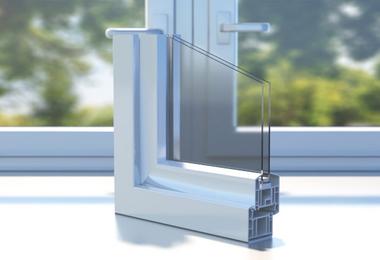
If you are replacing your windows in Canada, high‑quality PVC windows professionally installed remain one of the safest long‑term investments for most residential homes. They combine strong thermal performance, low maintenance requirements, durability in freeze–thaw conditions, and balanced upfront cost.
Window Glass Terminology Explained for Canadian Homes
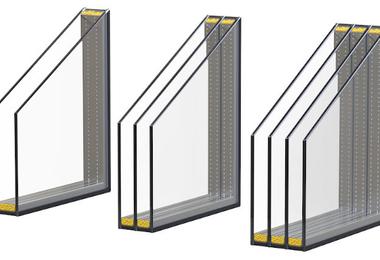
This guide consolidates terminology into a single, clear, authoritative resource. Instead of comparing labels, it explains what each term actually means, how modern insulated glass works, and which specifications truly impact comfort, energy efficiency, durability, and long-term value for Canadian homes.
- Maritimes 7
- Product Comparisons 30
- Buying Guides 31
- Doors Types 38
- Energy Efficiency and Sustainability 50
- Home Improvement 28
- Installation and Replacement Tips 29
- Local Guides 55
- Maintenance and Repairs 38
- Manufacturers Reviews 8
- Pricing and Financing 18
- Room-Specific Windows 17
- Safety and Security 13
- Seasonal Tips 6
- Window Styles 20
- Window Types 52
- Past Projects