Awning and Casement vs Slider and Hung: Comparing Popular Window Styles in Canada
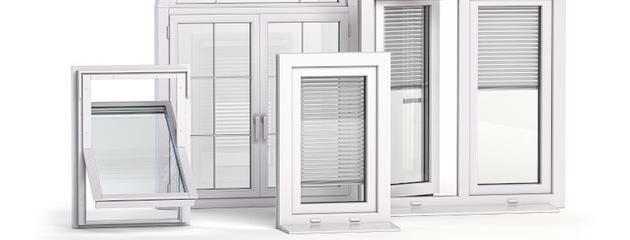

The clearest way to compare popular window styles is to sort them into two families and weigh one family against the other. On one side are crank-style windows, including awning and casement windows, which swing outward on hinges and pull tight against the frame when closed. On the other side are sliding-style windows, including slider and hung windows, which move within the frame and seal along their tracks. Awning and casement behave alike because they close the same way, and slider and hung behave alike for the same reason, so once you know which family fits the way you want a window to work, choosing the exact style inside it is the easy part.
This guide compares the two families head-to-head, then looks at the two styles inside each one and where they fit best. The notes come from years of fitting replacements at Canadian Choice Windows & Doors, with the energy figures drawn from Natural Resources Canada.
Key takeaways
- Popular window styles fall into two families: crank windows (awning and casement) that hinge outward, and sliding windows (slider and hung) that glide within the frame.
- Crank windows close with a compression seal that draws the sash tight, making them among the snuggest operable styles. Sliding windows seal along their tracks and are simple to operate and clean.
- Inside the crank family, an awning sheds rain and suits wet rooms, while a casement opens fully and moves the most air.
- Inside the sliding family, a slider suits wide openings and a hung suits tall ones, and both tilt inward for easy cleaning.
- The glass, the frame and the fit of the installation drive most of a window's year-round comfort, whichever family you choose.
- Most homes end up using both families, picked room by room.
Crank or sliding: what really separates the two families?
Every popular style belongs to one of two families, and the family it sits in tells you how it seals and how it breathes.
A crank window opens out into the air on a hinge when you turn the handle. An awning window is hinged along its top edge and tips out at the bottom; a casement window is hinged at the side and swings wide. A sliding window stays in the plane of the wall: a slider runs side to side, a hung window runs up and down, and both usually fold inward for cleaning. The split matters because of the seal. Wind a crank window shut, and the sash is pressed hard against a gasket on every side, a compression seal that gives this family its name for keeping drafts out. A sliding window rides on weatherseals in its tracks instead, trading a little of that tightness for a window you can open with one finger. That single difference is the thread that runs through everything below.
The crank family: awning and casement

Awning and casement are close relatives that share a seal and a way of opening, and differ mainly in the openings they suit.
Both of these windows crank outward and seal by compression, so they share the same snug close and strong airflow. What sets them apart is orientation. An awning is, in effect, a casement turned on its side, and that quarter-turn changes which opening it fits and how it handles the weather.
The awning window
An awning window is the one to reach for above a kitchen sink, in a bathroom, or anywhere a window sits high or wide on the wall. Because it tips out from the bottom, the open sash leans over the gap like a small roof, so a passing shower runs off the glass rather than onto the sill, and you can often leave it slightly open during light rain to help clear steam and cooking smells. The handle sits low and stays within reach even when the window is mounted high, and a single pane keeps the daylight and the view uninterrupted. One practical detail to consider is access for cleaning. The exterior side of an awning window can be harder to reach from indoors, so it is best suited to locations where outside access is simple or where professional cleaning is already part of the home’s maintenance routine.
The casement window
A casement window offers some of the strongest ventilation among common operable window styles. The entire sash swings clear of the opening, and because it stands proud of the wall, you can angle it to catch wind running along the house and funnel it inside, so even a narrow gap pulls a surprising amount of air. The full outward opening gives a casement window strong ventilation, while the compression seal helps it close tightly during colder months. A casement fills tall openings in living rooms, bedrooms, and home offices, opens fully for an uninterrupted view, and, on most installations, the outer glass stays within reach from inside.
If a room needs to move real air on a warm evening, the casement is the one I point to, because the whole sash opens and you can angle it to draw in the breeze. The full outward opening draws in the breeze, while the compression seal helps the window close tightly in winter. - Tony Wong, Project Manager at Canadian Choice Windows & Doors
The sliding family: slider and hung
Slider and hung are the other matched pair, both gliding within the frame and prized for easy use and simple cleaning.
Slider and hung windows move within the frame and seal along their tracks rather than by compression, so they share an easy, low-effort action and fold inward for cleaning. The difference between them is only the direction of travel. A hung is essentially a slider stood upright, so much of what is true of one carries straight over to the other.
The slider window
A slider is a practical choice for wide openings where easy operation matters. One sash glides past the other along a track, so nothing swings out into a walkway, deck or garden bed, and the window opens with a light push even when it is large. Sliders take generously sized openings in stride, offer a broad, largely unobstructed view, and the sash tilts or lifts inward so both sides of the glass can be cleaned without a ladder. In a basement, a child's room, or anywhere a fussier window would be a nuisance, the slider is the low-maintenance answer.
The hung window
A hung window suits a tall opening and a traditional look better than anything else in the group. A single-hung lifts from the bottom, while a double-hung lets both the bottom and the top sashes move, so you can open it at the top and let warm air drift out near the ceiling while the lower half stays closed. When properly sized and configured, a hung window may help meet bedroom egress requirements, depending on the opening and local code requirements.
How do the two families compare side by side?
Rather than crown a single winner, the table sets the crank family beside the sliding family on the points that matter most at home.
Read it as a matching exercise, not a scoreboard. The crank family delivers a snug seal and strong airflow, which is why it is a favourite for exposed walls and in colder rooms. The sliding family trades a little of that for an effortless action, easy cleaning and a shape that suits many openings. Find the row that matters most for a given room, then read across to see which family best answers it.
The Crank family and the Sliding family at a glance
| Feature | Awning and casement (crank out) | Slider and hung (glide in frame) |
|---|---|---|
| How they open | Swing outward on a hinge with a crank handle | Slide within the frame, side to side or up and down |
| Seal when shut | Compression seal, sash drawn tight all round | Track seals along the channels the sash runs in |
| Airtightness | Among the snuggest operable styles | Good, with a little more give than a crank seal |
| How much opens | The sash opens outward, with casement windows typically offering the widest clear opening | About half the opening at one time |
| Ventilation | Strong; awning sheds rain, casement scoops a breeze | Even and easy across the opening |
| Cleaning | Crank out to reach the glass; easiest lower down | Sashes tilt or lift inward to wash from inside |
| Effort to operate | Wind the handle | A light push or lift |
| Rooms tend to suit | Kitchens, bathrooms, living rooms, bedrooms | Bedrooms, basements, period and traditional homes |
A simple way to choose, family, then style
If you remember one thing, let it be this short path from the wall to the window.
Walk the house and look at each opening before you reach for any catalogue. First, decide what the room most needs from the window: where a snug seal and strong airflow matter most, the crank family answers; where an easy action and simple cleaning matter most, the sliding family answers. Then let the shape of the opening pick the style within that family. A wide, short opening leans to an awning in the crank family or a slider in the sliding family; a tall, narrow opening leans to a casement or a hung. With those two decisions made, the best-fit style usually becomes much clearer.
- Want rain-tolerant ventilation in a wet room: awning, the crank choice for a kitchen or bathroom.
- Want strong airflow with a tight compression seal: casement, a crank choice that often works well for living rooms and bedrooms.
- Want an effortless window on a wide opening: a slider, the sliding choice for a basement or bedroom.
- Want a classic look on a tall opening: hung, the sliding choice for a period or traditional home.
Worked through this way, the families stop competing and start sharing the house. If you want to see how they sit alongside the other shapes and options, the window types and styles guide walks through each one, with examples of where it tends to land.
Most homes are happiest with a mix. We will fit casement and awning windows where sealing and weather really matter, and sliders or hung windows where ease of operation and simple cleaning come first. In many kitchens and bathrooms, I often lean toward an awning because it can be left slightly open during light rain while helping keep the interior dry. - Helen Sin, Consumer Success Manager at Canadian Choice Windows & Doors
What do the rating numbers actually mean?
Two numbers on a window tell you more about a Canadian winter than the family name ever will.
Once a window is shut, the glass package, frame, seal and installation all play a major role in performance. The operating style still matters, but it is only one part of the overall efficiency picture. The figure to watch is the U-factor, which measures how quickly heat slips out through the entire window; the lower, the better. Natural Resources Canada notes that higher-performance double-glazed windows achieve a U-factor of about 1.2 W/m²·K or lower, while triple-glazed units can reach roughly 0.8 W/m²·K. The other number worth knowing is the ENERGY STAR mark, a government-backed sign that a window meets a strict efficiency standard set for Canadian conditions. According to Natural Resources Canada, ENERGY STAR-certified windows run about 20 percent more efficiently than the average window, and the very best models achieve far higher efficiency.
Both of these apply to every style in both families. An awning, a casement, a slider and a hung can all be built with a low-emissivity coating and an argon fill, and all can earn the ENERGY STAR mark. That is why the most reliable way to compare thermal performance is to read the rating label, not rely only on whether the window has a hinge or a track.
What else decides how a window performs?
Beyond the glass, two things quietly make or break the result: the build and the fit.
A low-emissivity coating and inert gas fill between the panes are two important upgrades that can improve energy performance. The frame carries the rest of the load, which is why well-made vinyl windows hold their seal and shape through Canadian freeze-and-thaw seasons rather than loosening over time. Pairing a solid frame with the right energy-efficient glass package turns a family choice into comfort you can actually feel.
Then there is the fit, the step homeowners most often overlook. A window that is installed out of square or poorly fitted into the rough opening can allow air leakage, even when the unit itself is well built. Trained hands matter as much as the product, which is why professional window installation is part of how any of these styles live up to their ratings. If you would like a hand matching each opening in your home to the right family and style, the team at Canadian Choice Windows & Doors can walk you through the options, room by room. Reach out for a consultation to get started.
Frequently asked questions
What is the difference between crank and sliding windows?
Crank windows, including awning and casement windows, open outward on hinges and seal by pressing the sash against the frame. Sliding windows, sliders, and hung move within the frame and seal along their tracks. Crank styles tend to be more airtight, while sliding styles are valued for an easy action and simple cleaning.
Which family is better for a kitchen or bathroom?
The crank family, and the awning in particular. It can stay open during light rain and suits the wide, higher openings common over a sink or in a bathroom, where steady ventilation helps clear steam and moisture.
Which window moves the most air?
A casement, from the crank family, is the strongest ventilator, since the whole sash opens and can be angled to direct a breeze indoors. A slider also breathes well across a wide opening, while a single-hung window typically has one operable sash.
Are sliding windows a sound choice for a Canadian winter?
Yes. Sliders and hung windows perform well when fitted with a good glass package and installed properly. The crank family has an edge in airtightness, but the glass and installation determine most of the winter comfort, so a well-specified sliding window is dependable.
Can I mix styles from both families in one home?
Mixing is normal and sensible. Many homes use awning and casement windows where sealing and weather protection matter most, and sliders or hung windows where ease of operation and cleaning come first. Choosing room by room beats forcing one style throughout.
Which window is the easiest to keep clean?
The sliding family is often the easiest, because the sash tilts or lifts inward, allowing both sides of the glass to be reached from indoors. Casement windows open wide enough to reach the outer glass on most installs, while awning windows are simplest to clean on lower floors.
What glass package suits a Canadian climate?
In many Canadian homes, a double-glazed unit with a low-emissivity coating and argon fill is a practical baseline. In colder regions, exposed elevations or north-facing rooms may be worth considering for triple glazing. Triple glazing further lowers the U-factor and is worth considering for north-facing walls or in regions with long, hard winters. These options are available across both families.

1000’s of Colours & Textured Finishes
Transform your home from ordinary to extraordinary with our new coloured and non-glare textured finishes. Available in a wide array of colours as well as custom matched colours for your very own personalized design.
Our Most Popular Replacement Window Colours: