5 Benefits of PVC Windows for Replacement

If you are replacing your windows in Canada , high‑quality PVC windows professionally installed remain one of the safest long‑term investments for most residential homes. They combine strong thermal performance, low maintenance requirements, durability in freeze–thaw conditions, and balanced upfront cost. While wood and aluminum systems have specific use cases, PVC windows consistently deliver one of the best cost‑to‑performance ratios for Canadian homeowners.
This updated guide goes beyond surface-level marketing claims. We explain how PVC windows actually perform, where they outperform other materials, where their limitations exist, and how Canadian Choice Windows & Doors ensures proper specification and installation to maximize long‑term results.
Key Takeaways
- PVC windows offer strong insulation due to multi‑chamber frame construction and effective sealing systems.
- They require significantly less maintenance than wood and resist corrosion better than aluminum.
- Properly manufactured PVC frames are engineered for Canadian freeze–thaw cycles.
- They provide strong cost‑to‑performance value in full‑home replacement projects.
- Energy efficiency depends on the entire window system — not just the frame material.
- Professional measurement and installation are critical to long‑term durability.
What Are PVC Windows?
PVC (Polyvinyl Chloride), often referred to as vinyl windows in North America , is a synthetic material engineered for structural stability and weather resistance. Unlike wood, PVC does not absorb moisture. Unlike aluminum, it does not readily conduct heat or cold. These properties make PVC particularly suitable for Canadian residential construction, where winters are long and temperature fluctuations are significant.
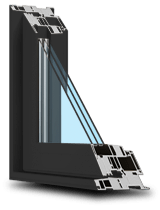
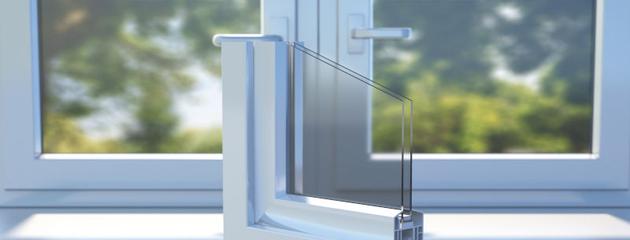
Modern PVC window frames use multi‑chamber internal profiles. These chambers trap air, reduce thermal transfer, and add structural rigidity. When paired with double or triple glazing and proper weather sealing, PVC windows function as a complete insulated system rather than just a frame.
Benefit 1: Energy Efficiency in Canadian Climates

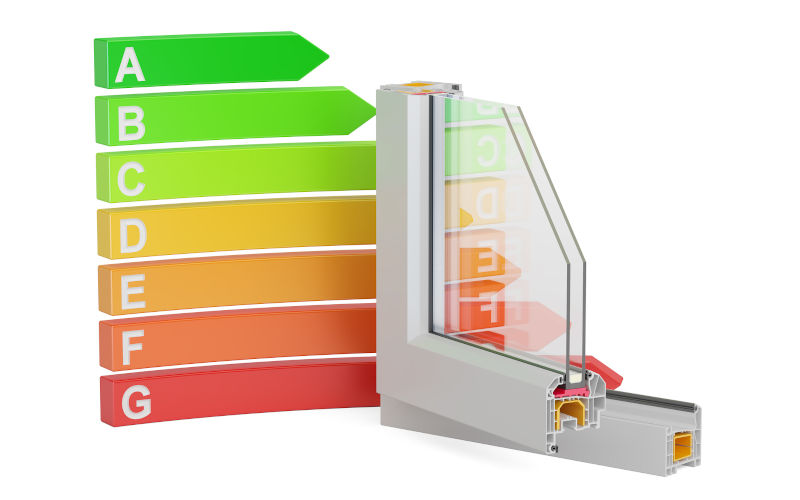
Energy performance remains one of the primary drivers of window replacement decisions. PVC frames naturally have lower thermal conductivity than aluminum. Combined with insulated glass units, warm-edge spacers, and tight compression seals, PVC windows help maintain interior temperature stability.
| Material | Thermal Conductivity | Typical Residential Efficiency |
|---|---|---|
| PVC (Vinyl) | Low | Strong insulation when properly specified |
| Wood | Moderate | Good insulation, but moisture sensitive |
| Aluminum | High | Requires thermal breaks for insulation |
It is important to note that frame material is only one component of energy efficiency. Glass selection, Low‑E coatings, spacer technology, and installation precision significantly affect final performance. Canadian Choice Windows & Doors evaluates the entire window system to ensure consistent thermal results.
“Homeowners often focus only on the frame material, but real energy performance depends on the complete system — glazing, spacers, sealing, and precision installation. PVC provides an excellent base, but installation quality determines whether you truly feel the difference in winter.”
— Helen Sin, Consumer Success Manager, Canadian Choice Windows & Doors
Benefit 2: Low Maintenance Over the Long Term
PVC windows require less upkeep than traditional wood frames. They do not need repainting, sanding, or resealing. They resist swelling and rot caused by moisture exposure.
- No repainting or refinishing required.
- Resistant to corrosion and rust.
- Simple cleaning with mild soap and water.
- Colour stability when manufactured with UV‑resistant compounds.
In Canadian environments where snow, salt, and seasonal moisture are common, low‑maintenance materials reduce long‑term homeowner effort and repair costs.
Benefit 3: Durability Through Freeze–Thaw Cycles
Canada’s climate presents structural challenges: extreme cold, rapid thawing, UV exposure, and shifts in humidity. PVC windows are engineered to remain dimensionally stable under these stresses. Unlike untreated wood, they do not warp. Unlike metal without thermal breaks, they do not transfer cold as easily.
| Material | Moisture Resistance | Warping Risk | Expected Lifespan |
|---|---|---|---|
| PVC | High | Low | 20+ years with proper installation |
| Wood | Moderate | Moderate without maintenance | 15+ years with upkeep |
| Aluminum | High | Low | 20+ years with thermal break |
Durability also depends on reinforcement and anchoring. Proper installation ensures structural alignment and long‑term sealing performance.
Benefit 4: Cost-to-Performance Advantage
PVC windows typically offer a more affordable upfront investment than premium wood or specialized aluminum systems. For full‑home replacement projects, this difference becomes significant.
| Material | Relative Upfront Cost | Maintenance Over 10 Years | Overall Value |
|---|---|---|---|
| PVC | Moderate | Low | High |
| Wood | High | High | Moderate to High, depending on upkeep |
| Aluminum | High | Low to Moderate | Moderate |
The value equation combines initial cost, maintenance savings, and energy performance. PVC windows often provide predictable long‑term budgeting for homeowners.

Benefit 5: Environmental Considerations
PVC windows contribute to environmental performance primarily through energy efficiency and longevity. Reduced heat loss lowers winter heating demand, thereby reducing overall energy consumption. Long service life reduces replacement frequency and associated waste.
Modern manufacturing standards have improved material efficiency and recycling processes compared to earlier generations of PVC products.
How to Choose the Right PVC Windows
Not all PVC windows perform equally. Profile thickness, reinforcement, glass configuration, hardware quality, and installation practices all influence long‑term results.
- Choose double or triple glazing based on your climate zone.
- Confirm quality locking systems and compression seals.
- Verify installation standards and alignment practices.
- Select window styles that match ventilation and design needs.
Canadian Choice Windows & Doors emphasizes system performance rather than material alone. Accurate measurement, structural alignment, and sealing are critical for achieving full energy and durability benefits.
“We always explain to homeowners that PVC itself is only part of the equation. Reinforcement, proper anchoring, and airtight installation are what ensure the window performs the same way ten winters from now as it does on day one.”
— Tony Wong, Project Manager, Canadian Choice Windows & Doors
Final Thoughts
PVC windows remain one of the most practical and balanced choices for residential window replacement in Canada. They offer strong insulation, reduced maintenance, structural durability, and predictable long‑term value.
When combined with professional installation from Canadian Choice Windows & Doors, PVC windows deliver consistent performance and comfort across seasons. If you are considering replacing your windows, a professional consultation can help determine the optimal configuration for your home.
FAQs About PVC Windows
1. Are PVC windows suitable for extreme cold regions?
Yes, when specified with appropriate glazing and installed correctly, PVC windows perform reliably in cold Canadian climates.
2. Do PVC windows fade over time?
High‑quality PVC windows are manufactured with UV‑resistant compounds to reduce fading. Lower‑grade materials may discolour sooner.
3. Are PVC windows stronger than aluminum?
Aluminum offers greater structural strength for very large openings, but PVC provides superior insulation for standard residential windows.
4. How long do PVC windows last?
With professional installation and quality manufacturing, PVC windows can last 20 years or more.
5. Can PVC windows increase home value?
Energy‑efficient window upgrades improve comfort and curb appeal, which can positively influence resale perception.
6. Is professional installation necessary?
Yes. Even high‑quality PVC windows can underperform if installed incorrectly. Proper sealing and alignment are essential.

1000’s of Colours & Textured Finishes
Transform your home from ordinary to extraordinary with our new coloured and non-glare textured finishes. Available in a wide array of colours as well as custom matched colours for your very own personalized design.
Our Most Popular Replacement Window Colours: