Window Types
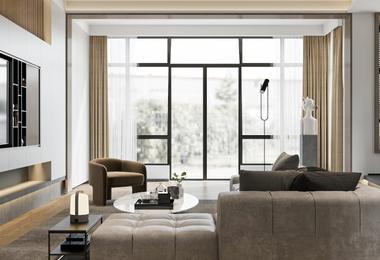
Maximize Light and Style: The Advantages of Floor-to-Ceiling Windows
Floor-to-ceiling windows (also known as window walls or glazed walls ) are expansive glass panels stretching from the floor slab to the ceiling, often 8–10 feet tall or more. These architectural features replace portions of walls with glass, enhancing both the interior and exterior character of a home.
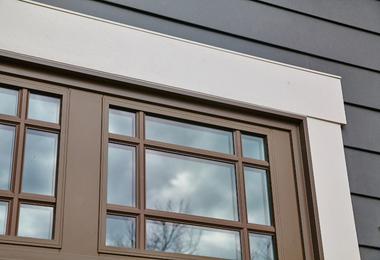
Matte vs Sheen Window Finishes: What’s Best for Your Home?
When it comes to window finishes, choosing between matte and glossy finishes has a bigger impact than many homeowners expect. While the structure and placement of a window influence the room’s layout, the finish subtly guides how the room feels and behaves under different lighting conditions.
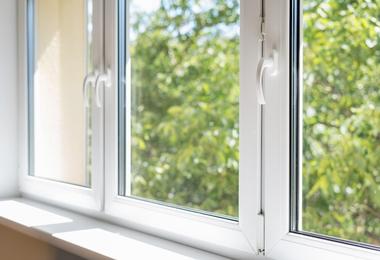
Vinyl Windows: Pros and Cons
Vinyl windows are crafted from polyvinyl chloride (PVC), a plastic compound known for its strength, durability, and resistance to moisture. This material offers an alternative to traditional window frame options such as wood, aluminum, and fibreglass. Let's break down the defining features and differences between these types.
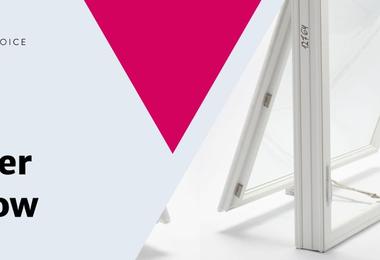
Hopper Windows: A Complete Guide for Canadian Homeowners
A hopper window is a type of inward-tilting window hinged at the bottom. It opens from the top and swings into the room, unlike an awning window, which is hinged at the top and opens outward. Hopper windows have been used for centuries in basements, cellars, and utility rooms, providing natural light, ventilation, and, in many cases, a code-compliant egress solution.
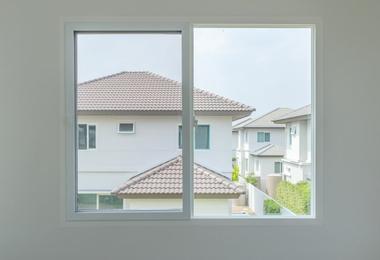
Casement vs. Sliding Windows: Making the Best Choice for Your Space
When deciding between casement and sliding windows, it helps to understand how they function, how they’re built, and what day-to-day use looks like. These two popular styles differ significantly in mechanics, appearance, and performance.
Tilt & Turn vs. Casement Windows: What's the Better Choice for Ventilation?
Tilt-and-turn windows feature a dual-function design: a top-tilt mode for ventilation and a full inward swing for cleaning and emergency egress. That’s the beauty of a tilt and turn window. It’s not just a design trend; it’s a highly functional architectural feature increasingly popular in modern homes across Canada.
- Maritimes 7
- Product Comparisons 28
- Buying Guides 28
- Doors Types 38
- Energy Efficiency and Sustainability 48
- Home Improvement 28
- Installation and Replacement Tips 28
- Local Guides 55
- Maintenance and Repairs 37
- Manufacturers Reviews 8
- Pricing and Financing 18
- Room-Specific Windows 17
- Safety and Security 12
- Seasonal Tips 6
- Window Styles 19
- Window Types 52
- Past Projects