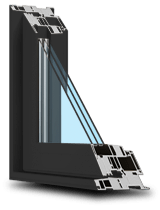
Picture Windows 101
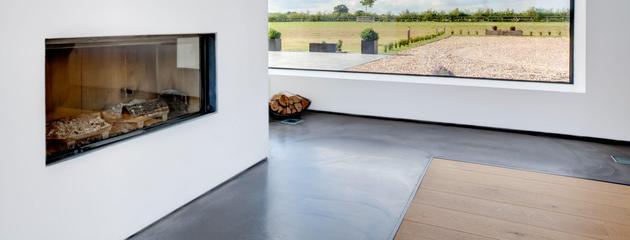
A picture window is a large, fixed, non-operable window designed around an uninterrupted glass area to maximize daylight and frame a clear outdoor view. Because it does not open, it has fewer moving parts and less hardware to maintain. When properly manufactured and installed, its fixed design can also help limit air leakage.
That trade of ventilation for a clear, low-maintenance expanse of glass is exactly why homeowners choose them for living rooms, stairwells, and feature walls. This guide covers how picture windows work, where they fit best, what drives their cost, and what to check before you order.
Key Takeaways
-
A picture window is a fixed, non-operable unit designed to maximize natural light and provide a clear, uninterrupted view.
-
Because there are no moving parts, picture windows have very little hardware to maintain and can hold a tight seal well over time.
-
They work best in living rooms, stairwells, dining areas, and on any wall with a view worth showing off, often paired with operable windows for airflow.
-
Vinyl frames are a popular choice for picture windows in Canada thanks to their insulation, moisture resistance, and low upkeep.
Locations -
Energy performance depends on the full glass package: Low-E coatings, inert gas fills, and the right rating for your climate.
-
ENERGY STAR-certified windows are about 20% more energy-efficient than the average window, according to Natural Resources Canada.
-
Replacement cost is driven by size, glass package, frame, custom shapes, and installation complexity rather than any single fixed price.
-
Even the best window underperforms if it is installed poorly, so professional installation matters as much as the product itself.

What are picture windows and why are they so popular in Canada?
Picture windows are large, fixed windows that do not open. They are built around a single expanse of glass so the view stays clear and the frame stays out of the way. Their popularity across Canada has grown alongside the trend toward brighter, more open living spaces, where a wide pane of glass can turn an ordinary wall into the focal point of a room. Homeowners often reach for them when they want to bring in daylight, connect an interior space to the yard or street, and keep the overall look simple and modern.
What makes a picture window different?
The defining feature is that a picture window is fixed, or non-operable, meaning it has no sash that swings, slides, or tilts. That single design choice shapes everything else about it. With no moving parts, there is no crank, no lock mechanism, and no weatherstripping around the operating sash to wear down. The trade-off is straightforward: you gain a larger, cleaner sightline and a simpler unit, but you give up the ability to open the window for fresh air. This trade-off can work well in rooms where ventilation is already provided by another window, door, or mechanical system.
Why Canadian homeowners choose them
In a climate with long winters and short daylight hours, people notice and value natural light. A picture window can provide a larger visible glass area than many operable windows of a similar size because it does not require an opening sash or operating hardware. Beyond the light, there is the view itself, whether that is a backyard, a treeline, or a quiet street. Its fixed construction reduces wear on operating hardware, although long-term performance still depends on product quality, installation, and proper sealing around the opening.
How does a picture window differ from other window styles?
Every window style is a set of trade-offs between view, ventilation, and maintenance. Picture windows sit at one end of that range: maximum glass and minimum moving parts. Casement, awning, and slider windows sit elsewhere, each opening differently to let in air. Understanding where each style fits helps you decide which rooms call for a fixed window and which are better served by an opening window.
Fixed versus operable windows
The core difference is ventilation. A picture window cannot be opened, so it relies on other windows, doors, or a home's mechanical ventilation for fresh air. Operable styles such as casement and awning windows open outward on a hinge, while sliders glide horizontally. Bay configurations combine several units to project outward and create a sense of depth. The table below summarizes how the common styles compare on the points homeowners tend to weigh most heavily.
|
Window style |
Opens for air? |
View and glass area |
Best-use scenario |
|
Picture (fixed) |
No |
Largest, uninterrupted |
Living rooms, stairwells, and feature walls |
|
Casement |
Yes, hinged outward |
Large, minimal frame |
Kitchens, hard-to-reach spots needing airflow |
|
Awning |
Yes, hinged at the top |
Moderate |
Above counters or in rain-prone openings |
|
Slider |
Yes, slides sideways |
Moderate |
Wide openings where an outward swing is awkward |
|
Bay or bow |
Often partly operable |
Wide, projecting |
Rooms wanting extra depth and light |
Design trade-offs to consider
Choosing a style is not only about airflow. Fixed windows offer the cleanest look and the fewest maintenance points, which appeals to homeowners who want a low-fuss unit. Operable windows add flexibility but also introduce hardware and seals that are subject to regular use. Many people end up mixing styles in the same room to get the best of both, a point worth keeping in mind as you plan a window installation project across several openings.
Where does a large fixed window work best in a Canadian home?
A large fixed window earns its place wherever the view and the light matter more than the airflow. That makes some rooms natural candidates and others less so. The goal is to place the glass where people spend time looking outward, while ensuring the room still has a way to bring in fresh air from nearby.
Best rooms for large fixed windows
Living rooms top the list, since they are usually designed with comfort and views in mind. Stairwells are another strong fit because they often have tall walls that a fixed window can fill with light without opening. Dining areas and any room facing a scenic yard or garden also benefit. In each case, the fixed unit does the heavy lifting on light and view, and a smaller operable window or door handles ventilation.
When placement matters most
Orientation changes how a picture window behaves. South- and west-facing walls collect the most sun, which can be welcome in winter but warm in summer, so the glass package matters more there. North-facing openings receive less direct sun and place greater emphasis on insulation. Privacy is worth considering, too, since a large pane facing the street reveals more of the interior. None of these are dealbreakers; they simply guide the glass and placement choices you make up front.
What are the main benefits of picture windows for homeowners?
The appeal of a picture window comes down to a handful of practical advantages that most homeowners feel every day. The main benefits include more natural light, a clear outdoor view, minimal hardware, and relatively simple maintenance. It helps to separate the look-and-feel gains from the functional ones.
Aesthetic benefits
A picture window brings in generous daylight and, fittingly, frames the outdoors like a picture. The slim sightlines and absence of a visible operating sash give a room a clean, contemporary feel. Because the glass area is large relative to the frame, the window can make a modest space feel bigger and more connected to the outside. For homeowners updating a room's appearance, a larger fixed window can create a cleaner, more open look without changing the entire interior.
Functional advantages
On the practical side, the sealed design means there is little hardware to maintain and no operating seals to wear out from daily use. With no operating hardware to adjust or replace, there are fewer mechanical components that may require maintenance. Paired with a quality glass package, a fixed unit can also perform well on energy-efficient window measures, since a tight, non-operable seal limits air movement. According to Natural Resources Canada's guidance on choosing energy-efficient windows , ENERGY STAR-certified windows are about 20% more energy-efficient than the average window. Models recognized as ENERGY STAR Most Efficient can be up to 55% more energy-efficient than average models. A fixed design can help reduce air leakage, but the window’s overall energy rating depends on the complete tested assembly, including the glass, frame, spacer, dimensions, and construction.
Are picture windows energy efficient in Canadian climates?
They can be, and the reason comes down to how they are built. A fixed unit has no operating sash, so there is one fewer path for air to leak through. Pair that airtightness with a well-chosen glass package, and the window performs strongly in cold and mixed climates alike. The performance is not automatic, though; it depends on the specific coatings, gas fills, and frame you select.
How fixed windows reduce air leakage
Air leakage is one of the quieter drains on a home's comfort. Every operable window has a seam where the moving sash meets the frame, and that seam must be sealed with weatherstripping that compresses each time the window is used. A picture window does not have an operating sash seam, which can help reduce air leakage. Heat can still move through the glass, frame, spacer, and surrounding wall assembly, so the performance of the complete installation matters. That is a meaningful advantage in a country where keeping heated air inside is a priority for much of the year.
What to look for in glass packages
Because picture windows contain a large glass area, the glazing package has a major effect on comfort and energy performance. The table below outlines the main components of a modern glass package and what each contributes, so you can read a quote with clearer eyes.
|
Component |
What it does |
Why it matters in Canada |
|
Double or triple glazing |
Adds insulating layers of glass and space |
More layers slow heat loss in cold weather |
|
Low-E coating |
Reflects heat back to its source |
Keeps warmth in during winter, out in summer |
|
Argon gas fill |
Replaces the air between the panes with a denser gas |
Reduces heat transfer through the sealed unit |
|
Warm-edge spacer |
Insulates the edge of the glass unit |
Lowers condensation risk at the perimeter |
Frame material rounds out the picture. Vinyl frames are widely used for picture windows in Canada because they insulate well, resist moisture, and withstand seasonal temperature swings with minimal maintenance. Matched with a good glass package, a vinyl picture window is a dependable choice for year-round comfort.
What should homeowners know before choosing picture windows for cold-weather performance?
Cold-climate performance is about more than the window itself; it is about how the window, the wall, and the indoor air all work together. Get those pieces right, and a picture window stays comfortable and clear through a Canadian winter. Get them wrong, and you may see condensation, cold edges, or drafts around the frame. A few points deserve attention before you commit.
How to reduce heat loss
Start with the glass package and frame, since they establish the window’s core thermal performance. A lower U-factor means the window resists heat transfer better, which is exactly what you want on a cold wall. Beyond the product, insulation and sealing around the opening are what let the window actually deliver its rated performance. A high-quality unit installed into a poorly sealed opening will still feel cold near the edges, so the two go hand in hand.
“ A picture window is only as warm as the wall around it. When we plan a fixed unit for a cold-facing room, we look at the whole opening, the glass, the frame, and the seal, so the complete installation supports the window’s rated performance and helps reduce the risk of an uncomfortable cold area.” Helen Sin, Consumer Success Manager at Canadian Choice Windows & Doors
Managing condensation in winter
Condensation on the inside of a window is usually a sign of indoor humidity meeting a cold surface, not a fault in the glass. Managing the air in your home is part of the answer. Health Canada advises keeping indoor relative humidity between 30% and 50% and notes that keeping window coverings open so warm air can reach the glass helps reduce condensation and the mould it can lead to. A warm-edge spacer and a good glass package further lower the risk by keeping the window's inner surface closer to room temperature.
When is picture window replacement the right decision?
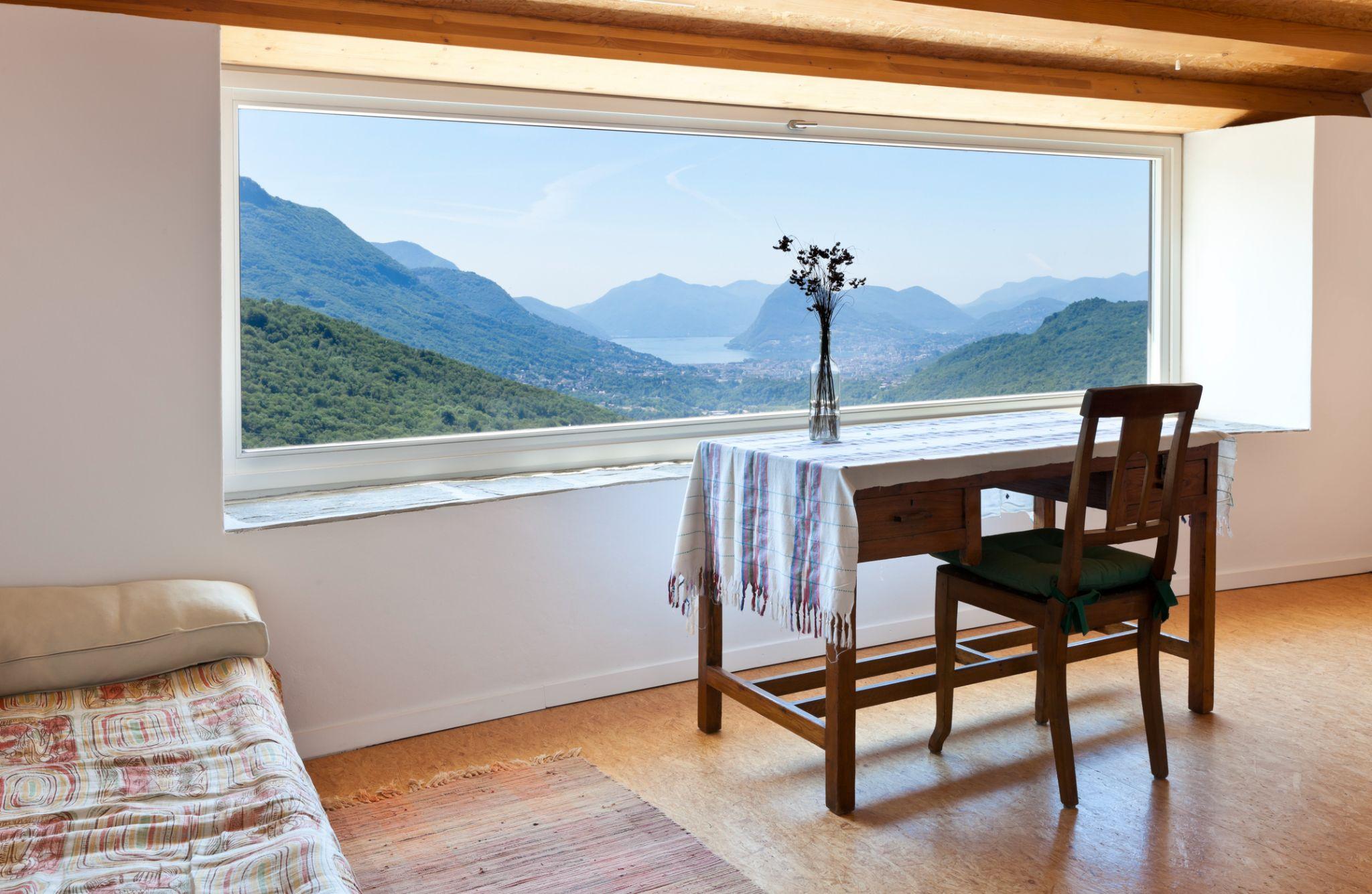
Because a picture window has no operating hardware, it avoids some of the mechanical wear associated with operable windows. Its overall service life still depends on the materials, the glass unit, the installation, and the exposure conditions. But no window lasts forever, and there are clear signs that point to replacement rather than repair. Knowing them helps you act before a minor issue becomes an uncomfortable, drafty room.
Warning signs to watch for
-
Fogging or moisture trapped between the panes usually indicates that the seal around the insulated glass unit has failed.
-
Drafts felt around the frame, suggesting the seal or the installation has broken down.
-
Visible damage, warping, or rot in the frame or surrounding trim.
-
A noticeable cold surface or persistent condensation that good humidity control does not fix.
-
An older single-pane or early double-pane unit that no longer meets your comfort or efficiency expectations.
Repair versus replacement
Minor issues around the trim or exterior sealant can sometimes be repaired. But once the sealed glass unit fogs or the frame itself is compromised, replacement is usually the sounder long-term choice. A properly selected replacement can restore a clear view, address failed seals, and improve comfort compared with the damaged unit. If you are already noticing drafts or fogging, it is worth getting an assessment rather than waiting for the next cold snap to make the decision for you.
How much does picture window replacement typically cost in Canada?
There is no single answer to the cost of replacement windows because the final amount depends on several factors. Rather than quoting a figure that may not match your home, it is more useful to understand what actually drives the price. That way, when you compare quotes, you can see why they differ and what you are paying for.
What affects cost the most?
-
Size: a larger pane costs more in both glass and handling, and very large units may need reinforced framing.
-
Glass package: double versus triple glazing, Low-E coatings, and gas fills each add to the price and to performance.
-
Frame material and finish: colour, woodgrain finishes, and custom profiles influence the cost.
-
Custom shapes: arched or non-standard units cost more than rectangular ones.
-
Installation complexity: access, wall condition, and whether the opening needs modification all matter.
Custom versus standard sizing
Simple rectangular units are generally more economical than oversized, unusually shaped, or architecturally complex windows. In replacement projects, the window is commonly sized to fit the existing opening. Custom sizes and shapes give you a made-to-fit result and can be the right call for an unusual opening or a design-forward look, but they carry a premium. Neither is inherently better; the right choice depends on your opening, your budget, and how much the exact proportions matter to you. A clear quote should break these elements out so you can see where your money is going.
What frame and glass options are available for a large fixed window in Canada?
A large fixed window can be built several ways, and the combination of frame and glazing is what tailors it to your climate and budget. Rather than comparing materials head-to-head, it helps to understand what each option brings so you can match it to your needs.
Choosing the right frame
Vinyl is a popular frame material for picture windows in Canada. It insulates well, resists moisture, and needs little upkeep, which suits homeowners who want dependable performance without an ongoing maintenance routine. Other materials such as fibreglass, wood, and hybrids each have their own strengths and appeal, and the best fit depends on your priorities for appearance, budget, and long-term care. Because a picture window is fixed, the frame's job is mainly insulation and support rather than housing moving hardware, which plays to vinyl's strengths.
Best glazing options for efficiency
Double glazing is common in modern residential windows, while triple glazing provides an additional insulating layer that may be beneficial in colder climates or rooms where comfort is a priority. Layered on top are Low-E coatings and inert gas fills, plus decorative touches such as grilles or tinting if you want them. For a picture window with a large glass area, glazing quality has an outsized effect on both comfort and efficiency, so it is worth prioritizing.
Can picture windows be combined with other window types to improve functionality?
Yes, and it is one of the most common ways homeowners get the best of both worlds. A large fixed centre unit delivers the view and the light, while operable windows on either side handle the fresh air. This kind of combination is a staple of modern window design and works across many room types.
Popular design combinations
A frequent layout places a picture window in the middle with casement or awning windows flanking it. The casement windows open to provide ventilation, while the fixed centre section preserves a broad, uninterrupted view. Another approach stacks an awning window above or below a fixed pane, which is handy where you want ventilation without sacrificing the main sightline. These combinations let you plan airflow room by room instead of forcing every window to open.
“Most of the picture window projects we design are actually combinations. We put the fixed glass where the view is and add an operable unit beside it for airflow, so the room retains a broad view and plenty of daylight while still having an operable section for ventilation. It is a simple way to solve the one real limitation of a fixed window.” Tony Wong, Project Manager at Canadian Choice Windows & Doors
Balancing airflow and views
When combining window styles, consider how much operable glass area the room needs for practical ventilation. In a living room with a strong view, most homeowners lean toward more fixed glass and just enough operable area for comfort. In a kitchen or bathroom, ventilation tends to win out. Thinking about how you use each room, rather than applying one rule everywhere, gives you a layout that feels right day to day.
What installation mistakes should homeowners avoid during a window replacement project?
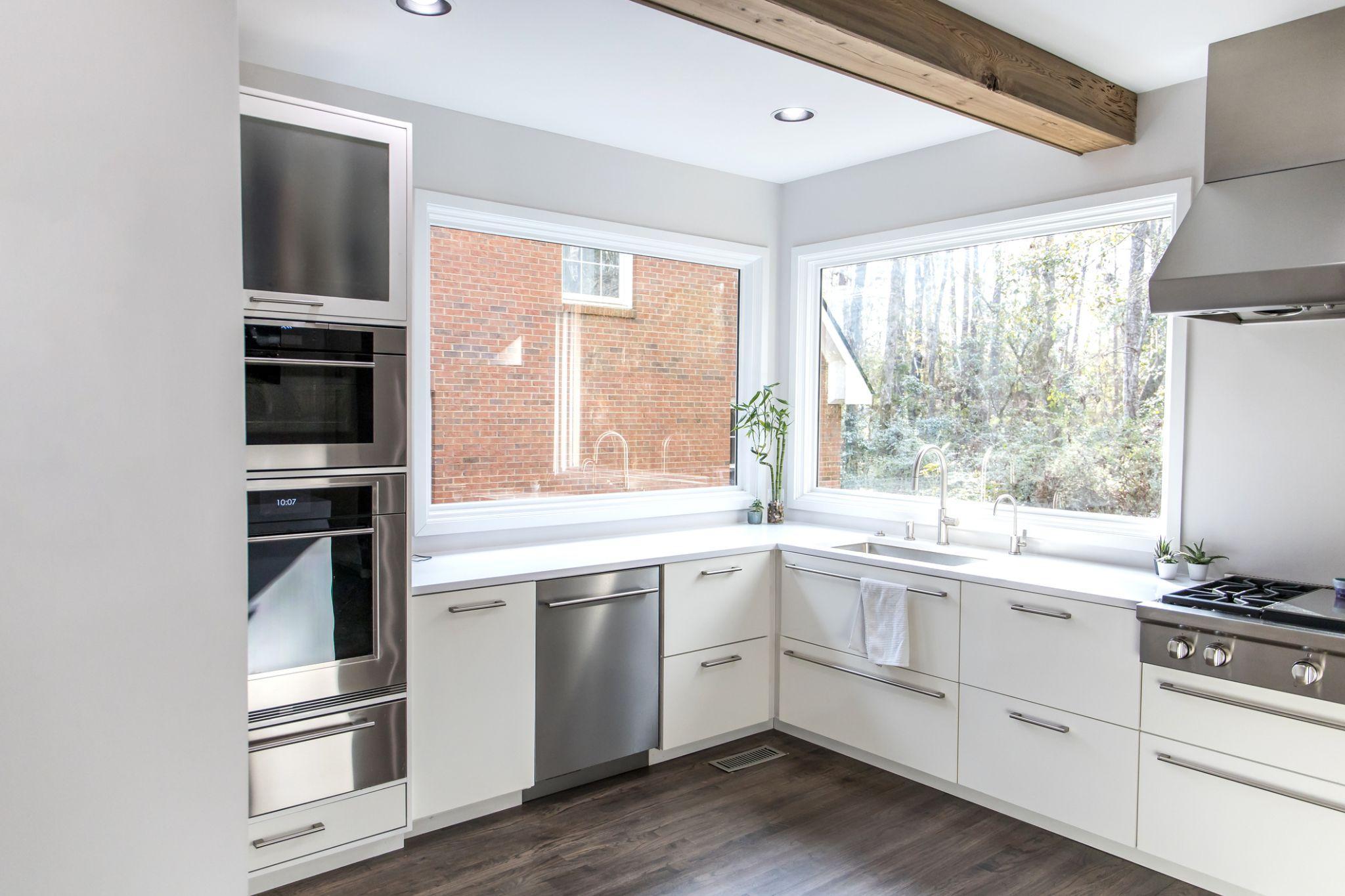
The product is only half the equation. Even a top-tier picture window will disappoint if it is installed poorly, and the mistakes tend to repeat from project to project. Knowing them helps you ask better questions and spot a careful installer from a rushed one. Good window installation services treat these details as standard practice rather than extras.
Common installation mistakes
-
Inaccurate measuring, which leaves gaps or forces an ill-fitting unit into the opening.
-
Poor or incomplete flashing, which can allow water to reach the wall assembly behind the frame.
-
Insulation gaps around the unit, which create cold spots and drafts.
-
Improper sealing undermines the airtightness that makes a fixed window efficient.
-
Choosing a product unsuited to the opening or the climate zone.
Why does installation affect energy savings
A picture window's efficiency depends as much on the seal between the unit and the wall as on the glass. If low-expansion insulating foam and proper flashing are skipped, air and moisture can enter, and the installed window may not deliver the airtightness and thermal performance indicated by its product rating. This is why hiring experienced window contractors is not a place to cut corners. When you search for a window company near me , it is worth comparing a few options: Natural Resources Canada suggests getting three quotes when you can, which gives you a realistic sense of both price and workmanship before you commit.
What Should You Compare Before Ordering a Picture Window for Your Home?
Before you sign off on an order, it pays to run through the key decisions one more time. A short checklist keeps you from overlooking something that is hard to change once the window is built. The points below cover the ground most homeowners need to settle.
Quick buyer checklist
-
Size and proportions that suit the opening and the room.
-
Placement and orientation, including sun exposure and privacy.
-
Frame material matched to your maintenance and budget preferences.
-
Glazing and coatings appropriate for your climate.
-
Energy ratings, so you can compare units on a like-for-like basis.
-
Whether nearby operable units will provide sufficient ventilation.
-
Confirmation of what installation support and warranty coverage are included in the quote.
Working through this list turns a big purchase into a series of clear, manageable choices. It also gives you a common language when you talk with a provider, so the conversation stays focused on what matters for your home.
What is the best way to conclude a picture window buying or replacement decision?
A picture window suits homeowners who want more daylight, a clear view, and a clean, low-maintenance look, and who can rely on nearby windows or doors for ventilation. The decision really comes down to matching the glass package and frame to your climate and room, choosing the right placement, and ensuring the unit is installed with care. Get those pieces right and a fixed window quietly does its job for years, keeping a room bright and comfortable with very little fuss.
If you are ready to move from research to a real plan, the next step is a conversation about your specific openings and goals. You can explore options and book a consultation through Canadian Choice Windows & Doors, where the team can help determine the right size, glass package, frame, and installation approach for your home. Ask for a detailed quote that clearly identifies the window specifications, installation scope, warranty coverage, and total project cost.
Frequently Asked Questions
Do picture windows open?
No. A picture window is a fixed, non-operable unit, which is exactly what lets it have a large, uninterrupted pane and very little hardware. If you want ventilation in the same wall, it is common to pair it with an operable window nearby.
Are picture windows energy efficient?
They can be very efficient because a fixed unit has no operating seam through which air can leak. The performance depends on the glass package and frame, and choosing an ENERGY STAR-certified model helps you compare options using a consistent standard.
Where should I put a picture window?
They work best in living rooms, stairwells, dining areas, and on any wall with a view worth framing. South- and west-facing walls collect more sun, so the glass package matters more in those spots.
Why do picture windows sometimes get condensation?
Interior condensation usually occurs when indoor humidity meets a cold surface. Keeping indoor relative humidity within a healthy range and letting warm air reach the glass reduces it, and a good glass package with a warm-edge spacer further lowers the risk.
Can a picture window be repaired, or does it need to be replaced?
Minor trim and sealant issues can sometimes be repaired. Once the sealed glass unit fogs or the frame is damaged, replacement is usually the better long-term choice because it restores both the view and the efficiency.
What frame material is best for a picture window in Canada?
Vinyl is a popular choice because it insulates well, resists moisture, and needs little upkeep. Other materials have their own strengths, so the best fit depends on your budget, look, and maintenance preferences.
Does installation really change how well the window performs?
Yes. Proper flashing, insulation, and sealing are what let a window deliver its rated performance. A quality unit installed poorly can still feel drafty, which is why experienced installation matters.
How many quotes should I get before ordering?
Getting three quotes when possible gives you a realistic sense of pricing and lets you compare what each includes, from the glass package to the installation and warranty.
1000’s of Colours & Textured Finishes
Transform your home from ordinary to extraordinary with our new coloured and non-glare textured finishes. Available in a wide array of colours as well as custom matched colours for your very own personalized design.
Our Most Popular Replacement Window Colours: