Maintenance and Repairs

Should You Open House Windows Every Day?
Clean indoor air makes your home more comfortable, supports your family’s health, and even boosts daily focus. According to CMHC, indoor air can contain up to five times more pollutants than outdoor air. Regular ventilation ensures your home feels lighter, cleaner, and more comfortable all year round.
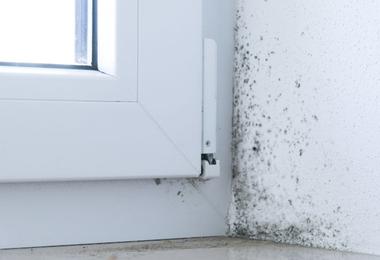
Window Mould Risks in Vancouver’s Humid Climate
Here we’ll explain what window mould is, how to remove it safely, and what actually helps prevent it from coming back. In many cases, improving ventilation is the first step to solving the problem. In situations where window performance has declined, a full replacement may also be part of the long-term solution.

Why drainage matters more for windows in Coquitlam
Drainage plays a key role in how your windows perform over time, and in a city that sees over 170 days of precipitation annually, getting it right is especially important. This guide explains how window drainage works, why Coquitlam's climate puts it under extra pressure, and what homeowners can do to stay ahead of the problem.

Why Surrey Homes Often Face Early Window Seal Failure
Surrey homeowners face unique conditions when it comes to window performance. The combination of high moisture, persistent humidity, and ongoing temperature changes places consistent stress on window seals over time. In this environment, a seal that typically lasts around 20 years in drier regions can begin to show issues sooner if the product and installation are not suited to local conditions.
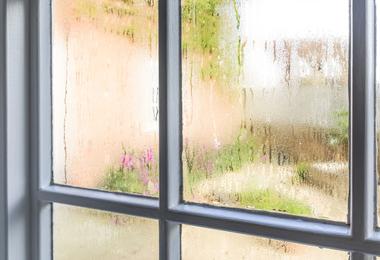
Crying Windows or How to Resolve the Condensation Issue?
The good news is that condensation problems can almost always be solved. This updated guide breaks down what’s normal, what’s not, and the most effective paths to a lasting fix — with a clear emphasis on professional diagnostics and installation quality from Canadian Choice Windows & Doors.
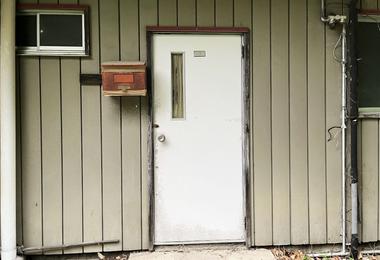
Steel Door Denting, Warping, and Rust: What’s Normal vs a Defect?
You notice it one morning, the door doesn’t shut as smoothly as it used to. A faint scrape, a spot of rust, maybe a dent you hadn’t seen before. That’s how steel door damage usually starts: quiet, gradual, and easy to miss until it affects your comfort and security.
- Maritimes 7
- Product Comparisons 30
- Buying Guides 31
- Doors Types 38
- Energy Efficiency and Sustainability 50
- Home Improvement 28
- Installation and Replacement Tips 29
- Local Guides 55
- Maintenance and Repairs 38
- Manufacturers Reviews 8
- Pricing and Financing 18
- Room-Specific Windows 17
- Safety and Security 13
- Seasonal Tips 6
- Window Styles 20
- Window Types 52
- Past Projects