Steel Door Denting, Warping, and Rust: What’s Normal vs a Defect?
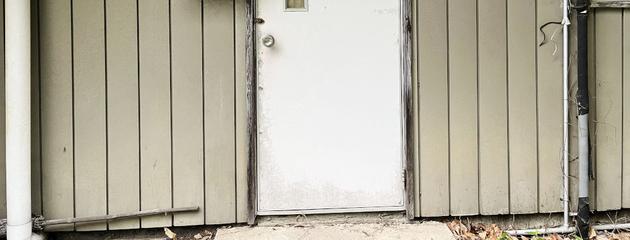

You notice it one morning, the door doesn’t shut as smoothly as it used to. A faint scrape, a spot of rust, maybe a dent you hadn’t seen before. That’s how steel door damage usually starts: quiet, gradual, and easy to miss until it affects your comfort and security.
At Canadian Choice Windows & Doors, we’ve spent decades helping homeowners recognize these signs early, before minor wear becomes costly replacements. So let’s look closely at what your door might be telling you and how to keep it performing for years.
Key Takeaways
- Dents, rust, and warping are the most common forms of steel door damage, each developing differently over time.
- Some issues are cosmetic and easily fixable; others may signal structural weakness or corrosion.
- Regular inspection from both sides of the door can reveal early signs of deterioration.
- Proper care, repainting, and lubrication can extend a steel door’s life by years.
- When in doubt, a certified installer or manufacturer representative can help determine whether damage qualifies as a defect.
What Are the Most Common Signs of Damage on Steel Doors?
At first glance, a steel door might appear almost indestructible, but like any part of your home, it faces wear over time. The most common issues homeowners encounter include denting, warping, rust, and misaligned hinges. Each of these has its own causes and symptoms.
Denting
Minor dents often occur when the door is struck by an object, such as a moving piece of furniture, a kicked ball, or even heavy hail. While shallow dents rarely affect performance, repeated impacts can create stress points in the steel panel. Over time, these points may compromise the door’s insulation and structural integrity.
Warping
Unlike wood, steel doesn’t warp from moisture, but it can warp due to heat exposure or frame misalignment. If the door is exposed to direct sunlight on one side for prolonged periods, thermal expansion can cause a subtle bend that affects how the door closes. Over time, this leads to gaps, drafts, or latch failure.
Rust
Rust is the most visible and potentially serious form of damage. Surface rust starts as small orange or brown specks, often around scratches or worn paint. If ignored, oxygen and moisture penetrate deeper, leading to internal corrosion that weakens the steel core. Studies from the National Association of Corrosion Engineers (NACE) show that even a 1-mm layer of rust can reduce metal strength by up to 20% over several years.

Hinge and Frame Problems
If your door begins to squeak, sag, or scrape against the floor, loosened or rusted hinges are likely to blame. In Canadian climates, where temperature swings can reach 60°C between winter and summer, metal expansion and contraction stresses affect hinges, screws, and frames. Lubricating hinges twice a year, especially before winter, can prevent this.
Visible signs (outside):
blistered paint, orange spotting, gaps near weatherstripping, dents, or chipped finish.
Visible signs (inside):
stiffness, creaking hinges, uneven latching, or cold air drafts.
Is Denting on a Steel Door Considered Normal Wear or a Defect?
The short answer: it depends. Not every dent signals a defect. Minor cosmetic dents from everyday use are normal, while structural dents that impact insulation or alignment are not.
Minor Cosmetic Dents
Small surface marks less than 1–2 mm deep typically fall under normal wear. They don’t affect door operation and can be repaired with automotive-grade filler and paint. Causes include:
- Accidental impact (e.g., kids' toys or tools)
- Pressure from furniture or delivery items
- Mild hail or windborne debris
Structural Flaws
Larger dents, especially those that distort the panel or affect the door’s seal, could be a manufacturing defect or installation issue. They may compromise the door’s insulating foam core or frame connection. According to Energy Star’s building envelope guide , even a 2-mm misalignment can reduce a steel door’s thermal performance by up to 15%.
Expert Insight
“We encourage homeowners not to ignore visible indentations that appear near the lockset or hinges,” explains Helen Sin, Consumer Success Manager at Canadian Choice Windows & Doors. “They may seem harmless, but repeated stress in those areas can signal deeper structural fatigue.”
Denting on Steel Doors
| Type of Dent | Likely Cause | Severity | Recommended Action |
|---|---|---|---|
| Shallow surface dent | Impact or minor pressure | Cosmetic | Fill and repaint |
| Deep dent near hinge or lock | Repeated use or strong impact | Moderate | Inspect for misalignment |
| Distorted panel or insulation bulge | Manufacturing or installation issue | Severe | Contact manufacturer |
Tony Wong, Project Manager , adds: “We see a lot of doors that were installed without enough frame reinforcement. Over time, that small oversight shows up as warping or dent stress, which looks like damage, but can actually be poor installation.”
How Can You Tell If Rust on a Steel Door Is Cosmetic or Serious?
Rust is one of the clearest indicators that your steel door needs attention. But not all rust is equal, and understanding the difference can save you from unnecessary replacement.
Surface Rust (Cosmetic)
Surface rust is confined to the outer paint layer or primer. It appears as small discoloured patches that can be sanded, treated with a rust converter, and repainted. Homeowners who inspect their doors twice a year can typically manage this themselves.
Internal Corrosion (Structural)
Internal corrosion forms when rust penetrates the steel skin and reaches the insulation or frame. The door might feel slightly spongy, or you might notice blistering paint and swelling around the edges. In cold climates, trapped moisture freezes and expands, worsening the internal damage.
Prevention and Maintenance
- Repaint every 5–7 years using rust-resistant exterior paint.
- Inspect weatherstripping to prevent moisture intrusion.
- Clean salt residue in winter (especially in coastal or high-humidity regions).
- Keep hinges lubricated with silicone-based oil.
Example Comparison
| Type | Appearance | Depth | Risk Level | Action |
|---|---|---|---|---|
| Surface Rust | Light orange specks | Paint layer only | Low | Sand and repaint |
| Edge Rust | Blistering or flaking | Up to 1 mm | Moderate | Sand, treat with primer, monitor |
| Internal Corrosion | Swelling, bubbling, or soft spots | Beyond surface | High | Replace or professionally restore |
Rust left untreated doesn’t just look bad, it eats through steel and foam, weakening your door’s energy efficiency and security. A quick annual inspection can prevent costly replacements.
What Causes Steel Doors to Warp and Is It Preventable?
It’s easy to assume steel can’t warp, but it can, and when it does, the issue is rarely visible until the door stops closing properly. Warping in steel doors typically stems from three main causes: environmental stress, improper installation, and internal core defects.
Environmental Stress
In extreme climates, temperature swings and moisture levels vary drastically between interior and exterior surfaces. When one side of a steel door absorbs more heat (for example, direct sunlight), the metal expands unevenly. This differential heating causes a slight bowing effect known as thermal distortion.
High humidity also plays a role, particularly when condensation forms along the door seams or between panels. Moisture seeps into unsealed edges, weakening the bond between steel skins and the polyurethane core.
Improper Installation
Improper frame alignment is another leading cause. When the door frame isn’t plumb or shimmed evenly, closing pressure becomes unbalanced. Over time, this strain is transferred to the steel face, leading to warping. Installation issues are more common in older homes where existing frames have shifted or settled.
Tony Wong, Project Manager at Canadian Choice Windows & Doors, notes: “We often find that what homeowners call ‘warping’ is actually frame compression or hinge misalignment. A well-installed door, even in extreme climates, should hold shape for decades.”
Internal Core Defects
Every steel door has an insulating core, typically polyurethane or polystyrene, bonded to its metal skin. If this bond weakens due to manufacturing flaws or temperature cycling, the door may bow inward or outward. Once that bond breaks, the warping can’t be reversed.
Prevention Tips:
- Choose light-coloured or UV-resistant finishes to reduce heat absorption.
- Ensure professional installation with proper shimming and frame sealing.
- Apply weather-resistant sealant to the bottom edges and around the glass inserts.
- Avoid painting dark colours on south-facing doors unless they have a heat-reflective topcoat.
How Do Steel and Fibreglass Doors Compare for Long-Term Durability?
Choosing between steel and fibreglass doors depends on climate exposure, budget, and long-term performance expectations. While both materials provide solid insulation and security, Steel doors are often chosen for durability and security in many Canadian climates, especially when air sealing and installation quality are strong, particularly where temperature swings, wind loads, and long-term structural reliability are critical.
Steel Doors
Steel doors are a common choice for durability, security, and value in Canadian conditions. for durability, security, and value in Canadian conditions. Their reinforced construction provides excellent resistance to forced entry, and modern insulated steel doors perform exceptionally well in cold and variable climates. With proper installation and sealing, steel doors maintain stable performance through freeze–thaw cycles and extreme winter temperatures.
While surface dents or corrosion can occur if protective coatings are damaged, these risks are easily managed through routine maintenance. Periodic cleaning, hinge lubrication, and repainting every 5–7 years are typically sufficient. When properly maintained, a steel entry door typically lasts 25–30 years, often longer in non-coastal environments.
Fibreglass Doors
Fibreglass doors are best suited for specific high-moisture or coastal conditions, where salt air and persistent humidity accelerate corrosion in metal products. They resist rust and warping and can visually mimic wood finishes. Fibreglass doors resist rust and can be a strong option for coastal or high-humidity areas. Performance varies by product design and quality, so compare warranty terms and tested ratings.
As a result, fibreglass is often considered a situational upgrade, rather than the default choice for most Canadian homes.
“While fibreglass performs well in humid environments, steel doors consistently deliver the best long-term structural performance across most Canadian climates,” says Helen Sin, Consumer Success Manager at Canadian Choice Windows & Doors . “When paired with an insulated core and professional weatherproofing, steel doors offer superior durability, security, and value over time.”
Steel vs. Fibreglass Doors
| Feature | Steel Door | Fibreglass Door |
|---|---|---|
| Durability | Excellent impact resistance; corrosion is manageable with maintenance | Resistant to rust; may crack under extreme cold |
| Insulation (R-Value) | 5–6 (polyurethane core) | 6–7 (foam-filled core) |
| Maintenance | Low; repaint every 5–7 years | Very low; occasional cleaning |
| Lifespan | 25–30+ years with maintenance | 30–40 years in mild climates |
| Best Climate | Cold, dry, or variable Canadian climates | Humid or coastal environments |
| Average Installed Cost | $1,000–$2,000 | $1,500–$2,500 |
For technical and building science guidance, consult the National Research Council of Canada – Building Envelope Performance resources, which emphasize material suitability, air sealing, and climate-specific durability as key factors in exterior door performance.
What Kind of Warranty Should a Steel Door Include Against Defects?
A strong warranty is more than peace of mind; it’s proof of manufacturing integrity. Most Canadian manufacturers offer 10- to 20-year warranties on steel doors, but coverage details vary significantly.
Typical Warranty Coverage
- Structural/Core Integrity: Covers separation of the steel skin from the foam core (usually 10–20 years).
- Frame and Hinges: Coverage for frame warping or detachment (typically 10 years).
- Paint/Finish: 5–10 years for cracking, peeling, or fading under normal exposure.
- Rust-Through: Often a lifetime or 20-year limited warranty when paint and maintenance schedules are followed.
Example Warranty Clauses
Example 1
– Novatech Doors:
“The steel door slab and frame are warranted for 20 years against rust-through and structural failure under normal residential conditions.”
Example 2
– Masonite Canada:
“Paint finish warranted for 10 years from peeling, blistering, or excessive fading when applied in accordance with our instructions.”
Example 3
– MasterGrain:
“Lifetime limited warranty on door core and frame against manufacturing defects, excluding damage from misuse, impact, or improper installation.”
When reviewing a door warranty, always confirm these elements:
- Length of coverage for rust-through and paint finish
- Inclusion of both the door slab and frame
- Terms for transferability (if selling your home)
- Requirement for professional installation
Expert Tip: Keep receipts and photos of the installation. Many manufacturers require proof of professional fitting to honour the warranty.
How Do You Identify Poor Installation vs. Defective Door Materials?
It’s a common frustration: a new steel door that won’t close properly or drags against the frame. But is that poor installation or a factory defect? Understanding the difference saves homeowners both warranty hassles and unnecessary replacements.
Indicators of Poor Installation
Poor installation typically becomes apparent within weeks or months. Misaligned hinges, uneven spacing, or sticking latches are the first signs. The door itself is structurally sound, but the frame or hardware wasn’t set correctly.
Typical symptoms include
- Door rubs or scrapes along one edge.
- Latch doesn’t engage smoothly.
- Uneven spacing between door and frame (wide at top, tight at bottom).
- The door binds during seasonal temperature shifts.
A simple check is to observe whether the door drifts open or closed on its own. If it does, the hinges or frame may need adjustment, especially if latching also feels inconsistent.
Indicators of Material Defects
Material defects are rarer and appear gradually. The steel may develop internal stress, delamination, or uneven expansion. Even after realignment, the door may continue to bow or resist proper closure.
Common defect indicators:
- Visible distortion or “oil-canning” in the steel surface.
- Warping across the entire panel, not just along edges.
- Persistent rusting despite repainting.
- The door flexes or feels soft when pressed.
Installation vs. Material Defect
| Symptom | Likely Cause | Severity | Fix |
|---|---|---|---|
| Uneven gaps between the frame and the door | Poor installation | Moderate | Adjust hinges and frame |
| The door won’t latch smoothly | Misaligned hardware | Moderate | Realign the strike plate |
| Panel distortion or bowing | Material defect | Severe | Contact manufacturer |
| Repeated rust or bubbling paint | Core moisture issue | Severe | Replace the door or claim the warranty |
Should I Replace My Steel Door If It Shows Repeated Rusting or Warping?
Sometimes repairs aren’t enough. When rust or warping recurs, replacement can save money in the long term.
When Replacement Makes Sense
- Recurring Rust: If corrosion reappears within a year of sanding or repainting, internal steel layers may already be compromised.
- Structural Warping: When the door doesn’t sit flush, even after frame adjustment, internal insulation, or steel skin has likely detached.
- Energy Efficiency Loss: Warped doors compromise weather seals, allowing heat to escape. This can raise winter heating costs by up to 10%, according to the Natural Resources Canada Energy Efficiency Report (2025).
- Security Concerns: A bent or corroded lock area can compromise the door's integrity, reducing resistance to forced entry.
Environmental Fit
Homeowners in coastal or high-humidity regions, such as Atlantic Canada or the Pacific Coast, experience accelerated corrosion. A fibreglass or aluminum-clad steel door might be a smarter long-term investment. Inland regions with dry winters tend to preserve steel better.
How Long Do Quality Steel Doors Typically Last in Canadian Weather?
The lifespan of a steel door in Canada depends on regional climate, maintenance habits, and exposure. In general, a high-quality insulated steel door lasts 25–35 years, though this can vary.
Regional Lifespan Breakdown
| Region | Primary Environmental Stress | Average Lifespan |
|---|---|---|
| Prairies (Alberta, Saskatchewan) | Temperature swings, dry cold | 30–35 years |
| Ontario & Quebec | Snow, salt exposure, humidity | 25–30 years |
| British Columbia (Coastal) | High humidity, salt air | 20–25 years |
| Atlantic Canada | Heavy salt and moisture | 20–25 years |
| Northern Territories | Extreme cold, minimal salt | 30+ years |
Maintenance to Extend Door Life
- Wash twice a year with mild detergent to remove salt.
- Repaint or recoat every 5–7 years with UV-resistant paint.
- Lubricate hinges and locks annually.
- Replace worn weatherstripping to prevent moisture intrusion.
Tony Wong adds: “A door’s lifespan isn’t fixed; it’s maintained. We’ve seen 30-year-old steel doors in perfect shape simply because they were cleaned and repainted regularly.”
What Professionals Specialize in Metal or Steel Door Repairs Near Me?
Steel door repairs require precision; Some repairs can be handled by homeowners, but frame warping, core separation, or security-related issues are best assessed by a qualified professional. A warped frame or compromised core can affect insulation and security, making professional expertise essential.
Where to Start
Begin by searching for certified installers and door specialists through trusted directories such as the Canadian Home Builders’ Association (CHBA), HomeStars, or Better Business Bureau Canada. Look for professionals specializing in metal or steel door systems, not just general carpentry.
Credentials to Look For
- Manufacturer Certification – Technicians trained by brands such as Novatech, Masonite, or MasterGrain ensure work meets product specifications.
- Insurance & Licensing – Verify liability coverage and provincial licensing (especially in Ontario, Quebec, and Alberta).
- Experience With Insulated Steel Systems – Skilled tradespeople understand core bonding, frame anchoring, and compression alignment.
- Warranty-Approved Service – Repairs done by unauthorized contractors may void manufacturer warranties.
Tip: Request before-and-after photos of previous steel door repairs and references from local clients.
Call-to-Action
Need professional guidance? Canadian Choice Windows & Doors offers licensed inspection and repair services across all major regions of Canada. Our experts assess whether your door can be repaired or if replacement is the smarter investment.
Book a door inspection with Canadian Choice Windows & Doors to confirm whether repair or replacement is the best next step
Book a FREE Consultation Get a FREE Quote
Repair or Replace Your Steel Door?
Deciding between repair and replacement depends on the age, severity of damage, and total cost of upkeep. Here’s how to break it down.
Factors to Consider
- Age of Door: Most steel doors last 25–35 years; older models often lack the modern insulation or corrosion protection found today.
- Damage Severity: Minor dents and surface rust are repairable, but repeated corrosion or warping suggests deeper structural issues.
- Cost Comparison: If repairs exceed 40% of replacement cost or must be done annually, replacement is typically more economical.
- Energy Efficiency: A new insulated steel door can reduce energy loss by 15–20%, based on Natural Resources Canada data (2025).
Repair vs. Replacement: Pros and Cons
| Option | Pros | Cons | Best For |
|---|---|---|---|
| Repair | Low upfront cost; preserves existing frame; quick turnaround | May not address hidden rust; limited warranty coverage | Cosmetic damage, new doors under warranty |
| Replacement | Restores full efficiency, modern security hardware, and a fresh warranty | Higher upfront cost; requires professional install | Repeated rusting, warped panels, and older doors (>20 years) |
Expert Recommendation
- Repair minor surface issues if the door is under 10 years old and structurally sound.
- Replace if warping or rusting recurs despite maintenance, or if energy efficiency has noticeably declined.
FAQ
1. Can a warped steel door be repaired?
Yes. Minor warping from frame pressure or temperature changes can usually be adjusted by rehanging or tightening the hinges. Severe warping caused by core separation often requires replacement.
2. How do I prevent rust on my steel door?
Clean the door twice a year, remove salt build-up, and repaint every 5–7 years using rust-resistant exterior paint. For coastal homes, choose powder-coated or galvanized models.
3. When should I replace a steel door?
If rust keeps returning, the door no longer closes evenly, or energy bills rise due to air leaks, it’s time to replace the door. A new insulated door can improve air sealing and comfort, potentially reducing winter heating demand, depending on the home and the existing door condition.
4. How long does a steel door last in Canada?
On average,e 25–35 years, depending on climate and upkeep. Regular maintenance, cleaning, repainting, and sealing edges significantly extends its lifespan.
5. Who can repair a steel door near me?
Look for certified installers listed with the Canadian Home Builders’ Association or book a licensed specialist through Canadian Choice Windows & Doors.

1000’s of Colours & Textured Finishes
Transform your home from ordinary to extraordinary with our new coloured and non-glare textured finishes. Available in a wide array of colours as well as custom matched colours for your very own personalized design.
Our Most Popular Replacement Window Colours: