Why drainage matters more for windows in Coquitlam


Most Coquitlam homeowners know that a leaking window is a problem. Fewer realize that the leak often starts long before water appears on the windowsill or wall. The real risk begins inside the frame, where blocked or poorly designed drainage allows moisture to accumulate and slowly migrate deeper into the structure over months or even years. Drainage plays a key role in how your windows perform over time, and in a city that sees over 170 days of precipitation annually, getting it right is especially important. This guide explains how window drainage works, why Coquitlam's climate puts it under extra pressure, and what homeowners can do to stay ahead of the problem.
Key takeaways
- Weep holes are essential drainage components that allow water to exit the window frame before it can cause internal damage.
- Even minor blockages can lead to water buildup inside the frame, increasing the risk of seal failure, mould growth, and structural deterioration.
- Coquitlam’s high rainfall, humidity, and exposure to debris significantly increase the importance of proper window drainage and regular maintenance.
- Early warning signs, such as standing water, staining, or musty odours, can indicate compromised drainage and should not be ignored.
- Regular inspection and cleaning of weep holes (at least twice per year) is a simple and effective way to prevent costly damage.
- Modern window systems offer improved drainage design, but proper installation and ongoing maintenance remain critical for long-term performance.
What are window weep holes and how do they work?
Weep holes are small openings, usually rectangular or oval, located along the outer base of a window frame's sill track. They work simply by allowing water to drain from the frame.
When rain hits a window or condensation forms on the interior track, water collects in the drainage channel at the base of the frame. A correctly designed sill slopes slightly toward the exterior, guiding water to the weep holes, where it exits and runs down the outside of the wall. On a well-functioning window, this process happens continuously and invisibly during every rainstorm.
How water moves through a window frame
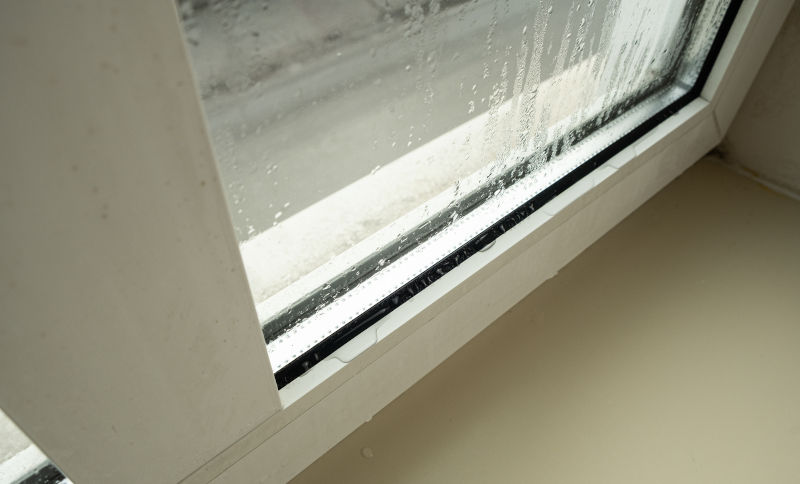
Understanding this internal path helps clarify why weep holes matter so much. Here is how water typically travels:
- Rain or condensation collects in the outer track or drainage channel at the bottom of the frame.
- The sloped sill directs water toward the weep holes at each end of the frame base.
- Water exits through the weep holes and drains away on the exterior wall surface.
- The frame returns to a dry state, preventing moisture from being trapped against the wall assembly.
According to the Warren Forensics technical review of window drainage systems , written by a design engineer with 12 years of experience in the fenestration industry, even minor blockages can cause water to stagnate below the sash or glazing unit, substantially reducing the life of the sealed glass unit and creating conditions for structural damage.

On vinyl windows in Coquitlam , weep holes are typically integrated directly into the frame's extrusion during manufacturing, making them a structural feature rather than an add-on. This keeps them consistently positioned and reliably functional throughout the window's life.
Why are weep holes in windows essential for drainage systems?
Weep holes are easy to overlook because they're small and work without any visible effort. But the moment they stop functioning, the consequences can build up quickly without obvious signs.
From a building science standpoint, weep holes perform three essential functions in a window drainage system:
- They prevent pressure from trapped water (hydrostatic pressure) from building up inside the frame track, which would otherwise force water through seals and into the glazing unit.
- They allow moisture that bypasses the outer seal during wind-driven rain to exit harmlessly, rather than migrating toward the interior.
- They keep the drainage channel clear of standing water, which is the primary condition for mould development and insect nesting.
Modern windows also use weep holes as part of a pressure-equalization strategy. The cavity between the inner and outer seals is intentionally vented through the weep holes, which allows air pressure on both sides of the frame to balance. This reduces the driving force that pushes wind-driven rain through seals during storms. Without functioning weep holes, that pressure differential works against the window's seals every time there's a strong gust.
“From our experience working with homeowners in Coquitlam, condensation or occasional water marks around windows are often linked to something as simple as blocked weep holes. It’s a small, often overlooked part of the window, yet it plays an important role in proper drainage — especially in a damp climate. When water can’t drain as intended, it can gradually affect other components over time.” — Helen Sin, Consumer Success Manager at Canadian Choice Windows & Doors
How does Coquitlam's climate increase the need for proper window drainage?
Coquitlam sits at the base of the Coast Mountains in Metro Vancouver, a geographic position that channels moisture-laden Pacific weather systems directly into the region. According to Weather Atlas climate data for Coquitlam , the city receives approximately 1,631 mm of total annual precipitation, spread across roughly 170 rain days per year. November alone brings an average of 252 mm of rainfall over more than 20 days.
For context, that's sustained exposure to wet conditions for the better part of six months. And it's not just the volume that matters: it's the pattern.
What makes Coquitlam's rainfall particularly demanding on windows
- Wind-driven rain: Pacific storms moving inland push rain horizontally against window frames at pressures that standard vertical rainfall never creates. This drives water into frame joints and tracks far more aggressively.
- Extended wetting without drying: Coquitlam frequently experiences multi-day rain events where windows never get a chance to dry out between storms. Sustained wetness accelerates seal wear and promotes drainage system blockages.
- High relative humidity: Average relative humidity during winter months regularly exceeds 85 to 88 percent. Even on dry days, ambient moisture keeps window tracks damp and slows natural drying inside the frame.
- Autumn leaf debris: Falling leaves in October and November coincide directly with the onset of heavy rain, meaning debris accumulation peaks when drainage systems are under increased strain.
Seasonal drainage demands in Coquitlam
- Autumn (September to November): Leaf debris and early rain events create the highest risk of weep hole blockage, just as precipitation intensity begins to increase. The most important inspection of the year should happen in late September.
- Winter (December to February): Sustained heavy rain and strong Pacific storms create the highest cumulative moisture load on window frames. Rare freeze events can temporarily ice over weep hole openings.
- Spring (March to May): Snowmelt from the Coast Mountains keeps ambient moisture elevated even during dry spells. Spring is the right time for a post-winter inspection and cleaning.
- Summer (June to August): The driest season in Coquitlam, but condensation from indoor-outdoor temperature differences can still produce moisture inside frames, particularly in homes with air conditioning.
For homeowners considering replacement windows in Coquitlam , the stability of vinyl framing in wet conditions is a practical advantage for this region. Vinyl does not absorb moisture the way some other materials can, which helps keep the frame dimensionally stable and weep holes properly aligned even through prolonged wet seasons.
What happens if the window drain holes become blocked or clogged?
A clogged weep hole often shows no clear early warning signs. The damage develops gradually and often invisibly until it reaches a stage where repair costs are high.
The chain of damage from blocked drainage
- Standing water backs up in the frame track. When water cannot exit, it accumulates in the drainage channel and sits against the inner frame seal. Over time, constant exposure degrades the seal compound and can allow moisture to enter the sealed glass unit.
- Water infiltrates the rough opening. Once water breaches the frame, it contacts the wood framing and sheathing surrounding the window opening. This is where structural decay begins.
- Mould can begin to develop on damp materials within about 48 hours. According to Health Canada's guide to addressing moisture and mould in homes , mould will begin to grow in an area with excessive moisture within 48 hours. Exposure to indoor mould is associated with an increased prevalence of asthma-related symptoms, including chronic wheezing and respiratory irritation.
- Frame rot spreads through the rough opening. Persistent moisture reaching wood structural framing causes rot that can spread well beyond the window opening, leading to repairs that far exceed the cost of the window itself.
- Window failure requires full replacement. A window that has experienced chronic water infiltration will fail its sealed glazing units, lose weatherstripping performance, and may shift in its opening as the surrounding framing deteriorates.
Warning signs of blocked or failing weep holes
These are the most reliable early indicators that drainage may be compromised:
- Water pooling on the window sill or sitting in the bottom track after rain
- Discolouration, staining, or vertical streaking on the exterior wall directly below the window
- Paint peeling or bubbling on interior drywall near window frames
- A persistent musty smell near windows, especially after rainy periods
- Visible condensation or fogging between the glass panes, which indicates seal failure and moisture inside the glazing unit
"When we do assessments for new installations in the Coquitlam area, we frequently find that the rough opening around the old window has taken on moisture damage that the homeowner wasn't aware of. In most cases, the weep holes had been blocked for years. Addressing drainage isn't just about the window: it protects everything around it." — Tony Wong, Project Manager at Canadian Choice Windows & Doors
How can homeowners identify problems with window weep holes early?
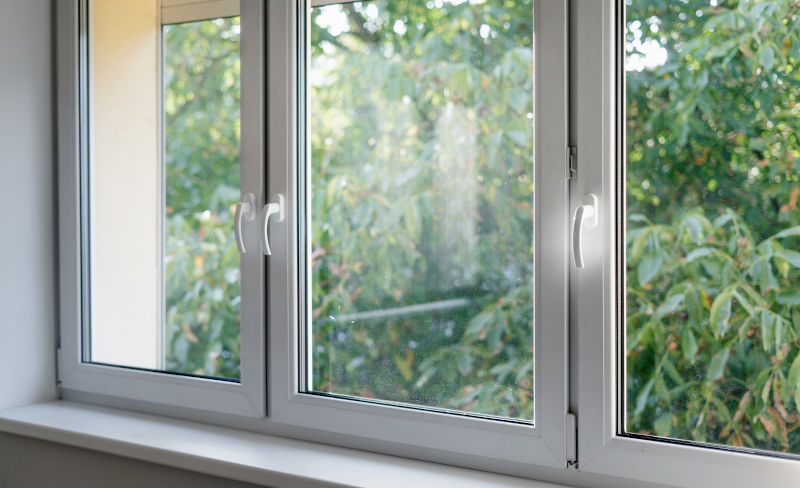
Catching a drainage problem early is the difference between a five-minute cleaning job and a wall repair that costs thousands of dollars. Most weep hole issues can be prevented with regular maintenance if homeowners know what to look for and inspect regularly.
Window drainage inspection checklist
Use this checklist as part of a seasonal inspection, ideally in late September before heavy autumn rains, and again in April after winter is over.
| What to check | What to look for | Action if found |
|---|---|---|
| Weep hole openings (exterior) | Debris, insect nests, paint overspray, visible blockage | Clear with a thin wire or pipe cleaner; rinse with water |
| Bottom track (interior) | Standing water, discolouration, sediment buildup | Clean track thoroughly and dry completely |
| Interior sill and wall | Staining, bubbling paint, soft drywall | Investigate the moisture source; consult a professional |
| Exterior wall below the window | Vertical streaking, white mineral deposits, and mould staining | Clean and monitor; check that water drains away from the foundation |
| Glass unit | Fogging or condensation between panes | Seal failure; unit likely requires replacement |
| Weatherstripping | Cracks, gaps, compression loss | Replace the weatherstripping to restore the primary moisture barrier |
| Frame corners (exterior) | Gaps, caulking failure, visible separation | Recaulk with exterior-grade sealant rated for British Columbia's climate conditions |
Testing weep holes without going outside
You can test the drainage function directly from inside the home. Open the window and pour about 125 millilitres of water into the bottom track. Watch for it to exit through the weep holes within 30 to 60 seconds. If water backs up toward the interior or simply sits in the track, the drainage system needs attention.
If you've recently had replacement windows installed in Coquitlam , ask that this test be performed during the installation walkthrough to confirm that drainage is functioning before the team leaves.
What types of window drainage systems are commonly used today?
Window drainage technology has improved significantly over the past 25 years, driven in large part by building performance issues documented in British Columbia's coastal climate during the 1990s. Older windows often relied on simple open slots at the base of the frame, which worked adequately in dry climates but were prone to blockage and wind-driven water ingress in wet regions.
Modern windows built to the CSA A440.4 Window, Door and Skylight Installation Standard incorporate multi-layered drainage systems with specific requirements for water resistance, pressure performance, and installation integrity. The standard has been updated through multiple editions to reflect evolving installation practices and the performance challenges of high-exposure Canadian climates.
| Feature | Older drainage systems (pre-2000) | Modern drainage systems |
|---|---|---|
| Weep hole design | Simple open slots, typically unprotected | Slotted openings with integrated baffles or covers to deflect wind-driven water entry while allowing drainage |
| Drainage channel depth | Shallow, single-plane channels | Deeper multi-level channels that collect and redirect higher water volumes |
| Number of drainage points per sill | Often one or two | Multiple weep holes evenly spaced along the sill for redundancy |
| Pressure equalisation | Not typically integrated | Weep holes are designed to vent as well as drain, equalizing pressure across the frame cavity |
| Debris resistance | Open slots trap debris quickly | Baffled covers slow the rate of debris accumulation between cleanings |
| Maintenance interval | Requires more frequent clearing | Longer intervals between maintenance due to improved design |
| Performance in wind-driven rain | Susceptible to water ingress through open weep holes | Baffle design deflects wind-driven water while still permitting drainage |
Even the best modern drainage system still requires regular maintenance. Design improvements extend the interval between cleanings and reduce the likelihood of failure, but they don't eliminate the need for seasonal inspection.
When speaking with a windows company about new or replacement units, it's worth asking specifically about the drainage system design, the number of weep points per sill, and whether the product includes baffle covers. These details make a measurable difference in performance over time, particularly in Coquitlam's wet climate.
How often should you clean and maintain window weep holes?
The right maintenance frequency depends on your home's specific environment, but for most Coquitlam homeowners, a minimum of twice per year is the baseline, with additional checks after particularly severe storms.
For most homeowners, it’s recommended to inspect and clean window weep holes at least twice a year—typically in the spring and fall. However, if your home is located in an area with heavy rainfall or surrounded by mature trees, more frequent maintenance may be necessary to prevent blockages and ensure proper drainage.
Step-by-step weep hole maintenance guide
What you'll need:
- A thin wire, pipe cleaner, or wooden toothpick
- A soft brush or old toothbrush
- A small amount of diluted white vinegar or mild soapy water
- A spray bottle or cup of clean water for rinsing
Step 1: Inspect the exterior weep holes.
From outside, look along the bottom of the window frame. Locate the weep-hole openings, typically two to four per window, depending on the frame width. Check for visible debris, paint overspray, insect nesting material, or any other obstruction.
Step 2: Clear any blockages.
Use a thin wire or pipe cleaner to gently probe and dislodge debris from each weep hole. Work the tool in and out slowly. Don't use anything that could widen or damage the opening.
Step 3: Clean the bottom track from the interior.
Open the window and use a soft brush to sweep the interior bottom track clear of dust, dirt, and debris. Wipe it down with a damp cloth. For stubborn buildup, apply a small amount of diluted white vinegar and let it sit for a few minutes before wiping clean.
Step 4: Test drainage function.
Pour approximately 125 ml of water into the bottom track. It should drain completely through the weep holes within 30 to 60 seconds. If it doesn't, repeat the clearing process.
Step 5: Inspect the surrounding frame and sill.
Check the exterior caulking around the frame for cracking, gaps, or separation. Touch up any areas with a quality exterior-grade sealant. Confirm that weep hole covers or baffles are intact if your windows have them.
Step 6: Note findings and schedule the next inspection.
Record the date and any issues you found. Schedule the next inspection for six months out, or sooner if you're heading into Coquitlam's autumn rain season in early October.
When to call in a professional
Some situations go beyond weep hole cleaning. Contact a qualified windows company or building envelope specialist if you find:
- Soft or stained drywall adjacent to a window frame
- A persistent musty smell near windows, even after cleaning the tracks
- Condensation or fogging inside sealed glass units
- Visible gaps between the window frame and rough opening that caulking alone won't address
If your windows are also drafty, difficult to operate, or showing other signs of age, it may be time to speak with a local window professional about replacement options. Modern window systems with integrated drainage are designed to better handle British Columbia's wet climate compared to older systems.
The bottom line for Coquitlam homeowners
Window drainage isn't a topic that comes up at dinner, but in a city that sees over 170 rainy days a year, it's one of the most practically important aspects of home maintenance. Weep holes are small, unassuming features that protect your walls, insulation, and framing from the persistent moisture that Coquitlam's climate brings season after season.
The good news is that preventive maintenance is simple and inexpensive. A twice-yearly inspection and cleaning takes less than 20 minutes per window and costs nothing but a few minutes of time. Keeping drainage clear extends the life of your windows, protects the surrounding wall assembly, and saves you from costly surprises, including mould remediation and structural repairs.
Frequently Asked Questions
What are the most common causes of blocked weep holes?
The most common causes include dirt, dust, insect nests, paint overspray from renovations, and seasonal debris such as leaves. Homes located near trees or in high-rainfall regions are especially prone to faster buildup.
Can blocked weep holes cause window leaks even if seals are intact?
Yes. Even with properly functioning seals, trapped water inside the frame creates pressure, forcing moisture into areas it shouldn’t reach. Over time, this can mimic or lead to actual seal failure.
Is condensation inside the window always related to drainage issues?
Not always. Interior condensation can be caused by high indoor humidity. However, persistent moisture inside the frame or between panes is often linked to poor drainage or seal failure.
How quickly can damage occur if drainage is not working properly?
Damage can begin within days in damp conditions. Mould can develop within 48 hours, while long-term structural damage may take months or years to become visible.
Are weep holes supposed to let air in, or only water out?
They serve both purposes. In modern window systems, weep holes also help equalize pressure inside the frame, reducing the force of wind-driven rain against seals.
Can I clean weep holes from inside the house?
Partially. You can clean the interior track and test drainage, but a full inspection and proper cleaning of weep-hole openings usually require access from the outside.
Do newer windows eliminate the need for maintenance?
No. While modern designs improve drainage efficiency and reduce the likelihood of clogging, regular inspection and cleaning are still essential for reliable long-term performance.
When should I consider replacing windows instead of maintaining them?
If you notice recurring moisture issues, fogging between panes, frame deformation, or damage to surrounding walls, maintenance alone may no longer be sufficient, and replacement may be the more cost-effective solution.

1000’s of Colours & Textured Finishes
Transform your home from ordinary to extraordinary with our new coloured and non-glare textured finishes. Available in a wide array of colours as well as custom matched colours for your very own personalized design.
Our Most Popular Replacement Window Colours: