Window Mould Risks in Vancouver’s Humid Climate
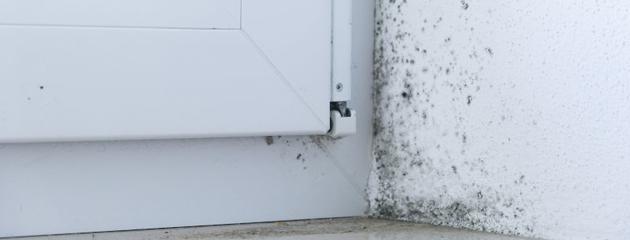

Window mould is one of the most common and recurring problems in Vancouver homes. It's also one of the most misunderstood: most people try to clean it without addressing the underlying cause, and it comes back within weeks.
Here we’ll explain what window mould is, how to remove it safely, and what actually helps prevent it from coming back. In many cases, improving ventilation is the first step to solving the problem. In situations where window performance has declined, a full replacement may also be part of the long-term solution.
Before we get into how to remove it and prevent it from growing again, let's look at what it actually is.
Key takeaways
- Window mould is caused by excess moisture, not the windows themselves. Poor ventilation and condensation are the main contributors.
- Cleaning alone won’t solve the problem. If moisture levels aren’t addressed, mould will return quickly.
- Older wood frames are especially vulnerable. Moisture and mould can get trapped in cracks and joints, making it harder to fully remove.
- New, airtight windows reduce air leakage, which can make existing ventilation issues more noticeable if indoor humidity is not properly managed.
- Prevention comes down to ventilation, moisture control, and keeping surfaces dry. These are the most effective long-term solutions.
What is window mould?
Mould is a fungus that grows wherever moisture is consistently present. Around windows, it typically shows up on the sill, at the bottom corners of the frame, and along the glass edge, all places where condensation tends to collect.
A few things worth knowing about it:
- All types of mould require moisture to grow.
- It can start growing within 24 to 48 hours of sustained moisture exposure.
- Mould spores travel through the air and can settle in other parts of your home.
- There are over 100,000 known species, but they all need the same thing: a damp surface.
- Health Canada notes that mould in homes increases the risk of respiratory allergy symptoms and can exacerbate asthma. Those most at risk include infants, children, seniors, and anyone with an existing respiratory condition.
If you've found mould on or near your windows, it can be dealt with. Start by removing what's there, then fix the conditions that caused it.

First, follow the steps below to clean it safely. Then read on to understand how to stop it from coming back.
How to clean mould from windows
Condensation and poor ventilation are the most common reasons mould appears on window frames and sills. Before you start, protect yourself. Mould spores go airborne when disturbed.
You'll need an N95 mask, rubber gloves, safety glasses, and long sleeves. Keep children and pets out of the area. Tape plastic sheeting over nearby air vents to prevent spores from spreading to other rooms.
Then follow these steps:
- Open the window. This provides ventilation, better access to the frame, and helps the area dry faster.
- Mist the mouldy surface lightly with water. This reduces the number of spores that become airborne as you work.
- Mix a few drops of dish soap with warm water. Wipe down all visible mould with paper towels. Seal the used paper towels in a plastic bag and put them outside immediately.
- Prepare a bleach solution: 1/4 to 1/2 cup of bleach per one litre of water. Scrub the window casings and let the solution sit for 15 minutes.
- Rinse with clean water and dry thoroughly. Use a window fan or hair dryer to shorten drying time. Mould is far less likely to return on a properly cleaned and fully dry surface.
Undiluted white vinegar is a gentler option for light surface mould on vinyl frames if you'd rather avoid bleach near painted or finished surfaces.
If mould covers a large area or appears to be spreading beyond the surface, it’s best to consult a professional.
How to prevent mould on windows
Mould spores are microscopic and impossible to see with the naked eye. To prevent them from spreading after cleanup, disinfect anything you'd like to reuse by immersing it in the bleach solution. Wash any clothing you wore in hot water and keep it separate from regular laundry.
Preventing mould from forming in the first place comes down to three things: ventilation, moisture control, and keeping the area clean.
Proper ventilation
Ventilation is the most important factor. Run kitchen and bathroom exhaust fans every time you cook or shower and keep them running for at least 20 minutes afterward. Open windows on drier days when possible. If you have fixed windows in high-moisture rooms, consider replacing them with operable models such as casement, hung, or slider windows so you can ventilate when needed.
Health Canada's guide on addressing moisture and mould recommends maintaining indoor relative humidity between 30% and 50% . Running a dehumidifier is advisable if condensation appears on cold surfaces or if humidity rises above 50%. Most Vancouver homes in winter regularly exceed that range.
For tightly built or recently renovated homes, a heat recovery ventilator (HRV) is worth considering. It exchanges stale, humid indoor air for fresh outdoor air while recovering most of the heat, so energy costs stay low.
Controlling humidity and keeping your home dry is the key to preventing and stopping mould growth.
Eliminate moisture
Keep windowsills and frames dry. Wipe condensation from the sill and lower frame in the mornings before it has a chance to sit. Dry laundry outside or in a vented dryer. Drying clothes on an indoor rack adds significant moisture to the air in winter. Cover pots when cooking. Check that gutters are clear so rainwater drains away from the house rather than spilling onto the window frames.
Seal any gaps in and around window frames to prevent water from seeping in. Check weep holes at the base of the frame regularly. These small drainage channels clog with debris, trapping water at the bottom of the frame, where mould takes hold easily.
Keep the area clean
Mould spores exist in dust. Vacuum and dust rooms where mould has appeared regularly to keep the spore count low. Wash window frames often with a diluted vinegar-and-baking-soda solution.
"We see it regularly. A homeowner has mould near their windows, replaces the windows, and a year later, the mould is back. In many cases, the issue is related to indoor moisture levels rather than the window itself, although the window condition should always be evaluated. Until you fix the ventilation, you're just treating the symptom." Helen Sin, Consumer Success Manager at Canadian Choice Windows & Doors
Preventing mould recurrence around windows
Keeping mould from coming back requires some maintenance, but usually only for three or four months during winter when indoor moisture is highest. Once temperatures rise and windows can be opened regularly, condensation is much less of a problem.
Clean all windowsills at the start of spring. Any remaining dried mould will be easier to remove before it hardens over the summer. If it isn't cleaned before summer, it dries out and becomes harder to remove later.
Check caulking and seals regularly
Inspect the caulking around the window each autumn. Cracked or missing sealant allows condensation to enter the wall cavity, where moisture takes much longer to dry out. Replace any damaged caulking before the wet season begins.
Check drainage and weep holes
Modern windows are designed to drain. They have small drainage holes in the outer portion of the frame and in the window tracks. Check these regularly to make sure debris hasn't clogged them. Blocked weep holes trap water at the base of the frame, a common cause of persistent mould on windowsills.
Different installation methods affect how water drains away from the window, so proper design and maintenance are important in every case. If the sill is flush with the wall, condensate can run down the outside wall below the window. Regardless of the installation type, good maintenance and proper care prevent water damage and mould growth.
What newer windows actually do to indoor humidity
Modern energy-efficient windows seal more tightly than older ones. Older windows often allowed uncontrolled air leakage. Modern windows are designed to seal tightly, improving energy efficiency and comfort, but they require proper ventilation to balance indoor humidity. That incidental exchange is gone with new windows, which means moist indoor air has fewer ways to escape. If ventilation isn't improved when new windows go in, condensation can actually increase. The windows are doing their job. The ventilation needs to keep pace.
Every autumn, before the wet season starts:
- Inspect exterior caulking around the full window perimeter. Replace cracked or missing sealant before November.
- Clear weep holes at the base of the frame. Debris blocks drainage and traps water.
- Check interior corners where the vertical frame meets the sill. Early discolouration here is the first sign of moisture building up inside the frame.
- Check the glass on an overcast day with interior lights on. Any fogging between the panes that won't wipe away means the seal has failed and needs professional attention.
- Check gutters and downspouts to make sure rainwater drains away from the house.
"A lot of people assume any condensation near a window means the window has failed. In most cases, that's not what we find. The window is fine. The home needs better ventilation. We'd rather tell a customer the truth than sell them a replacement they don't need." Tony Wong, Project Manager at Canadian Choice Windows & Doors
How to stop mould on windows: detect it early
Early detection is critical. Mould can grow inside wall cavities, behind drywall and ceiling tiles, in heating ducts, and under bathroom and kitchen sinks before it's visible on the surface.
Don't ignore a musty smell near a window, even if you can't see anything. That smell means mould is active somewhere nearby.
Check these areas a few times a year, and immediately after heavy rain or a plumbing issue:
- Interior corners of the window frame, especially where the sill meets the vertical frame.
- The interior wall directly below the window. Soft or discoloured drywall indicates moisture has been entering the wall cavity.
- The exterior bottom corners of the frame. Bubbling paint or discolouration on the outside cladding means water is getting behind it.
- Behind furniture placed against exterior walls near windows. Restricted airflow keeps those surfaces cold and damp.
- Inside storage areas near exterior walls, where hidden moisture problems go unnoticed the longest.
- Older wood window frames can also pose a problem, as mould may become trapped deep within cracks and joints. In a climate like Vancouver’s—where November is the wettest month—these frames are exposed to prolonged moisture, creating ideal conditions for mould growth and persistence.
Final Thoughts on Preventing Window Mould
If you’ve checked the usual problem areas and still notice a persistent musty odour, or if mould extends beyond a small surface patch, it’s a clear sign that deeper issues may be at play. In these cases, a professional inspection can help determine whether the cause is poor maintenance, hidden gaps, or a ventilation problem requiring a more permanent solution.
While mould is a common risk in Vancouver’s climate, it can be effectively managed with a proactive approach. Keeping humidity under control, maintaining dry window frames, and addressing issues early will go a long way in preventing long-term damage and recurring problems.
Frequently asked questions
What causes mould to form on windows?
Mould forms when moisture accumulates on a cold surface. Windows are typically the coldest surface in a room during winter, so condensation collects there first. The root cause is indoor humidity from daily activities, cooking, showering, and laundry, which has no way to escape. Windows don’t generate moisture. They simply reveal where humidity is collecting.
How can I prevent mould from forming on my windows?
Ventilate consistently. Run exhaust fans whenever you cook or shower, open windows on drier days, and use a dehumidifier where condensation is persistent. Check exterior caulking each autumn, clear weep holes at the base of the frame, and keep indoor humidity below 50%.
How to clean mould from windows?
Wear an N95 mask, gloves, and eye protection. Mist the area lightly, wipe with a soapy solution, and seal used paper towels in a bag. Follow with a bleach solution (1/4 to 1/2 cup per litre of water), let it sit for 15 minutes, rinse, and dry completely. For patches larger than one square metre, call a professional.
Why does mould keep coming back after I clean it?
Because the moisture source hasn't changed. Cleaning removes what's visible, but if indoor humidity stays high and ventilation stays poor, mould will return within weeks. Fix the ventilation first.
Can new windows make condensation worse?
Yes. Modern windows seal more tightly than older ones, so humid indoor air has fewer escape routes. Without improved ventilation after a window upgrade, condensation can increase. Ventilation needs to keep pace with how tightly the home is sealed.
How do I know if my window seal has failed?
Wipe the glass surface clean. If fogging clears, it was surface condensation. If hazing stays between the panes after the surface is dry, the seal has failed. That requires professional assessment, not cleaning.
Does re-caulking fix a mould problem?
Re-caulking fixes gaps in the exterior seal and can prevent water infiltration through the frame. It won't address mould caused by indoor humidity. Identify the source before applying a fix.
When should I replace a window instead of repairing it?
When the glazing unit seal has failed, and fogging between the panes is permanent. Also, when the window is 20 to 25 years old and showing multiple signs of wear at the same time. In most cases involving mould or condensation, ventilation and maintenance improvements are the right first step.

1000’s of Colours & Textured Finishes
Transform your home from ordinary to extraordinary with our new coloured and non-glare textured finishes. Available in a wide array of colours as well as custom matched colours for your very own personalized design.
Our Most Popular Replacement Window Colours: