

Bryan Baeumler, Replacement Windows & Doors Expert
Bryan Baeumler, born on April 18, 1974, is a renowned Canadian television personality known for hosting various shows on HGTV/HGTV Canada. His background as a skilled handyman and savvy businessman has paved the way for a successful career in television, where he specializes in home renovations across Canada and hotel refurbishments in the Bahamas. Additionally, Baeumler is recognized for his expertise in replacement windows and doors. His contributions to television have earned him a prestigious Gemini Award for hosting. Beyond TV, he has also shared his extensive knowledge of home renovations through a published book.
Latest Posts Reviewed:
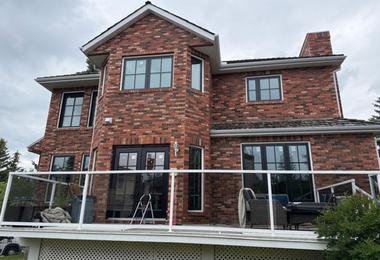
Luxury windows are defined by things you can check on a quote, not by adjectives: the frame material, the size and shape of the glass, the way the window opens, the colour and hardware, the glass package and the installation detailing. When all six are right for the house, the result looks and performs like a high-end window. When one is missing, no brochure can make up for it.
This guide walks through each marker, shows where it appears in the Canadian Choice Windows & Doors range and explains what …
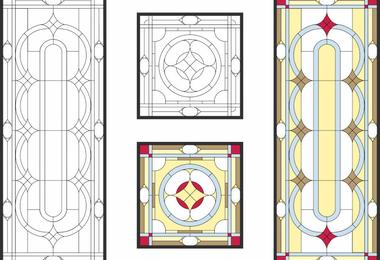
Cardinal Glass is a US-based glass manufacturer that makes coated glass and sealed insulating glass units for windows and doors made by other companies. When a quote says "Cardinal glass," it tells you who made the glass package inside the frame, not who made the window.
Because the glass package does most of the work in winter, it's worth knowing what Cardinal glass windows actually include and what the terms on your quote mean. This guide explains them in plain language and shows how to find out exactly what glass …
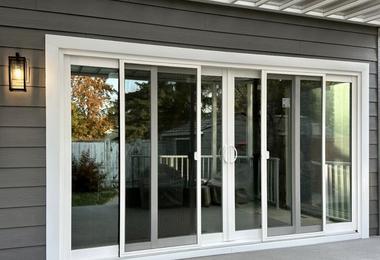
Most sliding patio doors that stick, drag or won't latch need two things: a clean track and a small roller adjustment. Both take under an hour with a vacuum, a cloth and a screwdriver.
This guide is organized by symptom. It also covers tilt-and-turn and bifold doors, winter freezing and the signs that a door needs patio door repair rather than a tune-up.
Quick fixes to try first
Start with the track, because debris under the rollers causes more sticking than anything else. If the door still drags, adjust the …
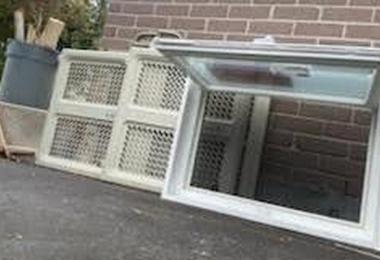
A hopper window is a compact window that opens into the room, making it a natural fit for basements, laundry rooms, and any spot where an outward-swinging sash would hit a walkway, deck, or window well. At Canadian Choice Windows & Doors, our version is the awning hopper: a top-hinged DraftLOCK window that tilts into the room and holds itself open with a locking hinge.
Key Takeaways
- A hopper window opens into the room, so nothing projects past the exterior wall.
- The Canadian Choice awning hopper hinges at the top …
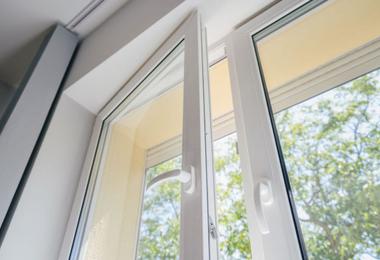
uPVC windows are rigid frames made from unplasticized polyvinyl chloride. The "u" means no plasticizers were added to soften the polymer, so the profile holds its shape instead of flexing. That is the difference between a window frame and flexible PVC products such as cable insulation, sheet flooring, and garden hose.
On a quote, the same frames often show up as "vinyl" or simply "PVC." Homeowners use "vinyl," and uPVC is the technical name for the compound. Plasticized PVC, the flexible kind, goes into products such as cable insulation, sheet …
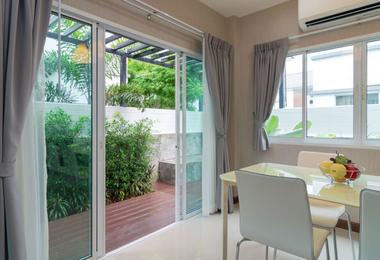
You secure a sliding patio door in three layers: a lock that catches the frame, a bar that stops the panel from sliding, and a stop that keeps the panel from being lifted off the track. Patio door security fails when only the handle is locked, and the head of the door still has room to rise. The practical answer to securing sliding patio doors is to check those three layers in that order, then decide whether the frame is still worth keeping.
A latch holds the meeting rail. A …
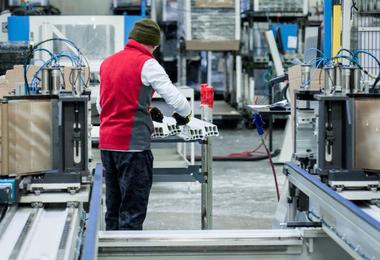
Canadian Choice Windows & Doors™ makes its vinyl windows to order, not as finished units from another brand. The frame, sealed glass, and installation stay with one company, and the window is built to your home's opening.
That order starts with measuring every opening. The custom unit is then manufactured in Canada, which takes about two to four weeks. A factory-trained crew installs it, and any manufacturing or installation issue after that day stays with the same company.
Key takeaways
- A vinyl window here is built to your opening in …
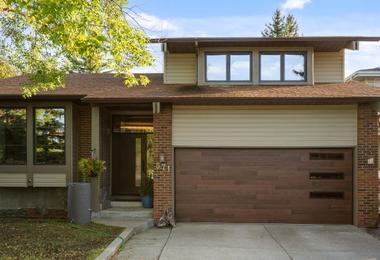
Retrofit windows are new windows made to fit inside your existing window frames, so the old frame, interior trim and wall finishes stay in place. The method works well when those frames are sound, and it's the wrong choice when they hide rot, water damage or a leak that keeps coming back.
This guide helps you judge which side of that line your home is on before an installer arrives, so the recommendation you hear on the day makes sense.
What retrofit windows are
A retrofit installation removes the old …
Canadian Choice Windows & Doors™ covers TrueCrankless windows with a 40-year transferable warranty and its other vinyl windows with a 25-year transferable warranty, and door systems are covered under their applicable warranty terms. The promise includes the product, installation, and service for a covered problem. It leaves out accidental damage, misuse, unauthorized modifications, and force majeure.
Homeowners searching for window warranty Canada are trying to separate that written promise from a slogan. The vinyl terms are fixed and can transfer. The door terms are their own.
Key takeaways
- TrueCrankless windows …
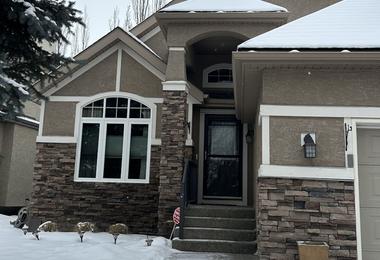
The best windows for Canadian winters share six things: a well-insulated frame, a low-E glass package with argon fill, a warm-edge spacer, an operating style that closes against a compression seal, certified ENERGY STAR performance and careful installation. The brand matters less than how those parts work together.
If you're searching for the best windows Canada has to offer, compare parts, not brochures. This guide explains each part in plain language, so you can read any quote and see what's missing.