Styling Your Home’s Entrance with a Classic Brown Door
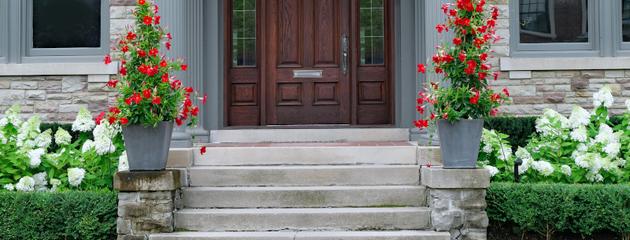

A classic brown front door is one of the easiest ways to make a Canadian home feel warmer, more balanced, and more “finished” from the curb — without chasing trends that will look dated in a few years. Brown works because it behaves like a natural material: it pairs effortlessly with brick, stone, wood accents, and modern siding, while still giving your entrance a clear focal point.
The real upgrade, however, is not only the colour. The best-looking entrances are built as a complete system: the right shade of brown for your façade, the right door material for Canadian weather, hardware and lighting that match your home’s style, and professional installation that keeps the door aligned and sealed year after year. In this updated guide, we walk through a practical styling playbook — and explain how Canadian Choice Windows & Doors helps homeowners get an entrance that looks refined and performs reliably.
Key Takeaways
- A brown front door is timeless because it reads as warm and natural across most Canadian exterior finishes.
- Choose the shade based on your façade and trim — undertone matters more than “light vs dark.”
- Steel and fibreglass doors generally offer lower-maintenance performance than wood in Canada’s freeze–thaw cycles.
- Hardware and lighting are not accessories — they define whether your entrance looks modern, classic, or mismatched.
- Darker browns hide everyday scuffs and road-salt season grime better than light door colours.
- Professional measurement and installation help preserve alignment, weather sealing, and long-term reliability.
Why Brown Doors Feel Right on Canadian Homes
Brown is one of the most forgiving exterior colours because it naturally complements the materials used across Canadian neighbourhoods — red and buff brick, stone veneers, wood accents, and neutral siding. It creates warmth without shouting for attention, and it adds depth to a façade that might otherwise feel flat.
From a design perspective, brown also works because it adds “visual weight” at the entrance. Homes often have many light or mid-tone surfaces (siding, soffits, trim). A brown door anchors the composition and makes the entrance look intentional — especially when paired with matching or thoughtfully contrasting hardware.
Tony Wong, Project Manager at Canadian Choice Windows & Doors , often describes brown as the “safe upgrade that doesn’t feel safe.” In other words, it’s classic, but it can still look premium and modern depending on the finish, glass, and hardware you choose.
Pick the Right Brown: Undertones Matter More Than You Think

Not all browns behave the same. Some browns lean red (mahogany), some lean yellow (honey/chestnut), and some lean neutral or cool (espresso). When the undertone clashes with your brick, stone, or trim, the door can look “off,” even if it’s a high-quality product.
| Exterior context | Brown tones that usually work | Brown tones to be cautious with | Styling cue |
|---|---|---|---|
| Red brick + white trim | Walnut, chestnut, medium neutral brown | Very red mahogany (can look too ‘matchy’) | Warm metal finishes (brass/bronze) often suit traditional looks |
| Buff/cream brick + beige trim | Chestnut, warm medium brown | Very cool espresso (can look harsh) | Add black accents through lighting or hardware for balance |
| Grey stone / grey siding | Espresso, deep neutral brown | Orange-leaning browns | Matte black hardware tends to look clean and modern |
| Black window frames / modern façade | Espresso, dark chocolate brown | Very light brown (can wash out) | Keep lines simple; avoid overly ornate handles |
| Wood accents / natural cedar | Walnut, neutral medium brown | Overly red stains | Echo wood tones through planters, numbers, or trim details |
A quick check before you commit
- View the door colour outside in daylight. Indoor lighting can mislead you.
- Compare the door colour beside your brick/stone and your trim — not just in isolation.
- Decide whether you want the door to blend (harmonize) or stand out (contrast). Both can be done with brown.
Material Options: What a Brown Door Is Really Made Of
Colour is only the surface. In Canada, material choice affects how the door handles moisture, temperature swings, and everyday wear. A brown door can look stunning on day one — but if the slab moves, the seals fail, or the finish is compromised by weather exposure, the entrance quickly loses its polished look.
| Door material | What homeowners like about it | What to keep in mind in Canada | Best fit for |
|---|---|---|---|
| Steel | Strong, secure feel; clean, modern lines; typically low maintenance | Quality installation and sealing matter; choose durable factory finishes | Homeowners who want strength and long-term practicality |
| Fiberglass | Wood-like texture available; resistant to moisture; stable feel | Choose reputable finishing; match hardware carefully for the style you want | A balance of design and low-maintenance performance |
| Wood | Natural grain beauty; classic look | More maintenance over time; can be sensitive to moisture and seasonal movement | Design-first homeowners who are comfortable maintaining a premium finish |
Helen Sin, Consumer Success Manager at Canadian Choice Windows & Doors, notes that homeowners often underestimate the value of a professionally sealed and aligned entry system. A door can be attractive, but it should also close smoothly, latch consistently, and resist drafts — especially during winter.
Design Playbook: How to Style a Brown Door So It Looks Intentional
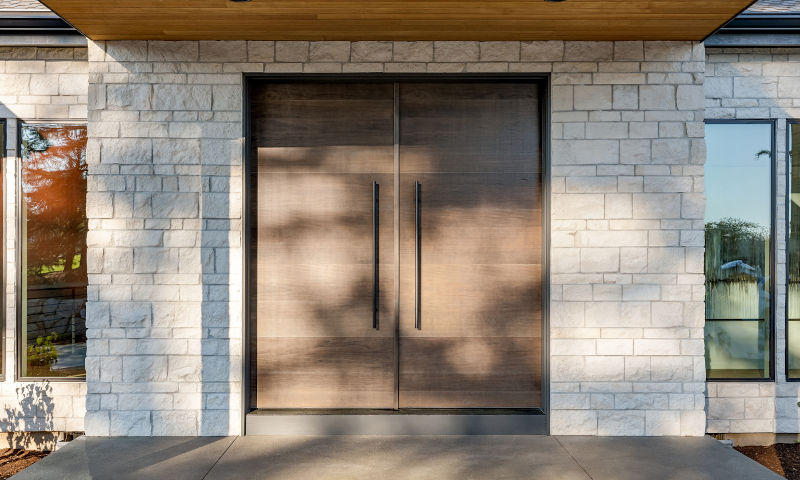
Once you have the right brown tone and the right material, styling becomes a matter of a few high-impact decisions. Think of the entrance as a composition: the door is the centre, but hardware, lighting, and framing determine whether it looks cohesive.
1) Hardware finishes that elevate brown
Hardware should either echo the warmth of brown or provide a clean contrast. Here’s a practical guide:
| Hardware finish | Look at a brown door | Best match for |
|---|---|---|
| Matte black | Modern contrast; crisp outline | Contemporary and transitional homes |
| Brushed nickel | Soft contrast; understated | Homes with mixed finishes and neutral palettes |
| Polished brass | Warm, classic focal point | Traditional brick homes and heritage-inspired styles |
| Oil-rubbed bronze | Deep, earthy tone; subtle | Stone façades, rustic or craftsman styles |
2) Lighting: the quickest way to make brown look premium
Outdoor lighting affects how the colour reads at night. Warm lighting enhances depth and keeps brown from looking flat. Cool lighting can make a warm brown look dull or slightly grey.
- Use lighting that feels warm and inviting at the entrance.
- Place fixtures so the door is lit evenly (not only from one side).
- If you have a porch canopy, consider how it changes shadows during the day.
3) Glass inserts, sidelites, and transoms
Glass can make a brown door look lighter and more contemporary, or more traditional, depending on the grille pattern and proportions. Sidelites and transoms can also improve the entrance visually — but only when they match the home’s scale.
- For a modern look: simple glass shapes, minimal grilles, clean lines.
- For a classic look: decorative glass patterns or traditional grille designs that match the home’s character.
- Keep proportions balanced: a large door with tiny sidelites often looks accidental.
4) Framing the entrance: trim, columns, and canopy
Your door rarely stands alone. Trim colour, porch posts, and canopy details frame the door and influence whether the brown looks rich or muddy. If your trim is very warm (cream/beige), choose a brown that shares warmth. If your trim is crisp white or charcoal, a neutral or deep brown can look striking.
Seasonal Styling: Brown Is One of the Few Colours That Looks Good Year-Round
Canadian seasons change fast — and your entrance should still look polished in all of them. Brown works in fall because it harmonizes with foliage, in winter because it contrasts beautifully with snow, and in spring/summer because it pairs naturally with greenery.
If you like seasonal decor, brown is also a friendly base colour: wreaths, planters, and porch textiles tend to look better against brown than against bright or high-saturation door colours.
Practical Benefits of Brown Doors
Design is important — but brown is also a practical choice for everyday life.
- Darker browns hide minor scuffs and smudges better than white or light-coloured doors.
- Brown finishes often show less visible road-salt season grime.
- A well-finished brown door can maintain a “clean look” with less frequent touch-up work.
- Brown pairs well with a wide range of future updates (new lighting, new house numbers, new landscaping).
Common Styling Mistakes to Avoid
These are the small choices that make an entrance look mismatched — even with a good door:
- Choosing a brown tone that fights your brick/stone undertone (red vs cool grey).
- Mixing too many metal finishes at the entrance (handle, lights, numbers, and mailbox all different).
- Over-decorating a modern façade with ornate hardware or busy glass patterns.
- Under-lighting the entrance so the door looks flat at night.
- Ignoring the frame and threshold condition — a great door can look poor in a tired opening.
When a Brown Door Upgrade Makes the Most Sense
A new brown door is often part of a bigger goal: improving curb appeal, creating a warmer entrance, or upgrading security. It also makes sense when your current door is showing performance issues.
- Your door sticks or doesn’t latch smoothly.
- You feel drafts or see light around the door edges.
- The finish is worn, peeling, or hard to keep looking clean.
- You want to modernize the entrance without changing the whole façade.
- You’re upgrading other exterior elements (new windows, new siding, new lighting).
Why Professional Installation Matters
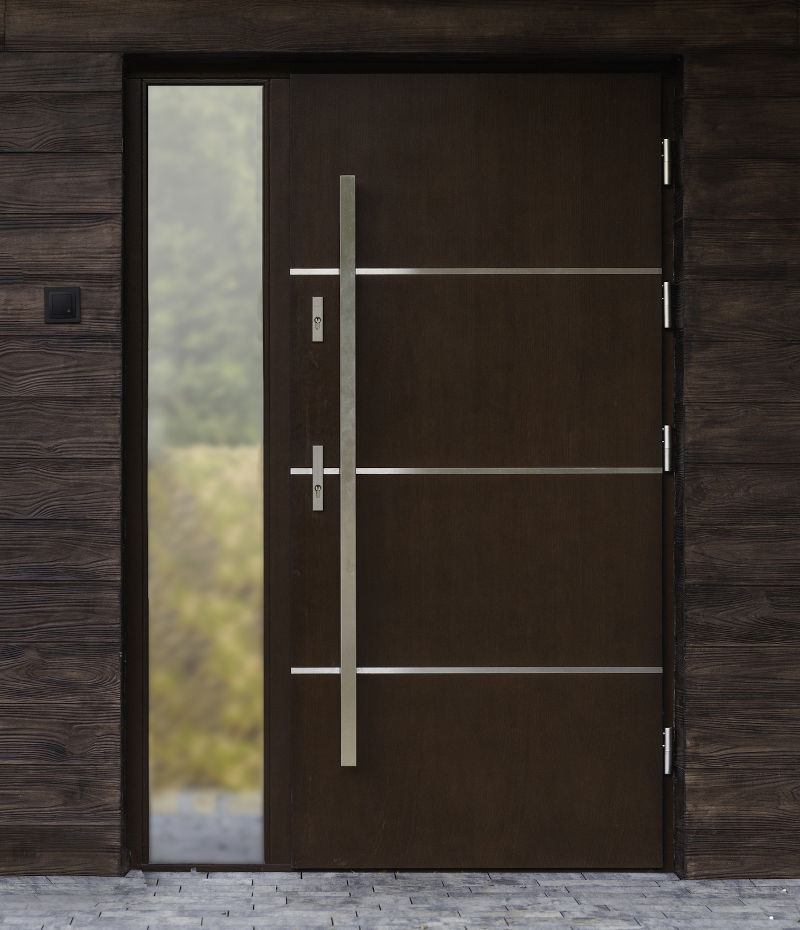
A brown door can appear premium or cheap, depending on the quality of its installation. Even small alignment issues show at the entrance: uneven gaps, hardware that doesn’t sit flush, or a door that needs extra force to close. In Canadian conditions, poor sealing can also cause drafts and moisture issues around the entryway.
Canadian Choice Windows & Doors focuses on precise measurement, clean alignment, and proper weather sealing. The goal is straightforward: the door should look right, close smoothly, and stay reliable through seasonal shifts.
Final Thoughts
A classic brown front door is one of the most reliable ways to improve curb appeal while keeping your entrance timeless. When the colour undertone is chosen correctly, and the styling elements work together — hardware, lighting, glass, and framing — the entrance looks intentional and premium.
Just as important, the door should perform. Professional measurement and installation help ensure long-term alignment and weather sealing in Canadian conditions. If you’re planning an entry upgrade, Canadian Choice Windows & Doors can guide the selection and install a system that looks refined and feels solid every day.
FAQs
Is a brown front door still “in style,” or is it dated?
Brown is one of the few door colours that stays relevant because it reads as natural and architectural rather than trend-based. The final look depends on the shade, hardware, and glass design you choose.
What hardware finish looks best on a brown door?
Matte black creates a modern contrast, while brass or bronze can feel more classic and warm. Brushed nickel is a safe, understated option for transitional homes. Choose one main finish and keep the entrance consistent.
Does a dark brown door require more maintenance?
Not necessarily. Darker browns often hide everyday marks better than light colours. Maintenance depends more on material and finish quality than on the colour itself.
Is steel or fibreglass better for a brown entry door in Canada?
Both can be excellent. Steel is known for strength and a crisp, clean appearance, while fibreglass offers a wood-like look with strong moisture resistance. The best choice depends on your priorities and the door configuration.
Will a brown door make my entrance look smaller?
If the shade is very dark and the entrance is poorly lit, it can feel heavier. Balanced lighting, sidelites, or lighter trim can keep the entrance feeling open.
Can I match a brown door to existing brown elements (like deck stain or shutters)?
Yes, but aim for harmony rather than an exact match. Browns rarely match perfectly across different materials. Choose undertones that work together.
Should I add glass to a brown front door?
Glass can improve daylight and create a more welcoming entrance. For privacy, consider textured or decorative glass options that fit your home’s style.
What’s the safest next step if I’m unsure about colour or configuration?
A professional consultation helps you confirm the best tone, materials, and configuration for your façade and lifestyle — and ensures the final installation performs as intended.

1000’s of Colours & Textured Finishes
Transform your home from ordinary to extraordinary with our new coloured and non-glare textured finishes. Available in a wide array of colours as well as custom matched colours for your very own personalized design.
Our Most Popular Replacement Window Colours: