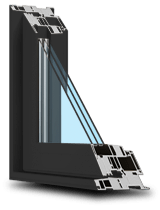
How Window Hardware Quality Impacts Everyday Use Over Time
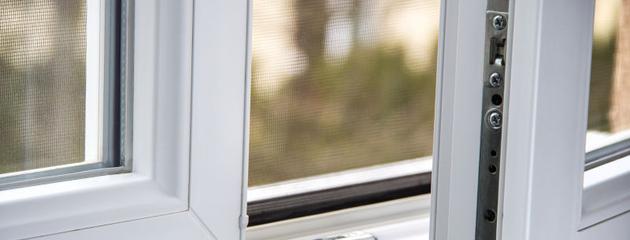

Most homeowners focus on the glass first — triple glazing , Low-E coatings , energy ratings. But long-term performance depends just as much on what holds the system together and keeps it operating properly: the hardware. Hinges, locks, operators, and balances are the working components that carry the load every time the window opens and closes. They create the compression that helps seal out winter air and maintain security when wind pressure increases. Without strong, properly aligned hardware, even the most advanced window unit cannot perform as intended.
In Canada, that distinction becomes critical. Windows must endure freeze–thaw cycles, moisture exposure, and daily operation year after year. Hardware components are exposed to much of that stress, maintaining alignment, controlling sash compression, and supporting both energy efficiency and structural stability long after installation day.
Key Takeaways
- Window hardware includes hinges, operators, locks, balances, and handles.
- Multi-point locking systems improve both security and compression sealing.
- A window opening mechanism includes crank systems, sliding rollers, tilt-and-turn gearboxes, hinges, and balances.
- Hardware must withstand thousands of open-close cycles, temperature swings, and exposure to moisture.
- Routine seasonal inspection, light cleaning, and proper lubrication can significantly extend the lifespan of window hardware while preserving smooth operation, secure locking, and consistent air sealing.
- Long-term performance depends on durable materials, corrosion resistance, and professional installation.
What Is Window Hardware and Why Does It Matter for Daily Use?
Window hardware refers to the mechanical components that control a window's movement and locking. These elements work together to ensure the sash opens smoothly, closes tightly, and remains securely positioned once locked. Beyond basic functionality, quality hardware directly influences air sealing, structural stability, and overall user experience — making it a critical factor in how the window performs day after day. This includes:
- Hinges
- Operators (cranks)
- Locks and latches
- Handles
- Balances
Each part serves a structural and functional purpose. Without them, the window cannot maintain alignment, proper compression, or safe operation.
The Functional Role in Operation
Hardware determines how house windows move and operate over time:
- Casement and awning windows rely on hinges and crank operators.
- Sliding windows depend on rollers and tracks.
- Single- and double-hung windows use balance systems to counterweight the sash.
If these systems are poorly designed or manufactured with low-grade materials, they can become stiff, uneven, or unsafe over time.

Tony Wong, Project Manager at Canadian Choice Windows & Doors , explains:
“A window should operate the same way years from now as it did on day one. That consistency depends heavily on hardware alignment and build quality.”
And that alignment is especially important in regions with freeze-thaw cycles, like much of Canada.
Sealing and Energy Performance
Hardware directly affects compression sealing — the pressure created when the sash closes against weatherstripping.
According to Natural Resources Canada , air leakage is a major contributor to residential heat loss. Even minor gaps around operable windows can significantly affect heating efficiency in winter.
Multi-point locking mechanisms improve:
- Even pressure distribution
- Reduced air infiltration
- Improved thermal performance
- Lower strain on HVAC systems
This is why proper locking systems are not only about security — they are part of energy performance.
Security and Structural Integrity
Window hardware is a primary security component. While glazing strength matters, locking mechanisms physically resist forced entry.
Modern hardware systems include:
- Cam locks
- Dual-lock systems
- Multi-point locking systems
Multi-point locks secure the sash at multiple engagement points along the frame. This increases resistance to prying and improves seal compression. Security should feel natural, not complicated. Good hardware makes that possible.
Lifecycle Overview
Industry data suggests quality window hardware can last 15–25 years under normal residential conditions, depending on:
- Usage frequency
- Climate exposure
- Material composition
- Installation precision
Corrosion-resistant materials such as stainless steel or high-grade coated alloys perform better in Canadian humidity and coastal conditions.
Hardware failure is usually gradual — reduced compression, increased effort to operate, and minor drafts. Addressing issues early protects long-term performance.
What Are the Main Types of Window Hardware Available Today?
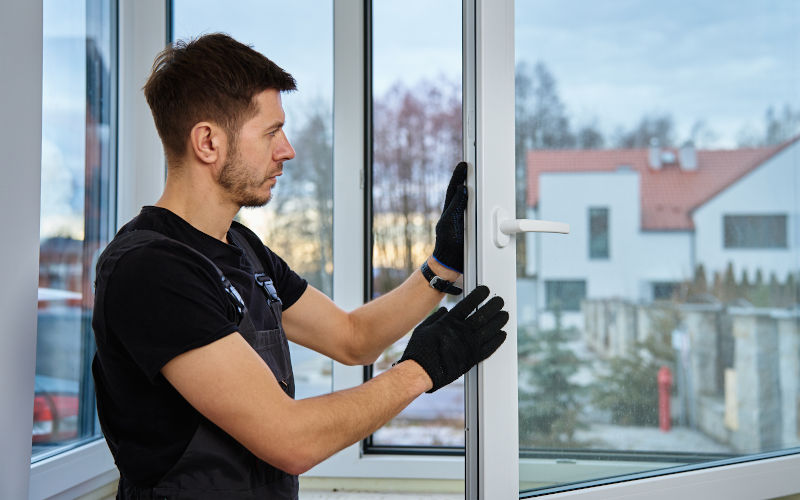
Not all hardware systems are built the same. The type used depends on window style , structural design, and intended performance level.
1. Hinges
Used in casement and awning windows.
Pros:
- Strong structural support
- Allow full ventilation
- Support multi-point locking systems
Considerations:
- Must be corrosion-resistant
- Require precise installation
Heavy-duty stainless steel hinges are recommended for long-term durability in harsh climates. In regions with fluctuating temperatures, humidity, and freeze-thaw cycles, lower-grade materials can weaken over time, affecting alignment and smooth operation. Stainless steel resists corrosion, maintains structural integrity under repeated use, and supports consistent compression against weather seals — helping the window close tightly year after year.
2. Operators (Crank Mechanisms)
Used in casement and awning windows.
Pros:
- Controlled opening angle
- Ease of operation
- Better compression sealing when closed
Considerations:
- Moving parts require durability
- Lower-grade gears wear faster
High-quality operators use reinforced gearing and sealed housings to prevent moisture intrusion. This added protection reduces internal corrosion, preserves smooth operation over time, and ensures the sash maintains consistent compression for reliable sealing in demanding climates.
3. Locks and Locking Systems
Core component for sealing and security.
| Lock Type | Engagement Points | Security Level | Sealing Efficiency |
|---|---|---|---|
| Single Cam Lock | 1 | Standard | Moderate |
| Dual Lock | 2 | Improved | Better |
| Multi-Point Lock | 2–4+ | High | Excellent |
Multi-point locking systems provide stronger resistance and improved compression. By engaging the frame at multiple locations simultaneously, they distribute pressure evenly along the sash, enhancing structural stability while delivering a tighter, more energy-efficient seal.
4. Balances (for Hung Windows)
Counterbalance systems allow vertical movement. They are engineered to offset the weight of the sash, making it easier to open and hold in place without slipping or slamming shut.
Types include:
- Block and tackle
- Constant force
- Spiral balances
Durability depends on spring quality and the protection of the housing.
5. Handles
Often overlooked but essential for ergonomics and accessibility. Handles are the primary touchpoint between the homeowner and the window, influencing how natural and effortless daily operation feels. A well-designed handle improves grip, control, and leverage, making ventilation adjustments smooth and intuitive while supporting long-term comfort for users of all ages.
Should be:
- Corrosion-resistant
- Securely fastened
- Comfortable for repeated use
Durability Comparison
| Hardware Component | Typical Lifespan | Maintenance Required |
|---|---|---|
| Stainless Steel Hinges | 20+ years | Low |
| Standard Steel Hinges | 10–15 years | Moderate |
| Reinforced Operators | 15–20 years | Low |
| Basic Crank Systems | 8–12 years | Moderate |
| Multi-Point Locks | 20+ years | Low |
Durability depends heavily on material quality and installation precision. Higher-grade metals, reinforced internal components, and corrosion-resistant finishes significantly extend service life, especially in climates with temperature swings and moisture exposure.
How Do Different Window Latch Types Affect Security and Convenience?

Window latches determine how easily your window locks — and how securely it stays locked. Beyond simple functionality, the type of latch influences how tightly the sash presses against the frame, which directly affects air infiltration and overall energy performance. Some latch designs are built for quick one-handed operation, improving daily convenience, while others prioritize reinforced locking points to enhance resistance against forced entry.
Cam Locks
Common in
double-hung windows
.
Cam locks are one of the most familiar and widely used locking mechanisms in residential applications. Their rotating cam action pulls the sashes together, creating basic compression between moving parts.
Advantages:
- Simple design
- Easy operation
- Cost-effective
Their straightforward mechanism makes them intuitive for homeowners of all ages, reducing wear from improper use. They are practical for standard applications where ease and reliability matter more than advanced security layering.
Limitations:
- Single engagement point
- Limited resistance against force
Because they lock at a single central point, pressure distribution across the frame is minimal. In high-wind regions or for homes seeking enhanced security performance, additional reinforcement may be advisable.
Best suited for standard residential applications where additional reinforcement is not required. They offer dependable everyday functionality when paired with properly engineered window construction.
Sliding Window Locks
Typically mounted on
horizontal sliding windows
.
Designed to secure one sash against the other or against the frame, depending on the system configuration.
Often include:
- Latch-style mechanisms
- Secondary security bars
These systems emphasize ease of use and quick ventilation control, which is especially important in everyday living spaces. While convenient, their effectiveness depends heavily on frame integrity and proper window installation , as they may not provide the same compression seal as multi-point systems.
These provide convenience but may not offer multi-point compression. For homes in colder climates, enhanced sealing solutions may be worth considering to maintain comfort and efficiency.
Multi-Point Locking Systems
Used primarily in casement and tilt-and-turn systems.
Engage at multiple points along the frame.
Rather than securing the window at a single point, these systems distribute locking pressure evenly from top to bottom. This creates a tighter seal and a more structurally stable closure.
Security Advantages:
- Increased resistance to forced entry
- Even pressure distribution
- Improved air sealing
By engaging multiple reinforced points simultaneously, these systems significantly improve structural integrity under stress. They also contribute to consistent compression along the weatherstripping, supporting better thermal performance and long-term durability.
According to the North American Fenestration Standard (NAFS) , properly tested locking systems must meet structural load and forced-entry resistance benchmarks. Choosing certified hardware ensures your windows meet measurable standards — not just marketing claims.
Child Safety Considerations
Certain latch systems allow partial opening with limited travel — helpful for ventilation while reducing fall risk. This controlled ventilation option supports safer airflow in family homes without sacrificing daily usability.
Homeowners should ensure hardware meets Canadian building code requirements for egress and safety. Compliance provides peace of mind, especially in bedrooms and upper-storey installations where safety standards are critical.
Helen Sin, Consumer Success Manager at Canadian Choice Windows & Doors , notes:
“Security shouldn’t make a window difficult to use. The best systems balance protection and convenience.”
Well-designed hardware feels natural in everyday use while quietly delivering structural strength behind the scenes. When security integrates seamlessly with comfort and performance, homeowners benefit from confidence without complication.
What Is a Window Opening Mechanism and How Does It Work Over Time?
If a window doesn’t open smoothly, hold its position, or close with firm, even pressure, the problem usually isn’t the glass — it’s the opening mechanism. A window-opening mechanism is the mechanical system that allows the sash to move, lock, and seal properly over the years of regular use. And over time, that system absorbs mechanical stress, environmental exposure, and daily wear.
What Is a Window Opening Mechanism?
A window opening mechanism is the integrated hardware system that enables controlled movement of the sash. Depending on the window style, this mechanism varies.
The most common systems include:
- Crank-operated mechanisms (casement and awning windows)
- Sliding roller systems (horizontal sliders)
- Tilt-and-turn gear mechanisms
- Balance systems (single- and double-hung windows)
Each system must perform two essential functions:
- Allow controlled opening and ventilation
- Ensure tight compression when closed
Without proper compression, air leakage increases — reducing energy efficiency and indoor comfort.
How Different Opening Systems Work
Crank (Casement & Awning) Systems
A rotating handle turns a gear-driven operator arm connected to the sash. The sash moves outward while hinges guide alignment.
Over time, wear typically occurs in:
- Gear teeth
- Pivot joints
- Hinge bearings
When properly manufactured with corrosion-resistant metals, these systems can withstand thousands of operating cycles.
Sliding Systems
Sliding windows operate on rollers positioned within a track. The sash moves horizontally.
Wear factors include:
- Roller degradation
- Track debris accumulation
- Frame misalignment
If rollers are low-grade zinc or unsealed steel, friction increases significantly in cold weather.
Tilt-and-Turn Systems
Common in European-style windows, these systems use a multi-point gearbox mechanism that allows both inward tilting and full side opening.
This design distributes mechanical load more evenly but requires high manufacturing precision. Poor alignment leads to early gear strain.
Balance Systems (Hung Windows)
Balances counterweight the sash, allowing it to move vertically.
Common types include:
- Constant force balances
- Block and tackle systems
Spring fatigue is the primary wear factor. Quality testing includes cycle durability benchmarks.
Step-by-Step: What Happens During Each Operation Cycle
- The handle or sash is engaged.
- Mechanical force transfers to gears, rollers, or springs.
- Hinges or tracks guide controlled motion.
- Closing motion activates compression against the weatherstripping.
- The locking mechanism applies sealing pressure.
Over 15 to 25 years of regular use, that repeated motion places meaningful mechanical stress on every moving component.
Comparison Table
| Opening Mechanism | Movement Type | Primary Stress Point | Typical Lifespan (Quality System) | Maintenance Needs |
|---|---|---|---|---|
| Crank (Casement) | Outward swing | Gear teeth & hinge arms | 15–25 years | Low |
| Sliding | Horizontal glide | Rollers & tracks | 10–20 years | Moderate |
| Tilt-and-Turn | Dual-function gear system | Gearbox & locking cams | 20+ years | Low |
| Hung (Balance) | Vertical lift | Spring system | 15–20 years | Low–Moderate |
Longevity depends heavily on material quality and installation precision.
Tony Wong, Project Manager at Canadian Choice Windows & Doors , explains:
“A well-engineered mechanism should operate consistently in year ten the same way it did after installation. That only happens when materials and alignment are right from the start.”
How Does Hardware Quality Influence Window Lifespan?
The difference between long-term performance and premature failure often comes down to material composition and corrosion resistance. Higher-grade metals and sealed components better withstand daily use and harsh climate conditions, helping maintain alignment, smooth operation, and proper sealing over time.
Material Quality: Stainless Steel vs Zinc Alloys
Hardware components are commonly manufactured from:
- Stainless steel
- Zinc-plated steel
- Die-cast zinc alloys
- Powder-coated carbon steel
Stainless steel offers superior corrosion resistance, especially in humid or coastal environments. Zinc-based components are more affordable but degrade faster when protective coatings wear.
According to materials engineering data from the Nickel Institute, stainless steel’s chromium content forms a passive oxide layer that resists corrosion even when scratched — a key advantage in Canadian climates.
Corrosion Resistance and Climate Exposure
Environmental exposure plays a critical role in hardware durability, as corrosion accelerates when persistent moisture combines with ongoing temperature fluctuations. In such conditions, low-grade components are especially vulnerable and can experience:
- Surface pitting
- Coating breakdown
- Increased friction
- Structural weakening
Cycle Testing and Performance Standards
Authoritative performance standards such as NAFS include durability testing, where hardware is subjected to repeated opening and closing cycles under controlled conditions.
Cycle testing evaluates:
- Mechanical endurance
- Operating force stability
- Lock engagement consistency
High-quality hardware is designed to maintain structural integrity through thousands of operating cycles.
Long-Term Cost Impact
Lower-grade hardware may reduce initial purchase cost but increases long-term expenses through:
- Early component failure that may contribute to the need for replacement windows sooner than expected
- Reduced energy efficiency due to air leakage
- Higher maintenance frequency
Properly engineered systems reduce the lifetime cost of ownership.
Specification Comparison Table
| Material Type | Corrosion Resistance | Structural Strength | Suitability for Coastal Regions | Expected Durability |
|---|---|---|---|---|
| Stainless Steel | Excellent | High | Ideal | 20+ years |
| Zinc-Plated Steel | Moderate | Moderate | Limited | 10–15 years |
| Die-Cast Zinc Alloy | Moderate–Low | Moderate | Not Recommended | 8–12 years |
| Powder-Coated Steel | Good (if coating intact) | High | Conditional | 15–20 years |
Why Do Cheap Window Components Fail Faster in Canadian Climates?
Canadian climates put hardware to the test year-round. From coastal humidity to Prairie cold snaps and Ontario’s temperature swings, window components are constantly exposed to environmental stress. When materials aren’t engineered for these conditions, wear accelerates — and failure becomes a matter of time, not chance.
Ontario — Freeze–Thaw Variability
In Ontario, frequent shifts above and below 0°C create ongoing freeze–thaw cycles. Metal components repeatedly expand and contract, increasing mechanical fatigue and gradually weakening protective coatings. Lower-grade hardware can lose alignment more quickly, affecting smooth operation and long-term sealing performance.
Alberta — Extreme Cold Stress
In cities such as Calgary , Edmonton , and Red Deer , winter temperatures can remain well below freezing for extended periods. Not all metal alloys perform equally in sustained extreme cold, and as materials become more brittle and lubricants thicken, additional force is required to operate moving parts. If hardware systems are not engineered for these Prairie conditions, gears and pivot points can experience accelerated wear over time.
Maritimes — Coastal Salt Exposure
In coastal cities such as Halifax and Saint John, salt-laden air creates an aggressive environment for exposed metal. Chloride exposure breaks down protective layers and increases corrosion rates, particularly in untreated or lightly coated components. In these regions, corrosion-resistant materials and sealed systems are essential for long-term durability.
Mechanical Stress in Winter
Cold weather increases operating resistance across all moving hardware. When components are misaligned or manufactured from lower-grade materials, the added strain can lead to:
- Premature gear wear
- Loosening of fasteners and pivot points
- Reduced compression against weather seals
- Stiff or inconsistent operation
Over time, these issues don’t just affect usability — they compromise air sealing, energy efficiency, and overall window performance. In Canadian winters, durable and properly aligned hardware plays an important role in long-term reliability.
What Maintenance Helps Extend the Life of Window Hardware?
Hardware is mechanical. Mechanical systems require periodic inspection. The good news? Maintenance is straightforward and prevents most premature failures.
Step-by-Step Maintenance Guide
1. Seasonal Cleaning
- Wipe hinges, tracks, and locking points with a damp cloth.
- Remove dust, debris, and insect buildup.
- Avoid abrasive cleaners that can damage protective coatings.
2. Light Lubrication (If Recommended by Manufacturer)
- Use silicone-based lubricant.
- Apply sparingly to moving joints.
- Avoid petroleum-based oils that attract dirt.
3. Inspect Fasteners and Alignment
- Check for loose screws.
- Ensure the sash closes evenly.
- Test locking engagement at all points.
4. Test Operation Force
- Opening and closing should feel smooth.
- Increased resistance may indicate misalignment or debris.
Signs of Hardware Wear
Common early warning signs of hardware wear include:
- Stiff crank operation
- Uneven locking pressure
- Drafts near corners
- Squeaking or grinding sounds
These symptoms often appear gradually and may seem minor at first. However, they can indicate underlying alignment issues, worn internal components, or reduced compression against weather seals. Addressing hardware wear early helps maintain smooth operation, consistent air sealing, and long-term window performance.
What Should Homeowners Look for When Choosing Window Hardware?
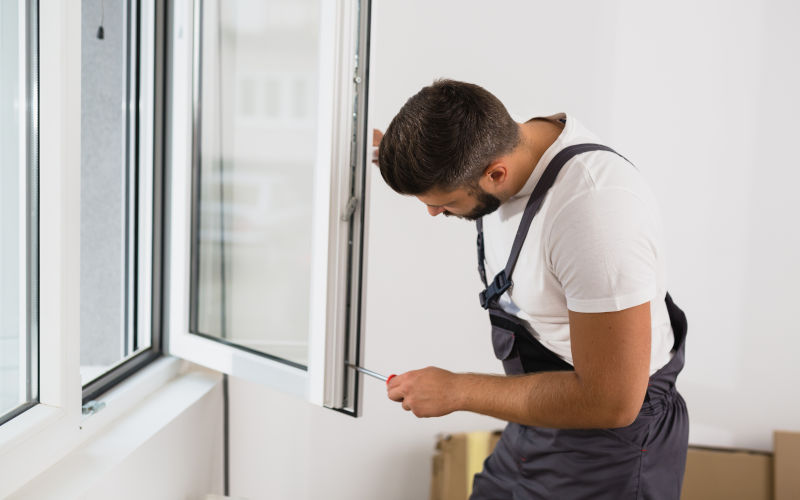
Choosing hardware isn’t about style first — it’s about long-term performance in demanding Canadian conditions. Homeowners should prioritize stainless steel hardware for its superior strength, corrosion resistance, and durability. In regions with temperature swings, humidity, road salt, and coastal moisture, stainless steel components outperform standard finishes by resisting rust, pitting, and premature failure.
Tested locking systems paired with stainless steel mechanisms help ensure smooth operation, structural stability, and consistent security year after year. While other materials may look similar at first, stainless steel provides the reliability and longevity that Canadian homes truly require.
Step-by-Step Buying Checklist
1. Material Composition
- Stainless steel for corrosion resistance.
- Protective coatings rated for Canadian humidity and freeze-thaw cycles.
2. Locking System Design
- Prefer multi-point locking for casement systems.
- Confirm even compression along the full sash length.
3. Smooth Operation Test
- Open and close multiple times.
- Ensure consistent resistance.
- Confirm no metal grinding or flexing.
4. Warranty Coverage
- Confirm hardware is covered under the manufacturer's warranty.
- Understand whether coverage includes moving parts.
5. Safety & Performance Certifications
- Verify compliance with NAFS standards.
- Confirm ENERGY STAR® eligibility where applicable.
Hardware Selection Comparison Table
| Evaluation Factor | Entry-Level Hardware | High-Quality System |
|---|---|---|
| Corrosion Resistance | Zinc-plated | Stainless steel or coated alloy |
| Lock Engagement | Single-point | Multi-point |
| Compression Consistency | Variable | Even distribution |
| Climate Durability | Moderate | Designed for Canadian conditions |
| Warranty Coverage | Limited | Extended coverage |
Why This Matters for Canadian Homes
Ontario freeze-thaw cycles. Alberta temperature extremes. Maritime humidity and salt exposure. These aren’t theoretical conditions — they’re daily realities.
Hardware that performs well in mild climates may not withstand Canadian seasonal stress. That’s why we reinforce a simple principle across our messaging: Built for Canadian winters. Designed for year-round comfort.
Helen Sin, Consumer Success Manager at Canadian Choice Windows & Doors , notes:
“We guide homeowners toward the right solution for their home and climate. It’s about long-term performance and making sure the job is done right.”
Window hardware may not be visible from the curb, but it plays a critical role in how your home performs every day. When engineered for Canadian conditions and installed with care, it helps protect comfort, support energy efficiency, and maintain long-term performance season after season.
FAQ Section
How does window hardware affect energy efficiency in Canadian homes?
Window hardware directly influences how tightly the sash compresses against the frame when locked. Even pressure along the weatherstripping reduces air leakage, which supports thermal performance during cold Canadian winters. Multi-point locking systems help distribute compression more evenly, maintaining a stronger seal over time and supporting consistent indoor comfort.
Does better hardware really improve home security?
Yes. Locking systems are a primary security component because they physically secure the sash to the frame. Multi-point locking systems engage at several reinforced locations, increasing resistance to forced entry while maintaining ease of operation. Security should feel dependable and straightforward, not complicated.
How long should quality window hardware last?
High-quality window hardware typically performs reliably for 15 to 25 years under normal residential use. Lifespan depends on material composition, corrosion resistance, climate exposure, and installation precision. In Canadian conditions, durable materials such as stainless steel and properly aligned components are essential to maintaining long-term performance.
Why is hardware especially important in Canadian climates?
Canadian homes experience freeze–thaw cycles, humidity shifts, wind pressure, and, in coastal regions, salt exposure. These environmental factors repeatedly stress hinges, operators, and locking systems. Hardware engineered for these conditions maintains alignment and compression, helping windows perform consistently year after year.
What are the early signs that window hardware needs attention?
Gradual changes often indicate wear. Homeowners may notice increased resistance when opening, uneven locking pressure, minor drafts near corners, or subtle grinding sounds. Addressing these signs early helps preserve smooth operation, reliable sealing, and overall window performance.
What maintenance is recommended for window hardware?
Routine care supports long-term durability. Seasonal cleaning of tracks and hinges, light lubrication where approved by the manufacturer, and checking fasteners for alignment can help maintain smooth operation. Regular inspection ensures locking systems continue to engage evenly and securely.
Is multi-point locking worth the investment?
For many Canadian homeowners, yes. Multi-point systems improve compression sealing and enhance structural stability, particularly in areas exposed to wind or temperature extremes. They support both energy efficiency and security without complicating daily use.
What should homeowners prioritize when choosing window hardware?
Focus on material durability, corrosion resistance, tested locking systems, and professional installation. Hardware should operate smoothly, lock firmly without excess force, and be supported by a clear warranty. Long-term reliability matters more than short-term savings.

1000’s of Colours & Textured Finishes
Transform your home from ordinary to extraordinary with our new coloured and non-glare textured finishes. Available in a wide array of colours as well as custom matched colours for your very own personalized design.
Our Most Popular Replacement Window Colours: