Retrofit windows: when an insert installation works and when it doesn't
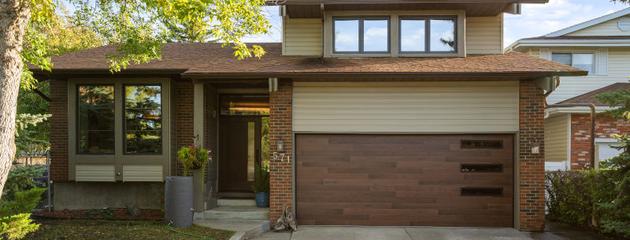

Retrofit windows are new windows made to fit inside your existing window frames, so the old frame, interior trim and wall finishes stay in place. The method works well when those frames are sound, and it's the wrong choice when they hide rot, water damage or a leak that keeps coming back.
This guide helps you judge which side of that line your home is on before an installer arrives, so the recommendation you hear on the day makes sense.
What retrofit windows are
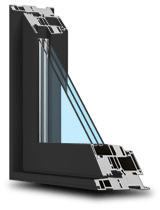
A retrofit installation removes the old sashes and glass, then sets a new, custom-sized window into the existing frame. You'll also hear it called an insert or pocket installation: retrofit, insert and pocket all describe the same method.
Insert windows differ from a full-frame window replacement, where the old window, frame, and trim come out down to the rough opening. Our article comparing full-frame and retrofit installation sets the two methods side by side. This one focuses on a single question: can your home take a retrofit?
When a retrofit installation works well
A retrofit installation is a good fit when the existing frames are solid, dry and square, and you're happy with the size and style of your current openings. In those homes, it's usually quicker, less disruptive and less labour than full-frame work.
It suits you best when:

- The frames are original or well-maintained wood, or another sound material, with no soft spots or stains.
- You want the same size and shape of window, not a larger opening or a different layout.
- The interior trim, plaster or panelling is worth keeping, as in many older homes with original casings.
- There's no history of leaks, drafts at the frame or ice forming on the frame in winter.
If you want to change a window's size or style, retrofit isn't the right tool. The new window has to fit inside the old frame, so the opening stays the same.
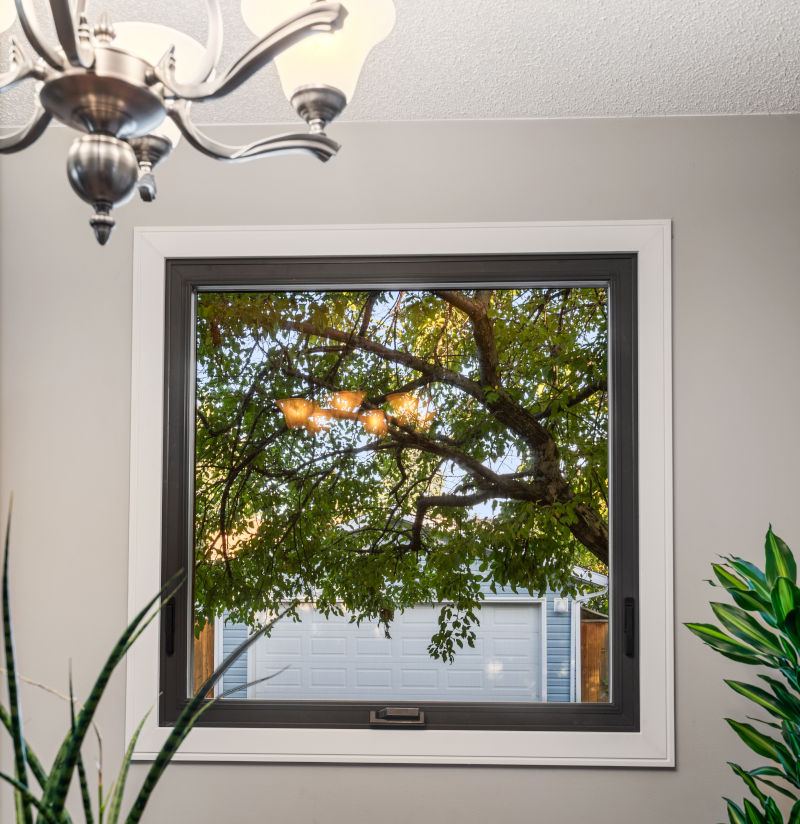
Five signs your frames can't take a retrofit
If you find any of the following, your frames likely need full-frame replacement, or at least repair, before a new window goes in. A retrofit covers an old frame; it doesn't fix it.
- Soft or rotted wood. Press a screwdriver tip into the sill and lower corners. If it sinks in easily or the wood crumbles, there's rot, and it rarely stops at the surface.
- Water staining or damage. Dark stains, peeling paint or bubbled drywall below the window mean water has been getting in. A new window set in front of that path won't stop it.
- A frame out of square. Measure both diagonals of the opening. If they differ noticeably, or sashes have always stuck, the house may have shifted, and the new unit will be hard to seal evenly.
- Recurring leaks. If the same window has leaked more than once, the problem may sit behind the frame, in the flashing or the wall.
- Damaged exterior cladding. Cracked brick mortar, loose stucco or rotted siding around the opening needs attention, because the exterior seal depends on it.
One more warning sign: covering damaged wood with exterior capping. Aluminum capping can trap moisture against an already wet frame, and decay can continue out of sight.
What a retrofit changes, inside and out
A retrofit changes less than a full-frame installation, but it does change the glass area, the exterior look and what's hidden behind the frame. Know these trade-offs before you agree to the method.
| Area | What to expect with a retrofit | What to ask |
|---|---|---|
| Glass area | Usually slightly less glass, because the new frame sits inside the old one | How much smaller will the visible glass be? |
| Interior trim | Original casings and wall finishes normally stay | Will any trim be removed or replaced? |
| Exterior | The old frame stays visible or is covered with new trim or capping | How will the exterior be finished, and how is water kept out? |
| Gap around the window | The space between old and new frame must be insulated and sealed | What insulation is used, and how much? |
| Hidden condition | Anything behind the old frame stays out of sight | What happens if damage is found during removal? |
The insulation question matters more than it looks. The gap should be filled with low-expansion foam, but overpacking it can push the frame out of shape and make sashes bind. A good installer fills it evenly, then seals the inside against air leaks.
Retrofit in older homes and brick walls
Retrofit can work well in older and brick homes, provided the original frames are sound. It often preserves interior trim and plaster you'd rather not disturb, and avoids cutting into the brick around the opening.
Older homes come with a catch: frames and openings are rarely square, and decades of paint can hide rot. Give the frames an honest check using the five signs above, and expect the installer to do the same. You may hear brick homes described as needing "brick-to-brick" work, which is the full-frame alternative: the old frame comes out back to the masonry. For a step-by-step look at the wider project, see our guide to replacing windows in an old house .
How the installer decides on the day
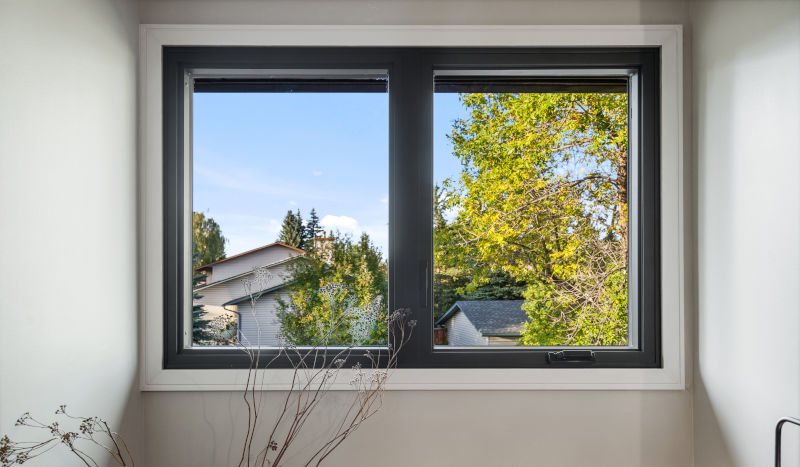
The installer makes the final call on a retrofit once the old sashes come out and the frame can be inspected properly. A careful installer will tell you before switching methods, not after.
A professional retrofit window installation follows a clear sequence. The installer measures the opening before removing anything, so you're never left with a boarded-up window while a correct size is reordered. Once the old sashes are out, the installer checks the frame for rot, moisture and squareness. If the damage is more than minor, you should hear about it, and agree to the repair or a switch to full-frame before work continues. In Canada, installation is guided by CSA A440.4, the national standard for window and door installation that the National Building Code of Canada refers to.
Before you sign, ask the installer three things in writing:
- Which method is quoted, retrofit or full-frame, for each window.
- How the gap will be insulated and how the exterior will be finished.
- What happens, and how it's priced, if rot or water damage is found once the old sash is out.
Clear answers to those questions are a good sign that the installer has looked at your frames, not just your window sizes.
At Canadian Choice Windows & Doors, that work is done by our own factory-trained, bonded and insured installers, never a subcontractor, and every window is custom-fitted to its opening. Read more about how our window installation works or browse our vinyl windows , which are made in Canada and backed by a 25-year transferable warranty .
In terms of cost, a retrofit usually requires less labour than full-frame work because the frame and trim stay. For current figures, see our replacement windows cost guide .
If you're not sure which method suits your home, book a free consultation and we'll look at every frame with you.
Frequently asked questions
Is a retrofit window the same as an insert or pocket window?
Yes. Retrofit, insert and pocket installation all mean the same thing: a new window set into the existing frame, with the old frame and trim left in place. The names vary by region and installer, not by method.
Do retrofit windows make the glass area smaller?
Usually a little, because the new frame sits inside the old one and takes up some of the opening. How much depends on the window style and frame profile, so ask your installer to show you the expected glass size before you order.
Can retrofit windows be installed in a brick house?
Yes, if the existing frames are sound and dry. Retrofit avoids disturbing the brick around the opening. If the frames are rotted or the opening leaks, a full-frame or brick-to-brick installation is the better choice.
Are retrofit windows as energy efficient as full-frame windows?
The new window itself performs the same either way. The difference is around it: full-frame work lets the installer insulate and seal the whole opening, while retrofit windows rely on a sound old frame and a well-sealed gap. With good frames and careful sealing, retrofit performs well.
Can retrofit windows be installed in winter?
Yes. You can install windows in winter, as long as you replace and close each opening quickly to limit heat loss. The same frame checks apply, and any damage found on the day still needs repair before the new window goes in.
What's the difference between retrofit vs new construction windows?
Retrofit windows are built to fit inside an existing frame. New construction windows usually have a nailing flange that fastens to the wall framing, so they suit new builds or openings stripped back to the framing. For most replacement projects in finished homes, the choice is between retrofit and full-frame installation.

1000’s of Colours & Textured Finishes
Transform your home from ordinary to extraordinary with our new coloured and non-glare textured finishes. Available in a wide array of colours as well as custom matched colours for your very own personalized design.
Our Most Popular Replacement Window Colours: