Maintenance and Repairs

How to Remove Adhesive Residue from a Vinyl Window Frame
Most sticker residue can be removed safely in a few minutes using gentle tools and vinyl-safe cleaners. The biggest mistake homeowners make is using sharp blades or strong solvents that damage the frame itself.
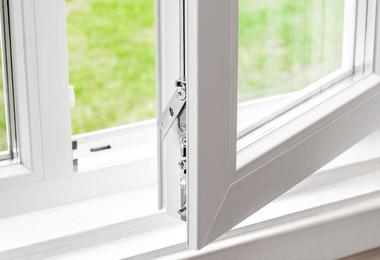
What Are Weep Holes in Windows and Why You Should Never Block Them
If you have noticed water sitting in a window track, a stain near the sill, or a faint musty smell after heavy rain, the cause is often a blocked drainage path rather than a defective window. Understanding how weep holes work, how to keep them clear, and where to apply caulk will help you protect your frames, walls, and insulation over the long term.
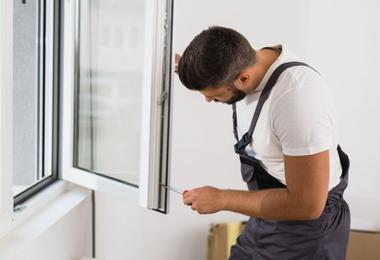
4 Signs Your Windows Need Replacing (And 2 That Just Need a Repair)
Replace a window when the sealed glass has fogged, the frame has rotted or warped, drafts persist after sealing has been ruled out, or the sash no longer opens and locks properly. Failed caulking and worn hardware are usually repairs. The difference between the two lists is not how annoying the problem feels, but where the failure sits.
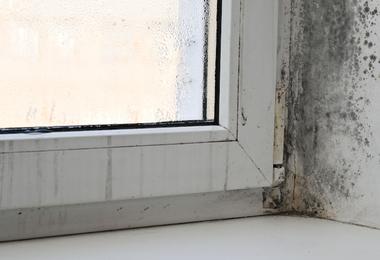
How to remove and prevent black mould on windows in Canada
It usually starts small. A patch of dark speckling in the bottom corner of a bedroom window, or a thin line along the seal where the sash meets the frame. You wipe it away, the sill looks clean again, and by the next cold snap it is back in the same corner.

How to stop ice on the inside of windows in Canada
You wake up after a cold night and the inside of the glass is covered in frost, sometimes a solid band of ice along the bottom of the sash. By afternoon it has melted into a puddle on the sill. In most homes it shows up first in bedrooms, basements, and any room where the door stays closed overnight.

Should You Open House Windows Every Day?
Clean indoor air makes your home more comfortable, supports your family’s health, and even boosts daily focus. According to CMHC, indoor air can contain up to five times more pollutants than outdoor air. Regular ventilation ensures your home feels lighter, cleaner, and more comfortable all year round.
- Maritimes 7
- Product Comparisons 28
- Buying Guides 28
- Doors Types 38
- Energy Efficiency and Sustainability 48
- Home Improvement 28
- Installation and Replacement Tips 28
- Local Guides 55
- Maintenance and Repairs 37
- Manufacturers Reviews 8
- Pricing and Financing 18
- Room-Specific Windows 17
- Safety and Security 12
- Seasonal Tips 6
- Window Styles 19
- Window Types 52
- Past Projects