Why Oshawa Homes Experience Faster Window Wear
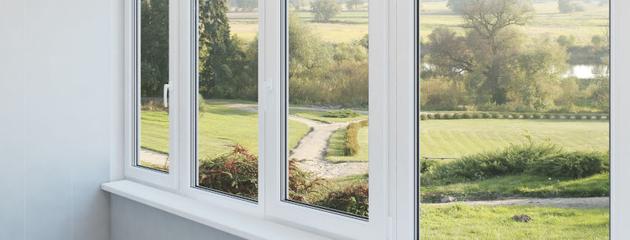

Windows in Oshawa age faster than homeowners typically expect, and the reasons are not hard to find. The climate is demanding, the housing stock is old, and installation quality varies widely. For most homes in Oshawa's established neighbourhoods, windows are the building component most directly exposed to the elements and least likely to have been replaced since the original construction. Understanding why Oshawa windows wear the way they do, and when the tipping point from maintenance to replacement arrives, is the practical foundation for any decision about what to do next.
Key Takeaways
- Oshawa's climate exposes windows to prolonged winter freezing conditions and regular freeze-thaw cycles, which can accelerate wear on seals, caulking, and window components over time.
- Approximately 58% of Oshawa's homes were built before 1981, meaning many properties contain aging window systems that were manufactured to older energy-efficiency and performance standards.
- The first signs of window failure, such as drafts, fogging between panes, rising energy bills, and difficult operation, often appear years before homeowners act on them.
- Older detached homes, corner lots, and properties near Lake Ontario or Highway 401 experience accelerated wear due to wind exposure and temperature fluctuation.
- Installation quality is as important as product quality. Improper flashing, inadequate sealing, and out-of-square installation cause premature failure regardless of what window was installed.
- Knowing the difference between a repair situation and a full replacement need saves money and avoids repeated short-term fixes that do not address the underlying problem.
- A transferable warranty, custom sizing for non-standard openings, and in-house installation accountability all contribute to long-term performance in Oshawa's demanding climate.
Why do Oshawa homes often experience faster window wear than homeowners expect?
The short answer is that Oshawa's climate imposes sustained mechanical stress on windows year after year, and much of the city's housing was built with products never designed to handle it for this long. According to Statistics Canada data compiled by Point2Homes , approximately 58% of Oshawa's homes were built before 1981. Windows in these homes are now between 40 and 80 years old. Even the best window from that era was designed to different standards, using different materials and with performance expectations that differ from those available today.
The combined effect of climate stress and aging materials means that many Oshawa homeowners are managing windows that are overdue for replacement, but do not yet show obvious visible failure. The deterioration is gradual: a draft that develops slowly, energy bills that rise incrementally, and condensation that appears occasionally before becoming persistent. By the time the problem is undeniable, the windows have typically been underperforming for years.
Local conditions that matter most
Oshawa sits in a humid continental climate zone with significant seasonal temperature swings, sustained cold periods, and consistent precipitation year-round. The city's position near Lake Ontario increases exposure to humidity, which accelerates caulking and seal degradation. Properties on the south and west sides of streets, or on corner lots, face a greater wind-driven rain load than sheltered interior lots. Homes near the waterfront, along Simcoe Street South, or adjacent to Highway 401 corridors experience additional exposure from traffic-generated wind and airborne particulates that affect exterior window surfaces and seals over time.
Why does timing vary by home?
Two identical windows installed in Oshawa on the same day can fail at different rates depending on orientation, maintenance history, and the quality of the original installation. A south-facing window receives more UV exposure and thermal cycling than a north-facing one. A window on a corner-lot west wall faces more wind-driven rain than a sheltered side wall. A window installed without proper flashing will develop moisture infiltration in its framing within a few years, regardless of how good the window itself is. Understanding the specific exposure profile of each opening in a home is the starting point for predicting realistic replacement timing.
How do Oshawa's weather patterns affect window lifespan over time?

Oshawa's climate exposes windows to prolonged freezing temperatures throughout the winter, along with frequent freeze-thaw cycles. Days when temperatures move above or below freezing can cause repeated expansion and contraction of window components, including frames, sashes, seals, and exterior caulking. Over many years, this natural cycling can contribute to material fatigue, air leakage, seal deterioration, and other age-related performance issues that homeowners eventually notice.
Winter stress on seals
The insulating glass unit seal is the most vulnerable component in a modern window during a Canadian winter. The seal is bonded to the spacer bar around the perimeter of the glass unit, holding the argon gas fill in place and keeping moisture out. When the outer glass surface cools significantly below the inner surface temperature, the differential expansion across the seal creates stress. This stress is manageable by well-designed seals, but it accumulates over many cycles. Original seals from windows installed in the 1970s and 1980s were not designed to withstand decades of this stress. Even newer windows installed with substandard sealants or incorrect installation techniques degrade faster than expected in Oshawa's winters.
Moisture and frame performance
Oshawa's climate exposes windows to humidity, precipitation, and seasonal temperature fluctuations throughout the year. Wood frames can absorb and release moisture as environmental conditions change, causing gradual expansion and contraction over time. Aluminum frames readily transfer heat and cold and may be more susceptible to surface condensation during winter conditions. Prolonged exposure to moisture and temperature cycling can contribute to wear, reduced energy efficiency, and age-related performance issues in older window systems.
What are the first warning signs that window installation in Oshawa may be needed sooner?
Most window replacement decisions are made in response to visible symptoms rather than proactive planning. Recognizing the early-stage indicators gives homeowners the opportunity to plan and budget for replacement windows in Oshawa on their own timeline rather than in response to an urgent failure.
Signs you can spot from inside
The most reliable early indicators visible from inside the home include:
- Drafts near closed windows: air movement detectable by hand near the sash, frame, or interior casing indicates seal failure or caulking deterioration
- Fogging or condensation between panes: moisture visible between the glass layers confirms that the IG unit seal has failed; the window can no longer perform as rated
- Condensation on the interior glass surface: In cold weather, this indicates the window is no longer insulating adequately, and the glass surface is cold enough to attract interior moisture
- Difficulty opening, closing, or locking: frame distortion from moisture infiltration or settling causes operational problems; this often means the seal is compromised even when not visible
- Unexplained rise in heating bills: When heating costs increase without a change in usage habits, air leakage through windows is one of the most common causes
- Interior noise increase: traffic and exterior sound are noticeably louder than they used to be, which is a sign that the window's acoustic performance has degraded, typically from seal failure
Signs visible from outside
A walk around the exterior of the home reveals a separate set of indicators:
- Cracked or missing caulking: gaps in the caulk line between the window frame and exterior cladding are active air and water entry points
- Paint peeling around the frame: moisture migrating behind the casing is lifting the paint; this means water has already bypassed the exterior seal
- Visible frame discolouration or warping: dark staining on wood frames or visible bowing in vinyl frames indicates long-term moisture exposure
- Deteriorated exterior hardware: rust, seized cranks, or damaged exterior sash stops indicate that the window has not been maintained and may have air leakage at the hardware points
Which home types in Oshawa tend to see earlier window replacement needs?
Not all Oshawa homes age at the same rate. The combination of the original construction era, home type, lot exposure, and renovation history creates significant variation in when windows need to be replaced.
Older homes vs updated homes
Homes built before 1970 in Oshawa's O'Neill, Central, and Lakeview neighbourhoods often retain their original wood or aluminum windows, which are now 50 to 80 years old. These windows were installed without warm-edge spacers, Low-E coatings, or argon fill, and the framing around them has, in many cases, been subject to moisture infiltration for decades. Homes in Samac, Northglen, and Windfields, built largely between 1980 and 2005, are more likely to have had one round of window replacement and may be approaching the end of the service life of those replacement units.
Renovated homes present a mixed picture. A home that was cosmetically updated without addressing the windows may look current on the inside while retaining original or early-generation windows that are well past their peak performance. The renovation itself can complicate future window replacement if wall depths change, exterior cladding is modified, or interior trim is installed in a way that does not accommodate a standard window-replacement profile.
Exposure by property type
Corner lot properties in any Oshawa neighbourhood have two fully exposed facade walls rather than one. Each exposed wall faces a different prevailing wind direction, and both accumulate wind-driven rain load that sheltered mid-block properties do not. Properties along Simcoe Street, Bloor Street West, Harmony Road, or the approaches to Highway 401 also face additional vehicle-generated wind and airborne grit that affect exterior seals and caulking more quickly than residential side-street properties. Homes with larger window openings in older detached housing, picture windows from the 1960s and 1970s in particular, have more glass area exposed to thermal cycling and UV degradation than homes with smaller traditional windows.
How can homeowners tell whether their Oshawa windows need repair or full replacement?
The repair-versus-replace decision is one of the most practical questions in residential window management, and the right answer depends on what is actually failing and how far along the failure has progressed.
When repair is enough
Targeted repair makes sense when the failure is isolated to a component that can be replaced without disturbing the window as a whole. Recaulking exterior perimeter joints is effective when the frame itself is sound, and the caulking has simply aged out. Replacing worn weatherstripping restores the sash-to-frame seal when the frame has not warped. Hardware replacement, including crank mechanisms, locking handles, and sash stops, can extend the operational life of a window whose frame and glass unit are still performing adequately. These repairs are cost-effective when the window is otherwise in good condition, and the frame is less than 15 to 20 years old.
When replacement makes more sense
Full replacement becomes the practical choice when multiple failure modes are present simultaneously, when the frame has warped to the point that the sash no longer seals correctly, when the IG unit seal has failed, and condensation is visible between the panes, or when repair costs would exceed 25 to 30% of the replacement value. Repeated repairs that address symptoms without resolving the underlying structural degradation of the frame are a sign that the window has reached the end of its practical service life. For a home with original 1960s or 1970s windows, the question is rarely whether to replace but in what order and on what timeline.
Why does installation quality have such a big impact on long-term performance?
A high-quality window installed incorrectly will fail faster than a mid-range window installed carefully. This is one of the most important yet least discussed aspects of window replacement cost calculations in Ontario because the upfront product cost is visible, whereas installation quality is not.
What can go wrong during installation?
The most consequential installation errors in Oshawa's climate include:
- Missing or inadequate sill flashing: water that enters behind the frame at the sill has no path to drain away; it accumulates in the rough framing and causes rot within a few years
- No perimeter air sealing: the gap between the window frame and rough opening must be filled with low-expansion foam; if left open or filled with standard batt insulation, it becomes a direct air leakage path
- Out-of-square installation: a window installed slightly out of plumb will not close or lock correctly; the sash binds on one side while leaving a gap on the other
- Caulk-only exterior finish: exterior caulk without backing rod and flashing tape is a short-term seal that fails within a few years; wind-driven rain finds its way behind it and into the framing
- Incorrect frame extension: a frame that does not fully bridge the wall depth leaves the interior trim floating rather than bearing against the window; this creates gaps that allow air movement and visual imperfections that require remedial work
How poor installation shows up later
Installation failures typically become visible two to five years after the work is done, which is far enough removed from the installation date that homeowners often attribute them to product failure rather than workmanship. Rotting framing around a window installed without proper flashing looks like a window problem. A persistent draft from a window installed without perimeter foam looks like a seal problem. Making the connection back to installation requires inspecting what is behind the frame, which only happens when a subsequent replacement is done. This is why choosing an installer who provides documented workmanship warranty coverage, not just a product warranty, is a material decision rather than a formality.
“The most common situation we see in Oshawa's older homes is a window that looks fine from inside but has been sitting in compromised framing for years because the original installation skipped the flashing. By the time the homeowner calls us, there is rot in the rough opening that must be addressed before the new window can be installed. Getting it right the first time costs less than getting it done twice.” — Tony Wong, Project Manager at Canadian Choice Windows & Doors
What replacement timeline makes sense for different levels of window wear?
Not every window failure demands immediate action, and not every imperfect window can wait. A practical replacement timeline groups windows into three categories based on the severity and nature of the symptoms observed.
Urgent red flags
Windows in this category should be assessed for replacement as soon as practical. They are either actively causing damage, failing their primary function, or presenting health and comfort issues that cannot be resolved by repair:
- Condensation visible between panes on a regular basis
- Water infiltration into the wall or interior during rain events
- Visible frame rot or structural failure of the rough opening framing
- Windows that cannot be closed, locked, or made to seal by any adjustment
- Persistent mould near window perimeters indicates ongoing moisture infiltration
Signs you still have time
Windows showing early-stage wear can typically be scheduled for replacement within one to two years, with targeted repair extending their functional life in the interim:
- Drafts detectable but intermittent, likely from weatherstripping that can be replaced
- Caulking is cracked or shrinking, but the frame and IG unit are otherwise intact
- Hardware worn but functional; window can still close and lock correctly
- Single incident of condensation on the interior glass surface during extreme cold events
Windows that are functioning adequately but are original to a home built before 1980, showing no active failure symptoms, fall into a monitoring category. The combination of age and climate exposure means they are approaching failure even if it is not yet visible. Planning for replacement within three to five years is a reasonable horizon for this category, and obtaining a professional assessment helps confirm whether any have already crossed into the earlier categories.
How can modern replacement windows be matched to the style of an Oshawa home?
Oshawa's residential architecture ranges from 1940s and 1950s brick bungalows in the city's central and O'Neill neighbourhoods to 1980s and 1990s detached homes in Northwood and Samac and newer builds in Kedron and Windfields. Each era has a distinct window proportion, frame depth, and visual character that replacement windows should respect rather than override.
Modernizing without losing character
Vinyl replacement windows are available in frame profiles that replicate the sightline width of original wood windows, which matters particularly on brick homes, where the contrast between the frame and masonry is a defining visual element. Simulated divided lites, whether applied to interior grilles or between-glass grilles, replicate the look of original multi-pane casements and double-hung windows without the air leakage associated with true divided lites. For homes in older Oshawa neighbourhoods where the street's original character matters to the homeowner, these details make the difference between a replacement that looks intentional and one that looks like an afterthought.
Choosing colours and finishes
White and cream frames suit most post-war Oshawa brick homes. Bronze and dark brown profiles work well with older brick tones in central neighbourhoods. Black and charcoal frames suit the contemporary renovation aesthetic increasingly common in Northglen and Pinecrest. Modern vinyl windows offer factory-applied exterior colour finishes that do not require painting or refinishing throughout the window's service life. Interior finishes can be specified independently of the exterior colour in many product lines, allowing a white or woodgrain interior to match existing trim while maintaining a darker or period-appropriate exterior profile.
Which upgrade features matter most when choosing new windows today?
Not all window specifications are equally relevant to Oshawa's conditions. The features that deliver the most practical benefit in this climate are those that address the specific stresses the local environment places on windows.
Features worth paying for
Energy-efficient glazing is the foundation. A double or triple-pane unit with argon fill, Low-E coating, and warm-edge spacers addresses the primary source of heat loss and condensation in any Oshawa replacement project. Multi-chamber vinyl frames reduce conduction through the frame itself. Compression weatherstripping seals the sash-to-frame joint more effectively than contact-type seals and maintains its performance through more thermal cycles. Warm-edge spacer systems reduce perimeter condensation, which is a meaningful benefit in a climate.
Features that improve daily comfort
Beyond energy metrics, the features that homeowners notice most in daily use are the absence of drafts and cold spots near windows in winter, the absence of condensation on interior glass surfaces during cold snaps, and the ability to open, close, and lock windows without difficulty. Modern casement windows achieve these outcomes through compression seals that tighten as the sash closes, hardware that pulls the sash firmly against the frame, and frames manufactured to precise tolerances that maintain their geometry over time. For homes near Oshawa's arterial roads, the noise-reduction benefit of modern double- or triple-pane glazing is a quality-of-life improvement that homeowners consistently report as one of the most noticeable changes after replacement.
How does Canadian Choice Windows & Doors position its window upgrades for comfort, efficiency, and long-term value?
Canadian Choice Windows & Doors manufactures, installs, and services its own windows rather than outsourcing any part of the process. For homeowners planning replacement window projects in Oshawa, this means the same company that makes the window is responsible for measuring the opening, installing the product, and standing behind the product if any issues arise afterward. That accountability structure changes the warranty conversation: there is no ambiguity about whether a problem is a product issue or an installation issue because both are covered by the same company.
The product range covers vinyl windows manufactured for Canadian climate conditions, with custom sizing available for non-standard openings. The 25-year transferable warranty covers the window and installation and transfers to a subsequent owner at resale, which is relevant to Oshawa homeowners who are also considering property value. Energy-efficient options include double and triple-pane configurations with Low-E coatings and argon fill, aligned with ENERGY STAR certification requirements for Canadian climate zones.
The service model follows a four-step process: in-home consultation, written quote with confirmed measurements, professional installation, and post-install service availability. For homeowners who have had experiences with contractors who measured incorrectly, installed without flashing, or were unavailable after the job was complete, this structure addresses the specific failure modes that Oshawa homeowners most commonly report.
“In a city like Oshawa where so many homes are carrying original windows or windows that were replaced once and are now reaching the end of their second service life, the most valuable thing we can offer is certainty: the right measurement, the right installation, and someone to call if anything is not right afterward.” — Helen Sin, Customer Success Manager at Canadian Choice Windows & Doors
What should the conclusion highlight for Oshawa homeowners comparing timing, style, and installation choices?
The case for proactive window replacement in Oshawa rests on a straightforward combination of factors: a climate that applies sustained mechanical stress to windows, a housing stock in which the majority of homes are carrying windows that are 40 years old or older, and an installation industry where workmanship quality varies enough to make the difference between a window that lasts 30 years and one that fails in ten.
The right timing for Ontario window replacement depends on what is observed at each individual opening, not on a fixed age rule. A well-installed window from the 1990s in a sheltered location may still be performing adequately. An original 1960s window on a southwest-facing wall with cracked caulking and fogged panes should have been replaced years ago. A professional assessment is the most reliable way to determine which openings fall into which category and what the realistic replacement horizon is for each.
For homeowners ready to start the conversation, Canadian Choice Windows & Doors offers in-home consultations across the Oshawa area, with custom sizing for non-standard openings and a 25-year transferable warranty on product and installation.
Frequently Asked Questions
How long do windows typically last in Oshawa?
The lifespan of a window depends on its quality, installation, and exposure to the elements. In Oshawa, freeze-thaw cycles, humidity, wind-driven rain, and temperature fluctuations can accelerate wear compared to milder climates. Well-maintained modern vinyl windows can often perform reliably for 20 to 30 years or longer, while older wood or aluminum windows may reach the end of their practical service life sooner.
Why do my windows look fine but still feel drafty?
Drafts often develop long before visible window failure occurs. Worn weatherstripping, deteriorated caulking, frame movement, or gaps between the window frame and rough opening can allow air leakage even when the glass and frame appear to be in good condition. A professional inspection can identify the source of the problem.
Do homes near Lake Ontario experience faster window wear?
In many cases, yes. Homes closer to Lake Ontario are exposed to higher humidity, heavier wind-driven rain, and greater moisture throughout the year. These conditions can accelerate the deterioration of exterior caulking, seals, and certain frame materials if they are not properly maintained.
Can replacing windows help reduce outside noise?
Yes. Modern double-pane and triple-pane windows provide better sound insulation than older single-pane or early-generation double-pane units. The improvement is often most noticeable in homes located near major roads, busy intersections, or high-traffic areas.
Is condensation on the inside of a window always a sign of failure?
Not necessarily. Interior condensation can occur when indoor humidity is high and outdoor temperatures are very low. However, persistent condensation may indicate poor thermal performance or inadequate ventilation. Condensation between the panes is a separate issue and usually indicates that the sealed glass unit has failed.
What season is best for replacing windows in Oshawa?
Window replacement can be performed year-round by experienced installers. Spring, summer, and fall are popular because of milder weather, but winter installations are also common. The most important factor is proper installation rather than the season itself.
Should I replace all my windows at once?
Not always. If only a few windows are failing, a phased replacement approach can make sense. However, when multiple windows are showing similar symptoms or are approaching the same age, replacing them together often provides better consistency, planning efficiency, and long-term value.
What is the biggest factor affecting long-term window performance?
Installation quality is one of the most important factors. Even a high-performance window can develop problems if flashing, sealing, insulation, and frame alignment are not completed correctly. Proper installation helps protect against air leakage, moisture infiltration, and premature wear.

1000’s of Colours & Textured Finishes
Transform your home from ordinary to extraordinary with our new coloured and non-glare textured finishes. Available in a wide array of colours as well as custom matched colours for your very own personalized design.
Our Most Popular Replacement Window Colours: