Why Calgary Homeowners Need Windows Rated for Extreme Temperature Swings
Why Calgary homeowners need windows rated for extreme temperature swings: Calgary moves from deep winter cold to Chinook warmth and back, sometimes within a single afternoon, and windows built for that constant expansion and contraction hold their seal, insulation, and comfort where ordinary windows loosen, leak, and fog.
That constant movement is the whole story. A window is a system of glass, frame, seals, and spacers, and a temperature change of 15°C to 20°C over a few hours can place additional stress on seals, frames, and other window components. Windows selected without considering energy performance, construction quality, and local conditions may develop comfort or durability issues sooner than expected, whereas windows designed for cold and variable conditions can help improve indoor comfort year-round. The sections below walk through what makes the local climate so demanding, how it affects older windows, and what to look for when you plan a window installation that can actually keep up.
Key Takeaways
-
Calgary sees frequent freeze-and-thaw cycles, Chinook warm spells, and rapid temperature swings that put unusual stress on window frames and seals.
-
Older or poorly performing windows respond to that stress with drafts, condensation, seal failure, and higher heating bills.
-
Windows rated for extreme swings rely on insulated glass units, Low-E coatings, gas fills, warm-edge spacers, and airtight construction.
-
Vinyl frames are a practical, low-maintenance choice for the prairies because they insulate well and handle repeated temperature changes.
Locations -
Installation quality matters as much as the window itself, since even a strong product can underperform if it is not properly sealed and insulated.
-
Comparing options on lifecycle value, warranty, and comfort tells you far more than comparing on price alone.

Why do Calgary homes need windows designed for extreme temperature swings?
Calgary’s weather is defined by change, and that change is exactly what your windows must withstand.
Sitting close to the Rocky Mountains, Calgary experiences a climate that few other Canadian cities share. Winter cold snaps can push temperatures well below minus 20 degrees, and then a Chinook wind can arrive and lift temperatures by 15 or 20 degrees in a matter of hours. A well-known Alberta example occurred in Pincher Creek in January 1962, when a Chinook caused an exceptionally rapid temperature increase. Although Calgary does not regularly experience changes of that magnitude, Chinooks can still produce significant temperature shifts over a short period. Calgary does not see swings that dramatic every week, but temperature changes of 10°C or more can occur during Chinook events and are a familiar part of winter weather in southern Alberta. Each of those swings forces the window materials to expand and contract, and repeated movement eventually wears a window down.
For a homeowner, this matters because a window is not a single solid object. It is a system of glass, frame, seals, spacers, and hardware, and each part responds slightly differently to temperature. When the pieces expand and contract at different rates, day after day, the weak points begin to show. A window chosen for its looks alone, without regard for how it handles thermal stress, will often be the first thing in the home to fail. It is worth remembering how much of your energy budget is at stake, since Natural Resources Canada reports that space heating accounts for about 63.6 percent of the energy used in the average Canadian home. In a city with long, cold winters, windows that leak heat put a real strain on that figure, which is why windows selected for Calgary should combine tested energy performance, durable components, suitable glass options, and proper installation to support reliable performance through changing conditions.
What makes Calgary weather unique?
Three features stand out. First, the freeze-and-thaw cycle repeats far more often here than in cities with steady winter cold because Chinooks melt snow and ice, then let it refreeze. Calgary’s cold outdoor temperatures can make the interior surface of older or inefficient windows much colder. If indoor humidity is high enough, moisture may then condense or freeze on the glass. Third, the swings occur quickly, so materials rarely have time to settle at a single temperature. Compared with a milder market such as a Vancouver window replacement project, where winters are wetter but far more stable, a Calgary home asks its windows to handle a much wider range in a much shorter time. Understanding that difference is the first step in choosing wisely.
How do extreme weather changes affect old or poorly performing windows?
Repeated temperature swings expose every weakness in an aging window, usually starting with the seals.
When a sealed glass unit is heated and cooled repeatedly, the seal around the edge is subjected to constant strain. Over time, that seal can fail, letting the insulating gas escape and allowing moisture between the panes. The result is the foggy, cloudy glass many Calgary homeowners recognize, and once it appears, it cannot be cleaned away because the moisture is trapped inside the unit. Frame movement causes its own problems, since a frame that shifts with temperature can pull away from the wall opening, creating small gaps that let cold air in. These issues rarely arrive all at once. They build slowly, which is why many homeowners do not notice until a room feels permanently draughty or a heating bill climbs without explanation.
There is also a comfort cost that does not show up on any bill. Cold glass creates a chill you can feel when you sit near a window, even if the thermostat says the room is warm. Condensation on the interior glass can drip onto sills and encourage mould over a long winter. And the constant push and pull of drafts makes a furnace run longer to hold the same temperature. None of these problems means a homeowner did anything wrong. These problems may result from aging components, failed glass seals, air leakage, unsuitable product specifications, installation deficiencies, or a combination of factors.
Common signs of weather-related window failure
• Fog or moisture trapped between the panes of glass.
• Noticeable drafts or a cold feeling when standing near a closed window.
• Frost or ice forming on the inside edges of the glass during cold snaps.
• Windows that stick, bind, or no longer lock smoothly as frames shift.
• Rooms that are hard to keep at an even temperature through the day.
What should homeowners know before starting a window replacement project in Calgary?
A little planning before you request quotes will save you time, money, and second-guessing later.
Start by taking stock of what you have. Note the approximate age of your current windows, since windows that are more than 20 to 25 years old are often near the end of their useful life. Walk through your home on a cold, windy day and mark the rooms that feel draughty or where condensation collects. Think about your goals as well, because a homeowner focused on lower heating bills may prioritize different features than one focused on noise or appearance. Setting a realistic budget early also helps, and it is worth reviewing typical replacement window cost ranges so the quotes you receive later feel familiar rather than surprising. While you plan, it is also worth checking whether you qualify for local support, since some older Calgary homeowners are eligible for a dedicated window-replacement program for seniors that can help ease the cost of an upgrade. The more clearly you understand your own situation, the easier it is to compare proposals fairly.
Timing deserves thought too. In Calgary, ordering windows a couple of months ahead of your preferred installation date gives the manufacturer time to build them to size and gives you flexibility to schedule around the weather. It also helps to prepare your home before the estimate. Ensure clear access to each window; note any that are hard to reach, and write down the questions that matter most to you. A well-prepared homeowner tends to get a more accurate estimate because the installer can see the full scope of the work rather than having to guess.
Questions to ask before replacement
-
Which window styles suit each room, and how do they seal against Calgary’s cold?
-
What glass package and frame construction do you recommend for local conditions, and why?
-
What does the warranty cover, and is it transferable if I sell the home?
-
How will the crew insulate and seal around each frame during installation?
The table below summarises the main planning considerations and why each one matters for a Calgary home.
|
Consideration |
Why It Matters in Calgary |
|
Age of current windows |
Windows that are 20 to 25 years old may have worn weatherstripping, deteriorated seals, or reduced insulating performance, making them more vulnerable to drafts and temperature changes. |
|
Efficiency goals |
Clear goals help you choose the right glass package and frame rather than paying for features you do not need. |
|
Budget range |
Knowing typical cost ranges early makes it easier to compare quotes and avoid overpaying. |
|
Installation timing |
Ordering ahead and scheduling around freezing weather helps sealants and foam set properly. |
|
Home style |
The look and layout of your home guide which styles fit each opening and each room. |
Which window features matter most for the best windows in the Calgary climate?
For a climate of constant swings, the features that keep heat in and air out do the heaviest lifting.
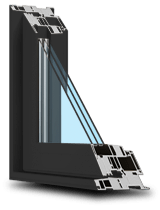
At the heart of a capable window is the insulated glass unit, two or three panes of glass sealed together with an insulating space between them. A Low-E coating is an invisibly thin metallic layer on the glass that reflects heat back toward its source, keeping warmth inside during winter. The sealed space is usually filled with an inert gas such as argon, which slows heat transfer better than plain air. Around the edge, a warm edge spacer reduces heat loss at the perimeter and helps the unit flex slightly as temperatures change, which is exactly the kind of movement Calgary demands. Together, these elements allow a window to maintain its performance through swing after swing.
The frame and the way it is put together matter just as much. Reinforced frames resist warping as temperatures shift, and multiple internal air chambers provide insulation. Quality weatherstripping and airtight construction keep drafts out even after years of expansion and contraction. If you want an independent benchmark, Natural Resources Canada sets the ENERGY STAR Most Efficient threshold at a U-factor of 1.05 W/m²·K or lower or an Energy Rating of 40 or higher , which is a useful marker when comparing products for a cold climate. When these features are chosen together as a package rather than one at a time, the window performs as a coordinated system. That coordination is what separates a window that merely survives a Calgary winter from one that keeps a home genuinely comfortable through it. You can explore the range of energy-efficient windows built with these features to see how the pieces fit together.
"In a climate like Calgary’s, the glass package is where comfort is won or lost. We match the coating, the gas fill, and the spacer to the way the home actually faces the weather, because a window that is engineered for constant temperature change holds its performance far longer than one that simply meets a minimum." Helen Sin, Consumer Success Manager at Canadian Choice Windows & Doors
Are all window frame materials equally reliable in Calgary’s climate?
Frame materials are not identical, and each behaves slightly differently under repeated temperature changes.
Every common frame material can be made into a serviceable window, but each responds to Calgary’s swings in its own way. Vinyl frames are popular across the prairies because they insulate well, resist moisture, and need very little maintenance, which suits a climate that alternates between snowmelt and deep cold. Fibreglass is strong and stable and carries a higher price. Wood offers a classic look and good natural insulation, though it requires regular upkeep to withstand moisture and dryness over the years. Hybrid designs combine materials to balance strength, appearance, and cost. Rather than crowning a single winner, it helps to think about which qualities matter most for your home and how long you plan to stay in it.
For many Calgary homeowners, the appeal of vinyl windows comes down to a practical mix of insulation, durability, and low maintenance at a reasonable cost. A well-built vinyl frame with multiple air chambers retains heat effectively and withstands repeated expansion and contraction. That does not make other materials wrong, since the right choice depends on budget, style preference, and how much upkeep you want to take on. The point is to match the material to your priorities rather than assume they all perform the same through a prairie winter.
The comparison below outlines how the main frame materials tend to behave in climates with frequent temperature swings.
|
Frame Material |
Insulation |
Maintenance |
Best Suited For |
|
Vinyl |
Strong, with multi-chamber designs |
Low |
Homeowners wanting efficiency and easy upkeep |
|
Fibreglass |
Strong and dimensionally stable |
Low to moderate |
Buyers prioritizing strength who accept a higher cost |
|
Wood |
Good natural insulation |
Higher needs regular care |
Homeowners wanting a traditional look and willing to maintain it |
|
Hybrid |
Varies by combination |
Moderate |
Those balancing appearance, strength, and budget |
What warning signs show your current windows are not handling Calgary weather properly?
Your windows usually tell you they are struggling long before they fail outright, if you know what to watch for.
Some signs are easy to see. Condensation or frost on the room-facing surface of the glass may indicate that the glass is cold relative to the home’s indoor humidity. Fog or moisture trapped between the panes is more likely to indicate a failed insulated glass seal. Frames that look warped or no longer sit square in the opening suggest the material has moved with temperature changes. Windows that are difficult to open, close, or lock often react to the same movement. Other signs are quieter. A room that never quite holds its temperature, a persistent draught you cannot trace, or outside noise that seems louder than it used to be can all be traced back to windows that have lost their airtight fit. Noticing these early gives you time to plan rather than react.
It helps to separate the visible red flags from the hidden performance issues. The visible ones, such as fogged glass or a frame that has pulled away from the wall, are obvious once you look. The hidden ones show up on your utility bill and in your comfort, which is why they are easy to ignore until they add up. A homeowner who checks both categories each winter has a much clearer sense of whether repair will do or whether replacement is the smarter path. When several signs appear together, it is worth having the windows and surrounding installation inspected. A broader home energy assessment may also help determine whether heating, insulation, ventilation, or air leakage is contributing to the problem.
Can the right glass package reduce heat loss and improve year-round comfort?
Yes, and in a climate like Calgary’s, the glass package is one of the most important factors affecting a window’s thermal performance and interior surface temperature.
Most quality windows today use double or triple-pane glass. Double-pane units with a Low-E coating and argon fill perform well for many Calgary homes and let in generous solar warmth through the winter. Triple-pane units add a third layer of glass and a second insulating space, which improves both thermal performance and noise control. The trade-off is cost and weight, so triple-pane is most worthwhile on exposed elevations, especially in cold rooms or where outside noise is a concern. Balancing solar heat gain also matters, since a package that captures winter sun on a south-facing wall can add welcome warmth, while the same package on a hot summer wall might work against you. Matching the glass to how each opening faces the weather is where real comfort comes from.
Beyond temperature, the glass package shapes the everyday feel of a home. Low-E coatings reduce the amount of ultraviolet light that causes floors and furniture to fade. The insulating space dampens outside noise, which many homeowners notice most in busy neighbourhoods. And warmer interior glass means fewer cold spots to sit beside in winter. These comfort benefits are hard to put a number on, but they are usually the first thing homeowners mention after an upgrade. A thoughtful glass package does more than cut heat loss; it changes how the home feels to live in.
"The mistake I see most often is treating glass as one-size-fits-all. Double pane is right for many rooms, but on a cold north wall or beside a busy street, stepping up to triple pane changes the comfort in a way you feel immediately. The glass should match the local climate and the way each window faces it, not a generic default." Tony Wong, Project Manager at Canadian Choice Windows & Doors
Why does installation quality matter as much as the window product itself?

Even the best window will underperform if it is not measured, fitted, and sealed with care.
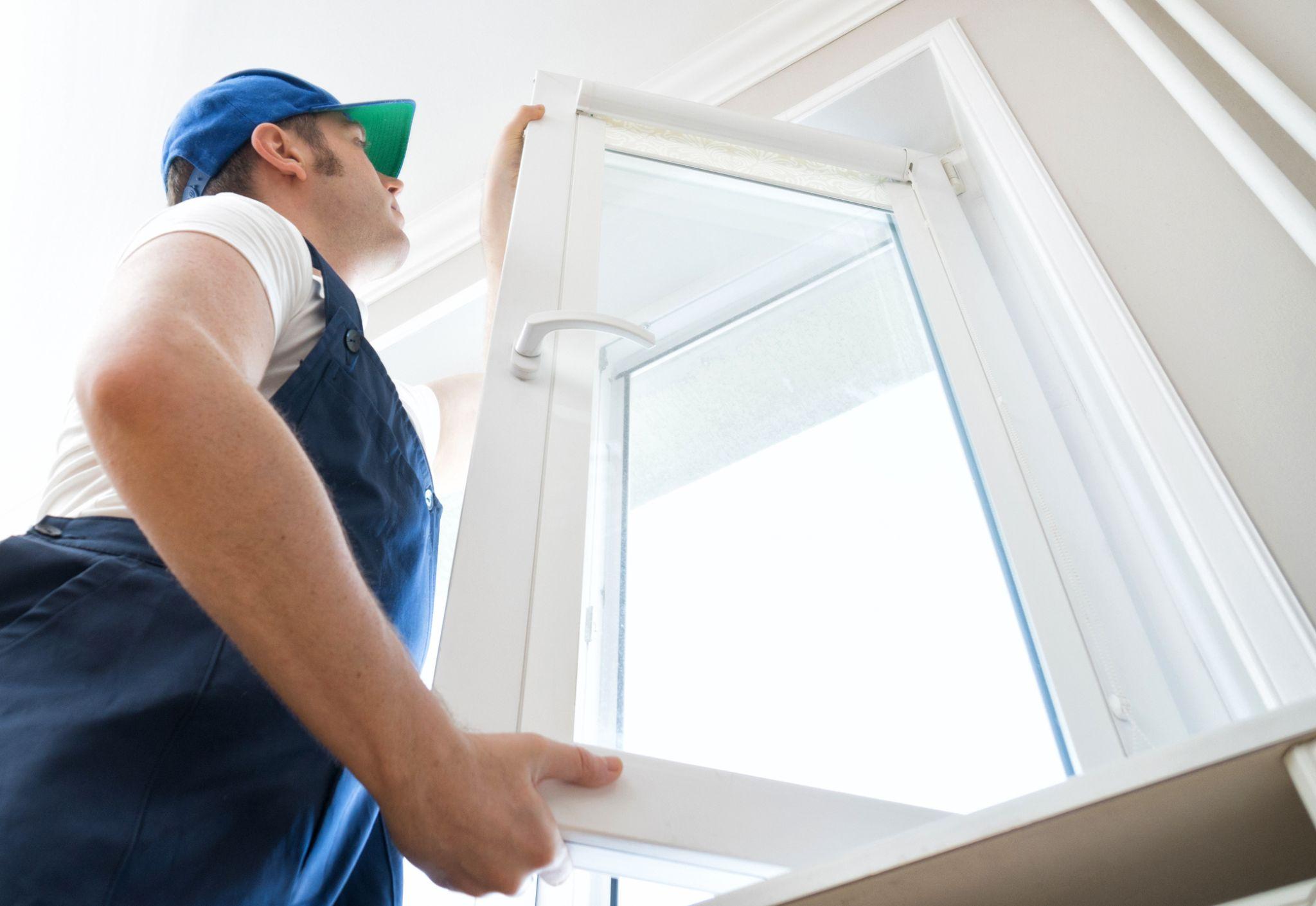
A window only works as well as the opening it sits in. Accurate measuring comes first, because a unit that is even slightly off size cannot seal properly against the frame. During installation, the crew uses shims to hold the window square and level, then insulates the gap around the frame to prevent cold air from bypassing the window entirely. The sealing method matters too, since the right sealants and foams keep the assembly airtight through years of expansion and contraction. Finishing details, from interior trim to exterior caulking, protect that seal from weather and wear. Each step is small on its own, but together they decide whether the window delivers the performance it was built for.
Poor installation quietly undoes good products. An uninsulated frame around the edges creates a path for drafts, no matter how efficient the glass is. Sealant applied in freezing conditions may never cure correctly, which is one reason Calgary installers plan around the weather. Skipping the shimming step can leave a window under stress, causing it to bind or leak sooner than it should. These mistakes are common enough that homeowners should ask exactly how the crew will handle sealing and insulation before signing. Good installation is not glamorous, but it is what makes a quality window last through Calgary’s swings.
What a quality installation includes
-
Precise measurement of each opening before ordering the windows.
-
Shimming to hold the unit square, level, and free of stress.
-
Full insulation and airtight sealing around the entire frame.
-
Installation conditions that meet the application requirements for the selected sealants and insulation products.
-
Clean interior and exterior finishes to protect the seal long term.
How can homeowners compare window options without focusing only on price?
Price is easy to compare, but it tells you the least about how a window will serve you over the years.
A useful way to think about the decision is in terms of lifecycle value rather than sticker price. A higher-performing window may offer better long-term value through improved comfort, reduced heat loss, lower maintenance needs, and the potential for energy savings. Warranty coverage is part of that picture, since a strong, transferable warranty protects your investment and adds value if you sell. Durability and maintenance also belong in the comparison, because a low-maintenance frame saves both money and effort over a couple of decades. And comfort, though hard to price, is the benefit you live with every day. Weighing all of these together gives a far truer sense of value than the number at the bottom of a quote. Available financing can also change how that up-front number feels, and Alberta homeowners may be able to spread the cost of an efficiency upgrade through the Clean Energy Improvement Program , which makes a higher-performing window easier to choose without straining the budget.
When comparing quotes, it helps to ask what each one actually includes. Two proposals at different prices may cover very different glass packages, frame quality, or installation standards, and the cheaper one is not a bargain if it leaves out the features Calgary’s climate requires. Costs will naturally differ between markets as well, so a Toronto window replacement company and a Calgary installer may quote different ranges for similar work because of local labour and demand. Focus less on matching the lowest single number and more on which proposal delivers the performance, coverage, and comfort your home genuinely needs.
Cheap versus cost-effective
-
A cheap window wins on the initial price but may cost more over time through drafts, repairs, and higher bills.
-
A cost-effective window may cost more up front yet return value through efficiency, durability, and comfort.
-
Warranty strength and installation quality often separate the two more than the product price does.
When is the best time to schedule window replacement services in Calgary?
There is no single perfect date, but planning around Calgary’s weather and installer schedules makes the process smoother.
Many homeowners assume summer is the only sensible time to replace windows, and summer is indeed busy, so booking well ahead is essential. In practice, windows can be installed in most seasons, as long as the crew works around freezing temperatures, since sealants and foam insulation require favourable conditions to cure. Spring and early autumn often strike a good balance of manageable weather and shorter wait times. Because Calgary’s climate is defined by the temperature swings we have discussed, the safest approach is to order your windows a couple of months in advance and then schedule the installation for a stretch when conditions are likely to be above freezing. That planning protects the seal's quality, which makes the whole upgrade worthwhile.
Urgency changes the calculation. If a window has failed outright, is letting in water, or has become a security concern, it is worth replacing promptly rather than waiting for an ideal season, and a good installer can work around the cold when needed. For planned upgrades, though, a little patience pays off in convenience and often in scheduling flexibility. The key is to treat timing as part of the project rather than an afterthought. Deciding early when you want the work done and ordering accordingly keeps you from waiting through a busy stretch or rushing an installation in poor conditions.
Can windows be installed in winter?
They can, and experienced Calgary crews do it regularly, but it takes care. The main concern is that sealants and expanding foam cure properly, which is harder in extreme cold, so installers manage the work in stages and choose products suited to lower temperatures. If a replacement is urgent, winter installation is a reasonable option handled by professionals. If it can wait, scheduling for milder conditions simply makes the process easier for everyone involved.
What is the smartest conclusion homeowners can draw before upgrading their windows?
The clearest takeaway is that Calgary’s constant temperature swings, from deep winter cold to Chinook warmth and back, are the single biggest reason to choose windows engineered for those conditions rather than windows chosen on looks or price alone. The features that make the difference work together as a system: an insulated glass unit with a Low-E coating and gas fill, a warm-edge spacer, a reinforced, well-sealed frame, and a careful installation that keeps the whole assembly airtight. Vinyl frames remain a practical and efficient choice for many prairie homes, and matching the glass package to how each window faces the weather is what turns a good product into a genuinely comfortable home. Comparing options on lifecycle value, warranty, and comfort, rather than sticker price, leads to the decision most homeowners are happiest with over the long run.
When you are ready to take the next step, the most useful thing you can do is talk with a local team that knows Calgary’s climate and can match the right windows to your home. Canadian Choice Windows & Doors works with homeowners across the city to plan upgrades that hold their performance through every swing the prairies deliver. You can start by exploring Calgary window options and requesting a free, no-pressure consultation to see which options suit your home and budget.
Frequently Asked Questions
Why do Calgary windows fail faster than windows in milder climates?
Calgary’s frequent freeze-and-thaw cycles and rapid Chinook swings force window materials to expand and contract far more often than they would in a stable climate. That repeated movement stresses seals, frames, and glass units over time, so windows that are not rated for these conditions tend to loosen, leak, or fog sooner.
Are vinyl windows a good choice for Calgary’s temperature swings?
For many homeowners, yes. Vinyl frames insulate well, resist moisture, require little maintenance, and handle repeated expansion and contraction comfortably. The best choice still depends on your budget, style, and how long you plan to stay, so it is worth discussing your priorities with an installer.
Is triple-pane glass worth it in Calgary?
Triple pane glass adds insulation and noise control and is often worth it on cold, exposed walls or beside busy streets. In more sheltered rooms, a quality double-pane unit with a Low-E coating and argon fill may be all you need. Matching the glass to each opening usually makes more sense than choosing one package for the whole home.
How can I tell if my windows need replacing rather than repairing?
Watch for fog trapped between the panes, frost on the interior glass during cold snaps, drafts, warped frames, and windows that stick or will not lock. When several of these appear together, or when your heating bill climbs for no other reason, replacement is usually the more cost-effective path.
Can windows be installed during a Calgary winter?
Yes, experienced crews install windows year-round, but they plan carefully around freezing temperatures to ensure sealants and foam cure properly. If a replacement is urgent, it can be handled in winter, while planned upgrades are often easier to schedule for milder conditions.
How far in advance should I order replacement windows?
Ordering roughly two months before your preferred installation date is a good rule in Calgary. It gives the manufacturer time to build the windows to size and lets you schedule the installation for a stretch of reasonable weather rather than rushing it.
Does installation quality really affect energy performance?
It does, significantly. A high-performing window still lets in drafts if the frame is not insulated and sealed properly, and if sealant is applied under the wrong conditions, it may not cure. Careful measuring, shimming, insulating, and sealing are what allow the window to deliver the efficiency it was designed for.
1000’s of Colours & Textured Finishes
Transform your home from ordinary to extraordinary with our new coloured and non-glare textured finishes. Available in a wide array of colours as well as custom matched colours for your very own personalized design.
Our Most Popular Replacement Window Colours: