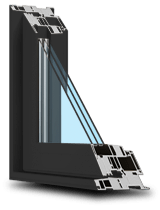
Triple vs Double Pane Windows in Edmonton
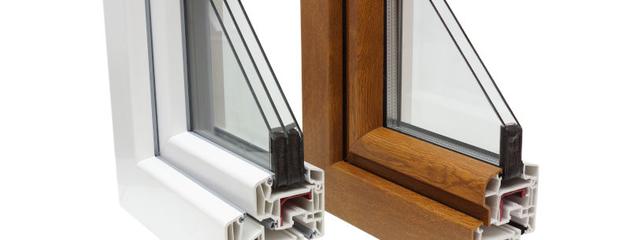

In Edmonton, the “ double vs triple pane ” decision is rarely about specs — it’s about outcomes: whether rooms near the windows stop feeling cold, whether frost and edge condensation improve, and whether the upgrade still performs after years of deep winter stress. Triple-pane windows can absolutely improve comfort in the right situation, but they are not a universal fix.
Here’s the practical answer: triple pane windows are usually worth it in Edmonton when the home is older, draft‑prone, wind‑exposed, or has large glazing areas where surface temperature matters In a newer or already well‑sealed home, a high‑quality double pane system (with the right glass package and a professional airtight install) often delivers a similar comfort outcome with a better cost‑to‑benefit.
This guide is designed to prevent the most expensive mistake: over‑investing in glass while the real comfort loss comes from air leakage, edge performance, and installation details We’ll explain what actually fails in long‑duration cold, what the extra pane can and can’t solve, and how Canadian Choice Windows & Doors evaluates Edmonton homes so you buy the right system — not the most expensive one.
Key Takeaways
- Edmonton performance problems are often perimeter and air‑leakage driven, not “center‑of‑glass” driven.
- Triple pane improves glass surface temperature and can reduce radiant cold near large windows — but it won’t fix a leaky install.
- In sustained cold, long‑term reliability depends on seals, spacers, frame compression, and installation integration
- In many post‑2000 homes, high‑quality double pane + airtight install delivers excellent comfort and value.
- Triple pane makes the most sense in older homes, wind‑exposed sites, and large glazing areas — especially when full‑frame replacement is possible.
- The best results come from a system approach: glass package + frame + spacer + airtight installation + moisture/ventilation awareness.
Why This Question Matters for Edmonton Homeowners
Edmonton homeowners don’t ask this question out of curiosity. Window replacement is one of the biggest home upgrades you can make, and winter discomfort is not theoretical here — it’s daily life. The decision pressure usually looks like this:
- Heating bills stay high even after other upgrades.
- Rooms near windows feel cold even when the furnace runs constantly.
- Triple pane is presented as “the cold‑climate solution,” but the cost jump feels hard to justify.
- You want to avoid paying more for specs that don’t translate into comfort.
The real risk is not choosing double-paned windows instead of triple-paned windows. The real risk is choosing the wrong solution for the real failure mode — especially when the main issue is air leakage at the perimeter or an install that never becomes truly airtight.
Edmonton Cold Is Less About ‘One Bad Night’ and More About Long‑Duration Stress

Windows rarely fail from a single cold night. Edmonton is challenging because cold can persist for long stretches, keeping materials contracted and seals less elastic for extended periods. That sustained stress is what exposes weak points in window assemblies: gasket stiffness, edge thermal bridging, and tiny gaps that become noticeable drafts when wind pressure is high.
In practical terms, Edmonton's cold tends to amplify:
- Seal stiffening and reduced compression in deep cold.
- Edge‑of‑glass temperature drops (where condensation and frost often start).
- Pressure‑driven infiltration on exposed elevations and corner lots.
- Long‑term fatigue in components if the system isn’t designed and installed for the climate.
How Window Performance Actually Works
Pane count matters — but it’s only one lever. In Edmonton, comfort and durability come from four interacting mechanisms. If you understand these, the decision becomes much clearer.
1) Heat transfer through the glass
Adding panes reduces conductive heat loss: moving from single to double is a major jump, while double to triple is a smaller, incremental improvement. The third pane can raise the interior glass surface temperature, thereby reducing radiant discomfort near large windows.
2) Air leakage and infiltration
In real homes, the biggest losses around windows are often due to air movement, not glass conduction. Even small leakage paths at the frame‑to‑wall joint or sash contact points can dominate comfort loss in deep cold.
Tony Wong, Project Manager at Canadian Choice Windows & Doors , puts it simply:
In Edmonton, a window can have great glass, but if the installation isn’t integrated with the home’s air barrier, the comfort improvement can be limited. Airtightness is the gate — thicker glass can’t compensate for leakage.”
3) Frame and spacer behaviour in sustained cold
Edge performance is where Edmonton problems often show first. Spacers, seals, and frame materials all respond to prolonged cold and repeated cycles. A well‑built unit uses spacer and seal designs that reduce thermal bridging at the edge and maintain durability through seasonal stress.
4) Condensation patterns (a diagnostic signal, not a ‘glass problem’)
Condensation happens when moist indoor air hits a surface that’s below its dew point. The location tells you what’s wrong:
| Where you see moisture | What it usually indicates | What to check next |
|---|---|---|
| Center of glass | The glass surface temperature is low | Glass package, Low‑E, triple vs double if the install is already airtight |
| Edge of glass/corners | Edge thermal bridging or seal/spacer weakness | Spacer type, seal integrity, long‑term durability |
| Perimeter / along frame | Air leakage at the sash or frame‑to‑wall | Interior air seal, shims/anchoring, install method |
What Actually Fails at −30°C (and Below)
Most window failures in Edmonton are not dramatic breakages. They are gradual performance losses — the kind you feel as drafts, edge frost, or a window that no longer closes with the same compression.
Seal stiffening and micro‑gaps
In deep cold, seals can stiffen and lose elasticity. That can reduce compression at contact points, creating micro‑gaps that are invisible but noticeable as intermittent drafts during windy conditions.
Edge performance decline (spacer and seal stress)
Spacers sit at the coldest part of the window. Over time, differential movement between materials and repeated cycles can reduce edge performance, which is why frost and condensation often appear at corners first.
Frame alignment and hardware compression
Alignment affects compression, and compression affects airtightness. Heavier IGUs can increase demands on hardware and sash geometry. The goal is not simply to add glass, but to ensure the frame and hardware maintain consistent sealing pressure year after year.
Installation aging effects
Installation choices often determine long‑term outcomes. A window can test well in a lab, but field results depend on whether the frame is properly anchored, insulated, and air‑sealed at the interior plane. In Edmonton, small installation weaknesses can become big comfort complaints.
How Problems Typically Show Up Over Time
A simplified timeline helps explain why “it was great at first” is such a common story:
| Time after install | What homeowners notice | What it often points to |
|---|---|---|
| Years 1–2 | Comfort improves; occasional corner moisture during extreme cold | Normal humidity + early edge temperature sensitivity |
| Years 3–5 | Intermittent drafts on windy days; more corner frost | Seal compression changes, small gaps, installation air-seal limitations |
| Years 6–10 | Harder operation, reduced airtightness, persistent edge condensation | Hardware/geometry wear, spacer fatigue, installation aging effects |
When Triple Pane Windows Make Sense in Edmonton
Triple pane is not “wrong.” It’s simply context‑dependent. The best outcomes tend to appear when the home’s conditions actually allow the extra pane to matter.
Triple pane is usually worth it when
- The home is older and draft‑prone, and you are doing a full‑frame replacement with airtight integration.
- The site is wind‑exposed (open corridors, corner lots, limited shielding).
- You have large glazing areas where radiant comfort near glass is a daily issue.
- Wall upgrades are limited or impractical, so window surface temperature matters more for comfort.
Helen Sin, Consumer Success Manager at Canadian Choice Windows & Doors , frames the decision as comfort-first:
“Triple pane can be a real comfort upgrade in Edmonton — but it’s most noticeable when the home is drafty, or the glass area is large. If airtightness and installation are addressed, the extra pane can raise interior surface temperatures and reduce that ‘cold near the window’ feeling.”

When Triple Pane Often Does NOT Make Sense (Important)
This section prevents overspending. Triple pane is often a marginal upgrade when the controlling variable is not glass.
Triple pane is often not worth it when
- The home is newer or already tight (comfort issues come from ventilation balance, heating distribution, or walls).
- The project uses insert/retrofit methods that leave original leakage paths intact.
- Budget trade‑offs mean you’d have to skip critical airtightness work or other high-impact envelope improvements.
- You cannot verify installation quality and interior air sealing — the third pane won’t overcome a leaky perimeter.
Double vs Triple Pane in Edmonton: A Real‑World Comparison
| Configuration | Expected comfort outcome | Best fit |
|---|---|---|
| High‑quality double pane + airtight install | Strong comfort, strong value | Many post‑1990 homes and well‑sealed envelopes |
| Triple pane (average build) + average install | Often, only a marginal improvement | Rarely optimal |
| Triple pane + full air‑sealing + quality edge design | Noticeable comfort gain nearthe glass | Older, draft‑prone homes; wind‑exposed sites; large glazing areas |
| Double pane + targeted envelope air‑sealing | Often best ROI for comfort | Many Edmonton homes where leakage dominates |
Scenario Table: When the Extra Pane Changes the Outcome (and When It Doesn’t)
Two homes can buy “the same windows” and get opposite results because the controlling variable is usually not the glass — it’s airtightness, exposure, and access to installation.
| Edmonton scenario | What dominates comfort loss | Double pane outcome | Triple pane outcome | Practical note |
|---|---|---|---|---|
| Pre‑1980 detached, visible drafts | Air leakage + weaker walls | Improves only if an airtight installation is achieved | Larger comfort gain if an airtight install is achieved | Sealing is the gate for both options |
| 1990s home, moderate leakage | Perimeter leakage + mixed insulation | Often best cost‑to‑comfort ratio | Smaller incremental gain | Triple pane can help with large openings, ROI is slower |
| Post‑2000 home, tight envelope | Distribution/ventilation balance | Typically sufficient | Often marginal | Avoid paying for glass to solve non‑window issues |
| Wind‑exposed site | Pressure‑driven infiltration | Depends on frame/seal quality | Depends on frame/seal quality | ‘Tighter’ beats ‘thicker.’ |
| Large picture window / big glazing | Radiant comfort + surface temp | Can still feel cold near the glass | Can reduce radiant discomfort | Comfort benefit can be real even if bills don’t drop dramatically |
Common Myths Edmonton Homeowners Hear (and How to Reality‑Check Them)
Myth: “Triple pane always means warmer rooms.”
Reality: If air leakage exists, it can dominate comfort loss. Reality‑check: test around perimeters on a cold, windy day and look for infiltration at trim lines and sash contact points.
Myth: “ENERGY STAR alone guarantees Edmonton performance.”
Reality: Ratings provide a baseline, but field outcomes depend on edge design and installation quality. Reality‑check: confirm spacer type, sealing strategy, and installation method (full‑frame vs insert).
Myth: “New windows automatically fix a cold room.”
Reality: Cold rooms can be driven by wall insulation gaps, rim‑joist leakage, or airflow/return issues. Reality‑check: identify the dominant loss path before choosing pane count.
Decision Framework: How to Choose Without Overbuying
Use this practical step‑by‑step framework before you commit:
- Assess the house, not just the weather: build era, known drafts, comfort patterns.
- Identify the real driver: is it perimeter leakage, edge condensation, or center‑glass cold?
- Match the window system to the envelope: large glazing and older homes favour triple pane more.
- Prioritize airtight installation: pane count can’t compensate for poor air sealing.
- Decide based on outcome: comfort near glass, condensation patterns, and long‑term durability — not marketing labels.

How Canadian Choice Windows & Doors Helps Edmonton Homeowners Choose Correctly
Canadian Choice Windows & Doors approaches Edmonton replacements as a system decision. That means you don’t just select “double or triple.” You confirm which failure mode is controlling comfort in your home, then specify the right combination of glass, edge design, frame, and installation method.
- Professional measurement and fit planning for long-term alignment and compression.
- Glass package selection based on comfort goals (not just a spec sheet).
- Attention to edge performance and sealing strategy to reduce drafts and moisture risk.
- Installation practices focused on airtightness, anchoring, and integration with the opening.
- Clear guidance on when triple pane will move the needle — and when it won’t.
If you want the safest next step, book a professional assessment. It’s the fastest way to avoid paying for the wrong upgrade — and the best way to ensure the system you choose performs through Edmonton winters for years.
The Right Answer Is the One That Fits Your House
Edmonton’s cold makes window decisions feel high‑stakes. But the answer becomes clear when you focus on failure modes. Triple-pane windows can be a meaningful comfort upgrade in older, draft‑prone, wind‑exposed homes and in large glazing areas — especially when the installation is airtight, and the edge design is built for long‑duration cold. In many other Edmonton homes, properly installed high-quality double-pane windows can deliver excellent comfort and a better cost balance.
The most reliable decision is made by evaluating the building first, identifying the true source of comfort loss, and choosing a system that matches your home — not the label. Canadian Choice Windows & Doors can help you do exactly that.
FAQs
Do triple-pane windows always reduce condensation in Edmonton?
They can reduce condensation in the center of the glass by keeping the interior surface warmer. But edge or perimeter condensation often points to spacer/edge design, indoor humidity, or air leakage — which triple pane alone won’t fix.
Will triple-pane lower my heating bills enough to justify the cost?
It depends on your home’s baseline heat loss and airtightness. In many homes, comfort benefits can be more noticeable than utility savings. The best value comes when the system upgrade matches the dominant loss path.
If my home is newer, should I automatically choose double pane?
Not automatically — but in many newer or already well‑sealed homes, high‑quality double-pane windows with a proper install deliver excellent comfort. Triple-pane tends to show its value more in older or wind‑exposed situations and in large glazing areas.
Which installation approach best preserves performance in Edmonton?
A full‑frame replacement with proper insulation and interior air sealing typically preserves long‑term airtightness better than an insert method that leaves original leakage paths in place.
How can I tell if my comfort problem is due to leakage or to glass temperature?
Look at patterns. Drafts at trim lines and perimeter moisture usually point to leakage. Center‑of‑glass condensation and strong radiant chill near large panes can point to surface temperature.
What’s the safest next step if I’m unsure?
Schedule a professional evaluation. A qualified assessment can determine whether triple-pane windows will materially improve comfort in your specific home, or whether airtightness and installation details should be prioritized first.

1000’s of Colours & Textured Finishes
Transform your home from ordinary to extraordinary with our new coloured and non-glare textured finishes. Available in a wide array of colours as well as custom matched colours for your very own personalized design.
Our Most Popular Replacement Window Colours: