How to Protect Your Home from UV Rays

Key Takeaways
- UV rays can fade furniture, flooring, and artwork, while also impacting your family’s health.
- Modern vinyl windows with Low-E coatings and multi-pane glazing are the most effective way to reduce UV damage.
- Window treatments, UV films, and choosing the right materials provide additional protection.
- Replacing outdated windows boosts both UV protection and energy efficiency.
Why UV Protection is Important for Your Home
Our homes are both a sanctuary and a significant financial investment. While most of us remember to protect ourselves from the sun with sunscreen and sunglasses, it’s easy to forget that our interiors face similar risks from ultraviolet (UV) rays. Over time, unfiltered sunlight can cause considerable damage and financial loss if proper protection isn’t in place. Here’s how UV exposure affects your home:
Fading and Discoloration of Interior Surfaces
UV rays penetrate windows and gradually break down dyes and pigments in carpets, hardwood floors, curtains, and upholstered furniture. Over months and years, this results in noticeable fading, uneven coloration, and a diminished aesthetic appeal. In some cases, entire rooms may require refreshing or replacement of flooring and fabrics over time.
Damage to Artwork and Collectibles
Paintings, photographs, sculptures, and other decorative items are susceptible to sunlight. Continuous exposure to UV light can cause cracking, yellowing, or bleaching of inks, paints, and paper. Protecting these items from direct sunlight is crucial for preserving their value and appearance.
Degradation of Interior Finishes
Wood, laminate, and certain plastics can dry out, warp, or deteriorate when exposed to UV radiation. This compromises structural integrity over time, leading to expensive repairs or replacements of cabinetry, doors, and other interior fixtures.
Health Considerations Indoors
While glass blocks most UVB rays, UVA rays can penetrate standard windows and contribute to skin damage, premature aging, and even eye issues such as cataracts. Families spend hours indoors near windows, making UV protection just as important inside the home as outside.
Energy Efficiency and Comfort Impacts
Some UV-protective window films and coatings not only reduce fading but also improve thermal performance, keeping interiors cooler in summer. This can lower energy bills while simultaneously protecting furnishings.

“Ultraviolet light penetrates most standard windows and can potentially cause gradual but irreversible damage to flooring, furnishings, and artwork. Selecting windows with certified UV protection is essential for preserving both the aesthetics and long-term value of your home.”
— Helen Sin, Consumer Success Manager
How Modern Windows Reduce UV Exposure
One of the most effective ways to protect your home is with modern energy-efficient windows . Today’s technologies combine style, durability, and UV-blocking features.
Low-E Glass Technology
Low-E (low emissivity) coatings are microscopically thin layers applied to glass. They:
- Reflect harmful UV rays.
- Allow natural light indoors without the heat and damage.
- Help maintain a consistent indoor temperature.
Multi-Pane Glass & Insulating Gases
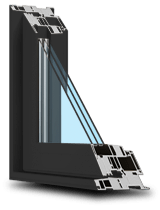
Modern vinyl windows often use double or triple-pane glass filled with argon or krypton gas. Combined with spectrally selective coatings, they:
- Block the majority of harmful UV rays (in many cases over 90%).
- Improve insulation and reduce energy bills.
- Increase overall home comfort.
Comparing UV Protection Options
| Window Technology | UV Protection | Energy Efficiency | Ideal For |
|---|---|---|---|
| Single-pane glass | Low (20–30%) | Poor | Outdated homes, minimal use |
| Double-pane (no coating) | Moderate (40–50%) | Fair | Entry-level replacement option |
| Double-pane w/ Low-E | High (70–80%) | Very Good | Most Canadian homes |
| Triple-pane w/ Low-E | Very High (90–99%) | Excellent | Maximum comfort & protection |
Replacing Older Windows and Doors
Older windows and doors, especially those with single-pane glass or worn frames, often provide minimal protection against ultraviolet (UV) radiation. Over time, this can accelerate the fading and deterioration of carpets, hardwood floors, furniture, and artwork, while also contributing to higher energy costs due to poor insulation. By upgrading to modern vinyl windows and steel doors with built-in UV-blocking coatings, homeowners can:
- Maximize UV protection: Modern low-emissivity (Low-E) glass and multi-chambered vinyl frames significantly reduce the amount of harmful UV rays entering the home, preserving interior finishes and furniture.
- Improve energy efficiency: Enhanced insulation and airtight seals prevent heat loss in winter and heat gain in summer, lowering monthly heating and cooling bills.
- Enhance durability and security: Steel doors and high-quality vinyl windows are resistant to warping, moisture, and general wear, providing long-term reliability and stronger protection for the home.
- Increase property value and curb appeal: New, energy-efficient windows and doors improve appearance and efficiency, and are attractive to potential buyers.
“Modern window and door technologies integrate UV-blocking coatings and advanced insulation, which not only preserve interior finishes but also enhance overall building performance. Selecting the right materials plays an important role in long-term protection and energy efficiency.”
— Tony Wong, Project Manager, Canadian Choice Windows & Doors
Additional UV Protection Strategies
Even with modern windows, there are several ways to reduce UV exposure further and protect your home’s interior:
Window Treatments
- Blinds and shades: Adjustable blinds enable you to control the amount of sunlight entering each room. During peak sunlight hours, lowering them can prevent direct UV rays from hitting furniture, flooring, or artwork.
- UV-blocking curtains: Specialized curtains with UV-blocking fabrics can reduce fading and protect interior surfaces without completely darkening the room.
UV Window Films
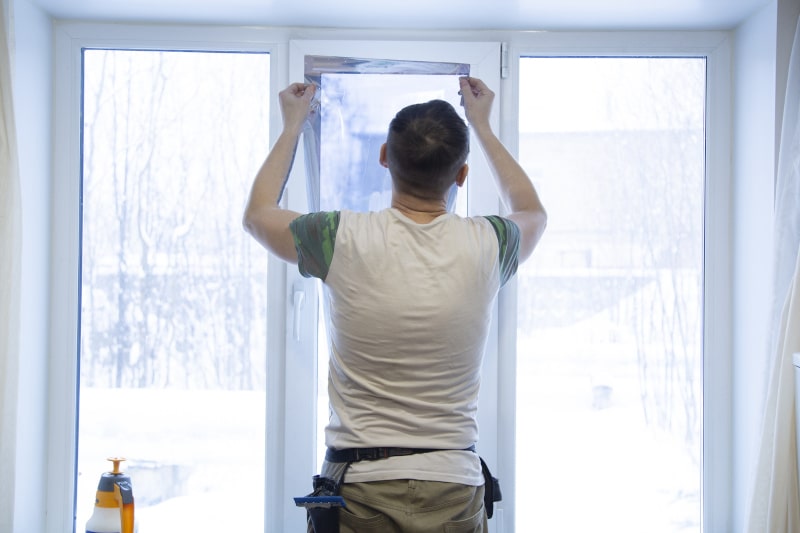
- Aftermarket UV films: These are thin, transparent films applied directly to the glass of the window. They can block up to 99% of harmful UV rays while maintaining visibility and allowing natural light to pass through.
- Additional benefits: Some films also reduce glare, improve energy efficiency, and offer extra privacy.
Smart Landscaping
- Strategic planting: Trees, shrubs, or vines placed near south- or west-facing windows can block intense sunlight during peak hours, providing shade while still allowing natural daylight to pass through.
- Architectural solutions, such as awnings, pergolas, or exterior shades, can complement landscaping by reducing direct sun exposure while maintaining brightness indoors.
- Energy benefits: In addition to UV protection, properly designed landscaping can help reduce cooling costs in the summer by shading your windows and walls.
By combining modern windows with these additional strategies, homeowners can significantly extend the life of their interiors, maintain comfort, and enhance energy efficiency throughout the year.
What Materials Block UV Rays Best?
When choosing UV protection, materials matter:
- Vinyl windows with Low-E glass - best long-term protection.
- Acrylic & polycarbonate panels offer strong UV resistance, making them often used in skylights.
- UV-protective films → affordable add-on for existing windows.
Can You Add UV Protection to Existing Windows?
Yes, it’s possible to enhance the UV protection of your current windows, even if they weren't initially designed with UV-blocking features. Homeowners have several options:
UV-Blocking Window Films or Tints
- How they work: These are thin, transparent layers applied directly to the interior surface of glass. They can block a significant portion of harmful UVA and UVB rays without altering the window's appearance.
- Benefits: Films reduce fading of furniture, carpets, flooring, and artwork. Some also offer glare reduction and increased privacy.
- Limitations: While effective, films may not provide the same insulation or energy efficiency as modern windows. Over time, lower-quality films can peel or bubble, reducing effectiveness.
Specialized Coatings
- Low-emissivity (Low-E) coatings: Some aftermarket products can be professionally applied to existing windows to reflect UV rays and heat, improving energy efficiency.
- Considerations: Coatings require professional installation and careful maintenance to ensure durability and performance.
Layered Protection with Window Treatments
- Combining films or coatings with UV-blocking blinds, shades, or curtains creates multiple layers of protection against UV rays. Layered protection can be handy in rooms with large windows or those facing south and west.
Long-Term Investment Perspective
- While adding films or coatings can be a cost-effective short-term solution, they are often only partially effective. Over time, modern vinyl windows and steel doors with built-in UV protection deliver superior long-term benefits, including improved energy efficiency, reduced glare, and maximum interior protection.
Protecting Your Home from UV Rays
The right windows do more than brighten your home — they protect your family and belongings from UV damage while saving you money on energy bills.
By investing in modern vinyl windows with Low-E coatings and multi-pane glass, you can:
- Keep your interiors beautiful for years.
- Improve home comfort year-round.
- Safeguard your health and your investment.
At Canadian Choice Windows & Doors, we offer energy-efficient, UV-protective vinyl windows and steel doors designed explicitly for homes.
Contact us today for a consultation and learn how the right windows can improve comfort and protection.
FAQs – Protecting Your Home from UV Rays
Q1. Why is UV protection important for my home?
A: UV rays can gradually fade furniture, flooring, curtains, and artwork. They can also degrade finishes and potentially impact your family’s skin and eyes, especially indoors. Adequate UV protection preserves both the aesthetics and longevity of your home.
Q2. How do modern windows help block UV rays?
A: Modern vinyl windows often feature Low-E coatings, multi-pane glass, and insulating gases such as argon or krypton. These technologies significantly reduce harmful UV rays, reduce heat transfer, improve energy efficiency, and maintain indoor comfort.
Q3. Can I add UV protection to my existing windows?
A: Yes. You can apply UV-blocking films or tints, install specialized coatings, and combine them with blinds or UV-blocking curtains for layered protection. However, for long-lasting and maximum effectiveness, replacing older windows with modern, UV-protective models is recommended.
Q4. What types of window materials offer the best UV protection?
A: Vinyl windows with Low-E glass are among the most effective for long-term UV protection. Acrylic or polycarbonate panels, often used in skylights, also provide strong UV resistance. UV films are a more affordable add-on but are generally less durable than modern windows.
Q5. Do window treatments help prevent UV damage?
A: Yes. Blinds, shades, and UV-blocking curtains can reduce direct sunlight, prevent fading of furniture and flooring, and provide additional protection when used in conjunction with UV-protective windows.
Q6. Are triple-pane windows better than double-pane windows for UV protection?
A: Triple-pane windows with Low-E coatings and gas fills generally block more UV rays and offer superior insulation compared to double-pane windows. They provide excellent comfort, energy efficiency, and long-term protection for the interior.
Q7. How can landscaping help reduce UV exposure inside my home?
A: Planting trees, shrubs, or installing awnings near south- or west-facing windows can shade interiors during peak sunlight hours. This not only reduces UV exposure but can also lower cooling costs in summer.
Q8. How do I know if a window is certified for UV protection?
A: Look for certified Low-E glass, ENERGY STAR® labels, and multi-pane glazing specifications. Trusted manufacturers often provide detailed product information, including UV-blocking performance ratings.

1000’s of Colours & Textured Finishes
Transform your home from ordinary to extraordinary with our new coloured and non-glare textured finishes. Available in a wide array of colours as well as custom matched colours for your very own personalized design.
Our Most Popular Replacement Window Colours: