Clerestory Windows: How They Improve Light, Privacy, and Comfort in Canadian Homes
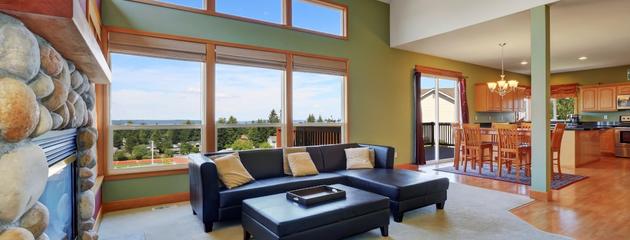

Clerestory windows are often associated with modern architecture, but their value goes far beyond visual appeal. These high-set windows have been used for centuries to bring light, air, and balance into spaces where traditional windows fall short.
In Canadian homes, clerestory windows offer a practical way to increase natural light, improve ventilation, and maintain privacy — all while supporting energy efficiency and thoughtful design. This guide explains what clerestory windows are, how they work, where they make sense, and what homeowners should consider before adding them to a home.
Key Takeaways
- Clerestory windows bring natural light deep into a space without sacrificing privacy.
- Their elevated placement supports natural ventilation and air circulation.
- They adapt well to different architectural styles, making them suitable for both renovations and new builds.
- Proper orientation and glazing are key to energy performance in Canadian climates.
- Clerestory windows can make rooms feel taller, brighter, and more open.
What Are Clerestory Windows?
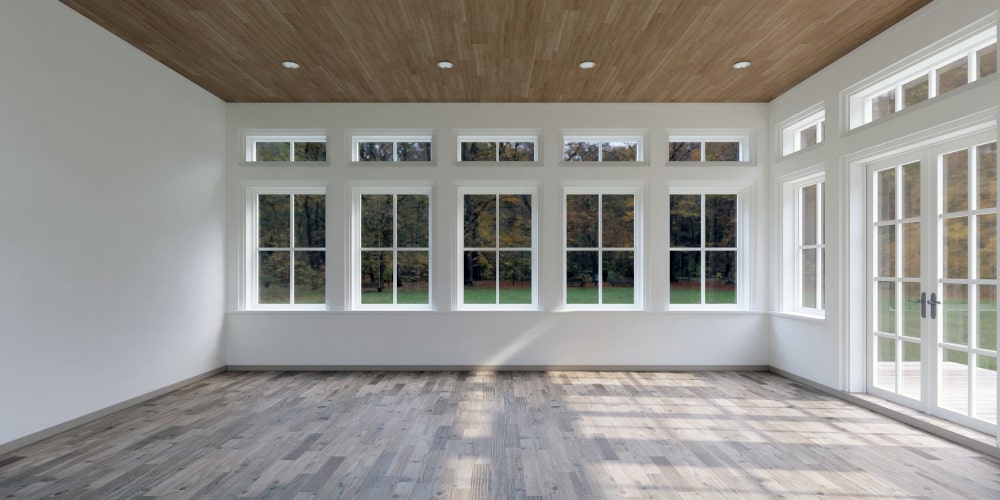
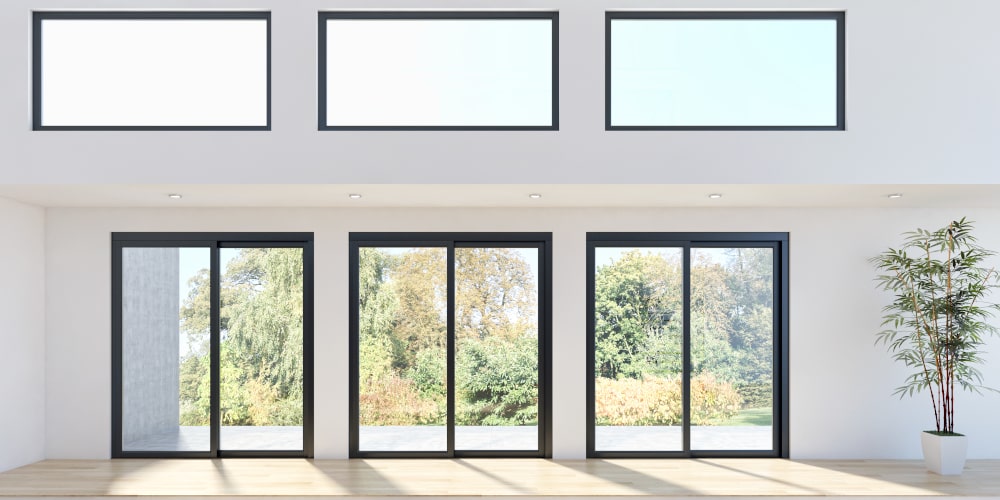
Clerestory windows are windows installed high on a wall, typically above eye level and often near the ceiling. Because of their placement, they allow daylight to enter the room while preserving privacy and leaving wall space below free for furniture, cabinetry, or artwork.
Unlike skylights, clerestory windows sit vertically and integrate directly into the building envelope. This makes them easier to control for insulation, ventilation, and shading.
Helen Sin, Consumer Success Manager , explains:
“Clerestory windows are especially effective in spaces where homeowners want light but don’t want to compromise privacy or wall functionality.”
You get daylight and openness without feeling exposed — a balance that’s difficult to achieve with standard window layouts.

A Brief History of Clerestory Windows — and Why It Still Matters
Clerestory windows are not a modern invention. Their origins date back thousands of years.
| Period | How Clerestory Windows Were Used |
|---|---|
| Ancient Egypt | Used in temples to bring symbolic light into sacred spaces |
| Roman Era | Integrated into large civic buildings for illumination |
| Romanesque | Added to churches with thick stone walls |
| Gothic | Expanded dramatically with taller walls and flying buttresses |
Clerestory windows have been used for centuries to bring light into large or deep spaces. From early civic buildings to modern homes, their purpose has remained the same: improving daylight where standard windows fall short.
The Benefits of Clerestory Windows in Modern Homes
1. Maximizing Natural Light
Because clerestory windows are positioned high on the wall, they allow sunlight to travel deeper into a room. This reduces dark zones and minimizes reliance on artificial
lighting during the day
.
Brighter interiors, lower daytime lighting needs, and a more comfortable atmosphere year-round.
2. Improved Ventilation Through Stack Effect
When clerestory windows are operable, they take advantage of a natural principle: warm air rises. Opening high-level windows allows hot air to escape, drawing cooler air in from lower openings.
Better summer airflow and improved indoor air quality without relying solely on mechanical systems.
3. Privacy Without Compromise
Because clerestory windows sit above eye level, they maintain privacy even in densely populated areas. This makes them ideal for bathrooms, bedrooms, or homes close to neighbours.
Natural light without blinds, curtains, or constant concern about visibility.
4. Energy Efficiency When Designed Correctly
Clerestory windows can support passive solar gain in winter while limiting unwanted heat gain in summer — when paired with the proper orientation and glazing.
Better energy balance and comfort, especially when combined with modern Low-E or triple-pane glass. In Canada, glazing choices and insulation details are critical to prevent heat loss in winter and overheating in summer.
5. Visual Height and Architectural Interest
Clerestory windows draw the eye upward, making ceilings feel higher and spaces feel larger. Externally, they add character and rhythm to rooflines and façades.
A noticeable design upgrade without significant structural changes.
Where Clerestory Windows Work Best
Clerestory windows are surprisingly versatile and can be adapted to many rooms.
- Living Rooms: Add daylight without sacrificing wall space for furniture or artwork
- Kitchens: Bring light above cabinets while maintaining privacy
- Bathrooms: Daylight without frosted glass or coverings
- Bedrooms: Bright, calm spaces without loss of intimacy
- Home Offices: Natural light that reduces glare and eye strain
“The right placement can completely change how a room feels — especially in homes with higher ceilings,” notes Tony Wong, Project Manager .
Design Considerations for Clerestory Windows
Orientation
South-facing clerestory windows provide the most sunlight throughout the day. North-facing windows offer softer, diffused light with minimal glare.:
Orientation affects both comfort and energy use — making it a practical performance decision rather than just a design choice.
Window Materials
Frames should be durable, low-maintenance, and well-insulated. Vinyl systems designed for Canadian climates are often preferred for thermal stability.
Glazing Options
Low-E coatings
, argon gas fills, and
double- or triple-glazing
help control heat transfer and UV exposure.
The wrong glazing can lead to overheating or heat loss — the right one improves comfort year-round.
Roof and Structural Integration
Clerestory windows must be carefully integrated with rooflines such as gable, shed, or flat roofs to ensure proper drainage and insulation.
Clerestory Windows vs. Traditional Windows
| Feature | Clerestory Windows | Traditional Windows |
|---|---|---|
| Privacy | High | Variable |
| Wall space | Preserved | Reduced |
| Light distribution | Deep and even | Localized |
| Ventilation | Excellent when operable | Standard |
| Design impact | Strong architectural feature | Conventional |
Clerestory windows don’t replace traditional windows — they complement them, solving design and lighting challenges in ways standard windows can’t.
The Future of Clerestory Windows
Clerestory windows are more than a design feature — they’re a practical way to improve light, airflow, and comfort in Canadian homes. When thoughtfully planned and properly installed, they enhance everyday living without sacrificing privacy or energy efficiency.
Frequently Asked Questions About Clerestory Windows
What is the difference between clerestory and transom windows?
Clerestory windows typically run along the upper portion of a wall and are larger, while transom windows are smaller and placed directly above doors or other windows.
Are clerestory windows suitable for existing homes?
Yes, especially in homes with vaulted ceilings or renovation projects where rooflines can be adjusted. A professional assessment is recommended.
Do clerestory windows make rooms too bright or hot?
Not when appropriately designed. Correct orientation and glazing help control heat and glare.
Can clerestory windows be opened?
Yes. Operable clerestory windows are often used to improve ventilation and airflow.
Final Thoughts
Clerestory windows are not just a visual statement — they’re a practical architectural solution that improves light, airflow, and comfort in Canadian homes. When thoughtfully designed and properly installed, they enhance both the function and feel of a space without sacrificing privacy or efficiency.
Whether you’re building new or renovating, clerestory windows offer a timeless way to bring more light into your home — naturally, efficiently, and beautifully.

1000’s of Colours & Textured Finishes
Transform your home from ordinary to extraordinary with our new coloured and non-glare textured finishes. Available in a wide array of colours as well as custom matched colours for your very own personalized design.
Our Most Popular Replacement Window Colours: