Installation and Replacement Tips
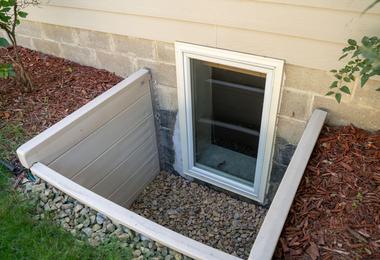
How to Add a Window to a Basement: What's Possible and What It Costs
Adding a window to a basement is possible in most Canadian homes with a sound poured concrete or concrete block foundation, and the total cost is driven mainly by site work such as foundation cutting, excavation, a window well, and drainage rather than by the window unit itself.

Can I replace just the window, not the frame?
If the glass has fogged up or a window feels drafty, it's natural to wonder whether you really need a whole new window, frame and all, or if just the window unit itself can be swapped out. The honest answer is: it depends on what's happening behind the glass. Here's how to tell which option fits your home, and when it's worth calling in a professional assessment before you decide.

Window caulking 101: how to caulk windows the right way
A good caulk job keeps drafts out, blocks water, prevents condensation, and quietly does the work of holding a window's energy performance in place. A bad one lets cold air, moisture, and insects through, and undoes a lot of what the window was designed to do.
When to Replace Windows in Calgary
Most Calgary homeowners start thinking about how long windows last when something goes wrong: a draft they can't seal, condensation that won't clear, or a frame that's starting to look worn at the edges. The honest answer is that there is no single number that applies to every window in every home.

6 Most Common Mistakes to Avoid While Replacing Windows in Calgary?
A window replacement project requires planning, research, and sound decision-making. In Calgary’s climate, mistakes can lead to higher energy bills, drafts, and long-term performance issues. We’ve listed the most common window replacement mistakes homeowners make, and how to avoid them when planning your project.
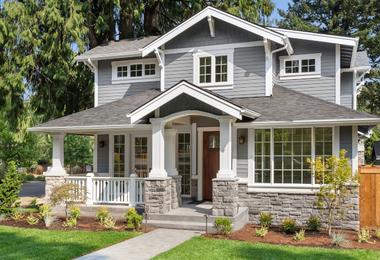
Windows That Handle Temperature Swings in Brampton’s Climate
If you live in Brampton, your windows face one of the most demanding climates in the country: temperatures that swing from below −20°C in winter to above 33°C in summer, freeze-thaw cycles that stress frames and seals every year, and high humidity that accelerates moisture damage. Choosing the right windows is one of the most effective upgrades most homeowners can make for year-round comfort and lower energy bills.
- Maritimes 8
- Product Comparisons 30
- Buying Guides 27
- Doors Types 38
- Energy Efficiency and Sustainability 50
- Home Improvement 27
- Installation and Replacement Tips 29
- Local Guides 55
- Maintenance and Repairs 36
- Manufacturers Reviews 8
- Pricing and Financing 18
- Room-Specific Windows 17
- Safety and Security 12
- Seasonal Tips 6
- Window Styles 17
- Window Types 52
- Past Projects