Energy Efficiency and Sustainability
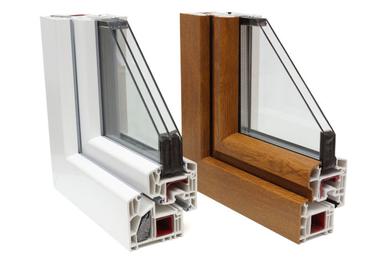
Triple vs Double Pane Windows in Edmonton
In Edmonton, the “double vs triple pane” decision is rarely about specs — it’s about outcomes: whether rooms near the windows stop feeling cold, whether frost and edge condensation improve, and whether the upgrade still performs after years of deep winter stress. Triple-pane windows can absolutely improve comfort in the right situation, but they are not a universal fix.
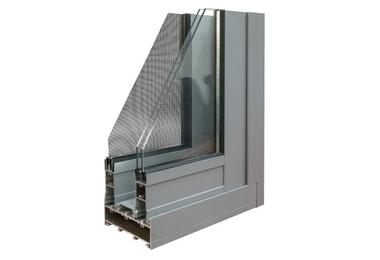
Low-E glass and double glazing: how they work together
Double glazing refers to the sealed two-pane insulated glass unit (IGU) that provides insulation through spacing, gas fills, and airtight seals. Low-E describes a near-invisible coating applied to a glass surface inside that sealed unit to manage radiant heat and solar behaviour.
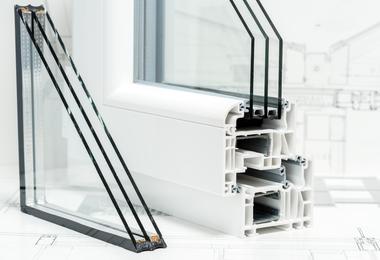
Insulated glass and Low-E glass: how they work together in modern windows
This guide explains how IGUs and Low-E work inside the same window assembly, what to look for on Canadian performance labels, and how to choose a configuration that matches your home’s exposure, climate, and comfort priorities — without guesswork.

How Much Value Do New Windows and Doors Add to a Canadian Home?
Replacing outdated windows is a proven long-term investment for many Canadian homeowners. Across Toronto, Vancouver, Calgary, and beyond, modern, high-efficiency windows increase resale value in the range of eight to fifteen percent, depending on market conditions, location, and upgrade scope, while saving hundreds of dollars in annual energy costs.

Best Windows for Net-Zero Homes in Canada
Across Canada, from icy prairies to coastal rain belts, homeowners are discovering that high-performance windows are becoming an increasingly important part of sustainable home design. They don’t just let in light; they manage energy, shape indoor climate, and define how efficiently a house can truly perform.

How to Choose Exterior Doors for Maximum Energy Savings
In a climate that can swing from humid summers to −40°C winters, your exterior door isn’t just an entry point — it’s a thermal barrier, a shield against energy waste. Whether you live in downtown Toronto or northern Ontario, the right door can reduce your heating costs, improve comfort, and even extend your home’s lifespan.
- Maritimes 8
- Product Comparisons 30
- Buying Guides 27
- Doors Types 38
- Energy Efficiency and Sustainability 50
- Home Improvement 27
- Installation and Replacement Tips 29
- Local Guides 55
- Maintenance and Repairs 36
- Manufacturers Reviews 8
- Pricing and Financing 18
- Room-Specific Windows 17
- Safety and Security 12
- Seasonal Tips 6
- Window Styles 17
- Window Types 52
- Past Projects