Buying Guides

How Much Do Entry Doors Cost in Canada?
If you’ve started looking into the cost of a new entry door, you’ve probably noticed how wide the price range can be. In this guide, we’ll walk through the most common door types, real pricing factors, and what usually has the biggest impact on the total replacement cost in 2026.

What should I look for in a Window and Door Warranty?
It’s normal for homeowners to spend a lot of time researching the best design elements for their homes. When buying or replacing a window or door, you know you’re making a long-term investment. Your windows and doors are meant to stay in their places for years. So you would naturally want them to be as comforting as possible.

The Best Security Doors for Maximum Home Protection
Security doors are the first defence against intruders. With increasing crime rates and innovative methods used by burglars, ensuring your home has the best protection is crucial. This article will explore the best security doors for homes, highlighting their features, benefits, and what to consider when choosing a door.

Can You Buy Windows Online in Canada? What Homeowners Should Know Before Ordering
Many Canadian homeowners are comfortable buying large items online. But when it comes to replacement windows, homeowners often wonder whether ordering them online is actually a smart idea.
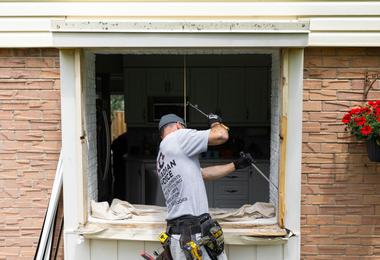
Replacement Window Buying Guide: How to Choose the Right Windows for Your Home
Replacing windows is one of the most important upgrades a homeowner can make. New windows can improve indoor comfort, reduce drafts, increase natural light, and refresh the home's appearance. This guide explains how replacement windows work, which window styles and materials are commonly used, and what homeowners should evaluate before making a decision.
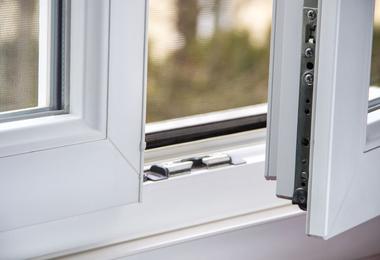
How Window Hardware Quality Impacts Everyday Use Over Time
Most homeowners focus on the glass first — triple glazing, Low-E coatings, energy ratings. But long-term performance depends just as much on what holds the system together and keeps it operating properly: the hardware. Hinges, locks, operators, and balances are the working components that carry the load every time the window opens and closes.
- Maritimes 7
- Product Comparisons 28
- Buying Guides 28
- Doors Types 38
- Energy Efficiency and Sustainability 48
- Home Improvement 28
- Installation and Replacement Tips 28
- Local Guides 55
- Maintenance and Repairs 37
- Manufacturers Reviews 8
- Pricing and Financing 18
- Room-Specific Windows 17
- Safety and Security 12
- Seasonal Tips 6
- Window Styles 19
- Window Types 52
- Past Projects