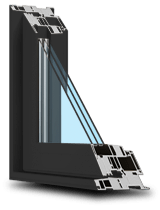
Can replacement windows be different colours inside and out?
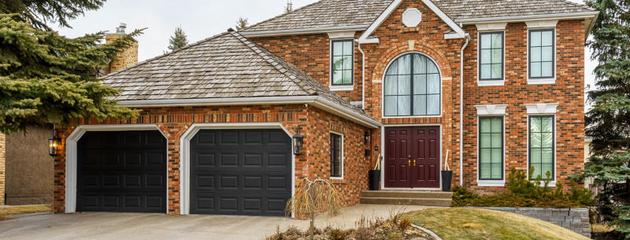

Yes. A replacement window can use different interior and exterior colours when that combination is available for the product you select. The order should name each finish and the parts it applies to, rather than relying on a general description such as “black windows.”
Treat the outside and inside as two decisions
Homeowners often choose a dark exterior to work with brick, siding, roofing or the front door, then prefer a warmer or lighter finish beside interior walls and cabinetry. Review both elevations before you order to avoid discovering too late that the exterior choice dominates a room in an unexpected way.
Start outside. Photograph the areas where the new windows meet materials that will remain, including masonry, siding, soffit, fascia and doors. Then look inside each room at the wall colour, trim, flooring and built-in cabinetry. A single black swatch can look different beside warm brick at the front of a home and beside a pale kitchen cabinet.
Ask to see physical samples of the actual offered finishes whenever possible. Screens and project photographs help you form an idea, but lighting, camera exposure and display settings can change the apparent colour. Check samples in daylight and under the indoor lighting you normally use. If some existing windows remain, compare the sample against them and decide whether you want a close match or a deliberate contrast.
Christie Park: the frame, jamb and brickmould don't have to match
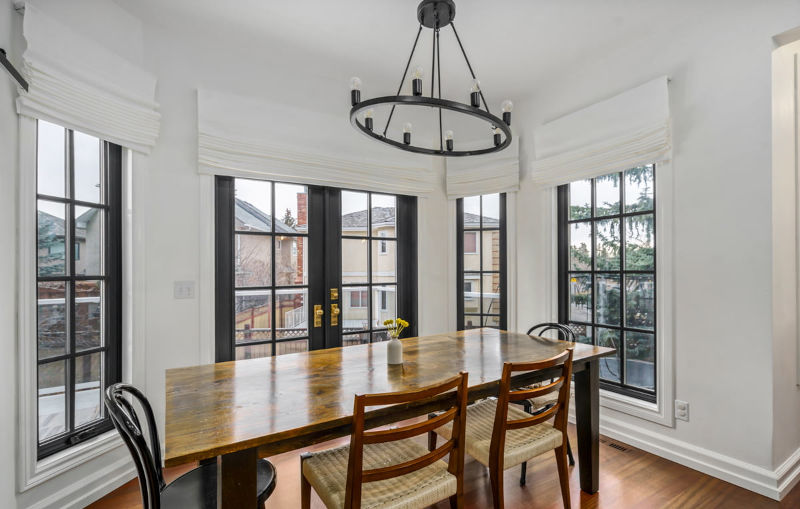
The Christie Park project in Calgary names the surrounding pieces in the written specification: DraftLOCK Plus, triple pane, black exterior & interior, white jambs & brickmould, French (double) door, SDL grilles on all windows and doors . The project included 24 windows and one patio door , with an approximate project total of $60,000 CAD .
This example gives a homeowner a more precise conversation to have. It uses black on both sides of the windows, then chooses white for the jambs and brickmould. The specification also names a grille pattern across the windows and doors. Rather than asking whether trim “matches,” identify each visible surface and state the intended contrast. A marked photograph, sample board or elevation drawing can make the instruction easier to check before the order is released.

Use it as a reference for how precisely a contrast can be written, then confirm product codes, opening sizes and grille construction for your own home.
Name every visible component in the quote
“Black windows” can leave several choices undecided. The frame and sash may be visible from both sides, while jambs, brickmould, grilles, and hardware may require separate selections. Ask the representative to point to the exact component on a sample or drawing, particularly when the same word can mean different trim pieces to different people.
| Component | What to put in the written selection |
|---|---|
| Frame | Interior and exterior finish names or codes |
| Sash | Finish on both sides and whether it differs visibly from the frame |
| Jamb or jamb extension | Material, finish and any work left for the homeowner or another trade |
| Brickmould | Exterior trim finish and whether it matches or contrasts with the window |
| Grilles | Pattern, location, finish and the openings to which it applies |
| Hardware | Finish offered for the selected product and operating style |
The terminology matters because a finish can look different on an adjacent surface. If a door and windows are being ordered together, put both on the schedule. If an existing wall, trim, or brickmould will remain, note that too. It prevents the installer from being asked to match a surface that was never included in the order.
Review the selection as a whole, not one swatch at a time
Set the proposed samples beside each other in the same order the home will show them: exterior window frame, exterior brickmould, front door or patio door, then the interior frame, jamb and nearby trim. This is more useful than judging one small chip in isolation. A homeowner considering a black exterior and beige interior, for example, can see whether the exterior door needs to match the black or whether a contrast is intentional. A homeowner using white jambs can decide whether the white should relate to the interior trim, the walls or both.
Ask the representative to identify which part of the sample represents the frame and which represents surrounding trim. If a physical sample can't show the full combination, have the company annotate a photo or drawing with labels such as “black exterior frame,” “white brickmould,” and “beige interior frame.” Keep that approved reference with the written specification. It gives the sales, manufacturing and installation teams one shared record of the decision.
Use a written colour checklist before signing
Bring exterior and interior photos to the meeting, then use this checklist to turn a visual preference into a clear requirement:
- State the product and opening location, then write the exact interior and exterior finish name or code.
- Identify frame and sash separately if the supplier treats them as separate finish choices.
- State the material and colour of the jamb, jamb extension and brickmould, and say whether any painting or touch-ups are included.
- Record the grille pattern, location and finish. If it applies to doors as well as windows, name each product and opening.
- Put patio doors and entry doors in the schedule, rather than assuming they share the window selection.
- Ask for a marked drawing, sample or approved photograph that identifies the visible surfaces receiving each finish.
- Ask for any colour-related price change, manufacturing timing and product-specific care or warranty information in writing.
Keep the signed selection with the quote. If you make a change after approval, ask for a revised version showing the altered component, price and timing. A colour change is more than a verbal preference once manufacturing is scheduled.
For broader inspiration, see our guide to colour trends for doors and window frames . When you're ready to finalize a selection, book a free consultation or contact our Calgary team to confirm the finishes available for your exact product.
Frequently asked questions
Can I have black windows outside and a lighter colour inside?
Yes, if the selected product offers that finish combination. The Canadian Choice Windows & Doors Heritage Pointe project uses black exterior and beige interior finishes. Confirm the exact product options and include both finish names in the order.
Do the jambs and brickmould have to match the window frame?
No. The Christie Park project uses black window finishes with white jambs and brickmould. Treat each surface as a separate written decision and confirm what components the chosen product can supply.
What should I ask for in a window colour quote?
Ask for the finish name or code on the frame and sash, the jamb and brickmould specification, grille and hardware finishes, door selections, price changes and any finishing work. A marked drawing or approved sample makes the requirement easier to verify.
Will different interior and exterior colours cost more?
Ask for the price of your exact configuration in writing. Published project examples don't isolate the cost of colour choices, so they can't establish a surcharge or show that a particular finish is included at no extra cost.

1000’s of Colours & Textured Finishes
Transform your home from ordinary to extraordinary with our new coloured and non-glare textured finishes. Available in a wide array of colours as well as custom matched colours for your very own personalized design.
Our Most Popular Replacement Window Colours: