What Is DraftLOCK Technology and How Does It Keep Your Home Warmer?
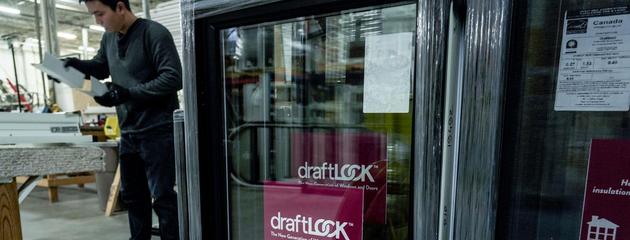
DraftLOCK is Canadian Choice Windows & Doors’ window technology designed to support a tighter seal, reduce unwanted air leakage and improve year-round home comfort. Its performance depends on the complete window configuration and proper installation. Depending on the window style, the system may combine compression seals, secure locking hardware and an insulated vinyl frame to help limit drafts and reduce heat loss. A well-built window should maintain consistent contact between the sash, frame and seals during regular use. DraftLOCK is designed to support that consistent sealing performance over time. This guide explains what DraftLOCK does, how it improves heat retention in winter, how it compares with standard replacement windows, and how to judge whether an upgrade is worth it for your home. This guide will help you understand what to look for when comparing energy-efficient replacement windows.
Key Takeaways
-
DraftLOCK is a sealing and construction approach built into vinyl windows that reduces air leakage and helps keep indoor heat where it belongs.
-
It works by combining compression seals, locking pressure and a stable vinyl frame, rather than relying on any single feature.
-
Reducing drafts makes rooms feel warmer at the same thermostat setting because you are no longer fighting cold air movement and chilly surfaces near the glass.
-
Air leakage control is considered the single most important home retrofit activity by Natural Resources Canada, which is why sealing performance matters so much.
-
Bedrooms, living rooms, north-facing rooms, upper floors and older homes tend to benefit most from draft-reducing window technology.
Locations -
Even the best window underperforms if it is installed poorly, so professional installation is central to real-world results.
-
Upgrading is usually worth considering when windows are aging, drafts are noticeable, and comfort or heating costs have become a regular frustration.

What is DraftLOCK technology in modern window systems?
DraftLOCK is the name Canadian Choice Windows & Doors gives to the sealing and frame construction system that helps its vinyl windows hold back drafts and retain heat. It is best understood as a performance concept rather than a single part you can point to.
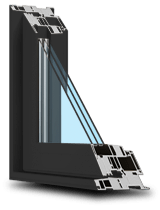
At its core, DraftLOCK describes how several window components are designed to work together as a tightly sealed system. Rather than relying on a single component, the system is designed around the interaction among the frame, sash, seals, and locking hardware. The frame, sash, seals, and locking hardware are designed to ensure consistent contact when the window is properly closed and locked. As a proprietary approach, DraftLOCK brings these elements together through triple-sealed welded frames, internal thermal insulators and reinforced frames, paired with premium stainless steel hardware and integrated weather sealing that holds the sash firmly against its seals. That distinction matters because a window is only as warm as its weakest seal, and small gaps add up quickly across a whole house.
Core purpose of DraftLOCK
The main job of DraftLOCK is to reduce uncontrolled air movement through and around a window. Uncontrolled air leakage makes a room feel drafty, forces your heating system to work harder, and creates cold zones you notice when you sit near a window in winter. By tightening how the window seals when it is shut, the technology aims to keep conditioned air inside and cold outdoor air where it belongs. This is a practical, everyday benefit rather than a marketing idea. It shows up as steadier indoor temperatures and fewer noticeable drafts, especially during the coldest stretches of a Canadian winter.
Where the technology is used
DraftLOCK is applied across a range of operable vinyl window styles, where sealing performance has the biggest effect on comfort. Casement and awning windows, for example, close against their frames with compression seals that tighten as the sash is locked, making them among the most effective sealing designs available. Sliding and hung styles rely on their own seal systems to limit leakage along the tracks. In every case, the goal is the same: a window that shuts tightly, locks securely, and continues to perform season after season.
This approach is built into the operable vinyl windows Canadian Choice Windows & Doors offers, where sealing has the greatest impact on everyday comfort and heat retention.
How do DraftLOCK windows help keep a home warm in winter?
DraftLOCK windows are designed to reduce unwanted air leakage, helping your heating system maintain a more consistent indoor temperature. The comfort you feel is the direct result of a tighter seal.
Why drafts make rooms feel colder
A draft is simply moving air, and moving cold air pulls heat away from your body faster than still air does. That is why a room can read a comfortable temperature on the thermostat yet still feel cold if there is a steady trickle of air slipping past a loose window. Reducing that air movement is one of the most effective ways to make a space feel warmer without touching the thermostat. When a window seals tightly, the cold draft along the floor and the chilly pocket near the glass both shrink, and the room feels more even from wall to wall. For many homeowners, this is the first thing they notice after an upgrade, often before they ever look at a heating bill.
How warmer indoor surfaces improve comfort
Comfort is not only about air temperature. It is also about the temperature of the surfaces around you, and glass is among the coldest in most rooms during winter. When a window leaks air and conducts heat easily, the inside surface stays cold, which makes you feel cold even when the air is warm. A tighter seal helps reduce cold air movement around the window. Energy-efficient glazing can also keep the interior glass surface warmer, reducing the discomfort people may feel when sitting nearby. Natural Resources Canada notes that properly installed energy-efficient windows make homes more comfortable by reducing drafts and raising the temperature of the interior side of the glass, which also helps reduce condensation.
DraftLOCK addresses sealing performance, while Low-E glass helps reduce heat transfer through the glazing. Natural Resources Canada notes that Low-E coatings can reduce winter heat loss and summer heat gain by up to 50% . Together with an appropriate glass package and professional installation, tighter sealing can contribute to more consistent indoor comfort.
How does Canadian Choice Windows & Doors DraftLOCK compare with standard replacement window designs?
DraftLOCK is designed as an integrated system in which the frame, seals and locking hardware work together. When comparing replacement windows, homeowners should review tested air-leakage ratings, glazing performance, hardware quality, and installation standards rather than judging a product by a single feature. The difference shows up in comfort and consistency rather than in any single dramatic number.
Standard windows versus enhanced sealing systems
Many older or entry-level windows do seal, but they often depend on a single strip of weatherstripping that compresses unevenly and wears down over time. As that seal ages, gaps open up and drafts return. An enhanced sealing system takes a more deliberate approach: seals are matched to the window style, locking hardware pulls the sash firmly into place, and the frame is built to stay square so the seal keeps meeting cleanly. The table below outlines the practical differences homeowners tend to care about most. It is meant to describe general design differences, not to promise exact figures, since real results depend on your home, your climate and how the window is installed.
|
What to compare |
Why it matters |
|
Seal design |
Helps limit unwanted air movement when the window is closed |
|
Locking hardware |
Supports consistent contact between the sash and seals |
|
Frame construction |
Helps the window maintain proper alignment |
|
Tested air-leakage rating |
Provides objective information about sealing performance |
|
Installation method |
Helps prevent air from bypassing the window through the rough opening |
The main point is that window performance depends on how the seals, hardware, frame and installation work together, not on one component alone.
Who benefits most from upgrading
Homeowners in older houses with original or first-generation replacement windows usually see the clearest difference because their existing seals have had the most time to wear. Homeowners who maintain a moderate thermostat setting may also notice improved comfort because reducing drafts can make indoor temperatures feel more consistent. And anyone bothered by cold spots, window-side chills, or noticeable winter drafts is a strong candidate. If none of those apply and your current windows are relatively new and sealing well, the gain will naturally be smaller.
What role do seals, locks, and frame construction play in preventing drafts?
Seals, locks and frame construction each handle a different part of the same job, and drafts are prevented only when all three work together. No single component carries the full load.
Why locking systems matter
A lock does more than keep a window secure. On a well-designed window, engaging the lock also draws the sash firmly against its seals, which is what turns a closed window into a sealed one. Without that pull-in pressure, a window can look shut while still leaving a hairline gap for air to move through. This is why casement and awning styles, which lock the sash tight against a compression seal, are known for strong airtightness. The locking action and the seal are really one system, and both need to be in good condition to keep drafts out.
How seals lose performance over time
The specification points below summarize how these elements contribute to draft control:
-
Compression seals: Create close contact between the sash and frame to help limit air leakage.
-
Locking hardware: Draws the sash against the seals when the window is closed.
-
Vinyl frame: Helps support proper sash alignment and consistent sealing.
-
Sash alignment helps prevent uneven contact and gaps around the perimeter.
Can DraftLOCK windows help improve energy efficiency and lower heating costs?

Reducing drafts can improve energy efficiency and lower the energy required to maintain a comfortable indoor temperature. It is fair to expect improvement, but not a fixed, guaranteed number.
Where savings may come from
When a window seals tightly, your heating system spends less effort replacing warm air that would otherwise leak out and reheating cold air that would otherwise leak in. That steadier indoor environment is where potential savings come from. Natural Resources Canada describes air leakage control as the single most important retrofit activity for a home, and windows are among the places where air commonly escapes.
As Natural Resources Canada puts it, air leakage control is the single most important retrofit activity and should be considered first in any upgrade strategy for a house, which is a strong signal that tighter windows are a sensible place to focus.
It also helps to understand the ratings behind the product. The U factor measures how well a window resists heat loss, and a lower number is better. Natural Resources Canada notes that better-performing double-glazed windows can reach a U-factor of 1.2 watts per square metre-kelvin or lower, while triple-glazed windows can go as low as 0.8. A tighter seal and a lower U-factor work in the same direction: less heat leaving, more comfort inside.
Choosing ENERGY STAR-certified windows adds another layer of confidence, since certification confirms that the product meets recognized efficiency standards for the Canadian climate zone where it is installed.
Н3: What affects results
Several factors shape how much you actually gain. The condition of your current windows sets the baseline, since replacing badly leaking units yields a bigger jump than replacing windows that already seal well. Your climate matters because colder regions place more demand on the seal. The rest of your home envelope plays a part too, as windows are only one path for heat loss. And installation quality can make or break the outcome. For that reason, it is wise to treat efficiency as a realistic improvement rather than a precise promise, and to consider comfort and consistency alongside any changes in your bills.
You can read more about how a tight seal and secure locking pressure come together on the casement windows page, since that style relies most on its compression seal.
Which parts of a home benefit most from draft-reducing window technology?
The rooms that benefit most are those where drafts are most noticeable: bedrooms, main living areas, north-facing rooms, upper floors, and any space in an older home with visible cold spots. These are the places where better sealing pays off in daily comfort.
Problem areas homeowners notice first
Most people identify their draftiest rooms without any special equipment, because comfort tells the story. The most common problem areas, and the reasons behind them, tend to be:
-
Bedrooms: drafts are obvious when you are sitting still or asleep, so better sealing brings steadier overnight comfort near the window.
-
North-facing rooms: little direct sun means less heat to offset losses, so tighter windows reduce the cold spots you feel through the day.
-
Upper floors: Stack effect can increase air movement through gaps in the upper part of a home, so drafty windows on these floors may feel especially noticeable.
-
Older homes: aged seals and settled frames often affect several windows at once, so restoring airtight contact makes a broad difference.
“The rooms people notice first are usually the ones where they spend time sitting still, such as bedrooms and reading areas. Even a small draft can become difficult to ignore in these spaces,” says Helen Sin, Consumer Success Manager at Canadian Choice Windows & Doors
Best use cases
Draft-reducing window technology makes the most sense in rooms you use often and want to feel comfortable in, and in any part of the home where you already sense a problem. Prioritizing the worst rooms first is a practical way to spread out an upgrade over time while getting the most noticeable improvement early. A room-by-room approach also lets you match window styles to how each space is used, which keeps both comfort and function in mind.
How important is professional installation for the performance of DraftLOCK technology?
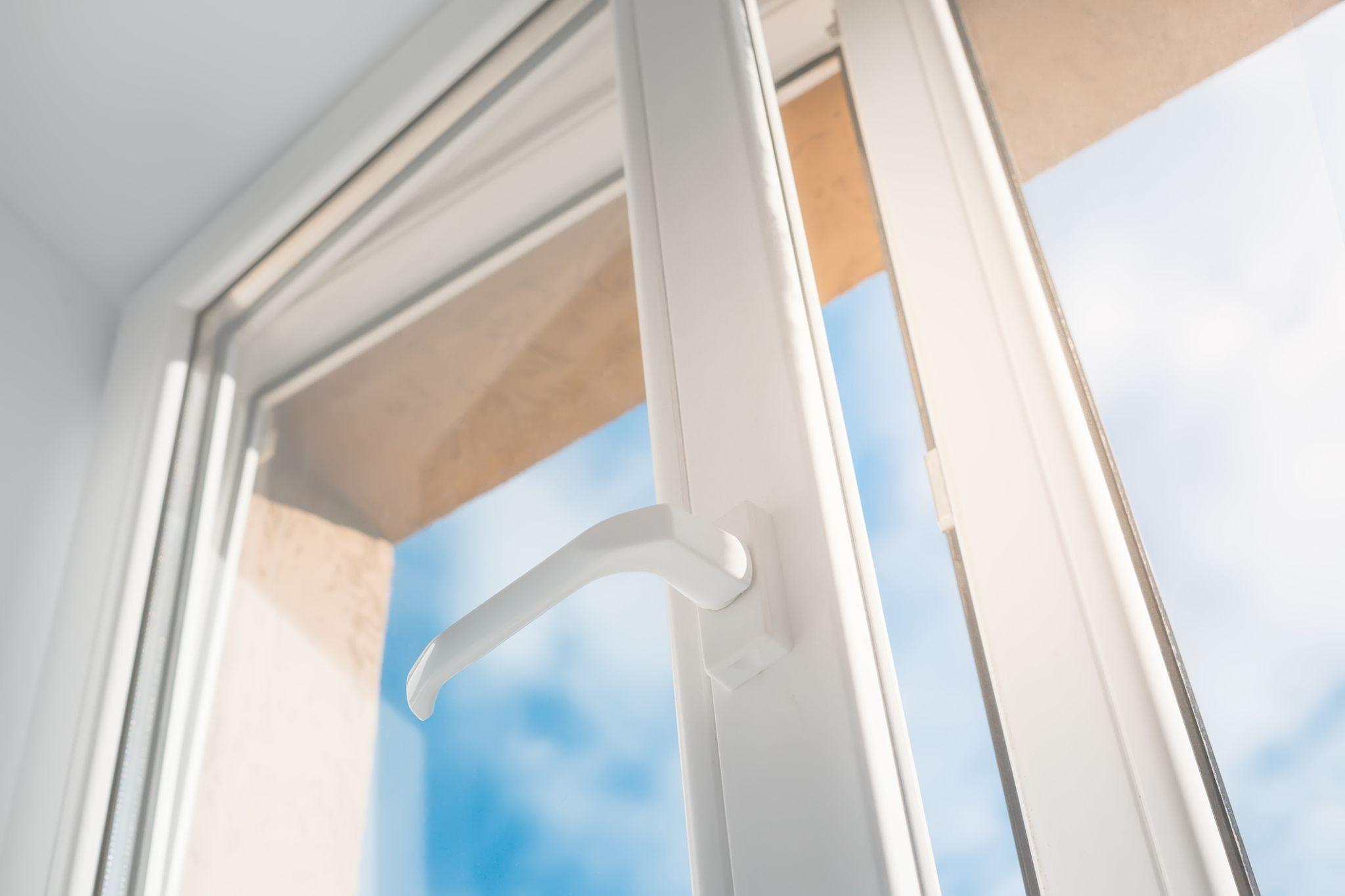
Professional installation is essential because even the best-sealed window will leak if it is measured, fitted, or finished poorly. The product and the installation are two halves of the same result.
Product performance versus installation quality
A window is engineered to seal within its own frame, but it still has to be set correctly into the wall opening around it. If that surrounding gap is not properly insulated and sealed, air can bypass the window entirely and travel through the rough opening, undoing much of the benefit. This is why two identical windows can perform very differently in two different homes. The window has not changed, but the installation has. Getting the fit right, insulating the gap, and sealing the perimeter are what enable the technology to deliver what it was designed to do.
Signs of poor installation
A few practical signs suggest an installation may not be sealing as it should:
-
Drafts you can feel around the edges of the window rather than through the glass.
-
Visible gaps, uneven trim, or spots where caulking has cracked or pulled away.
-
A sash that does not close evenly or that needs force to lock.
-
New condensation or moisture around the frame after installation.
If you notice these after an upgrade, it is worth raising with your installer, since many issues can be corrected. Careful measurement and finishing on the front end are the best ways to avoid them altogether.
What signs show that older windows are no longer keeping your home warm enough?
The clearest signs are the ones you can feel and see: cold glass, drafts, condensation, rising heating bills and more outside noise than there used to be. Together, they usually mean your windows are no longer sealing the way they should.
Visual warning signs
Some warning signs are easy to spot once you know what to look for. Condensation or frost on the room-side surface of the glass may result from high indoor humidity, a cold glass surface or a combination of both. It does not necessarily mean that the window seal has failed. Fogging between the panes, however, may indicate a failed insulated glass seal. Visible gaps, worn weatherstripping or cracked perimeter caulking may indicate areas where air or moisture can enter and should be inspected. Fogging between the panes of a sealed unit indicates the glazing seal has broken. A sash that no longer closes flush or locks smoothly is another common tell. None of these require special tools, just a careful look on a cold day.
Comfort signs homeowners ignore
Other signs are easy to dismiss because we adapt to them. If you avoid sitting near certain windows in winter, or keep a blanket handy in one particular room, that is your body noticing a draft. A heating system that runs frequently while some rooms still feel cold may indicate several issues, including air leakage or insufficient insulation. You may also notice more outdoor noise around windows that no longer close or seal properly. The table below groups these signals so you can check your own home against them.
“Regular condensation on the room-side surface of a window is a reason to check indoor humidity and the window’s overall thermal performance. Fogging between the panes is a different issue and may indicate that the insulated glass seal has failed,” says Tony Wong, Project Manager at Canadian Choice Windows & Doors .
|
Type of sign |
What you might notice |
What it may indicate |
|
Interior moisture |
Condensation or frost on the room-side glass |
High indoor humidity, cold glass or limited air circulation |
|
Insulated glass issue |
Persistent fogging between the panes |
Possible failure of the insulated glass seal |
|
Air leakage |
A noticeable draft around the sash or frame |
Worn weatherstripping, poor alignment or installation gaps |
|
Operation |
A sash that does not close or lock properly |
Hardware, alignment or frame issues |
How can homeowners decide whether upgrading to DraftLOCK windows is worth it?
Deciding comes down to weighing the age and condition of your windows, how much comfort or heating frustration you are living with, and your renovation timing. A short, honest checklist usually makes the answer clear.
Questions to ask before replacing windows
Working through a few practical questions helps turn a vague sense that something is off into a clear decision:
-
How old are your windows, and have they ever been resealed or serviced?
-
Do you feel drafts, cold glass or uneven temperatures in rooms you use often?
-
Have your heating costs crept up without an obvious change in habits?
-
Are there visible signs of seal failure, such as fogging, frost or cracked caulking?
-
Are you already planning other work that makes window replacement good timing?
If you answer yes to several of these questions, it may be worth arranging a professional assessment and comparing repair and replacement options. If your windows are newer and sealing well, it may make sense to wait and revisit the question later.
Repair versus replacement
Not every draft calls for new windows. If the frames are sound and only the weatherstripping has worn, resealing or minor servicing may buy you several more comfortable seasons at a lower cost. Replacement makes more sense when frames have settled or deteriorated, when the glazing seal has failed, or when several windows are showing problems at once, since piecemeal repairs can add up. The right choice depends on the condition of what you already have, so it helps to look at each window on its own merits.
You can compare styles and their sealing characteristics on the types of windows page to see which options suit the rooms you want to improve.
Making the right choice with DraftLOCK technology
The heart of the decision is simple. DraftLOCK technology keeps a home warmer by combining compression seals, firm locking pressure, and a stable vinyl frame to reduce drafts and retain indoor heat. Warmer rooms come from stopping cold air movement and keeping the glass surface warmer, not from any single component, and the biggest gains show up in older homes, north-facing rooms, bedrooms and upper floors where drafts are most noticeable. Because installation quality determines whether that sealing performance is actually delivered, choosing an experienced installer matters just as much as choosing the right window. For a closer look at how the system is built and what to expect, the DraftLOCK guide walks through the technology in more detail.
If certain rooms remain uncomfortable in winter, start by assessing the age, condition and sealing performance of the windows in those areas. Canadian Choice Windows & Doors can help you weigh your options with straightforward advice and no pressure, and you can explore energy-efficient windows to see how better sealing and glazing work together to keep your home comfortable through the coldest months.
Frequently Asked Questions
Is DraftLOCK a type of window or a feature?
It is best understood as a sealing and construction approach built into vinyl windows rather than a separate window type. It describes how the seals, locking hardware and framework work together to reduce drafts, so it applies across several operable window styles.
Will draft-reducing windows really make my rooms feel warmer?
In most cases, yes. Reducing unwanted air movement can limit the cooling effect of drafts, helping a room feel more comfortable at the same thermostat setting. The improvement is usually most obvious in rooms that were previously drafty.
How much will I save on heating?
There is no single guaranteed figure, because savings depend on your current windows, your climate, the rest of your home envelope and the quality of installation. Natural Resources Canada treats air leakage control as the most important retrofit activity, so tighter windows are a sensible focus, but it is fairer to expect steadier comfort and more stable costs than a fixed number would allow.
Do I need to replace every window at once?
No. Many homeowners start with the draftiest or most-used rooms and upgrade over time. A room-by-room approach lets you get the most noticeable comfort improvement early while spreading out the investment.
Does installation really make that much difference?
It does. A window seals within its own frame, but it also has to be fitted and sealed correctly into the wall opening. If the surrounding gap is not insulated and sealed, air can bypass the window entirely, which is why professional installation is central to real-world performance.
How do I know if my current windows have failed seals?
Look for condensation or frost on the inside of the glass in cold weather, fogging between the panes, drafts you can feel around the edges, and cracked or peeling weatherstripping. A sash that will not close flush is another common sign.
Are vinyl windows a good choice for Canadian winters?
Vinyl frames resist moisture and require relatively little maintenance. When they are combined with an effective seal design, appropriate hardware and professional installation, vinyl windows can deliver strong air leakage and thermal performance.
Is it worth upgrading if my windows are only a few years old?
If newer windows are sealing well and you are not feeling drafts or cold spots, the benefit of upgrading will be smaller, so it may make sense to wait. The strongest case for upgrading is aging windows combined with noticeable comfort or cost issues.
1000’s of Colours & Textured Finishes
Transform your home from ordinary to extraordinary with our new coloured and non-glare textured finishes. Available in a wide array of colours as well as custom matched colours for your very own personalized design.
Our Most Popular Replacement Window Colours: