Bathroom Window Solutions for Privacy, Ventilation, and Comfort in Canadian Homes
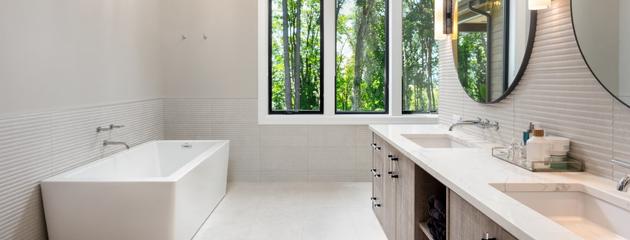

Choosing the right bathroom window is one of those decisions that looks simple on the surface but quickly becomes nuanced once real-life factors are considered. Bathrooms demand privacy, consistent ventilation, moisture resistance, and natural light — all within a space that is often smaller and more technically challenging than other rooms in the home.
For Canadian homeowners, the challenge is amplified by the climate. Cold winters, humid summers, and frequent temperature swings mean bathroom windows must perform reliably year-round. This guide breaks down bathroom window solutions from a practical perspective — what works, what doesn’t, and how to make choices that hold up over time.
Key Takeaways
- Balancing privacy and natural light is the core challenge of bathroom window selection, and the right solution depends on window placement, glazing, and treatments — not just window type.
- Ventilation and moisture control are just as important as aesthetics, especially in Canadian climates where condensation can quickly become a problem.
- Modern bathroom windows offer extensive customization, allowing homeowners to achieve privacy and style without sacrificing energy efficiency.
- Professional installation is critical to prevent moisture issues and ensure long-term performance — especially in wet bathroom environments.
Why Bathroom Windows Matter More Than You Think
Bathroom windows serve multiple functions at once. They introduce daylight, help regulate humidity, support air circulation, and contribute to the overall comfort of the space. When chosen poorly, they can also lead to heat loss, condensation, or privacy concerns.
A well-designed bathroom window improves more than just the room's look — it directly affects indoor air quality and long-term maintenance. Proper ventilation reduces moisture buildup, which in turn helps prevent mould, mildew, and damage to surrounding finishes.
“The right bathroom window isn’t just about privacy — it’s about managing light, moisture, and comfort all at once.”
— Helen Sin, Consumer Success Manager
Common Types of Bathroom Windows

There is no single “best” bathroom window type. The right option depends on wall space, privacy requirements, and how the bathroom is used.
Awning Windows
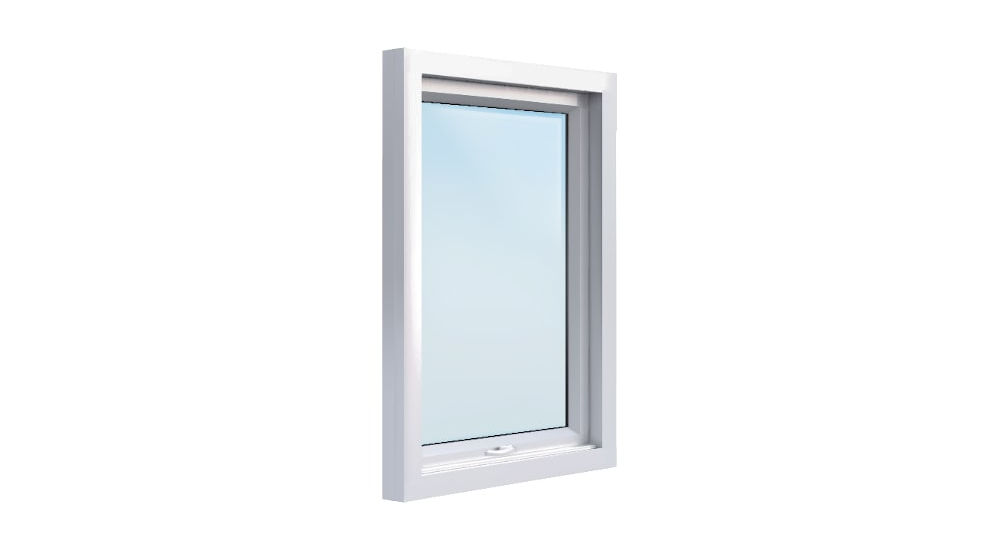
Awning windows are hinged at the top and open outward , making them a practical choice for bathrooms. They provide ventilation even during light rain and are often installed higher on the wall to preserve privacy. Their tight seal when closed also helps limit drafts in colder months.
Casement Windows
Casement windows open outward from the side and allow for full , unobstructed airflow. They work well in bathrooms where maximum ventilation is needed, such as shared or frequently used spaces. Their easy operation makes them suitable for hard-to-reach areas.

Slider Windows
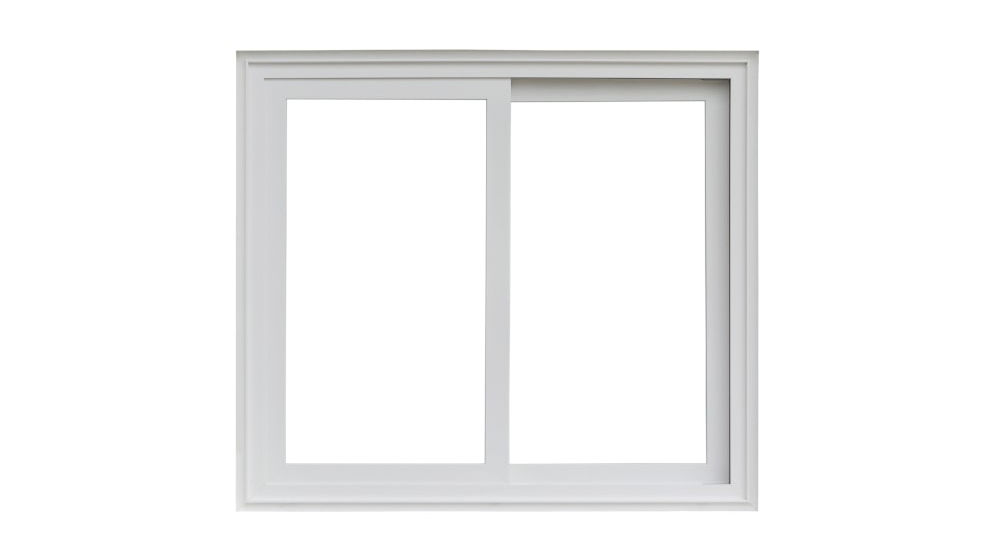
Sliding windows operate horizontally and are often chosen for compact bathrooms with limited wall space. While they don’t seal as tightly as casement or awning windows, they are cost-effective and work well when paired with privacy glass. Because sliders rely on tracks, they may require more frequent cleaning in humid bathroom environments.
Single-Hung Windows
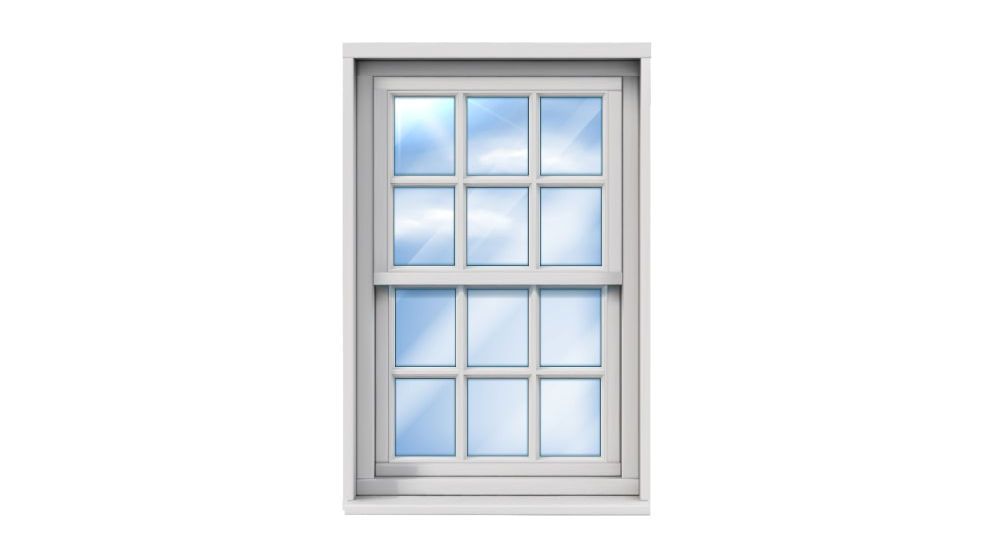
Single-hung windows offer a classic look , with a fixed upper sash and a movable lower sash. While not the most ventilation-efficient option, they can be suitable for bathrooms when combined with proper exhaust systems and privacy treatments. Their limited ventilation makes them less suitable for bathrooms without strong mechanical exhaust.
Privacy Solutions That Actually Work
Privacy is non-negotiable in bathrooms, but achieving it doesn’t mean blocking out natural light. Modern glazing and treatments allow homeowners to maintain brightness without sacrificing discretion.
Bathroom Privacy Options
| Solution | How It Works | Privacy Level |
|---|---|---|
| Frosted glass | Diffuses light while obscuring visibility | High |
| Textured glass | Distorts views and adds visual interest | High |
| Stained glass | Entirely obscures the view with a decorative effect | Very High |
| Window film | Applied to existing clear glass | Moderate–High |
| Switchable glass | Changes opacity on demand | Adjustable |
While switchable glass offers flexibility, it is typically more expensive and less common in residential bathroom applications.
Maximizing Natural Light Without Losing Privacy
Natural light plays a decisive role in how a bathroom feels. Even small bathrooms benefit from daylight, which can make the space feel cleaner, larger, and more inviting.
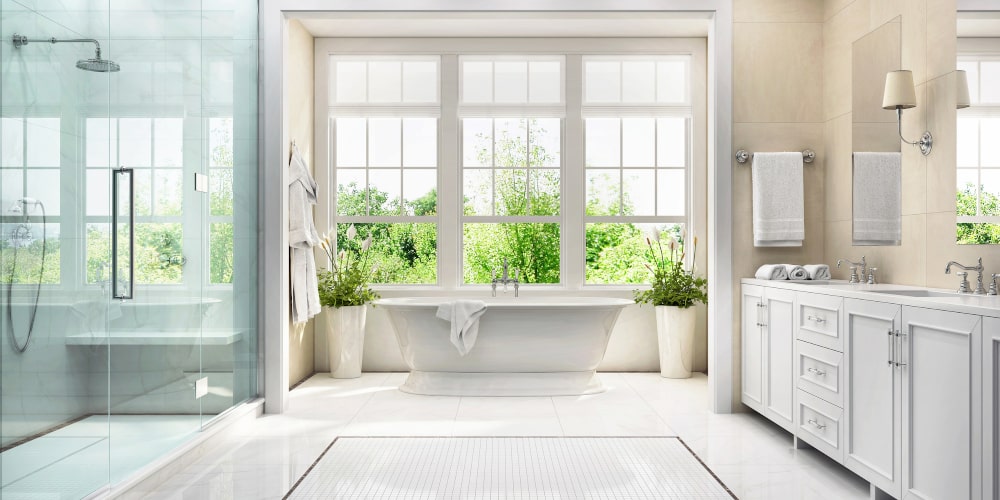
Strategic placement is often more effective than increasing the window size . High-mounted windows, transom windows, and clerestory designs allow light to enter above eye level. Glass block and skylights offer additional options when wall space is limited.
“Natural light can completely change how a bathroom feels — it turns a purely functional space into something far more relaxing.”
— Tony Wong, Project Manager
Window Treatments for Bathrooms
Window treatments add flexibility, allowing homeowners to adjust privacy and light throughout the day. In bathrooms, materials must withstand humidity and frequent temperature changes.
Standard options include roller shades in moisture-resistant fabrics, vinyl or faux-wood blinds, Roman shades designed for humid environments, café curtains for partial coverage, and shutters explicitly built for wet areas.
The key is choosing treatments that resist mould and are easy to clean — fabric-heavy options should be selected carefully.
Energy Efficiency in Bathroom Windows
Energy efficiency matters in bathrooms just as much as in living spaces — sometimes more. Bathrooms experience significant temperature differences between hot showers and cold exterior walls, increasing the risk of condensation.
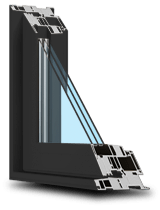
Energy-efficient bathroom windows typically include Low-E glass coatings, double- or triple-glazing, gas-filled panes, and insulated frames such as vinyl or fibreglass. These features help maintain indoor comfort while reducing energy loss during Canadian winters.
Matching Window Style to Bathroom Design
Bathroom windows complement the space's overall design rather than compete with it. Clean-lined frames suit modern bathrooms, while divided-lite or decorative options align better with traditional designs.
Style Matching Guide
| Bathroom Style | Recommended Window Approach |
|---|---|
| Modern | Slim frames, large panes |
| Traditional | Multi-pane or decorative grilles |
| Rustic | Wood-look frames, awning windows |
| Coastal | Light treatments, shutters |
| Industrial | Metal frames, factory-inspired designs |
Why Professional Installation Matters
Bathrooms are high-risk areas for poor installation. Improper sealing or flashing can lead to water infiltration, drafts, and long-term structural damage.
Professional installation ensures a precise fit, compliance with building codes, preserved warranty coverage, and optimal energy performance. This is especially important for upper-floor bathrooms and shower-adjacent windows.
Maintenance Tips for Bathroom Windows
Bathroom windows require routine care to perform well over time. Regular cleaning, annual inspection of seals and caulking, lubrication of moving parts, and prompt repairs help prevent moisture-related issues from escalating.
Customization Makes the Difference
No two bathrooms are truly alike, which is why customization often plays a decisive role in achieving both comfort and long-term performance. Standard window options may work in some cases, but many bathrooms — especially in older Canadian homes — require a more tailored approach.
Thoughtful customization allows homeowners to address practical constraints while maintaining a cohesive design. This can include:
- Custom window sizing to accommodate non-standard wall openings, sloped ceilings, or compact layouts without compromising insulation or air tightness.
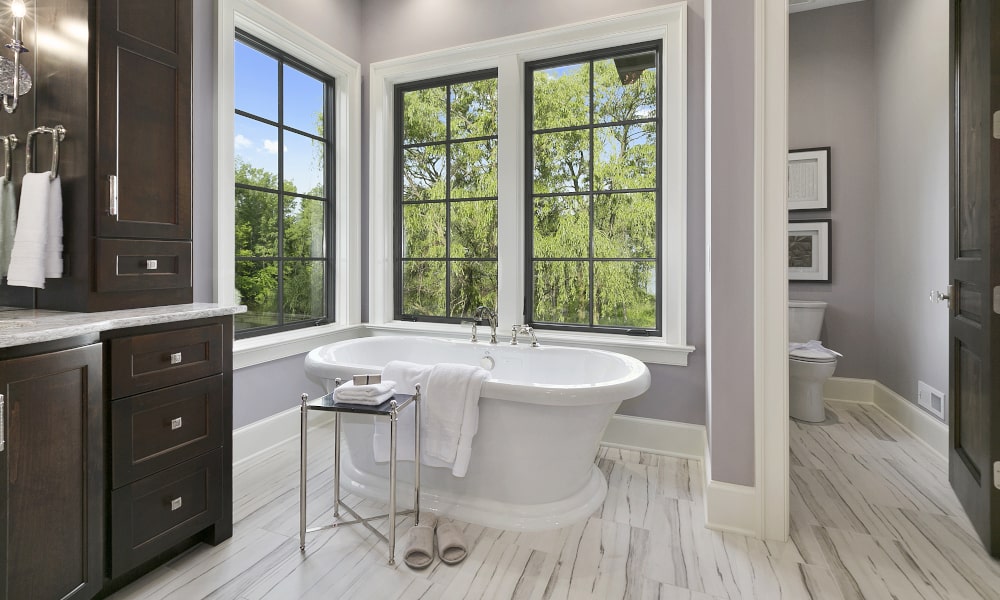
- Frame colour options that complement tile, cabinetry, or fixture finishes, helping the window blend seamlessly into the overall bathroom design rather than standing out visually.
- Decorative and privacy glass choices , such as frosted, textured, or patterned glass, provide varying levels of privacy while still allowing natural light to pass through.
- Specialized hardware and opening mechanisms are designed for ease of use in tight spaces or hard-to-reach locations, including moisture-resistant components suited for humid environments.
For homeowners renovating older properties or designing highly customized spaces, these options make it possible to achieve a bathroom window solution that feels intentional, functional, and well-integrated — rather than a compromise dictated by standard sizing or limited finishes.
The Environmental Perspective
Choosing energy-efficient bathroom windows is first a comfort and performance decision, with environmental benefits that add up over the life of the home. Bathrooms are high-moisture spaces that experience frequent temperature fluctuations, making inefficient windows a common source of winter heat loss and summer heat gain.
Modern energy-efficient bathroom windows help reduce this impact in several ways:
- Improved thermal performance minimizes heat transfer through the glass and frame, reducing the demand on heating and cooling systems year-round.
- Condensation control lowers the risk of moisture-related damage, extending the lifespan of surrounding finishes and reducing the need for premature repairs or replacements.
- Durable, low-maintenance materials such as vinyl and fibreglass are designed to last longer in humid environments, decreasing material waste over time.
- Use of recyclable components in many modern window systems supports more sustainable manufacturing and end-of-life recycling practices.
For Canadian homeowners, these benefits add up. Reduced energy consumption not only lowers utility costs but also contributes to a smaller household carbon footprint — making energy-efficient bathroom windows a practical step toward more sustainable home improvement choices without sacrificing comfort or design.
How to Make the Right Choice
Selecting the right bathroom window is ultimately about balancing several practical factors rather than focusing on a single feature. Each element plays a role in how the window will perform over time and how comfortable the space will feel daily.
When making your decision, consider the following key points:
- Room size and layout : Smaller bathrooms often benefit from higher-placed or narrower windows that maximize light without overwhelming the space, while larger bathrooms can accommodate more expansive designs.
- Privacy requirements : Window placement, glass type, and treatments should reflect the bathroom's exposure to neighbouring properties or public areas.
- Ventilation needs : Bathrooms that are used frequently or lack mechanical ventilation require window types that support adequate airflow to manage humidity.
- Climate and energy efficiency : In Canadian conditions, insulation, glazing, and frame materials must handle cold winters, condensation risks, and seasonal temperature changes.
- Design preferences : The window should complement the overall bathroom style, from modern and minimal to traditional or spa-inspired.
- Budget considerations : While cost matters, long-term performance, maintenance needs, and energy savings should be weighed alongside the initial investment.
Balancing these factors leads to bathroom window solutions that not only look right at installation but continue to perform reliably, efficiently, and comfortably for many years to come.
A Clear View to a Better Bathroom
Bathroom windows are not an afterthought — they are an integral part of comfort, efficiency, and design. With the right combination of glazing, placement, and professional installation, your bathroom window can enhance daily life rather than limit it.
With the right approach, a bathroom window becomes a practical solution that improves comfort, efficiency, and everyday use of the space.
Frequently Asked Questions About Bathroom Windows
What is the best type of window for a bathroom?
There is no single best option. Awning and casement windows are popular for their ventilation and tight seals, while sliders and single-hung windows can work well with privacy glass and proper exhaust systems.
How do you maintain privacy with a bathroom window?
Privacy can be achieved through frosted or textured glass, stained glass, window films, or high window placement. These options allow natural light while limiting visibility.
Do bathroom windows need to open for ventilation?
Opening windows helps with natural ventilation, but they are not always required if the bathroom has an effective exhaust fan. In high-humidity bathrooms, operable windows provide an additional layer of moisture control.
Are energy-efficient windows important in bathrooms?
Yes. Bathrooms experience frequent temperature changes and condensation. Energy-efficient glazing and insulated frames help reduce heat loss, prevent condensation, and improve comfort year-round.
Can bathroom windows be customized?
Yes. Bathroom windows can be customized in size, frame colour, glass type, and hardware to suit privacy needs, layout constraints, and overall design.
When should I hire a professional to install a bathroom window?
Professional installation is recommended when replacing windows near showers or tubs, installing upper-floor windows, or when moisture protection and airtight sealing are critical.

1000’s of Colours & Textured Finishes
Transform your home from ordinary to extraordinary with our new coloured and non-glare textured finishes. Available in a wide array of colours as well as custom matched colours for your very own personalized design.
Our Most Popular Replacement Window Colours: