Home Improvement
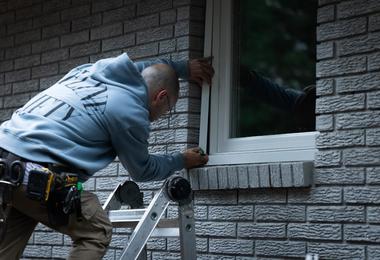
How to measure window sizes for replacement in Canada
Window sizing tends to go wrong in a predictable way. Someone finds a chart of standard sizes online and matches the closest number to the window they can see, or runs a tape across the glass and writes down what it says. The order goes in, the unit arrives, and it does not suit the wall.

What Is DraftLOCK Technology and How Does It Keep Your Home Warmer?
DraftLOCK is Canadian Choice Windows & Doors’ window technology designed to support a tighter seal, reduce unwanted air leakage and improve year-round home comfort. Its performance depends on the complete window configuration and proper installation.
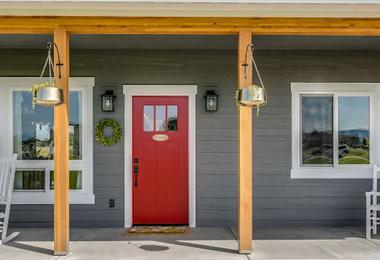
Standard exterior door size: a complete guide for Canadian homeowners
The most common exterior door size in Canada is 80 inches tall by 32 inches wide for a single entry door . This size fits most Canadian homes built after 1960, and it's the most commonly manufactured replacement door size.

Best Window Upgrades for Renovated Etobicoke Houses
Renovating a home in Etobicoke changes the building in ways that are easy to see and some that are not. New kitchens, open-concept living areas, updated insulation, and refreshed cladding all affect how a window sits, seals, and performs within the finished envelope.

How to choose window film for privacy: a practical guide
Privacy is one of the most common reasons homeowners consider changes to their windows. There are two practical ways to solve it: apply a window film to your existing glass or replace the window with one that has built-in privacy glass.
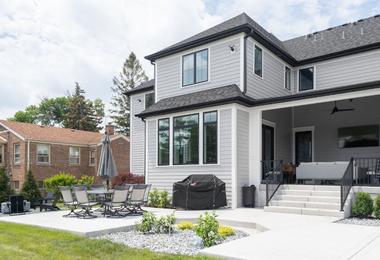
Are Premium Windows Overkill for Average Canadian Homes?
For most Canadian homeowners, premium windows are not overkill. They are a proportionate response to the reality of Canadian winters, rising energy costs, and the long lifecycles of residential windows. The question is whether your specific home and situation justify the additional cost.
- Maritimes 8
- Product Comparisons 30
- Buying Guides 27
- Doors Types 38
- Energy Efficiency and Sustainability 50
- Home Improvement 27
- Installation and Replacement Tips 29
- Local Guides 55
- Maintenance and Repairs 36
- Manufacturers Reviews 8
- Pricing and Financing 18
- Room-Specific Windows 17
- Safety and Security 12
- Seasonal Tips 6
- Window Styles 17
- Window Types 52
- Past Projects