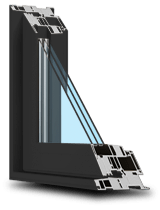
Are Custom Windows Always More Expensive?
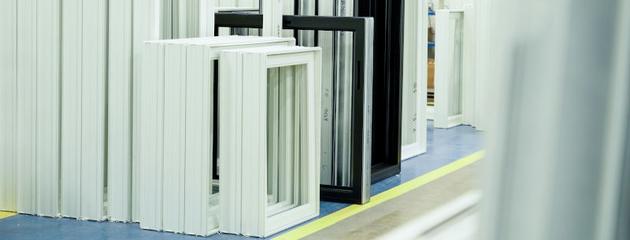

Custom windows are not always more expensive. In many cases, the final cost depends more on size, installation conditions, and energy efficiency than on customization itself. While custom windows are commonly assumed to be more expensive, their true price depends on multiple factors, including materials, installation, energy efficiency, and how well they fit your home.
This guide explains what affects the cost of custom windows in Canada and helps you understand when paying more upfront actually makes sense. By understanding the full picture, homeowners can move beyond price alone and make decisions based on performance, durability, and return on investment.
Key Takeaways
- Custom windows are not always more expensive — cost depends on size, materials, glazing, and installation complexity, not on customization alone.
- In today’s Canadian market, custom vinyl windows typically range from $500 to $1,500+ per window installed, depending on specifications and region.
- Vinyl windows remain the most cost-effective custom option, offering durability, energy efficiency, and lower maintenance compared to wood or aluminum.
- Installation costs can account for 30–50% of the total project cost, especially for retrofit or structural modifications.
- Compared to standard windows, custom options can be 10–30% more expensive, but they often reduce long-term energy and maintenance costs.
- The biggest cost drivers are window size, glazing type, frame material, labour, and design complexity.
- Custom windows are not always more expensive, but hidden costs can increase the final price if not anticipated.
What is the average cost of custom windows in today’s market?
Understanding the cost of custom windows in Canada requires looking beyond a single number. Prices vary significantly depending on material, size, glazing technology, and installation conditions.
That said, across multiple Canadian market reports and contractor pricing data, there is a clear and consistent range homeowners can expect.
Price per window
In the current Canadian market, custom vinyl windows, which are the primary focus at Canadian Choice Windows & Doors, typically fall within these ranges:
In today’s Canadian market, custom vinyl windows typically fall within the following ranges:

- Basic custom vinyl windows: $500 – $1,000 per window
- Mid-range (most common projects): $800 – $2,000 per window
- High-end or complex custom designs: $2,000 – $4,000+ per window
These ranges reflect real-world pricing across Canada and align with industry-wide estimates for window replacement and custom fabrication.
One key factor behind these price ranges is the material used. Vinyl remains the most common choice across Canada because it offers a strong balance between affordability, energy efficiency, and durability, making it a practical option for most homeowners.
However, pricing can vary significantly depending on specific factors. Even within vinyl windows, pricing shifts depending on:
- Size and shape (arched or oversized windows increase cost)
- Energy-efficient glazing (double vs triple pane)
- Hardware and finishes
- Customization level (colour, grille patterns, opening style)
Installation costs
Installation isn’t just an add-on; it’s a major cost component.
On average, installation costs range between $150 and $600 per window, but can climb higher when:
- Structural modifications are required
- Old frames must be removed carefully (retrofit complexity)
- Access is difficult (upper floors, limited exterior space)
In many projects, installation accounts for 30–50% of the total cost.
As Helen Sin, Consumer Success Manager at Canadian Choice Windows & Doors , explains:
“Homeowners often focus on the window price itself, but installation quality directly impacts performance, especially for energy efficiency and long-term durability.”
That insight reflects what many industry studies confirm: poor installation can negate even the best window technology.
Regional variations across Canada
Costs also fluctuate by location, with differences noticeable across provinces and cities.
- British Columbia (e.g., Vancouver): Higher labour costs and strong demand continue to push overall pricing upward
- Ontario (e.g., Toronto): Similar trend, with dense urban markets often seeing elevated installation costs
- Alberta (e.g., Calgary): More balanced pricing, though costs can vary depending on building type and labour availability
- Nova Scotia (e.g., Truro): Generally lower average pricing, but fewer customization options may be available depending on the supplier
Urban centres like Toronto or Calgary typically have higher labour and logistics costs than smaller communities such as Truro.
Climate also plays a role. In colder regions like Alberta or parts of Nova Scotia, homeowners often opt for triple-glazed vinyl windows . While this increases upfront cost, it helps improve year-round comfort and reduce long-term energy use.
How much do custom windows cost compared to standard windows?
At first glance, standard windows seem like the budget-friendly option. They’re mass-produced, readily available, and often cheaper upfront. But that comparison doesn’t always hold when you look deeper.
Cost differences by type
Here’s a clear comparison between standard and custom windows:
| Feature | Standard Windows | Custom Windows |
|---|---|---|
| Average Cost (Installed) | $300 – $1,000 | $500 – $1,500+ |
| Size Options | Limited | Fully customizable |
| Energy Efficiency | Basic to moderate | High (tailored glazing) |
| Fit & Sealing | May require adjustments | Precise fit |
| Long-Term Value | Moderate | High |
So yes, custom windows can cost 10–30% more upfront. But that’s only part of the story.
Standard windows often require compromises:
- Slight gaps or fillers due to non-perfect sizing
- Reduced insulation performance
- Limited design flexibility
Custom windows eliminate those issues. And that leads to better performance over time.
As Tony Wong, Project Manager at Canadian Choice Windows & Doors , notes:
“A properly fitted custom vinyl window reduces air leakage significantly. Over time, that translates into real energy savings and fewer maintenance issues.”
When standard windows make sense
Standard windows can still be a suitable option in certain cases.
They can work well when:
- Window openings match common dimensions
- Budget constraints are strict
- The project is temporary or cosmetic
But for most homeowners planning long-term upgrades, custom solutions offer stronger returns.
Why vinyl custom windows stand out
Vinyl windows dominate the custom market for several reasons:
- Cost efficiency compared to wood or aluminum
- Excellent insulation properties
- Low maintenance (no painting or sealing required)
- Resistance to moisture and temperature fluctuations
That combination makes vinyl not just a cheaper option but often the smarter investment.
What factors influence the cost of custom windows the most?
The price of custom windows isn’t random it’s built from several key variables. Understanding these helps homeowners make informed decisions and avoid unnecessary expenses.
Materials
Material selection is one of the biggest cost drivers.
- Vinyl: Most affordable and energy-efficient
- Wood: Premium aesthetic but higher cost and maintenance
- Aluminum: Durable but less energy-efficient in cold climates
Vinyl consistently offers the best balance, especially in Canada’s climate.
Size and dimensions
Larger windows require:
- More material
- Stronger structural support
- More complex installation
Custom shapes like arches or bay windows can increase costs by 20–50% or more.
Glazing and energy efficiency
Glazing has a direct impact on both cost and performance.
Options include:
- Double-pane (standard)
- Triple-pane (higher efficiency)
- Low-E coatings
- Argon or krypton gas fills
According to Natural Resources Canada, triple-glazed windows can reduce heat loss by up to 30% compared to double-pane units .
But they also increase the upfront cost. So it becomes a trade-off: higher initial investment vs long-term savings.
Labour and installation complexity
Installation costs vary depending on:
- Retrofit vs full-frame replacement
- Structural changes required
- Accessibility of the installation area
Older homes often require more labour, which increases the total project cost.
Design complexity
Customization goes beyond size.
Costs increase with:
- Specialty finishes or colours
- Decorative grilles
- Unique opening mechanisms
- Integration with architectural features
Design complexity should serve a purpose, not just appearance.
What hidden costs should homeowners expect when ordering custom windows?
At first glance, a window quote might seem straightforward. But once the project begins, additional costs can surface some expected, others less obvious. The key is knowing where to look before installation starts.
Installation complexity
Installation is rarely a flat-rate process. While basic replacements are relatively predictable, custom windows often involve additional labour.
Hidden installation-related costs may include:
- Frame adjustments or resizing openings
- Reinforcing structural elements
- Removal and disposal of old windows
- Labour for hard-to-access areas (upper floors, tight exterior spaces)
Even a seemingly simple upgrade can shift in scope once walls are opened. This reflects a broader industry reality: installation is not just about fitting a window, but ensuring it performs properly for decades.
Permits and regulatory requirements
Depending on the municipality, permits may be required especially for:
- Structural changes
- Enlarging window openings
- Installing egress windows
Permit costs vary across Canada but typically range from $50 to $300+, depending on project scope.
And delays in permit approvals? They can extend timelines and indirectly increase labour costs.
Energy efficiency upgrades
Energy-efficient features are often optional, but in Canada, they quickly become essential.
These upgrades may include:
- Triple-pane glass
- Low-E coatings
- Gas fills (argon or krypton)
- Enhanced weatherproofing systems
But here’s the catch: these upgrades are sometimes added after the initial quote, which can unexpectedly raise the final price.
Project delays and scheduling
Delays are another hidden cost factor, often overlooked.
They can result from:
- Custom manufacturing timelines
- Supply chain disruptions
- Weather conditions
- Permit processing
Delays don’t just affect timelines, they can increase labour costs or require rescheduling fees.
Step-by-step: How to avoid hidden costs
A structured approach helps minimize surprises:
- Request a detailed quote – Ensure it includes materials, labour, and potential contingencies
- Ask about installation conditions – Clarify what happens if structural issues are found
- Confirm permit requirements – Check local regulations in advance
- Evaluate energy upgrades upfront – Decide early to avoid mid-project changes
- Work with experienced installers – Reduces risk of errors and unexpected adjustments
Tony Wong, Project Manager at Canadian Choice Windows & Doors :
“The most efficient projects are the ones where everything is planned upfront, measurements, materials, and installation approach. That’s how you avoid costly surprises.”
Is investing in custom windows worth the long-term value?
Short-term cost is only one side of the equation. The real value of custom windows becomes clear over time through energy savings, durability, and property value.
Return on investment (ROI)
According to industry reports, including data from Remodelling Magazine and Canadian housing studies:
- Window replacement projects can deliver 60–75% ROI on resale
- Energy-efficient upgrades can improve buyer appeal in competitive markets
Custom windows, particularly vinyl, often outperform standard options because they:
- Fit precisely, reducing air leakage
- Improve insulation performance
- Enhance overall aesthetics
Energy savings
Energy efficiency is one of the strongest financial arguments for custom windows .
Natural Resources Canada highlights that heat loss through windows can account for up to 25% of total household energy loss.
Custom vinyl windows with modern glazing can:
- Reduce heating and cooling costs
- Maintain consistent indoor temperatures
- Improve overall comfort
And over time, those savings accumulate.
Resale value and market appeal
In Canada’s real estate market, buyers increasingly prioritize energy-efficient upgrades.
Custom windows contribute to:
- Improved curb appeal
- Better home inspection results
- Higher perceived property value
Homes with updated windows often sell faster and at stronger price points.
Expert-backed perspective
From an installation standpoint, long-term value depends heavily on execution.
As noted by certified installers and supported by industry standards:
- Proper installation ensures airtight performance
- High-quality materials extend lifespan (20–30+ years for vinyl)
- Energy-efficient features deliver measurable savings
And here’s the important nuance: cheap installations often lead to higher long-term costs due to repairs or inefficiencies.
How does the window size and shape impact the cost of custom windows?
Size and design are among the most influential cost factors in custom window projects. And the relationship isn’t linear larger or more complex designs can significantly increase costs.
Cost variations by size and shape
| Window Type | Cost Impact | Key Factors |
|---|---|---|
| Standard Size (Rectangular) | Baseline | Simplest manufacturing and installation |
| Large Windows | +20–40% | More material and structural support are required |
| Bay/Bow Windows | +30–60% | Multi-panel design, complex installation |
| Arched/Round Windows | +40–70% | Specialized manufacturing |
| Floor-to-Ceiling Windows | +50%+ | Structural reinforcement, glazing demands |
Why do larger windows cost more
Larger windows aren’t just scaled-up versions of smaller ones.
They require:
- Thicker, reinforced frames
- Stronger glass for safety and insulation
- Additional labour for installation
And in many cases, structural modifications to support the opening.
Complexity of unique shapes
Custom shapes such as arches or circular designs pose manufacturing challenges.
Unlike standard windows, they:
- Cannot be mass-produced
- Require specialized tooling
- Take longer to fabricate
That’s why their costs increase disproportionately.
Balancing design and cost
Design flexibility is one of the biggest advantages of custom windows, but it should be approached strategically.
A practical approach includes:
- Using standard shapes where possible
- Limiting complex designs to focal areas
- Prioritizing energy-efficient glazing over decorative features
Because ultimately, function should guide design decisions.
Custom windows aren’t defined by higher cost, they’re defined by how intelligently they’re selected and installed. When approached correctly, especially with vinyl solutions, they offer a balance of affordability, performance, and long-term value that standard options rarely match.
What are the installation costs for custom windows, and why do they vary?
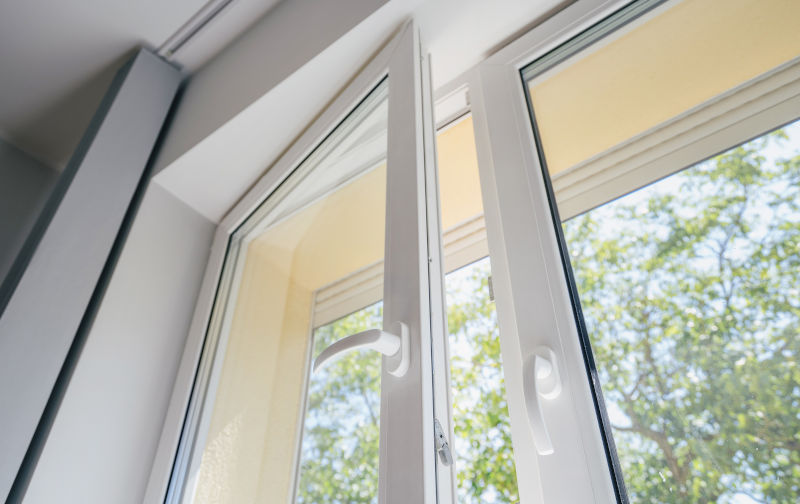
Installation costs are what turn custom windows from a “simple purchase” into a project with moving parts. Two homeowners can order similar windows and end up with very different final bills. Why? Because installation is rarely standard, it’s influenced by structural realities, labour requirements, and timing.
Understanding the Core Cost Drivers
At a glance, installation costs for custom windows in Canada typically range from $300 to $1,500 per window, but that’s just a baseline. The final number depends on several layered factors:
- Labour complexity – Removing old frames, dealing with rot, or working in tight spaces increases time and cost
- Structural modifications – Enlarging or reshaping openings adds carpentry and sometimes engineering work
- Accessibility – Second- or third-storey installations require scaffolding or special equipment
- Window type and size – Larger or uniquely shaped windows take longer to install
- Insulation and sealing requirements – Energy-efficient installations require precision and additional materials
Now, here’s the part many overlook: custom windows often reduce installation complications because they’re made to fit the exact opening. That can offset part of the higher upfront cost.
Step-by-Step: What Happens During Installation?
Understanding the process helps clarify what you are paying for. It also reveals which stages have the greatest impact on both cost and long-term window performance, something many homeowners only realize after installation is complete.
1. Site Inspection and Measurement
A technician assesses the structure, checks for hidden issues (like moisture damage), and takes precise measurements. This step is critical; mistakes here lead to costly adjustments later.
2. Removal of Existing Windows
Old windows are carefully removed. If there’s underlying damage, repairs are done before proceeding. This is one of the biggest cost variables.
3. Structural Preparation
If the opening needs resizing or reinforcement, this stage can significantly increase labour time.
4. Installation of the Custom Window
The new unit is fitted, levelled, and secured. Custom windows often streamline this step because they align perfectly with the opening.
5. Insulation and Sealing
Proper insulation is essential for energy efficiency, especially in Canadian climates. Poor sealing leads to drafts and higher heating bills.
6. Finishing and Cleanup
Trim work, caulking, and final inspections ensure the installation meets building codes and performance standards.
Why Costs Vary So Much
Custom window pricing isn’t just about the product itself; it reflects a combination of structural conditions, timing, and material choices.
Let’s look at this from different angles:
Structural Reality vs. Standardization
In older homes, walls may not be square, and openings may have shifted over time. Custom windows adapt to these irregularities, but installation may require correction work.
Timeline Pressures
Need the job done quickly? Expedited installations can increase labour costs. Seasonal demand, especially before winter, also drives pricing up.
Material Focus: Why Vinyl Matters
Vinyl windows are increasingly preferred because they’re:
- Cost-effective compared to wood or fibreglass
- Low maintenance (no painting or sealing required)
- Excellent for insulation, reducing long-term energy costs
Comparison: Custom vs Standard Installation Costs
| Factor | Standard Windows | Custom Windows |
|---|---|---|
| Initial Price | Lower | Higher |
| Fit Accuracy | May require adjustments | Exact fit |
| Installation Time | Variable | Often more efficient |
| Structural Modifications | More likely | Less likely |
| Energy Efficiency | Moderate | Higher (better sealing) |
| Long-Term Costs | Potentially higher | Often lower |
Installation isn’t just a line item; it’s where the true cost difference between standard and custom windows becomes clear. And in many cases, custom vinyl windows balance upfront investment with long-term savings.
How can homeowners reduce the cost of custom windows?
Custom does not necessarily mean a higher price. The difference between an expensive project and a smart investment often comes down to decision-making before placing the order.
Step-by-Step: Practical Ways to Lower Costs
1. Order Windows in Bulk
Replacing multiple windows at once reduces per-unit costs. Installers can streamline labour, and manufacturers often provide better pricing for larger orders.
- Fewer site visits
- Reduced labour duplication
- Potential package discounts
2. Choose Simpler Designs
Complex shapes, decorative grids, and specialty finishes increase manufacturing costs.
Instead, consider:
- Standard rectangular designs
- Minimal hardware customization
- Neutral finishes
Simple doesn’t mean boring; it often means efficient and timeless.
3. Prioritize Vinyl Materials
Vinyl windows offer a strong balance of affordability and performance. Compared to wood or aluminum:
- Lower material cost
- No ongoing maintenance expenses
- Strong thermal performance
4. Time Your Installation Strategically
Demand for window installation spikes in spring and fall. Booking during slower seasons (like late winter) can result in:
- Lower labour rates
- Faster scheduling
- More flexibility with installers
5. Avoid Last-Minute Changes
Design changes after production begins can lead to additional charges. Finalize specifications early to avoid unnecessary costs.
6. Take Advantage of Rebates and Incentives
Canadian homeowners may qualify for energy-efficiency rebates, depending on the province. Energy-efficient vinyl windows often meet eligibility requirements.
Looking at Cost Reduction from Different Angles
Short-Term Savings vs Long-Term Value
Cheaper materials might save money upfront, but they often lead to higher energy bills and maintenance costs.
Design vs Functionality
Over-customization adds cost without always improving performance. Focus on what actually improves insulation and durability.
Installation Efficiency
The more predictable the installation, the lower the labour cost. Custom windows, ironically, often create that predictability.
Reducing cost isn’t about cutting corners; it’s about making informed choices that align with both budget and performance goals.
What questions should you ask before buying custom windows?
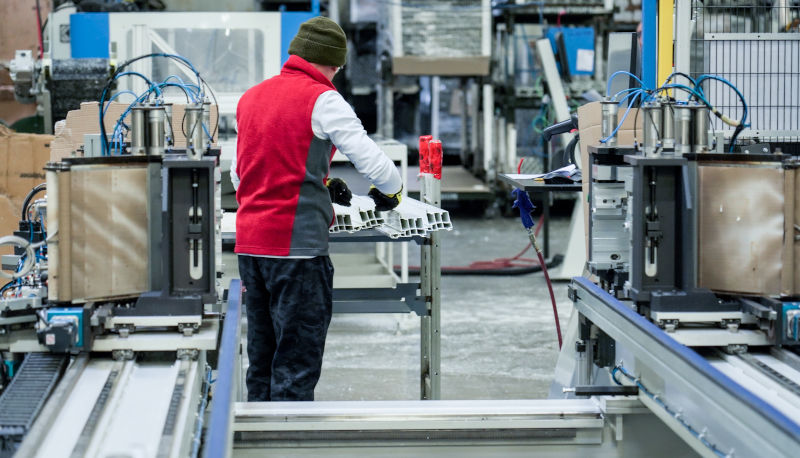
Here’s where many homeowners make costly mistakes, not during installation, but before they even place the order. Asking the right questions can prevent overspending, delays, and performance issues.
Step-by-Step: A Buyer’s Checklist
1. What material is best for my climate?
In Canada, insulation is critical. Vinyl windows are often the most practical choice due to their thermal performance and durability.
2. What is included in the installation cost?
Clarify whether the quote covers:
- Removal of old windows
- Structural repairs
- Insulation and sealing
- Cleanup
Hidden costs often come from unclear scope.
3. Are the windows energy-efficient?
Ask about:
- ENERGY STAR® certification
- Double or triple glazing
- Low-E coatings
Energy efficiency directly impacts long-term savings.
4. How precise are the measurements?
Accurate measurements are essential for custom windows. Even small errors can lead to installation challenges.
5. What is the warranty?
A strong warranty indicates confidence in the product and its installation.
6. How long will installation take?
Timeline affects both cost and convenience. Delays can increase labour expenses.
Viewing the Decision from Different Angles
Budget Perspective
What looks cheaper initially may cost more over time. Always evaluate total lifecycle cost.
Performance Perspective
Does the window improve insulation and reduce energy bills? If not, it’s not a good investment.
Installation Perspective
Will the window simplify or complicate installation? Custom sizing often improves efficiency
When you step back and consider budget, performance, and installation together, the real value of a window becomes clear. The right choice isn’t just about upfront cost — it’s about long-term efficiency, comfort, and how well the solution fits your home from day one.
Are custom windows worth the cost for your home?
Custom windows are not inherently more expensive. They are designed to fit your home more precisely, which improves performance and reduces compromises. While upfront costs can be 10–30% higher, the improved fit, energy efficiency, and reduced maintenance frequently offset that difference over time.
For most homeowners, especially in Canada’s demanding climate, custom vinyl windows represent a balanced investment combining affordability, durability, and long-term savings. When selected thoughtfully and installed correctly, they don’t just replace old windows; they enhance comfort, efficiency, and overall property value.
Frequently Asked Questions
Are custom windows always more expensive than standard windows?
No, not always. While custom windows can cost 10–30% more upfront, the final price depends on size, materials, glazing, and installation complexity. In many cases, a better fit and energy efficiency reduce long-term costs.
What is the average cost of custom vinyl windows in Canada?
Most homeowners can expect to pay between $500 and $1,500+ per window installed. Simpler designs fall on the lower end, while large or complex windows can cost $2,000–$4,000 or more.
Why is installation such a large part of the cost?
Installation can account for 30–50% of the total project because it includes labour, structural adjustments, insulation, and proper sealing. Poor installation can reduce performance, making this step critical.
Are custom windows more energy-efficient than standard ones?
Yes, in most cases. Custom windows are built to fit precisely, reducing air leaks and improving insulation. This can lower heating and cooling costs over time.
What factors increase the price of custom windows the most?
The biggest cost drivers include window size, shape, glazing type (double vs triple pane), frame material, labour complexity, and design features like custom colours or grilles.
Are there hidden costs when ordering custom windows?
Yes, potential hidden costs include structural modifications, permit fees, energy-efficiency upgrades, and unexpected repairs during installation. A detailed quote helps avoid surprises.
When do standard windows make more sense than custom?
Standard windows can be a good option when openings match common sizes, the budget is limited, or the project is short-term. However, they may require compromises in fit and performance.
Why are vinyl custom windows so popular in Canada?
Vinyl offers the best balance of affordability, durability, and energy efficiency. It also requires minimal maintenance and performs well in Canada’s climate.
Do custom windows increase home value?
Yes. They can improve curb appeal, energy efficiency, and overall home performance, increasing resale value and helping homes sell faster.
How can I reduce the cost of custom windows without sacrificing quality?
You can lower costs by choosing simpler designs, ordering multiple windows at once, selecting vinyl materials, planning installation in off-peak seasons, and finalizing decisions early to avoid changes.

1000’s of Colours & Textured Finishes
Transform your home from ordinary to extraordinary with our new coloured and non-glare textured finishes. Available in a wide array of colours as well as custom matched colours for your very own personalized design.
Our Most Popular Replacement Window Colours: