Are Premium Windows Overkill for Average Canadian Homes?

Key Takeaways
- Premium windows differ from standard models in frame construction, glass packages, sealing systems, hardware, and warranty coverage, not just price.
- For homes with old single-pane windows, persistent drafts, high heating bills, or plans for long-term ownership, premium windows represent a practical investment rather than an optional luxury.
- For recently built homes with serviceable double-glazed windows, standard ENERGY STAR-certified replacements may deliver adequate performance without the additional cost of the premium tier.
- Professional installation is as important as the window specification itself: even a top-tier product underperforms if it is incorrectly measured, framed, or sealed.
For most Canadian homeowners, premium windows are not overkill. They are a proportionate response to the reality of Canadian winters, rising energy costs, and the long lifecycles of residential windows. A window installed today will typically serve the home for 25 to 30 years, and the difference between a standard replacement and a premium specification compounds with each heating season over that period. That said, premium windows are not the right answer for every situation. A home with recently replaced, serviceable double-glazed windows in good condition does not need upgrading. A home being sold in two years may not recover the investment. The question is not whether premium windows are good: they clearly are. The question is whether your specific home and situation justify the additional cost.
What Makes Premium Windows Different?
Premium windows differ from standard replacement windows in frame construction, glass specification, sealing systems, hardware quality, and installation standards. The gap between standard and premium is not a single feature but a combination of choices that compound across the full assembly.
Frame construction
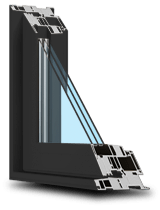
A standard replacement window uses a basic extruded frame profile with a limited number of internal chambers. A premium vinyl frame typically uses a multi-chamber profile with reinforced corners, welded joints rather than mechanically fastened ones, and, in some configurations, steel or fibreglass reinforcement in the frame's structural sections. Welded corners eliminate the seams that fastened corners create, which are potential points of air infiltration and moisture ingress over time. Reinforced frames also maintain their geometry better across decades of thermal cycling, which keeps the sash seated correctly against the weatherstripping and preserves the integrity of the seal.
Glass packages
Standard replacement windows typically include a double-glazed sealed unit with a basic Low-E coating and argon gas fill. Premium windows extend this with triple glazing, advanced Low-E coatings tuned for specific orientations or climate zones, and krypton gas filling the narrower cavities of triple-pane units, where argon is less effective. The practical difference between double and triple glazing is most apparent near the glass surface on cold days: a triple-pane unit keeps the interior glass surface significantly warmer, which reduces condensation and the cold-radiation effect that makes people feel uncomfortable near windows even when the room air temperature is adequate.
Hardware and security
Premium windows include higher-grade crank mechanisms, hinges, and locking hardware that maintain precise tolerances over years of use. Multi-point locking systems secure the sash at multiple points around the frame rather than at a single latch, which both improves security and ensures the sash compresses the weatherstripping evenly across its full perimeter. Standard hardware typically offers a single-point lock, which concentrates closing force at one location and allows the rest of the sash to flex slightly away from the frame. The vinyl windows at Canadian Choice Windows & Doors include DraftLOCK technology, triple-sealed welded frames, reinforced frame sections, and multi-point locking as part of their premium specification.
Are Premium Windows Worth It in Canada?

In Canada’s climate, the answer for most homes is yes, with qualifications. The performance gap between standard and premium windows is most meaningful in cold climates with long heating seasons, which describes the majority of the Canadian population.
The starting point for this question is the scale of the opportunity. According to Natural Resources Canada, windows, doors, and skylights can be a significant source of energy loss in a home, accounting for up to 25% of total energy loss. In a country where space heating represents the single largest component of residential energy use, that is a meaningful share of a meaningful cost. Windows that reduce heat loss and air infiltration are not a lifestyle upgrade; they are an intervention at one of the largest points of inefficiency in the building envelope.
Beyond energy, the comfort argument for premium windows is equally compelling in a Canadian context. Cold glass surfaces cause radiant discomfort even when the room air is warm: people sitting near a poorly performing window in January feel cold, not because the room is underheated but because the glass surface radiates cold toward them. A triple-pane window with a low U-factor keeps the interior glass surface significantly warmer, which changes how a room feels even if the thermostat setting is unchanged. In a home where certain rooms have always been uncomfortable near the windows in winter, this effect is immediately noticeable after a premium replacement.
Canada's climate varies significantly from region to region. In coastal British Columbia, mild winters mean the energy argument for premium windows is less dramatic than it is in Ontario, the Prairies, or northern climates where temperatures regularly reach minus 20 or below. In exposed or windy locations, air leakage through standard windows is a persistent comfort problem that premium sealing systems address directly. Regional climate should inform the choice of glass package, particularly the balance between Solar Heat Gain Coefficient (SHGC) and U-factor, but it does not alter the fundamental argument that better windows perform better in every Canadian climate.
“Homeowners sometimes ask us if the most efficient windows are necessary for their home. Our answer is always: it depends on what your current windows are doing and how long you plan to stay. If your windows are from the 1990s, you are almost certainly losing heat and comfort that a quality replacement would recover. If they were replaced five years ago and are in good shape, the calculus is different.” — Helen Sin, Consumer Success Manager at Canadian Choice Windows & Doors
When Is a Premium Upgrade a Practical Investment?
Premium windows deliver the clearest return on investment when the existing windows are genuinely poor performers, when the homeowner plans to remain in the home long term, or when comfort and noise problems are affecting daily life.
Signs your home can benefit from a premium upgrade
- Single-pane or early double-pane windows: Windows from the 1980s or early 1990s are almost certainly underperforming by current standards. Single-pane glass offers minimal insulation, and early double-pane units may have failed seals that have allowed moisture into the cavity, eliminating the insulating benefit of the air gap.
- Persistent drafts near windows: Feeling cold air at the edges of a closed window, particularly in winter, indicates that the weatherstripping has degraded or the sash is no longer seating tightly against the frame. Premium windows with multi-seal systems and compression-sealing hardware address this directly.
- High heating bills without an obvious cause: If your home is adequately insulated and your heating system is functioning correctly, but energy costs remain high, windows are a logical next area to investigate.
- Condensation between panes: Permanent foggy appearance between the glass panes indicates that the sealed unit has failed and the inert gas has been replaced by humid air. A failed sealed unit provides none of the insulation of an intact double or triple-pane unit and should be replaced.
- Noticeable cold spots and radiant discomfort: Rooms that are consistently uncomfortable near windows in winter, even when the thermostat reads an adequate temperature, are exhibiting the radiant effect of cold glass surfaces. Premium triple-pane windows eliminate most of this effect by keeping the interior glass surface significantly warmer.
- Street noise and sound infiltration: Standard single and basic double-pane windows provide limited acoustic attenuation. Premium windows with laminated glass options or thick triple-pane assemblies significantly reduce sound transmission, which is a meaningful quality-of-life improvement in urban or traffic-exposed locations.
- Long-term ownership: A homeowner planning to stay in a house for ten or more years has a long runway over which to recover the additional cost of premium windows through energy savings, reduced maintenance, and the sustained comfort improvement of a better-performing envelope.
How Much Energy Efficiency Should You Pay For?
The answer depends on your climate zone, your existing windows, and your ownership timeline. The Canadian ENERGY STAR framework provides a practical, verified benchmark for comparing window performance without having to interpret complex technical specifications independently.
The key metrics for comparing windows in Canada are the U-factor, the Energy Rating (ER), and the Solar Heat Gain Coefficient (SHGC). The U-factor measures the rate of heat transfer through the window assembly: the lower the number, the slower the heat loss. The ER combines U-factor, air leakage, and potential solar gain into a single number: the higher the ER, the better the overall energy performance. The SHGC measures how much solar radiation the glass admits, which matters for orientation: south-facing windows in cold climates benefit from a higher SHGC to capture passive solar warmth, while north-facing windows benefit from a lower SHGC to minimize heat loss.
According to Natural Resources Canada’s searchable product list for ENERGY STAR certified windows , to qualify for the standard ENERGY STAR certification, a window must have a U-factor of 1.22 W/m²K or lower, or an ER of 34 or higher. To qualify for the ENERGY STAR Most Efficient designation, the top performance tier, a window must have a U-factor of 1.05 W/m²K or lower, or an ER of 40 or higher. NRCan also states that ENERGY STAR Most Efficient windows are up to 55% more energy efficient than average models, compared to 20% for standard ENERGY STAR certified products. For a homeowner with older windows, this difference in performance tier is what separates a serviceable improvement from a genuine upgrade.
ENERGY STAR window performance tiers in Canada
| Performance Tier | U-factor Threshold | Energy Rating Threshold | Efficiency vs Average |
|---|---|---|---|
| Standard (non-certified) | Above 1.22 W/m²K | Below 34 | Baseline |
| ENERGY STAR certified | 1.22 W/m²K or lower | 34 or higher | ~20% better than average |
| ENERGY STAR Most Efficient | 1.05 W/m²K or lower | 40 or higher | Up to 55% better than average |
For most Canadian homeowners replacing windows that are more than 15 years old, targeting the ENERGY STAR Most Efficient tier is a justifiable choice. The performance gap between the standard ENERGY STAR and Most Efficient ratings is meaningful over a long heating season, and the energy-efficient windows at Canadian Choice Windows & Doors are available with specifications that meet or exceed this threshold.
Can Premium Windows Improve Comfort Beyond Energy Savings?
Yes, and for many homeowners, the comfort improvement is more immediately noticeable than the energy bill reduction. Warmer glass surfaces, fewer drafts, reduced cold spots, lower noise levels, and smoother hardware operation all contribute to a day-to-day improvement in how the home feels.
The radiant comfort effect of better windows is one of the least-discussed yet most impactful differences between standard and premium products. When a window’s interior glass surface is cold, the human body radiates heat toward it, creating a sensation of coldness even when the ambient air temperature is comfortable. A triple-pane window with a U-factor in the Most Efficient range keeps the interior glass surface significantly warmer, effectively eliminating this effect. Rooms that were previously avoided in winter because of cold window walls become usable and comfortable after a premium replacement, which is a quality-of-life improvement that does not show up in an energy bill but is felt immediately.
Acoustic performance is a second comfort dimension that premium windows address meaningfully. Standard double-pane windows provide some noise reduction compared to single-pane windows, but the improvement is modest. Premium windows with laminated glass, thicker panes, or triple-pane assemblies with asymmetric glass thicknesses break up sound frequencies more effectively and can make a significant difference in homes on busy streets, near rail lines, or in urban environments where ambient noise is a constant irritant. This benefit is particularly relevant for bedrooms, where overnight noise affects sleep quality.
Standard vs premium windows: comfort outcomes compared
| Comfort Factor | Standard Replacement Window | Premium Window |
|---|---|---|
| Interior glass temp in winter | Cool to cold surface | Noticeably warmer surface |
| Draft resistance at edges | Single-seal; variable | Multi-seal; compression-close |
| Cold spot near the window | Common in winter | Significantly reduced |
| Noise reduction | Moderate | Considerably better |
| Hardware operation | Functional | Smooth; maintains precision over time |
| Security | Single-point lock | Multi-point locking; harder to force |
| Condensation on glass | More likely on cold nights | Less likely; warmer surface |
What Features Should You Look for in Premium Windows?
When evaluating premium windows, the features that matter most are those that directly affect long-term performance: frame integrity, sealing quality, glass specification, hardware durability, and installation standard. Cosmetic options are secondary.
Frame integrity starts with welded corners. A welded frame fuses the frame's corners into a single continuous unit, eliminating the mechanical fasteners and sealants used in standard frames, which can loosen or degrade over time. Welded frames maintain their geometry more precisely across decades of thermal expansion and contraction, which keeps the sash aligned with the frame and the weatherstripping in continuous contact. Reinforced frame sections, typically using steel or fibreglass inserts in the structural areas of the profile, prevent deflection in larger window sizes and in doors, where the weight of the sash would otherwise cause sag over time.
Sealing quality is the second critical category. A premium window should include at least a triple-seal system: an exterior seal that sheds water, a middle thermal-break seal, and an interior air-barrier seal. This layered approach means that even if one seal is imperfect, the others maintain the assembly's performance. The spacer system between the glass panes also matters: conventional aluminum spacers conduct heat at the edges of the glass unit, creating cold spots along the perimeter and condensation on the glass edge in cold weather. Warm-edge spacers made from lower-conductivity materials reduce edge-of-glass heat loss and keep the glass perimeter warmer.
The glass specification should be evaluated against your home’s orientation and climate zone rather than as a single number. For most Canadian climates, triple glazing with a passive Low-E coating and argon fill is the appropriate premium specification. For very cold climates or north-facing walls, a lower U-factor unit with krypton fill offers additional performance. For south-facing walls in any climate, balancing SHGC against U-factor to maximize passive solar gain is worth discussing with a knowledgeable supplier.
“The features homeowners should focus on are the ones they will never see after installation: the weld quality at the corners, the spacer system at the glass edge, and the number of seals on the weatherstripping. These determine how the window performs ten years from now, not just on the day it goes in. The visible hardware is secondary.” — Tony Wong, Project Manager at Canadian Choice Windows & Doors
Are Premium Windows Excessive for Newer or Smaller Homes?
In some situations, the premium tier is not the right choice. Understanding when standard ENERGY STAR-certified windows are sufficient is as important as understanding when the upgrade is justified.
Homes built after 2000 that have not had their windows replaced typically already have double-pane windows with a basic Low-E coating. If those windows are intact, properly sealed at the rough opening, and not showing signs of seal failure, their performance may already be acceptable for the home’s heating and comfort needs. Replacing serviceable, relatively recent windows with premium units before the existing units have reached the end of life is difficult to justify on economic grounds alone, even if the premium units would perform better.
Short-term ownership is a second situation where the premium tier may not be the right investment. If you plan to sell a home within three to five years, the energy savings from a Most Efficient window over a standard ENERGY STAR window may not be large enough to recover the price difference in that timeframe. Buyers in most Canadian markets value new windows and appreciate the comfort they provide, but the premium tier is unlikely to command a proportionately higher sale price over the standard tier in most situations.
Rooms with limited window exposure, such as a small interior bathroom with a single small window, or utility rooms where comfort and energy use are secondary, are also cases where the standard tier is entirely adequate. The premium specification adds the most value in the rooms that matter most: living rooms, bedrooms, and spaces where people spend extended time near the windows in winter.
How Much Does Professional Installation Matter?
Professional installation is not optional for premium windows: it is the factor that determines whether the product’s specifications are realized in practice. A poorly installed premium window underperforms a correctly installed standard window. The glass rating on the label is achieved only when the window is correctly measured, framed, insulated, sealed, and finished.
The most common installation failures are not visible after the job is completed, which is what makes them so consequential. Gaps in the spray foam or batt insulation between the window frame and the rough opening create thermal bridges and air infiltration points that defeat the purpose of upgrading the glass package. Improper flashing at the exterior allows water to accumulate at the rough opening junction, leading to water damage that is invisible until it becomes expensive to repair. A window installed out of plumb or out of square will not seat the sash properly against the weatherstripping, resulting in drafts and air leakage that the premium sealing system was designed to prevent.
Installation quality checklist
- Measurement and ordering: The rough opening is measured accurately before ordering. Premium windows are made to specification and cannot be adjusted on-site.
- Removal of the existing window: The old window and frame are removed carefully to avoid damaging the surrounding structure. Rot or water damage at the rough opening is identified and repaired before the new window is installed.
- Rough opening preparation: The opening is checked for plumb, level, and square. Shimming is used to correct minor deviations before the window is placed.
- Insulation: The cavity between the window frame and the rough opening framing is filled with low-expansion spray foam or appropriate batt insulation. No gaps are left.
- Flashing: Exterior flashing tape is applied at the sill and sides of the opening before the window is set, and at the head of the opening after installation. Flashing prevents water from tracking into the rough opening at the frame-to-cladding junction.
- Sealing: A continuous bead of exterior-grade sealant is applied around the perimeter of the exterior frame after the window is installed. Interior sealant or trim is applied to complete the air barrier on the inside face.
- Hardware check and adjustment: All operable sashes are tested for smooth operation, correct seating against the weatherstripping, and positive lock engagement. Any adjustments to hinges, cranks, or locking hardware are made before the installers leave the site.
- Final inspection: The installation is inspected from both inside and outside for alignment, seal continuity, and correct operation. The homeowner is shown how to operate and maintain the windows correctly.
Natural Resources Canada also notes on its windows guidance page that a poorly installed window, door, or skylight may cause condensation, cold drafts, or water leakage, and recommends choosing installers from the Window Wise certification program where possible. The window installation team at Canadian Choice Windows & Doors manufactures, installs, and services its own products, which means accountability for the complete outcome rather than separate responsibilities for the product and the installation.
How Do Warranties and Reputation Affect the Decision?
Warranty coverage and manufacturer reputation are underweighted factors in most window purchase decisions. They matter because windows are long-lived products that will encounter problems at some point, and who stands behind the product determines how quickly and completely those problems are resolved.
A transferable warranty is a practical consideration for any homeowner who may sell their property within the expected service life. A 25-year transferable warranty, such as the one offered on vinyl windows by Canadian Choice Windows & Doors, means that if the home is sold 10 years after installation, the remaining 15 years of warranty coverage transfer to the new owner. This is a tangible selling point that can be communicated to buyers and that gives them confidence in a significant component of the home they are purchasing.
The structure of the supplier relationship also matters. Companies that manufacture, install, and service their own products have a direct incentive to install correctly and to resolve warranty claims without passing responsibility between separate parties. When the same company is responsible for both product and installation quality, the homeowner has a single point of contact and a clear chain of accountability. This is a different situation from purchasing a window from one company and having it installed by a separate contractor, where disputes about whether a problem is a product defect or an installation error can leave the homeowner without a resolution.
Before committing to a supplier, it is worth verifying that the warranty covers both the sealed glass unit and the frame hardware separately, that the coverage terms are clearly written and not conditional on installation by a specific contractor, and that the company has an established local presence and service history. Checking reviews and asking for references from installations that are five or more years old gives a more realistic picture of long-term service quality than new-installation reviews alone.
Can Premium Windows Improve Curb Appeal and Resale Value?
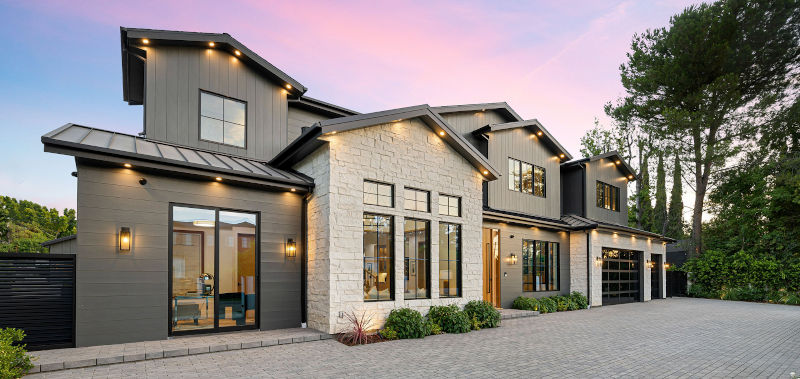
Premium windows contribute to curb appeal through profile design, colour options, exterior finish quality, and grille styles. While windows are rarely the deciding factor in a home sale, visibly upgraded windows signal home maintenance and quality to buyers.
The exterior profile of a premium window is narrower and more refined than the chunky frames of older standard products, improving the glass-to-frame ratio and giving the exterior elevation a cleaner, more contemporary appearance. Colour options for premium vinyl windows now extend well beyond the standard white and beige of previous decades. Factory-applied exterior colours in matte and textured finishes match or complement most exterior cladding colours, giving the windows a finished, intentional appearance rather than the default institutional look of early vinyl products.
Grille options, including between-glass grilles that eliminate cleaning difficulties while maintaining the visual character of divided lights, allow premium windows to be specified in styles that complement heritage, craftsman, or contemporary architectural characters. The windows and doors range at Canadian Choice Windows & Doors includes coloured and textured finishes, non-glare options, and custom-matched exterior colours that can be specified to match specific cladding materials and architectural styles.
At resale, premium windows communicate that the home has been maintained to a high standard and that the buyer is unlikely to face window-related costs in the near term. This is a signal rather than a quantified premium in most markets, but in a competitive selling environment where buyers have multiple options, a home with clearly premium windows and doors makes a more confident impression than one with older or builder-grade units.
Final Verdict: Are Premium Windows Worth It for Canadian Homes?
For most Canadian homeowners, premium windows are not an unnecessary luxury — they are a long-term performance upgrade that directly improves comfort, energy efficiency, noise reduction, and overall home durability. In a climate with long heating seasons and significant temperature swings, better frame construction, stronger sealing systems, and higher-performing glass packages provide measurable day-to-day benefits that standard builder-grade windows often cannot match.
That said, the right choice depends on the condition of your current windows, your budget, and how long you plan to stay in the home. If your existing windows are relatively modern and performing well, a standard ENERGY STAR-certified replacement may be entirely sufficient. But for older homes with drafts, rising heating costs, condensation problems, or persistent winter discomfort, premium windows are a practical investment that continues paying off for decades through improved comfort, lower maintenance, and stronger overall home performance.
Frequently Asked Questions
How long do premium windows typically last in a Canadian climate?
Well-specified and professionally installed vinyl windows typically perform for 25 to 30 years in Canadian conditions without major issues. The sealed glass unit may reach the end of life before the frame, typically showing as permanent fogging between the panes, and can often be replaced in the existing frame without a full window replacement. Hardware components such as cranks, hinges, and locks may require servicing earlier, but are generally replaceable.
Is triple glazing always worth it, or is double glazing enough?
For most Canadian climates, particularly in Ontario, Quebec, the Prairies, and northern regions, triple glazing delivers a meaningful improvement in comfort and thermal performance compared to standard double glazing. The difference is most apparent in winter, near-glass comfort rather than purely in energy savings. For coastal British Columbia with its milder winters, high-performance double glazing may be adequate for the climate zone, though triple glazing remains a justifiable choice for north-facing walls or comfort-sensitive rooms.
What is DraftLOCK technology and how does it work?
DraftLOCK is a Canadian Choice Windows & Doors proprietary sealing and closing system that combines a triple-seal weatherstripping configuration with multi-point hardware. When the sash is closed and locked, the multi-point hardware compresses all three seals simultaneously along the full perimeter of the frame, eliminating the gaps that single-point hardware can create at unsupported sections of the sash. The result is a more consistent seal around the entire perimeter, reducing air infiltration and improving the assembly's thermal performance in cold weather.
How do I know if my current windows need replacing or just maintenance?
Start by inspecting the sealed glass units: a permanent foggy appearance between the panes indicates the unit has failed, and replacement is the only remedy. Check the weatherstripping by closing the window and running your hand around the perimeter on a cold day: cold air indicates a seal has deteriorated. Inspect the exterior caulk for cracks or separation. Test the hardware for smooth operation and full sash closure. If the issues are limited to weatherstripping and caulk, maintenance may extend the window’s useful life by several years. If the sealed units have failed, the frame is warped or cracked, or the hardware cannot be adjusted to achieve a proper seal, replacement is the more cost-effective path.

1000’s of Colours & Textured Finishes
Transform your home from ordinary to extraordinary with our new coloured and non-glare textured finishes. Available in a wide array of colours as well as custom matched colours for your very own personalized design.
Our Most Popular Replacement Window Colours: