Modern Windows for Homes in Waterloo
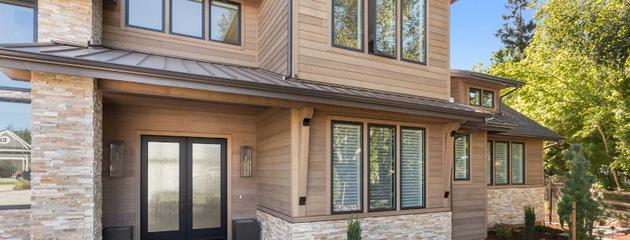

Modern windows in Waterloo are not just about aesthetics; they are a practical upgrade that improves energy efficiency, comfort, and long-term home value. In a climate where heat loss and seasonal changes matter, modern vinyl windows stand out as a reliable solution that reduces costs and enhances everyday living. The real consideration is not whether to upgrade, but how much performance and long-term value you want your home to deliver.
Key Takeaways
- Modern windows in Waterloo are defined by advanced materials (especially vinyl), multi-pane glazing, and superior insulation performance, not just aesthetics.
- Energy-efficient windows are critical in Waterloo’s climate, helping reduce heat loss in winter and cooling costs in summer, with measurable long-term savings.
- Popular window types such as casement, double-hung, and picture windows combine functionality, efficiency, and design flexibility for modern homes.
- Vinyl windows stand out as a leading choice due to their durability, low maintenance, and strong thermal performance.
- Window costs in Waterloo vary widely depending on size, style, glazing, and installation, but energy-efficient vinyl windows offer strong long-term value.
- Even the most advanced window will underperform if installed incorrectly, leading to air leakage, moisture issues, and reduced lifespan.
- Modern windows — especially vinyl windows — can significantly improve resale value by enhancing energy efficiency, curb appeal, and buyer confidence.
- The overall value of new windows lies in the balance between initial cost, long-term savings, and property market appeal.
What makes modern windows in Waterloo different from traditional options?
Modern windows are not just an upgrade in appearance. They fundamentally change how a home performs. In Waterloo, where temperature swings are significant, the difference becomes especially noticeable: modern windows are built for efficiency, durability, and long-term comfort, while traditional ones were mostly about basic function and limited insulation.
Materials: From Wood and Aluminum to Advanced Vinyl
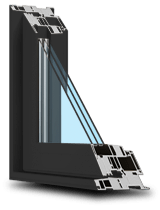
Traditional windows in older Waterloo homes were typically made from wood or aluminum. While wood offers a classic appearance, it requires constant maintenance and is prone to warping or rotting over time. Aluminum, on the other hand, is durable but conducts heat easily, making it less efficient in colder climates.
Modern windows, particularly vinyl windows, address these limitations directly. Vinyl does not rot, resists moisture, and provides natural insulation. It also requires minimal upkeep, a major advantage for homeowners seeking long-term value without ongoing maintenance costs.
In practical terms, this means:
- Vinyl frames reduce heat transfer compared to aluminum
- They maintain structural integrity through seasonal changes
- They support airtight sealing, improving overall efficiency
Glazing Technology: Single Pane vs Multi-Pane Systems
One of the biggest leaps forward is in glazing. Traditional windows often used single-pane or basic double-pane glass. This no longer meets modern performance standards.

Modern windows typically feature:
- Double or triple glazing
- Low-E (low emissivity) coatings to reflect heat
- Argon or krypton gas fills between panes for insulation
According to Natural Resources Canada, upgrading from single-pane to ENERGY STAR® certified windows can significantly reduce heat loss, sometimes by more than 20%.
The result is clear: homes stay warmer in winter and cooler in summer, without overworking HVAC systems.
Insulation and Performance: The Real Game Changer
Modern windows are engineered with performance metrics in mind, something traditional windows simply weren’t designed for. Key indicators include:
- U-factor (how well a window prevents heat loss)
- Solar Heat Gain Coefficient (SHGC) (how well it blocks heat from sunlight)
- Air leakage ratings
In Waterloo’s climate, where winters are long and cold, a low U-factor is especially important. Modern vinyl windows excel here, offering tight seals and multi-chambered frames that improve thermal resistance.
Industry data and Natural Resources Canada research indicate that windows are a major source of energy loss in older homes. Replacing outdated units with modern alternatives can dramatically improve indoor comfort.
A Shift in Design Philosophy
Traditional windows were mostly standardized in form and function. Modern windows, however, are built around customization and architectural integration. Homeowners can now choose styles, finishes, and configurations that align with both performance goals and design preferences.
This evolution reflects a broader shift: windows are no longer just openings; they are critical components of a home’s energy system.
Why are energy-efficient windows important for Waterloo homes?
Waterloo’s climate doesn’t leave much room for inefficiency. Winters are cold, summers can be humid, and temperature fluctuations throughout the year put constant pressure on a home’s insulation system. That’s why energy-efficient windows aren’t just a nice upgrade; they’re a necessity.
Climate Impact: Why Waterloo Homes Need Better Windows
In regions like Waterloo, heating accounts for a significant portion of household energy use. According to Natural Resources Canada , space heating can represent over 60% of total home energy consumption.
Similar patterns can be observed across Canadian cities, whether in colder regions like Edmonton or coastal areas such as Truro and Amherst . Regardless of location, climate conditions place consistent pressure on home performance, making window efficiency a critical factor in reducing heat loss and maintaining indoor comfort.
Inefficient windows can account for up to 25% of a home's heat loss. That means outdated windows are essentially letting energy and money escape.
Modern energy-efficient windows address this by:
- Reducing drafts and cold spots
- Maintaining consistent indoor temperatures
- Minimizing reliance on heating and cooling systems
The result? A more stable and comfortable living environment, regardless of the season.
Financial Benefits: Short-Term Costs, Long-Term Gains
At first glance, upgrading windows might seem like a significant investment. But the long-term return is where the real value lies.
Energy-efficient windows can:
- Lower monthly heating and cooling bills
- Increase property value
- Reduce maintenance costs over time
Research from ENERGY STAR® indicates that homeowners can save hundreds of dollars annually, depending on the size of their home and the efficiency of the windows they install.
And there’s another layer: modern vinyl windows, in particular, offer durability that extends their lifespan well beyond that of traditional materials. That means fewer replacements and repairs over time.
“In Waterloo’s climate, homeowners often underestimate how much energy is lost through outdated windows. Once they switch to modern vinyl systems, the difference in comfort and monthly costs becomes noticeable almost immediately,” says Tony Wong, Project Manager at Canadian Choice Windows & Doors .
Environmental Responsibility and Modern Standards
There’s also a growing emphasis on sustainability. Energy-efficient windows help reduce a home’s carbon footprint by lowering energy consumption.
This aligns with broader building standards and regulations across Canada, where efficiency is increasingly prioritized in both new construction and renovations.
As experts in the field often emphasize, choosing the right window system is not just about comfort; it’s about responsible energy use and future-proofing your home.
Which types of modern windows are most popular among homeowners?
In newer neighbourhoods across Waterloo, consistent window design patterns are evident. Certain window styles recur not by coincidence, but because they balance performance, usability, and design.
Below is a breakdown of the most popular window options and why these styles are widely used in modern homes in Waterloo.
Casement Windows: Efficiency Meets Functionality
Casement windows are hinged on the side and open outward, usually with a crank. They are widely considered to be among the most energy-efficient window styles available.
Why? Because when closed, they form a tight seal against the frame, minimizing air leakage.
Key advantages:
- Excellent ventilation control
- Strong airtight seal
- Ideal for hard-to-reach areas (e.g., over sinks)
However, there is a trade-off: casement windows require exterior clearance to open fully, which may not suit every space.
Double-Hung Windows: Classic Look, Modern Performance
Double-hung windows maintain a traditional aesthetic while incorporating modern technology. Both the top and bottom sashes can move, allowing flexible ventilation.
They’re especially popular in renovation projects where homeowners want to preserve a classic look but improve efficiency.
Key advantages:
- Easy cleaning (tilt-in sashes)
- Versatile ventilation options
- Suitable for a wide range of home styles
However, they may not seal as tightly as casement windows, which can slightly impact efficiency.
Picture Windows: Maximizing Light and Views
Picture windows don’t open, but that’s exactly what makes them so efficient. With no moving parts, they are completely sealed, eliminating air leakage.
They’re often used in combination with operable windows to balance light and ventilation.
Key advantages:
- Maximum natural light
- Unobstructed views
- High energy efficiency
The downside? No ventilation. But when paired strategically with other window types, they become a powerful design feature.
Comparison of Popular Modern Window Types
| Feature | Casement Windows | Double-Hung Windows | Picture Windows |
|---|---|---|---|
| Energy Efficiency | Very High | Moderate to High | Extremely High |
| Ventilation | Excellent | Flexible | None |
| Maintenance | Low | Moderate | Very Low |
| Aesthetic Flexibility | Modern | Traditional/Modern | Contemporary |
| Best Use Case | Kitchens, tight spaces | Bedrooms, living areas | Living rooms feature walls |
Design Trends in Waterloo Homes
Modern homeowners are increasingly combining window types to achieve both performance and visual appeal. For example:
- Casement windows paired with picture windows for airflow + light
- Large fixed windows in living spaces to maximize views
- Symmetrical double-hung layouts in heritage-style homes
These choices are driven by a combination of performance requirements and lifestyle preferences. A mix of practicality and lifestyle preferences. Homeowners want windows that not only perform well but also enhance how a space feels and functions.
And vinyl windows remain central to all of these designs offering the flexibility to support different styles without compromising on efficiency.
How do modern window materials affect durability and performance?
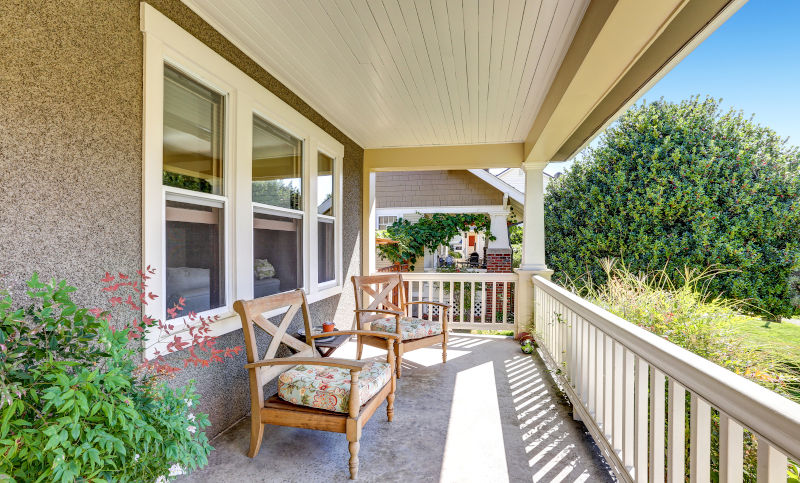
If two windows appear identical from the outside, they may still perform very differently. But in reality, the material behind the frame determines almost everything about how long the window lasts, how well it insulates, and how much effort it takes to maintain.
In Waterloo’s climate, where moisture, freezing temperatures, and seasonal expansion all come into play, material choice becomes a technical decision, not just an aesthetic one.
Vinyl, Aluminum, and Wood: What Actually Changes?
To understand this, it is important to compare the core materials. The three most common window materials, vinyl, aluminum, and wood, each behave very differently under stress.
Vinyl windows have become a leading choice across Canada, and for good reason. They are engineered to resist moisture, temperature fluctuations, and UV exposure. Unlike wood, they don’t rot or warp. Unlike aluminum, they don’t conduct heat easily.
Wood windows, while visually appealing, require ongoing maintenance. Without regular sealing or painting, they are vulnerable to moisture damage, especially in regions with snow and humidity cycles like Waterloo.
Aluminum windows are structurally strong but fall short in insulation. Because metal is a natural conductor, heat transfers easily through the frame unless thermal breaks are added.
What’s the takeaway? Modern vinyl windows strike a balance between durability, insulation, and low maintenance, which explains their growing popularity.
Performance Over Time: What Do Studies Show?
According to Natural Resources Canada , window performance is closely tied to both glazing and frame material. Vinyl frames consistently demonstrate lower thermal conductivity, which contributes to better overall energy efficiency.
In long-term performance assessments:
- Vinyl windows maintain structural stability over decades
- Wood windows may degrade without maintenance
- Aluminum frames often require additional insulation technology
This matters because performance isn’t just about the first year it’s about how the window behaves after 10, 15, or even 20 years.
Maintenance and Lifespan Considerations
Durability is often misunderstood as “how strong something is.” But in windows, durability also means how little intervention is required to maintain consistent performance.
Vinyl windows require minimal maintenance:
- No painting or sealing
- Easy cleaning with standard household products
- Resistance to corrosion and moisture
Wood windows, by contrast, demand regular upkeep to prevent deterioration. Aluminum sits somewhere in between in terms of durability, but it often requires attention to prevent condensation issues.
Specification Comparison of Window Materials
| Feature | Vinyl Windows | Wood Windows | Aluminum Windows |
|---|---|---|---|
| Lifespan | 20–40 years | 15–30 years (with upkeep) | 20–30 years |
| Maintenance | Very Low | High | Moderate |
| Insulation Performance | High | Moderate to High | Low (without thermal break) |
| Moisture Resistance | Excellent | Low | High |
| Cost Efficiency | High (long-term) | Moderate | Moderate |
How much do modern windows in Waterloo typically cost?
There is no single price for modern windows, which is often where confusion begins. Costs vary based on several factors, but understanding the pricing structure helps homeowners make informed decisions.
To clarify: modern window pricing in Waterloo reflects material quality, energy performance, customization, and installation expertise.
Typical Price Ranges in Waterloo
Based on Canadian market data and industry benchmarks, homeowners can expect the following general ranges:
- Standard vinyl windows: $500–$1,200 per window (installed)
- Larger or custom configurations: $1,200–$2,500+ per window
- Premium features (triple glazing, specialty coatings): additional cost
These prices can vary depending on factors such as installation complexity, home size, and required structural modifications. Seasonal demand and regional labour costs in Waterloo may also influence the final pricing.
What Actually Affects the Cost?
Several variables influence the final price of a window project:
- Window size and shape (larger or custom shapes increase cost)
- Type of window (casement vs picture vs double-hung)
- Glazing options (double vs triple pane, Low-E coatings)
- Frame material (vinyl vs wood vs aluminum)
- Installation complexity (retrofit vs full-frame replacement)
Labour is also a critical factor, often underestimated.
Cost Breakdown Example
| Cost Component | Estimated Range (CAD) |
|---|---|
| Window Unit (Vinyl) | $300 – $1,500 |
| Installation Labour | $150 – $500 per window |
| Customization/Upgrades | $100 – $800+ |
| Total Per Window Installed | $500 – $2,500+ |
Long-Term Value vs Upfront Cost
This is where the long-term perspective becomes important. While modern windows especially high-performance vinyl ones require an upfront investment, they often reduce:
- Monthly energy bills
- Maintenance expenses
- Future replacement costs
Over time, these savings can offset a significant portion of the initial cost, especially in energy-intensive climates like Waterloo. This makes modern windows a long-term investment in both comfort and overall home value.
How does professional installation impact window performance?
A high-performance window installed poorly will behave like a low-quality product. This is a common issue observed across residential projects.
Installation directly determines how a window performs in real conditions.
Why Installation Is Critical
Even the most advanced vinyl window relies on proper sealing, alignment, and insulation to perform as intended. If gaps exist, even small ones, air leakage can occur.
Natural Resources Canada highlights that air leakage around windows is a major contributor to energy loss in homes. This is not a material issue; it’s an installation issue.
Proper installation ensures:
- Airtight sealing
- Correct load distribution
- Moisture control
- Long-term durability
Common Mistakes in Window Installation
Certified installers often identify recurring problems in poorly executed installations:
- Inadequate insulation around the frame
- Improper levelling or alignment
- Over-tightening, leading to frame distortion
- Failure to seal gaps correctly
These mistakes can lead to drafts, condensation, and even structural damage over time.
Warranty and Performance Considerations
Most manufacturers provide warranties, but here’s the critical detail: many warranties are only valid if the window is installed according to specified guidelines.
That means improper installation can void coverage.
As Helen Sin, Consumer Success Manager at Canadian Choice Windows & Doors , explains: “Even the highest-quality window won’t deliver expected results without precise installation. Homeowners often notice the difference immediately, especially in comfort and noise reduction.”
These insights reflect a broader industry reality: installation is not a secondary step; it is a defining factor in performance.
How can new windows increase your home’s resale value?
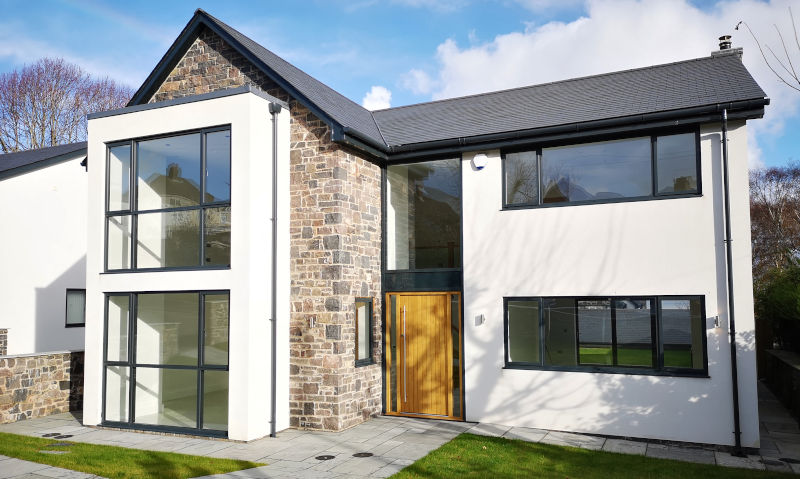
Real estate professionals often note that windows are among the first features buyers evaluate. Not just because of how they look, but because they signal something deeper: how well the home has been maintained and how efficiently it will perform.
In Waterloo’s competitive housing market, that distinction matters.
ROI: What Do the Numbers Say?
Window replacement is consistently ranked among the more reliable home improvements in terms of return on investment. Based on Canadian market data, homeowners can typically recover between 60–75% of window replacement costs at resale, depending on the quality of the upgrade and market conditions.
Return on investment is not limited to direct cost recovery. It also includes:
- Faster property sales
- Reduced negotiation pressure from buyers
- Higher perceived property value
An important additional factor is that buyers are increasingly aware of energy efficiency metrics. A home with modern vinyl windows signals lower future utility costs, which directly influences purchasing decisions.
Curb Appeal: First Impressions That Stick
Windows play a major role in how a home looks from the outside. Clean lines, modern frames, and consistent design contribute to a polished appearance.
Older windows, on the other hand, can detract from curb appeal due to:
- Visible wear or discoloration
- Outdated styles
- Condensation between panes
Modern vinyl windows maintain their appearance over time without fading or peeling, which is a key advantage when preparing a home for sale.
Buyer Preferences: What Today’s Homeowners Expect
There’s been a shift in what buyers prioritize. It’s no longer just about square footage or layout performance features are part of the conversation.
Buyers in Waterloo are increasingly looking for:
- Energy-efficient upgrades
- Low-maintenance materials
- Noise reduction (especially in urban areas)
- Long-lasting components with warranties
This aligns with broader Canadian housing trends, where sustainability and efficiency are becoming standard expectations rather than optional upgrades.
What maintenance do modern windows require over time?
One of the defining advantages of modern windows, particularly vinyl, is how little maintenance they require. However, low maintenance does mean no maintenance.
To ensure long-term performance, a consistent and simple care routine makes all the difference.
Routine Cleaning: Keeping Performance Visible
Dust, debris, and environmental buildup can affect both appearance and function. Regular cleaning helps maintain clarity and ensures moving parts operate smoothly.
A practical approach includes:
- Cleaning glass surfaces with non-abrasive solutions
- Wiping down frames with mild soap and water
- Removing debris from tracks and drainage channels
This doesn’t require specialized tools, just consistency.
Step-by-Step Maintenance Guide
Step 1:
Inspect the window frame and seals
Check for visible gaps, wear, or damage. Even minor issues can impact insulation if left unaddressed.
Step 2:
Clean the glass and frames
Use a soft cloth or sponge. Avoid harsh chemicals that could damage finishes.
Step 3:
Clear drainage holes (weep holes)
These allow moisture to escape. Blockages can lead to water accumulation.
Step 4:
Lubricate moving parts if needed
Hinges and locks should operate smoothly. Use manufacturer-recommended lubricants.
Step 5:
Check for drafts or air leakage
On colder days, this can be detected easily. Addressing it early prevents energy loss.
Manufacturer Recommendations and Lifespan Tips
Manufacturers of vinyl windows generally emphasize:
- Annual inspections
- Seasonal cleaning (spring and fall)
- Avoiding modifications that could affect seals
When properly maintained, modern vinyl windows can last 20–40 years or more, preserving both structural integrity and performance.
Why Maintenance Still Matters
Even though vinyl resists moisture and doesn’t require painting, neglecting basic upkeep can still lead to issues such as:
- Reduced efficiency due to blocked seals
- Operational difficulties in opening/closing
- Accumulation of dirt affecting drainage systems
These issues are easily preventable with minimal effort.
What is the final verdict on investing in modern windows in Waterloo?
Modern windows are not just a renovation choice; they represent a long-term upgrade in how a home performs and feels day to day. By improving energy efficiency, indoor comfort, and reducing maintenance demands, they deliver consistent value well beyond the initial installation.
In Waterloo’s climate, where energy use directly affects household costs, this value becomes even more noticeable over time. Ultimately, investing in modern vinyl windows prioritizes long-term performance over short-term impact, making it a practical and forward-looking decision for homeowners.
Frequently Asked Questions
What are the benefits of modern vinyl windows in Waterloo?
Modern vinyl windows improve energy efficiency, reduce heat loss, and help maintain stable indoor temperatures throughout the year. They also require minimal maintenance and offer long-term durability, making them a practical investment for homeowners.
How much do new windows cost in Waterloo?
The cost of modern windows in Waterloo typically ranges from $500 to $2,500+ per window installed, depending on size, type, glazing, and installation complexity. Custom designs and triple-pane options may increase the total price.
Do new windows increase home resale value?
New windows can increase resale value by improving energy efficiency, curb appeal, and buyer confidence. Many homeowners recover 60–75% of the investment when selling their property.
How often should windows be maintained?
Modern vinyl windows require minimal maintenance but should be inspected and cleaned at least twice a year. Regular checks help prevent air leaks and ensure long-term performance.
Are triple-pane windows worth it in Waterloo?
Triple-pane windows can provide better insulation and improved comfort in colder climates like Waterloo. They are especially beneficial for reducing heat loss during winter and enhancing overall energy efficiency.
Which window type is the most energy-efficient?
Casement and picture windows are among the most energy-efficient options. Casement windows provide an airtight seal, while picture windows eliminate air leakage entirely due to their fixed design.

1000’s of Colours & Textured Finishes
Transform your home from ordinary to extraordinary with our new coloured and non-glare textured finishes. Available in a wide array of colours as well as custom matched colours for your very own personalized design.
Our Most Popular Replacement Window Colours: