How Long Should an Entry Door Last in Canada?

In Canada, an entry door’s lifespan depends on material, installation quality, exposure, and maintenance. This guide explains what to expect across common Canadian climate conditions and how to extend performance over time. At Canadian Choice Windows & Doors, we’ve spent decades helping homeowners find entry doors that don’t just look good, they endure . Whether you’re fighting drafts, thinking about an upgrade, or simply curious how your door stacks up, this guide breaks down everything you need to know about durability, insulation, and long-term value across Canada’s toughest climates.
Key Takeaways
- Climate is a major factor affecting service life, alongside material quality, installation, and maintenance.
- Material choice, such as steel, wood, or fibreglass, affects appearance, long-term performance, and maintenance needs.
- Proper installation and regular maintenance can extend a door’s life by 10–15 years.
- Homeowners should watch for signs of energy loss, warping, or security wear as early indicators that it’s time to replace.
- The average lifespan of a front door ranges from 20 to 40 years, depending on the material and level of exposure.
What factors affect the lifespan of entry doors in Canadian homes?
Every Canadian homeowner knows that the front door does far more than open and close. It protects, insulates, and welcomes, and its longevity depends on several intertwined factors that reflect Canada’s unique environment.
Weather Exposure
Entry doors in Canada face a demanding climate: sub-zero winters, humid summers, and constant freeze-thaw cycles. In Canadian climates, moisture intrusion and temperature swings can accelerate wear, especially if seals and weatherstripping are compromised. Doors exposed to direct sunlight or strong winds common in Prairie or coastal regions, experience faster fading and warping.
Material Quality
The construction material plays a defining role in both durability and insulation performance, with steel doors leading the way for Canadian climates . Steel offers superior strength, security, and long-term stability, making it a preferred choice for entry doors exposed to temperature swings, wind, and daily use. When properly manufactured and finished with high-quality protective coatings, steel doors resist corrosion and maintain their structural integrity for decades.
Usage Frequency and Installation
Heavy daily use, particularly in multi-person households, increases stress on hinges and seals. Even a premium door underperforms if it’s poorly installed, gaps, uneven framing, or weak insulation can significantly shorten its lifespan. That’s why professional installation from trusted local experts remains crucial for performance in real Canadian climates.
Insulation Type
Modern doors use insulated cores, often polyurethane or polystyrene, to reduce energy loss. According to the ENERGY STAR® program guidance (administered in Canada by Natural Resources Canada), properly insulated doors can reduce heat transfer and improve comfort compared with poorly insulated door assemblies, easing seasonal expansion stress and prolonging service life.

Maintenance Routine
Neglect is the silent killer of entry doors. A twice-yearly inspection checking seals, hinges, and caulking can prevent major damage. Homeowners who repaint, lubricate hardware, and reseal joints every few years often see their doors last well beyond manufacturer expectations.
Key Factors Influencing Door Longevity
| Factor | Impact on Lifespan | Maintenance Frequency | Typical Effect |
|---|---|---|---|
| Climate exposure | High | Seasonal inspection | Affects surface finish, seals, and insulation |
| Material type | Very high | Varies | Determines rot, rust, or dent resistance |
| Installation quality | Critical | Once, with periodic checks | Influences energy efficiency and alignment |
| Usage frequency | Moderate | Ongoing | Impacts hinges, handles, and structural integrity |
| Maintenance | High | Twice yearly | Extends lifespan by up to 15 years |
Tony Wong, Project Manager at Canadian Choice Windows & Doors, emphasizes: “Most homeowners underestimate what proper installation adds to a door’s life. A well-set frame and insulated sill can make the difference between a 15-year door and a 30-year one.”
How long do front doors typically last in cold Canadian climates?
In Canadian conditions, even the strongest materials face challenges. But not all doors age equally. The average lifespan varies by material, exposure, and care.
Steel Doors
Steel doors typically last 25–30 years. Their strength and security appeal to many homeowners, but they’re prone to surface rust and denting if neglected. Regular repainting and seal inspection are essential, especially in coastal regions like Atlantic Canada, where salt exposure is high.
Wood Doors
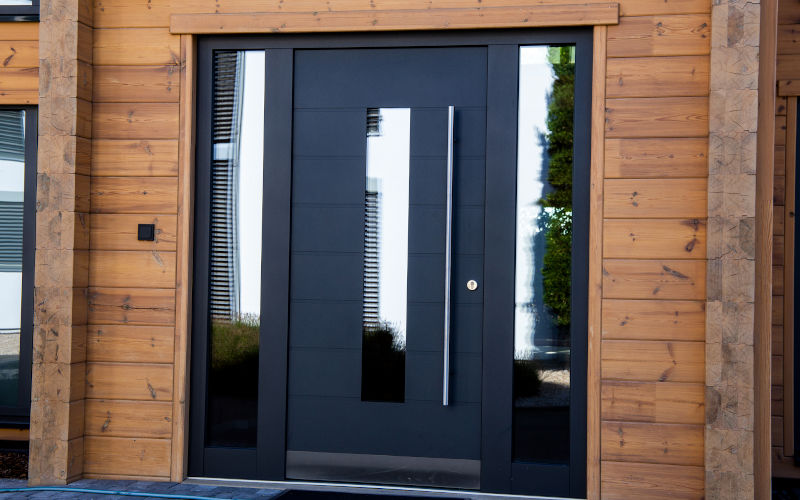
Traditional wooden doors, though elegant, usually last 20–25 years. They’re most vulnerable to rot and moisture absorption, especially without yearly refinishing. However, modern engineered wood variants using laminated cores and weather-resistant finishes can match the longevity of steel when well maintained.
Lifespan Comparison Table
| Material | Average Lifespan | Maintenance Level | Energy Efficiency | Notes |
|---|---|---|---|---|
| Steel | 25–30 years | Moderate | Good | May dent or rust if not sealed properly |
| Wood | 20–25 years | High | Moderate | Natural look but needs annual refinishing |
Steel doors are often chosen for their stability and security, particularly in colder regions where consistent sealing matters. Unlike materials that can warp, swell, or degrade over time, steel maintains its insulating performance through repeated freeze–thaw cycles and prolonged exposure to winter conditions.
This reliability is one of the reasons doors are frequently recommended in energy-focused retrofit programs and high-performance building upgrades, where consistent insulation and predictable long-term performance matter more than short-term gains.
When is the right time to replace your front door?
Even the best doors eventually show their age. Recognizing early warning signs prevents heat loss, safety risks, and escalating repair costs.
Warning Signs to Watch For
- Drafts and temperature shifts: If you feel cold air near the frame, insulation has likely failed.
- Visible damage: Cracks, rot, rust, or delamination indicate structural wear.
- Difficulty closing or locking: Warping or hinge wear can compromise security.
- Condensation between panes: A failed thermal seal allows moisture intrusion.
- Mould or soft spots: This may indicate water intrusion, especially near the sill or lower panels.
Security and Efficiency Concerns
Outdated locks and poor sealing not only compromise security but also cause uncontrolled air leakage, reducing a home’s energy performance. Canada Mortgage and Housing Corporation (CMHC) and other Canadian retrofit guidance emphasize the importance of addressing persistent drafts that cannot be fixed with weatherstripping alone, as air leakage significantly affects comfort and heating demand in cold climates.
Upgrading to a properly sealed, high-performance front door, combined with quality installation and weather seals, is routinely recommended in national energy-efficiency retrofit programs to improve overall home performance and comfort. Improved air sealing and reduced heat loss around doors and other openings are key contributors to whole-home energy savings.
Step-by-Step: How to Replace Your Front Door
- Assess condition: Note visible wear, seal leaks, and frame misalignment.
- Choose material: Select steel or engineered wood based on climate and design.
- Request a professional quote: Use Canadian Choice Windows & Doors' Request a Free Quote form for an accurate estimate.
- Schedule installation: Ensure installers check insulation, threshold alignment, and vapour barriers.
- Maintain regularly: Clean, inspect seals, and repaint as needed.
How does door installation quality affect lifespan?
Even the most advanced materials won’t perform if the installation is flawed. Poor fitting, misaligned hinges, or insulation gaps can drastically shorten a door’s usable life.
Improper Fitting and Frame Misalignment
A door that’s slightly off-level can strain hinges and latches, causing premature wear. Over time, this creates gaps that allow cold air to enter. Energy Star Canada notes that improper door installation can noticeably reduce thermal performance, especially when gaps, misalignment, or incomplete sealing are present. accelerating deterioration of seals and core insulation.
Insulation and Seal Integrity
High-quality installation includes properly applied foam insulation, vapour barriers, and threshold sealing. Without these, moisture enters through unseen gaps, leading to rot or corrosion. Certified installers from Canadian Choice Windows & Doors follow strict regional standards to maintain airtight sealing suited for cold Canadian winters and frequent temperature swings.
Hinge and Hardware Alignment
Misaligned hinges not only cause door sagging but also increase pressure on locking mechanisms. Over the years, that pressure warps frames and allows drafts. Precision alignment, especially during the initial install, ensures even weight distribution and smoother operation for decades.
What maintenance practices extend the life of an entry door?
Durability isn’t only built, it’s maintained. Regular maintenance ensures a door continues to protect your home long after the warranty expires.
Seasonal Inspection Checklist
Perform a quick inspection every spring and fall:
- Check for drafts using an incense stick or a smoke pencil, away from curtains and other flammable materials. If the smoke pulls or flickers near the frame, you may have an air leak.
- Inspect weatherstripping for cracks or loosened sections.
- Test hinges and locks for squeaks or resistance.
- Examine paint or stain for peeling or bubbling.
Cleaning and Surface Care
Dirt and moisture erode protective coatings. Clean doors using mild soap and warm water; avoid abrasive chemicals. For steel, apply a rust-preventive coating every few years.
Painting and Sealing
Repaint or reseal wood and steel doors every 3–5 years to preserve their surface and prevent water absorption. Modern low-VOC paints formulated for exterior use offer superior fade resistance.
Hardware and Frame Maintenance
Lubricate hinges and locks with silicone-based oil twice yearly. Tighten screws on handles and hinges to prevent sagging. Replace cracked thresholds immediately; neglecting this small part can lead to frame rot.
Step-by-Step Guide: Extending Door Life
- Clean and dry surfaces twice annually.
- Repaint or reseal as needed based on climate exposure.
- Inspect weather seals and replace worn components.
- Lubricate hinges and locks every six months.
- Check alignment by observing if the door closes smoothly without friction.
For more on choosing, installing, and maintaining entry doors built for Canadian conditions, explore Canadian Choice Windows & Doors Entry Solutions. To explore entry door options designed for Canadian conditions, visit Canadian Choice Windows & Doors Entry Solutions.
How often should you inspect your front door for signs of wear?
Even premium doors require periodic maintenance to perform at their best. Seasonal inspections help prevent small issues from becoming costly repairs.
Annual Inspection Checklist
Perform a full check at least once per year, ideally in spring or fall:
- Surface and Finish: Look for cracks, chips, or discolouration. These may indicate UV damage or moisture absorption.
- Seals and Weatherstripping: Ensure no gaps or peeling. Replace sections that feel brittle or flattened.
- Frame and Threshold: Examine for warping, soft spots, or visible gaps.
- Hinges and Screws: Tighten any loose fittings; lubricate moving parts.
- Glass Panes: Check for condensation or fogging, which can indicate broken thermal seals.
- Locks and Handles: Confirm alignment and smooth operation.
Signs of Deterioration
Common red flags include drafts near corners, swelling in humid months, visible rust spots on steel, and discolouration on wood finishes. Neglecting these can lead to energy inefficiency and structural damage.
What warranties should homeowners expect for new entry doors?
A strong warranty is one of the best indicators of door quality and installer credibility. It protects homeowners from material defects, premature failure, and installation errors.
Common Warranty Types
- Manufacturer Warranty: Covers defects in materials or workmanship, usually 10–20 years, depending on the material.
- Hardware Warranty: Protects locks, hinges, and handles; typically 5–10 years.
- Installation Warranty: Offered by certified contractors such as Canadian Choice Windows & Doors, this warranty covers labour and fit quality for up to a lifetime.
Typical Warranty Durations
| Door Type | Manufacturer Warranty | Finish Warranty | Hardware Warranty | Installation Warranty |
|---|---|---|---|---|
| Wood | 10–15 years | 3–5 years | 5 years | 10 years |
| Steel | 20 years | 7 years | 10 years | Lifetime (with certified install) |
| Fibreglass | Limited Lifetime | 10 years | 10 years | Lifetime (with certified install) |
Understanding the Fine Print
Always read conditions related to maintenance and environmental exposure. For example, neglecting paint touch-ups or failing to reseal can void coverage. Installation by an unqualified contractor can affect manufacturer or labour warranty coverage and may impact eligibility for certain rebates. Confirm requirements before you purchase.
How do modern smart locks and security features affect door lifespan?
The rise of smart home technology has changed how Canadians secure their homes. Smart locks, digital deadbolts, and keyless systems offer greater convenience, but they can also affect how doors age, especially if retrofitted on older materials.
Tech Integration and Structural Impact
Modern smart locks, such as Schlage Encode or Yale Assure, rely on electronic components and additional weight within the door hardware area. Improper retrofitting can weaken the mortise, particularly in wooden doors, leading to cracking or alignment drift. Steel doors perform better because their cores and reinforced latch plates better handle torque and stress.
Retrofitting vs. Replacing
If your door is more than 15 years old, it may be worth comparing the cost of retrofitting versus replacement, especially if you also need improved insulation or weather sealing. rather than retrofitting. New ENERGY STAR-rated models are often pre-drilled or reinforced for smart systems, reducing wear and tear. Retrofitting an older, hollow-core steel door may compromise insulation and moisture seals.
Security vs. Wear and Tear
Electronic locks subject the handle and latch to more frequent mechanical cycles. However, when properly installed, high-quality smart locks can enhance security without reducing door lifespan. Smart locks paired with sealed gaskets and reinforced strike plates distribute mechanical force evenly, minimizing stress on the door edge.
What do Canadian homeowners say about replacing their front doors?
Real-world experiences provide the most valuable insights into what drives replacement decisions and satisfaction.
Common Complaints Before Replacement
- Drafts around the frame despite repeated caulking.
- Visible light leakage under the door.
- Door swelling due to humidity, causing locking issues.
- Peeling finishes and rust on older steel models.
Positive After-Effects
Post-replacement, most users highlight improved comfort, smoother operation, and long-term peace of mind knowing the warranty and insulation ratings meet modern standards.
As Helen Sin, Consumer Success Manager , notes: “The real feedback from homeowners matches what we see daily: comfort, efficiency, and trust in the product matter most. When a door is built and installed for Canadian conditions, it changes how a home feels.”
For authentic customer experiences, explore HomeStars Reviews of Canadian Choice Windows & Doors.
What’s the final verdict on entry door lifespan and replacement in Canada?
Choosing the right entry door means balancing material, climate resistance, maintenance, and installation quality. Based on current market data and expert insight, here’s how long each type typically lasts under Canadian conditions.
Average Lifespan by Material
| Door Material | Average Lifespan | Maintenance Level | Ideal Climate | Energy Efficiency | Notes |
|---|---|---|---|---|---|
| Wood | 20–25 years | High | Mild or dry | Moderate | Requires regular sealing and painting |
| Steel | 25–30 years | Moderate | All climates | Good | Prone to rust near coasts |
Expert Recommendations
- Prioritize professional installation, as it adds 10–15 years of performance.
- Schedule bi-annual maintenance checks to ensure seals, hinges, and finishes remain intact.
- Integrate smart locks only on reinforced doors with compatible hardware.
Maintenance Recap
- Inspect annually for damage or leaks.
- Reseal or repaint every 3–5 years as required.
- Keep a maintenance log for warranty and resale value.
Tony Wong concludes: “Longevity isn’t luck, it’s a combination of quality materials, smart installation, and consistent care. When those align, your door will easily last decades.”
Final Thoughts
Canadian homes face a wide range of weather conditions, and steel and fibreglass entry doors are specifically engineered to withstand them. Whether upgrading for efficiency, security, or aesthetics, professionally installed steel and fibreglass doors deliver lasting durability, insulation performance, and long-term value.
FAQ Section
What factors affect the lifespan of entry doors in Canada?
Weather exposure, door material, insulation quality, usage frequency, and regular maintenance all directly influence how long an entry door lasts in Canadian climates.
How long do steel and wood doors last in cold climates?
Steel doors typically last 25–30 years with proper coatings and sealing, while wood doors average 20–25 years and require more frequent maintenance in harsh weather.
How often should homeowners inspect their front door?
At least once per year. Inspect seals, hinges, paint or finish, and the threshold for drafts, moisture intrusion, or wear.
When is it time to replace your front door?
If drafts, warping, rust, moisture damage, or mould persist despite resealing or repairs, replacement is recommended.

1000’s of Colours & Textured Finishes
Transform your home from ordinary to extraordinary with our new coloured and non-glare textured finishes. Available in a wide array of colours as well as custom matched colours for your very own personalized design.
Our Most Popular Replacement Window Colours: