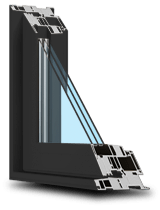
Double-Pane Windows vs. Storm Windows: A Comparative Guide

Key Takeaways
- Storm windows act as an additional barrier for insulation and weather protection, typically installed on the interior or exterior of existing windows.
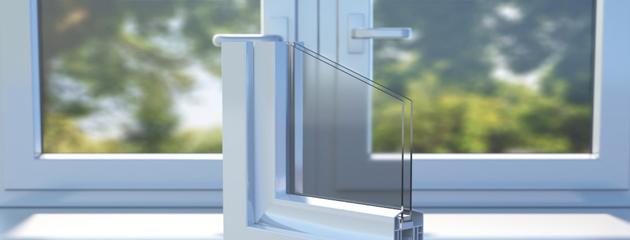
- Double-pane (or double-glazed) windows are constructed with two layers of glass and an insulating space filled with air or gas, providing superior thermal and soundproofing performance.
- Storm windows and double-pane windows both increase energy efficiency, but they serve different structural and functional purposes.
- Choosing between storm and double-pane windows depends on several factors, including the age of the home, the condition of the existing windows, the local climate, and the budget.
Canadian homeowners often compare storm windows and double-pane units when seeking to enhance comfort during long, cold winters. Both options can help reduce drafts and heat loss, but they work in different ways. Here’s a clear breakdown to help you choose what fits your home, budget, and climate.
What are storm windows, and how do they work?
Storm windows are secondary windows installed over existing window frames to enhance thermal insulation, minimize drafts, and add a protective layer against wind, rain, and cold. For many older homes across Canada, storm windows provide a straightforward way to reduce drafts and enhance warmth without compromising the home’s original character.
Interior vs. Exterior Mounting
- Exterior storm windows are fixed or operable units attached outside the primary window. They're designed to shield the main window from wind, rain, and snow.
- Interior storm windows are more discreet, as they are mounted inside the window frame. These are ideal for historic homes or where maintaining curb appeal is essential.
In both cases, the goal is the same: creating a more comfortable, less drafty home during winter.
Single vs. Double Layer Storm Windows
Storm windows come in single-layer (glass or plastic) and double-layer designs.
- Single-layer models are less effective in extreme temperatures but still reduce airflow.
- Double-layered versions trap more air between the panes, improving insulation and slightly muffling outside noise.
They don’t match the insulation or noise reduction of modern double-pane units, but they can extend the life of your primary windows.
Seasonal Usage
Many homeowners install storm windows seasonally, especially during long Canadian winters. They can be removed in warmer months to allow better airflow. However, modern low-profile designs can be left year-round without obstructing visibility or ventilation.

“In heritage homes across cities like Toronto and Halifax, many homeowners choose to install storm windows. This solution allows them to maintain the home’s original character while improving thermal efficiency and reducing heating costs.”
— Helen Sin, Consumer Success Manager, Canadian Choice Windows & Doors
Benefits Backed by Data
According to Natural Resources Canada, storm windows can cut air leakage by up to 50%, especially when sealed with low-emissivity (Low-E) coatings.
| Mounting Type | Visibility | Ease of Installation | Energy Savings Potential |
|---|---|---|---|
| Exterior | Moderate | Moderate | High |
| Interior | High | Easy | Moderate to High |
While not a replacement for a modern insulated glass unit, storm windows can significantly improve comfort for homeowners seeking an affordable, low-disruption upgrade.

How do storm windows compare to double-pane windows in cold climates?
If you're facing icy winds and sub-zero temperatures each winter — as many Canadian homeowners do — your windows play a critical role in maintaining home comfort and energy efficiency. So, how do storm windows compare to modern double-pane units in terms of winter performance?
Double-Pane Windows: The Gold Standard for Cold Weather
Double-pane (or insulated glass units, IGUs) consist of two sheets of glass sealed around an inert gas — typically argon or krypton. This sealed space acts like an invisible blanket, dramatically reducing heat transfer, drafts, and condensation.
- Thermal Efficiency: The gas-filled and sealed perimeter offers superior insulation compared to single-pane glass, particularly in harsh climates such as the Prairies or Northern Ontario.
- Condensation Control: Double-pane units regulate surface temperatures better, minimizing the risk of indoor condensation and ice buildup around frames.
- Long-Term Value: Although they’re pricier upfront, double-glazed windows typically last 20 years or more, delivering strong performance across all seasons.
Storm Windows: A Practical, Budget-Conscious Upgrade
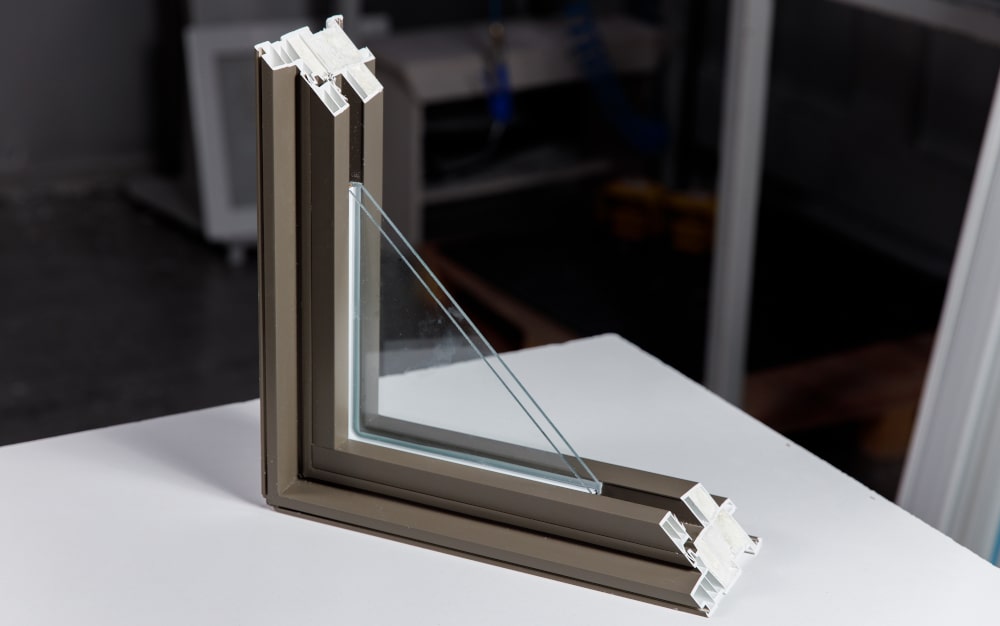
Storm windows add a second panel over your existing window , installed either on the exterior or interior of the window. They trap a small air layer between the panels, reducing drafts and slowing heat loss.
Here’s how they compare in real Canadian conditions.
- Best for Older Homes : Storm windows are often used to upgrade older homes with single-pane windows, especially when full replacement isn’t possible due to budget or architectural constraints.
- Affordable Thermal Boost : Although not as energy-efficient as sealed double-pane units, high-quality storm windows can still significantly reduce air leakage by up to 10–15% in some cases.
- Condensation Caveat : Interior storm windows can trap moisture if not properly vented or sealed. This is primarily a concern in humid households (kitchens, bathrooms, etc.). With proper installation and ventilation, this risk is minimal.
Should I replace my old storm windows or invest in modern double-paned windows?
That depends on a few key factors: the condition of your existing windows, your budget, and how long you plan to stay in your home.
When Storm Windows Make Sense
- Your existing windows are structurally sound (not warped, cracked, or rotting).
- You’re looking for a short-term or lower-cost solution to improve comfort.
- You live in a heritage home where preserving original window frames is essential — interior storm panels let you boost energy performance without altering historic architecture.
- You want to improve performance without a complete renovation (especially useful in condos or rental properties).
When It’s Time to Upgrade to Double-Pane Windows
- Your existing windows exhibit signs of failure, including drafts, fogging, rot, or frame warping.
- You're planning a significant renovation or need to meet modern energy codes.
- You want the highest long-term ROI: double-pane windows add to resale value, reduce heating bills, and last decades when installed properly.
- You’re dealing with noise pollution: double-pane windows also offer superior acoustic insulation compared to most storm units.
Cost vs. Performance: A Quick Look
| Feature | Storm Windows | Double-Pane Windows |
|---|---|---|
| Upfront Cost | Low to moderate | Moderate to high |
| Thermal Efficiency | Moderate | High |
| Condensation Control | Requires proper venting | Excellent |
| Lifespan | 10–15 years (depending on type) | 20–30+ years |
| Aesthetic Impact | Can preserve heritage character | Modern, sleek finish |
| Installation Complexity | Easy (DIY possible) | Professional installation needed |

What do experts recommend for Canadian homeowners facing harsh winters?
Canadian winters are among the harshest in the world. From freezing Prairie winds to Atlantic ice storms, insulation and durability matter more than ever. What do the experts say?
Built for Canadian Conditions
After over 40 years of field testing, Canadian Choice Windows & Doors™ has refined its window technology specifically for this climate. The DraftLOCK system, for instance, combines triple weather-stripping with argon-filled glass units to deliver best-in-class thermal retention.
"If you're dealing with -30°C wind chills or weeklong snowstorms, drafty windows lead to heat loss and higher heating costs. The right window upgrade can make a noticeable difference." — Tony Wong, Project Manager, Canadian Choice Windows & Doors .
What the Data Shows
- Homes using ENERGY STAR® certified double-pane units with Low-E coating and argon gas save up to 45% on heating costs in your local climate.
- Storm windows can provide temporary support, especially in older or heritage homes, but aren't a complete replacement for a thermally efficient window unit.
Bottom Line: What Experts Recommend
- New build or complete renovation: Go with modern double- or triple-pane windows.
- Historic homes or phased upgrades: Use storm windows temporarily while budgeting for complete replacement.
- Busy or high-noise areas: Invest in insulated double-pane units for comfort and soundproofing.
If you’re in doubt, consider starting with an energy audit or consultation to identify fundamental performance gaps.
What’s the final verdict on storm windows vs double pane options?
After reviewing materials, thermal performance, cost, and expert input, here's how the two stack up.
Summary Comparison Table
| Feature | Storm Windows | Double-Pane Windows |
|---|---|---|
| Initial Cost | Low ($100–$300/unit) | High ($700–$1,200/unit) |
| Energy Savings | 10–25% (over single-pane) | 25–45% (ENERGY STAR rated) |
| Noise Reduction | Moderate | High |
| Moisture Management | Risk of condensation | Low risk |
| Installation | Interior: DIY-friendly | Professional recommended |
| Lifespan | 10–20 years | 20–30+ years |
| Ideal Use Case | Temporary performance boost | Long-term energy upgrade |
Final Recommendation
- For permanent solutions, double-pane windows deliver more substantial ROI, reduced energy bills, and improved comfort over time.
- For temporary, budget-conscious improvements, storm windows offer practical insulation and draft control.
When in doubt, consult with a local expert who understands both the building code and the climate.
FAQ
What is the main difference between storm windows and double-pane windows?
Storm windows are secondary panels added over existing windows to improve insulation. Double-pane windows are sealed units with two glass layers and an insulating gas layer, offering superior thermal performance.
Are storm windows good enough for Canadian winters?
Yes, mainly when used with single-pane windows in older homes. They reduce air leakage and provide a cost-effective thermal upgrade, but won’t match the efficiency of modern double-glazed units.
Is it worth replacing storm windows with double-pane windows?
If your main windows are old, rotting, or drafty, replacing them with ENERGY STAR® double-pane windows will save more energy and improve long-term comfort and resale value.
Can I install storm windows myself?
Interior storm windows can often be installed as a DIY project. However, for proper insulation and ventilation control, professional guidance is recommended, especially for large or exterior units.
Which windows are better for noise reduction?
Double-pane windows are significantly more effective at soundproofing, especially in busy urban areas. Storm windows help but offer only moderate noise control.
Which windows are better for noise reduction?
Double-pane windows are significantly more effective at soundproofing, especially in busy urban areas. Storm windows help but offer only moderate noise control. Modern double-pane units also commonly carry ENERGY STAR® certification, which indicates verified performance not only in energy efficiency (U-factor, SHGC) but also in overall thermal stability — a factor that indirectly supports better acoustic control.

1000’s of Colours & Textured Finishes
Transform your home from ordinary to extraordinary with our new coloured and non-glare textured finishes. Available in a wide array of colours as well as custom matched colours for your very own personalized design.
Our Most Popular Replacement Window Colours: