Energy Efficiency and Sustainability
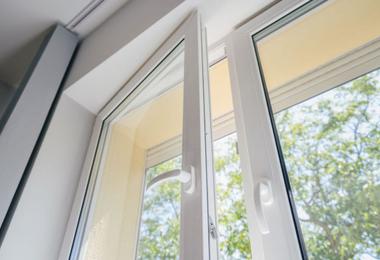
uPVC Windows: What They Are and Why They're Different from Standard PVC
uPVC windows are rigid frames made from unplasticized polyvinyl chloride. The "u" means no plasticizers were added to soften the polymer, so the profile holds its shape instead of flexing. That is the difference between a window frame and flexible PVC products such as cable insulation, sheet flooring, and garden hose.
Argon gas windows: benefits, drawbacks and lifespan in Canada
Argon usually turns up the same way for homeowners. You are comparing two or three quotes, and the spec sheets each list something like argon-filled, Low-E coating, warm-edge spacer. It reads like a feature you are meant to recognize, and it is fair to wonder whether it is a real upgrade or a line item that just sounds technical.
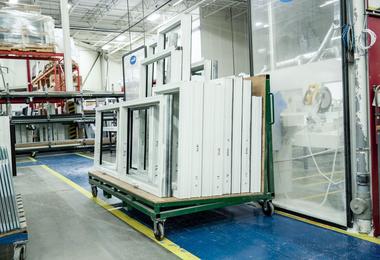
Why Calgary Homeowners Need Windows Rated for Extreme Temperature Swings
Why Calgary homeowners need windows rated for extreme temperature swings: Calgary moves from deep winter cold to Chinook warmth and back, sometimes within a single afternoon, and windows built for that constant expansion and contraction hold their seal, insulation, and comfort where ordinary windows loosen, leak, and fog.
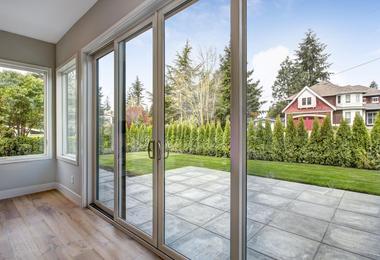
Sliding Patio Doors: Everything You Need to Know Before Buying in Canada
Before you buy a sliding patio door in Canada, the decision really comes down to five things: energy performance for our climate, the frame material, the glass package, the security hardware, and the quality of the installation. Get those elements right, and you are more likely to have a door that operates smoothly, limits drafts, and performs reliably over the long term.
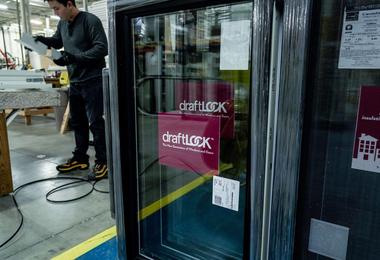
What Is DraftLOCK Technology and How Does It Keep Your Home Warmer?
DraftLOCK is Canadian Choice Windows & Doors’ window technology designed to support a tighter seal, reduce unwanted air leakage and improve year-round home comfort. Its performance depends on the complete window configuration and proper installation.
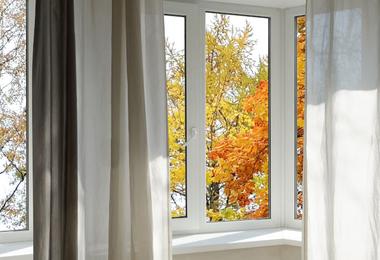
Windows for North York Homes: Solutions for Drafts and Cold Weather
Most North York windows in detached homes, semis, and post-war bungalows were installed decades ago. They were not built to the efficiency standards that exist today, and even windows from the 1990s can lose meaningful thermal performance over time.
- Maritimes 7
- Product Comparisons 30
- Buying Guides 30
- Doors Types 38
- Energy Efficiency and Sustainability 49
- Home Improvement 28
- Installation and Replacement Tips 28
- Local Guides 55
- Maintenance and Repairs 37
- Manufacturers Reviews 8
- Pricing and Financing 18
- Room-Specific Windows 17
- Safety and Security 13
- Seasonal Tips 6
- Window Styles 19
- Window Types 52
- Past Projects