Why Wind Load Matters More for Windows in Whitby Homes


You don’t need to be an engineer to understand this: if your windows can’t handle the wind pressure in Whitby, they may start to underperform over time, through visible damage or more subtle issues like drafts and energy loss. This is a real concern for many homes in the area. The combination of lake-driven gusts and seasonal storms makes wind load one of the most overlooked yet decisive factors in window performance in this region.
Key Takeaways
- Wind load refers to the pressure exerted by wind on a structure, including residential windows, and is a critical factor in durability and safety.
- In Whitby, Ontario, proximity to Lake Ontario significantly increases exposure to strong, shifting winds.
- Vinyl windows, when properly engineered and rated, offer strong resistance to wind pressure while maintaining energy efficiency.
- Installing windows without proper wind load ratings can lead to structural failure, drafts, water infiltration, and higher energy costs.
- Early signs of failure, such as drafts, noise, and condensation, often indicate wind load stress rather than simple aging.
What is wind load, and how does it affect residential windows?
Wind applies measurable pressure to building surfaces, including residential windows. This force, known as wind load, is the pressure exerted by moving air on a surface. For residential windows , this pressure can vary significantly depending on building height, exposure, and surrounding terrain.
From a technical standpoint, wind load is typically measured in pascals (Pa) or pounds per square foot (psf). According to building standards such as the National Building Code of Canada (NBC) , windows must meet specific performance ratings to withstand regional wind pressures safely.
Types of wind pressure
Wind affects windows in more than one way, and understanding this helps explain why quality matters:
- Positive pressure: Wind pushes directly against the window surface
- Negative pressure (suction): Wind pulls away from the window, which can be even more damaging
- Rapid changes in wind pressure during gusts can put extra stress on seals and frames.
These forces act on multiple components simultaneously, including the glass, frame, seals, and hardware. If even one element is underperforming, the entire system becomes vulnerable.
Structural impact on windows
Here’s where things get practical. A window exposed to excessive wind load may:

- Flex beyond its structural tolerance
- Experience seal failure, leading to air and water leakage
- Develop stress fractures in glass units
- Lose insulation efficiency due to frame distortion
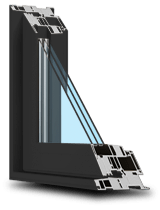
High-quality vinyl windows perform well under fluctuating pressure conditions by distributing stress across the frame rather than concentrating it at a single point. However, performance varies significantly depending on internal reinforcement, profile design, and installation quality.
Why is wind load especially important for the windows that Whitby homeowners install?
Whitby’s location along the northern shore of Lake Ontario significantly increases exposure to variable and high-intensity wind conditions compared to inland areas.
Regional weather patterns
Wind patterns in Whitby are shaped by:
- Lake Ontario wind corridors
- Seasonal storm systems moving across southern Ontario
- Temperature differences between land and water create changes in air pressure.
According to Environment and Climate Change Canada, coastal regions of Ontario regularly experience strong gusts exceeding 70–90 km/h , particularly during fall and winter storms.
In practical terms, this means:
- Wind exposure is less predictable and more intense
- Buildings closer to open areas or the shoreline face higher pressure loads
- Sudden gusts increase the risk of pressure cycling, which weakens materials over time
And here’s the part many homeowners miss: even if your home isn’t directly on the waterfront, wind can travel unobstructed across flat suburban developments, amplifying its impact.
Why vinyl windows are prioritized in Whitby
Vinyl windows are commonly used in this region because their properties align well with local conditions. Their advantages align closely with local environmental demands:
- Structural adaptability helps reduce stress-related damage
- Thermal performance limits heat loss caused by air infiltration
- Moisture resistance prevents swelling, corrosion, or material degradation
However, performance depends heavily on proper wind load ratings (DP ratings or equivalent Canadian standards). A poorly rated vinyl window may not deliver the expected performance benefits compared to other materials.
What happens when windows are not rated for proper wind load?
This is where performance differences become noticeable in real conditions.
When windows are not designed or installed to handle local wind pressures, failure doesn’t always happen dramatically. In fact, it often starts subtly.
Real-life failure scenarios
Common long-term failure patterns include:
-
Seal degradation
Constant pressure fluctuations weaken seals, allowing air and moisture infiltration. -
Glass stress fractures
Repeated flexing can lead to cracks, especially in double- or triple-pane units. -
Frame warping
Inadequate structural support causes frames to bend, affecting operation and insulation. -
Drafts and energy loss
Even minor deformation creates gaps, increasing heating and cooling costs. -
Water penetration
Wind-driven rain can bypass compromised seals, leading to interior damage.
In some cases, failure can occur immediately, especially during extreme weather events. In extreme conditions, windows may fail structurally if they are not rated for the required pressure.
Proper vs. improper wind load rating
| Feature | Properly Rated Window | Improperly Rated Window |
|---|---|---|
| Structural integrity | Maintains shape under pressure | Warps or flexes excessively |
| Energy efficiency | Consistent insulation | Increased drafts and heat loss |
| Safety | Withstands extreme gusts | Risk of breakage or detachment |
| Longevity | Long-term durability | Premature failure |
| Maintenance | Minimal | Frequent repairs needed |
The hidden cost factor
What’s surprising is how quickly costs add up when wind load is ignored:
- Higher energy bills due to air leakage
- Frequent repairs or premature replacement
- Potential interior damage from water infiltration
Over time, these costs often exceed the initial savings from choosing cheaper, underperforming windows.
How is wind load rating calculated for residential windows?
Wind load ratings are not based on guesswork. They’re calculated through controlled testing that simulates real-world pressure conditions. If a window doesn’t meet the required threshold, it simply doesn’t pass certification.
In Canada, performance is typically expressed through Design Pressure (DP) ratings or equivalent metrics aligned with CSA A440 standards . These ratings reflect how well a window resists structural stress, air infiltration, and water penetration under wind load.
Testing methods
The calculation process combines engineering formulas with physical testing. Here’s how it works step by step:
-
Determine expected wind pressure
Engineers calculate wind pressure based on geographic location, building height, and exposure. Coastal areas like Whitby often require higher thresholds. In regions such as Halifax and Vancouver, where buildings are frequently exposed to ocean winds, required performance ratings can be even more demanding. -
Apply pressure in controlled testing
Windows are placed in test chambers where air pressure is applied incrementally, both positive and negative. -
Measure deflection and structural response
The frame and glass are monitored to ensure they don’t exceed allowable deflection limits. -
Test for air and water infiltration
Wind-driven rain simulation ensures seals remain intact under pressure. -
Assign performance grade (DP rating)
The final rating indicates the maximum pressure the window can safely handle.
Specification overview
| Parameter | What It Measures | Why It Matters |
|---|---|---|
| DP Rating | Structural pressure resistance | Prevents failure under strong winds |
| Air Leakage (L/s/m²) | Air infiltration rate | Affects energy efficiency |
| Water Penetration (Pa) | Resistance to wind-driven rain | Prevents leaks and damage |
| Deflection Limit | Frame/glass bending tolerance | Maintains structural integrity |
Now, here’s where experience matters.
As Helen Sin, Consumer Success Manager, explains :
“Homeowners often focus on appearance or price first, but wind load rating is what determines whether that window will still perform five or ten years down the line, especially in exposed areas like Whitby.”
And she’s right. A window that looks identical on the surface can have completely different internal performance capabilities.
Which window types perform best under high wind conditions?
Not all window styles are equal when it comes to handling pressure. Some designs naturally resist wind better, while others introduce weak points simply because of how they operate.
Pros and cons of common window types
Let’s take a closer look at how the most common window types perform, particularly under high-wind conditions. Each option offers a different balance of strength, air tightness, and functionality, making it important to understand where each one works best.
Casement windows
These are often considered the top performers in high-wind conditions.
- Hinged design allows the sash to press tightly against the frame
- Multi-point locking systems improve seal integrity
- Reduced air leakage under pressure
However, they must be properly installed, as misalignment can reduce effectiveness.
Fixed (picture) windows
No moving parts means fewer vulnerabilities.
- Highest structural strength
- Excellent resistance to pressure and water infiltration
- Ideal for large openings exposed to wind
The main limitation is the lack of ventilation.
Double-hung windows
Popular, but structurally less resistant.
- Sliding sashes create more potential for air leakage
- Seals are less robust under pressure fluctuations
- More susceptible to long-term wear in windy environments
Window performance in high wind
| Window Type | Wind Resistance | Air Tightness | Structural Strength | Best Use Case |
|---|---|---|---|---|
| Casement | High | Excellent | Strong | Exposed elevations |
| Fixed | Very High | Excellent | Very Strong | Large openings, lake-facing walls |
| Double-Hung | Moderate | Average | Average | Sheltered areas |
What materials offer the highest wind resistance for windows?
Material choice has a direct impact on overall window performance. Even the best design won’t compensate for weak or unsuitable materials.
In modern residential construction, three materials dominate: vinyl, aluminum, and fibreglass. Each behaves differently under wind load.
Durability comparison
Vinyl windows
Vinyl has become the preferred option for a reason.
- Flexible under pressure, reducing the risk of cracking
- Multi-chamber construction improves strength and insulation
- Resistant to moisture, corrosion, and temperature fluctuations
Importantly, advanced vinyl systems include internal reinforcements that significantly increase wind resistance.
Aluminum windows
Aluminum windows offer strong structural performance, but they also have limitations.
- High structural strength
- Minimal frame flex
However:
- Conducts heat easily (lower energy efficiency)
- Can be prone to condensation issues in Canadian climates
Fiberglass windows
Fibreglass windows are often positioned as a premium option.
- Very strong and stable
- Low expansion and contraction
But:
- Higher cost
- Less common availability compared to vinyl
Material performance under wind load
| Material | Wind Resistance | Flexibility | Energy Efficiency | Maintenance |
|---|---|---|---|---|
| Vinyl | High | Moderate (absorbs pressure) | Excellent | Low |
| Aluminum | Very High | Low (rigid) | Low | Low |
| Fiberglass | Very High | Low-Moderate | High | Low |
In practice, vinyl windows offer one of the most balanced solutions for residential applications. This balance helps maintain performance under varying wind conditions. When paired with proper design and installation, vinyl systems deliver reliable long-term performance in both structural durability and energy efficiency.
Specification considerations
When evaluating materials, performance isn’t just about strength — it’s about balance:
- Too rigid → higher risk of sudden failure under extreme pressure
- Too flexible → potential for long-term deformation
Vinyl strikes that balance effectively, especially when engineered for Canadian climates.
Tony Wong, Project Manager at Canadian Choice Windows & Doors , notes:
“What we see most often is homeowners underestimating how much material choice affects long-term performance. Vinyl, when properly designed, offers both resilience and efficiency, which is exactly what homes in Whitby need.”
How can homeowners choose the right windows from Whitby suppliers?
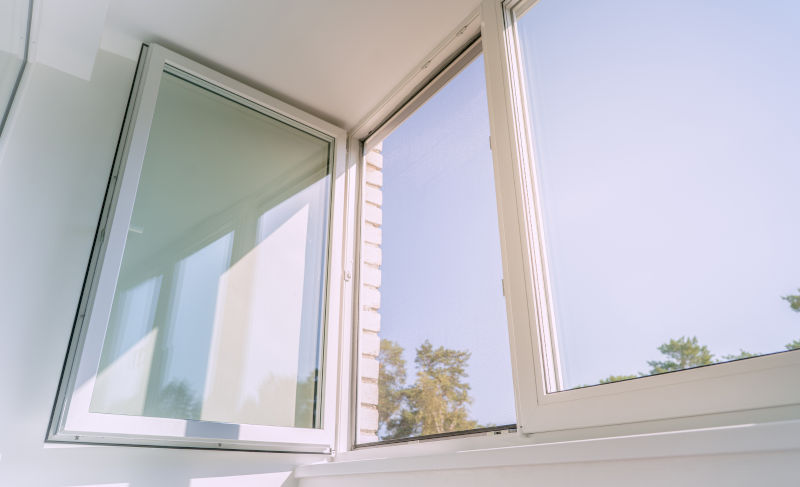
Choosing windows in Whitby is not just about browsing catalogues. It is about matching performance to the environment. With consistent wind exposure from Lake Ontario, the wrong choice may not perform as expected and may deteriorate faster over time.
The key consideration is this: Actual performance depends on factors such as reinforcement, profile design, and installation quality. Some windows are designed to meet basic code requirements, while others are built for greater wind exposure. Knowing the difference is what protects your investment.
What to evaluate before making a decision
To make an informed choice, homeowners should focus on measurable performance — not assumptions. Canadian standards, particularly CSA A440, provide a reliable framework for comparison.
Key factors to evaluate include:
-
Performance Grade (PG) / Design Pressure (DP)
Indicates resistance to wind load and structural stress. -
Air tightness rating
Lower air leakage values reduce drafts and improve efficiency. -
Water penetration resistance
Resistance to wind-driven rain is especially important in Whitby. -
ENERGY STAR® certification
Confirms thermal efficiency under real-world conditions. -
Frame construction
Multi-chamber vinyl frames with reinforcement improve durability.
Step-by-step selection checklist
A structured approach simplifies the process and reduces risk:
-
Evaluate your home’s exposure level
Homes near open spaces or facing prevailing winds require higher-rated windows. -
Request certified test results
It is recommended to verify ratings rather than rely on general claims. -
Compare the vinyl frame design
Look for fusion-welded corners and internal reinforcement. -
Confirm installation standards
Proper sealing and anchoring are essential for maintaining ratings. -
Review warranty coverage
Strong warranties often reflect higher manufacturing standards.
Selecting the right windows in Whitby
| Criteria | What to Look For | Why It Matters |
|---|---|---|
| Certification | CSA A440 compliant | Ensures tested performance |
| Wind Load Rating | Appropriate for local exposure conditions | Prevents structural stress failure |
| Frame Type | Reinforced vinyl | Balances strength and flexibility |
| Glass Unit | Double or triple-pane | Improves insulation and durability |
| Warranty | Long-term, comprehensive | Indicates product reliability |
And that distinction is what separates short-term upgrades from long-term solutions.
What are the signs that your current windows are failing under wind pressure?
Window failure rarely announces itself dramatically. Instead, it develops gradually, starting with small issues that may seem minor at first but signal deeper structural stress.
In Whitby, where wind pressure fluctuates frequently, these signs often appear earlier than homeowners expect.
Recognizing early warning signs
The most common indicators include:
- Persistent drafts, even when windows are fully closed
- Rattling or vibration during strong winds
- Condensation between panes, signalling seal failure
- Difficulty operating the window, often due to frame distortion
- Visible frame movement during strong winds
These are not isolated issues. They are interconnected symptoms of windows struggling to handle wind load.
Inspection tips based on professional practice
A structured inspection approach, similar to that used by certified home inspectors, can help identify problems before they escalate.
Exterior checks
- Inspect perimeter seals and caulking for cracks
- Look for signs of water staining or infiltration
- Check for gaps between the frame and wall structure
Interior checks
- Feel for air movement along edges
- Examine the glass for fogging or condensation
- Check alignment — windows should sit square within the frame
Functional checks
- Open and close windows fully to detect resistance
- Listen for unusual sounds during operation
- Observe window behaviour during windy conditions
Inspection checklist summary
| Component | What to Check | Warning Sign |
|---|---|---|
| Frame | Stability and alignment | Warping or shifting |
| Glass | Clarity and sealing | Fogging, cracks |
| Seals | Tightness | Drafts, moisture |
| Operation | Smooth movement | Sticking, misalignment |
Regular inspections using this approach help detect early signs of wear before they turn into costly issues. Addressing minor problems early ensures better performance, safety, and long-term durability of your windows.
Why early action matters
Delaying action can lead to increased energy costs, air leakage, and gradual structural damage to frames and seals. Over time, this may also lead to water infiltration affecting interior finishes.
What starts as a minor inefficiency can quickly escalate into a larger problem, often requiring a full window replacement rather than simple repairs — especially in areas with consistent wind exposure.
What Should Whitby Homeowners Prioritize When Choosing Windows?
Choosing windows in Whitby is not just about appearance or upfront cost. It is about how well they perform under real wind conditions. Homeowners should prioritize verified performance ratings, such as DP or PG under CSA A440 standards, to ensure long-term durability, airtightness, and resistance to water infiltration.
Material and construction also matter. Well-engineered vinyl windows offer a reliable balance of strength, flexibility, and energy efficiency, making them well-suited for local conditions when properly installed. Ultimately, selecting windows based on performance — not just design — leads to better comfort, lower energy costs, and long-term value.
Frequently Asked Questions
What wind load rating is recommended for homes in Whitby?
For homes in Whitby, especially those exposed to open areas or lake-influenced winds, windows should meet or exceed CSA A440 standards with appropriate Performance Grade (PG) or Design Pressure (DP) ratings. Higher ratings are recommended for homes facing prevailing winds or located near Lake Ontario.
Can standard windows handle Whitby’s wind conditions?
Not always. Standard windows that only meet minimum building code requirements may struggle under Whitby’s wind conditions. Without adequate wind load ratings, they can develop drafts, seal failures, or structural issues over time.
Are vinyl windows strong enough for high-wind environments?
Yes — modern vinyl windows, when properly engineered with reinforced frames and multi-chamber designs, perform very well under wind pressure. Their slight flexibility helps absorb stress, reducing the risk of cracking compared to more rigid materials.
Do larger windows perform worse under wind pressure?
Larger windows can be more vulnerable if not properly engineered. However, fixed (picture) windows with strong frames and correct ratings can perform extremely well even in large sizes. The key factor is not size alone, but structural design and certification.
How does improper installation affect wind resistance?
Even high-quality windows can fail if installed incorrectly. Poor sealing, inadequate anchoring, or improper flashing can allow air and water infiltration, reducing the window’s ability to handle wind pressure and compromising long-term performance.
How often should windows be inspected for wind-related damage?
Homeowners in wind-exposed areas like Whitby should inspect windows at least once a year, and after major storms. Regular checks help identify early signs such as drafts, seal degradation, or frame movement before they lead to costly issues.
Is window replacement always necessary if wind damage appears?
Not always. Minor issues such as seal failure or drafts may indicate early-stage problems, but in many cases, replacement is the more reliable long-term solution. However, if there is frame distortion, recurring leaks, or structural weakness, full window replacement is often the more reliable long-term solution.

1000’s of Colours & Textured Finishes
Transform your home from ordinary to extraordinary with our new coloured and non-glare textured finishes. Available in a wide array of colours as well as custom matched colours for your very own personalized design.
Our Most Popular Replacement Window Colours: