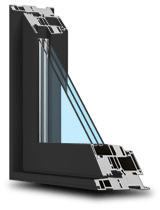
Full-Frame Window Replacement or a Retrofit: Which Is Right for Your Home?
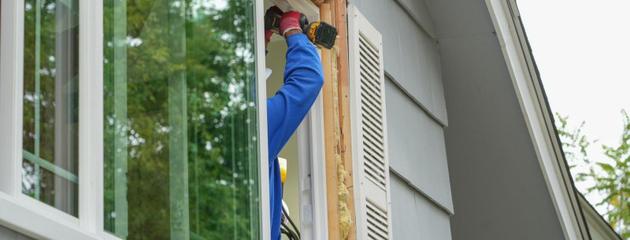

A full-frame window replacement is the right job when the old frame is rotten, wet, or the wrong size, and a retrofit is the right job when that frame is solid, dry and square. Both are real methods for a finished house. One is not a lesser window, and the other is not a greater one. The frame you already have decides which job belongs in each opening.
Full-frame work removes the old window, frame, and trim, down to the rough opening in the wall. A retrofit leaves that frame in place and sets the new window inside it. Interior trim and wall finishes normally stay with a retrofit, and they often have to come off when the frame comes out. The quote should name the method for each window, and it should say what happens if rot shows up after the old sash comes out.
Canadian Choice Windows & Doors™ does both methods. Our installers are factory-trained, and the work runs year-round when the weather allows. A typical home takes one to two days, and that timing is for the whole house, not a split that assigns one method a short day and the other a long one. Lead time from order to install is usually four to 12 weeks.
Key Takeaways
- A solid, dry, square frame that can keep the same size and shape is a retrofit. Rot, a recurring leak, or a change in size or style is a full-frame job.
- Full-frame work removes the old window, frame and trim down to the rough opening. A retrofit sets the new window into the existing frame.
- A retrofit covers a frame. It does not repair one. The glass area is usually a little smaller, because the new window has to fit inside the old frame.
- The new window is the same unit either way. What changes is the opening around it, and how that opening gets sealed.
- The quote should name the method window by window and say what happens and how it is priced if a wet or rotten frame shows up after the sash comes out.
Which Installation Does Your Home Need?
The frame in the wall is the test. If it is solid, dry and square, and you want the same size and shape, the job is a retrofit. If it hides rot or moisture, if a leak keeps coming back, or if the opening has to change size or style, the job is full-frame. You can use both methods in one house, because each opening is judged on its own.
Before anyone orders a window, walk the rooms and note three things: which casings you want left on the wall, which windows have leaked or stuck, and which openings you want larger or in a different style. Those notes are not a structural test. They tell the estimator which openings you hope to keep and which ones you already know have to change. The crew still confirms the frame, and your notes keep a sound casing from being torn out by default.
The rows below name what comes out, when the method fits, and what it cannot do. They do not name a price. Full-frame work takes more labour and more finishing than a retrofit, and that is the cost difference. Canada-wide project figures sit with window replacement cost , and they are not a fixed gap between these two methods.

| Method | What comes out | When it fits | What it cannot do |
|---|---|---|---|
| Full-frame | The old window, frame and trim, down to the rough opening | Rot, moisture, a returning leak, or a change of size or style | It cannot leave wanted interior trim in place, and it is more disruptive |
| Retrofit | The old sashes and glass. The frame stays | A solid, dry, square frame, and the same size and shape | It cannot repair a rotten or wet frame, and the glass area is usually a little smaller |
A house rarely needs one method on every opening. A dry bedroom frame can take a new window, while a sill that has been wet for years needs the frame out. Ordering a single method for the whole house, before anyone has looked at each opening, is how a sound frame gets torn out or a soft one gets covered. The schedule should be able to show both on the same job.
What Is a Full-Frame Window Replacement?
A full-frame window replacement removes the old window, frame, and trim down to the rough opening. The crew can then see the wood or masonry around the opening, replace faulty or deteriorating frame components in line with CSA guidelines, and insulate and seal before installing the new window. On a brick wall, that full-frame job is sometimes called brick-to-brick, which means the old frame comes out back to the masonry. The old frame doesn't stay, and the new window isn't sized to fit inside it.
That open view is why the method exists. You can address a mark that stopped at the paint, a corner that has gone soft, or a path that has been letting water into the wall while the opening is bare. The new window is then set into a repaired opening, rather than into a frame that was never opened. You also choose the size and the style freely, because nothing in the old frame sets the limit.
The method can't leave the room as it was. Interior trim you hoped to keep may have to come off, and the exterior finish around the opening is part of putting the wall back. It is more disruptive than setting a window into a frame that stays, and it takes more finishing to close the opening up again. That extra work is the limit. It is not a reason to pull a frame that is already solid, dry and square.
Plan on that opening being open while its window is replaced. Trim comes off, the old frame comes out, and the crew closes the opening with the new window before moving to the next one. Dust and a clear path through the room are part of that day. None of that is a reason to avoid the method when the frame has failed. It is a reason to know, before you book, which rooms will be in that state.
What Is a Retrofit, Insert or Pocket Installation?
A retrofit, an insert and a pocket window are the same method under three names. The old sashes and glass come out, and a new window is set into the existing frame. An insert window replacement is that same step: the frame stays, and the new unit is made to fit it. Pocket describes the same idea from the opening's side. With the sashes and glass removed, the old frame forms a pocket, and the new window is installed into that existing opening. Interior trim and wall finishes normally stay, and so does the brick or the siding around the opening.
The new window has to sit inside the old frame, so the glass area is usually a little smaller. How much smaller depends on the style and frame profile, and there isn't one measurement for every opening. Ask to see the glass size for that opening before the unit is ordered. A little less glass is the trade for leaving the casing and the wall finish alone.
The frame still has to deserve that choice. A retrofit covers the frame. It does not repair rot, close a leak path behind the trim, or let you change the size or the way the window opens. The day-of inspection, including what to do if the frame is not sound, is set out with retrofit windows .
What you keep, when the frame passes, is the casing, the plaster or drywall, and the exterior finish that was never cut. The gap between the new window and the old frame still has to be insulated and sealed, or the new unit cannot perform the way its ratings describe. Filling that gap evenly matters, because a twisted frame will not seal along the sash. Leaving the old frame in place saves money only when it can still do its job.
When Is Full-Frame the Right Call?
Full-frame is the right call when the frame shows rot or moisture damage, when a leak keeps coming back, or when the size or style has to change. A retrofit cannot solve those conditions because the new window still sits in the old frame. Changing the opening is the same kind of limit. A unit built to sit inside the old frame cannot become a wider window, a taller one, or a different operation.
Once the opening is bare, the crew can see what the trim was covering. The crew replaces faulty or deteriorating frame components in line with CSA guidelines, then insulates and seals the opening, and only then installs the new window. That order is why you take the frame out. Setting a new window onto a failed sill skips the repair, and the weak part of the wall stays where it is.
A poorly installed window can cause cold drafts or let water into the house, and the damage from that water often stays hidden until the repair is costly. For that reason, the method and the sealing belong in the same decision. Canadian Choice Windows & Doors™ repairs damaged frame components before installing the new window. If the damage shows only after the sash is out, the crew stops, and the method can change before setting the new window.
"Once the old sash is out, I can feel a sill that gives under a thumb, see a stain the paint was hiding, or find a frame that is not square. I would rather stop and change the method than set a new window into that opening. A soft sill will not hold a seal, and covering it only leaves the problem in the wall," says Tony Wong, Project Manager, Canadian Choice Windows & Doors™.
When Is a Retrofit the Right Call?
A retrofit is the right call when the frame is solid, dry, and square, and you don't need to change the opening. You keep the interior trim, the wall finishes, and the brick or siding around the window. The work stays within a frame that can still hold a window and seal properly. That matters in a room where the casing is worth keeping, and you don't want it off the wall.
A retrofit window replacement still depends on that frame after the new unit is in. You have to seal the gap between the two frames, and the old frame remains the structure the window hangs on. If the frame has been wet or the wood has started to fail, a new window set in front of it won't stop the decay. The new unit covers the frame. If a repair is needed, it's a different job.
You do not have to use one method on a quiet wall and pretend the weather wall is the same. A frame that has stayed dry can keep its casing, while an opening that has taken years of wind-driven rain may need the frame out even when the glass still looks fine from the sofa. The difference is the condition of that frame, not the name of the room. Write the split down before sending the sizes to production, because a unit cut for the pocket will not fill a rough opening later.
The written scope should identify each opening before you order windows, so the price you accept matches the job you will actually get. Once that split is clear, book a free consultation and have each opening named before the order goes to production.
What Should the Quote Say for Each Window?
The quote should name the method for each window, and it should say what happens and how it is priced if rot or a wet frame shows up after the old sash comes out. A line that only says installation is included does not tell you whether the frame stays. Two openings in the same room can be different jobs. The quote you sign should show that split before anyone builds the windows.
Before you compare totals, look for these two lines on the schedule.
- Method for that opening, retrofit or full-frame, written window by window.
- If rot shows up, what the crew does, and how the added work is priced, once the sash is out.
A window ordered to fit inside the old frame is the wrong size for a rough opening. If the crew later has to remove that frame, the unit already in production will not fill the opening, and the job becomes a different order. That is why the method belongs on the quote before production starts, not as a note added on install day. A late change of method is a new size, not a small edit to a line.
Glass, colour, taxes and a written change belong with a window replacement quote . The method line and the rot line are the two items that change which job you are buying. If they are missing, two totals are not a comparison, because they may not describe the same scope. Ask for both in writing, and ask what you approve before any extra repair starts.
A window retrofit on the schedule means the frame stays. A full-frame line means the frame and the trim come out. Using either phrase for the whole house, without saying which openings it covers, is how you agree to one scope and meet another on the day. The price of a repair found after the sash comes out belongs on that same quote, as a rule for the change, not as a surprise after the opening is already bare.
"I tell people to read the schedule the way they would read a room list. Find which windows stay as a retrofit and which ones are full-frame, then find the sentence that says what we do if the crew uncovers damage that day. If those lines live only in a conversation, they are not on the quote you sign, and that quote is the one that has to hold them," says Helen Sin, Consumer Success Manager, Canadian Choice Windows & Doors™.
Does the Method Change How the Window Performs?
The new window is the same unit either way. The opening around it is the difference. A retrofit relies on a sound frame and a sealed gap between that frame and the new window. Full-frame work repairs and seals a damaged opening before installing the same kind of window. The method does not turn one window into a higher-rated product, and it does not make a sound opening into a weak one.
If the window is built to a given energy rating, that rating stays with the unit. Setting it into a rotten frame does not lend the rating to the surrounding wall. Taking a sound frame out does not raise the rating of the glass. What you gain with full-frame, when the frame is the problem, is a repaired opening. With a retrofit, when the frame is sound, you keep the opening you already have and the trim you did not disturb.
A glass rating doesn't describe the joint between the window and the wall. On a retrofit, that joint is the gap inside the old frame, and you have to fill it evenly so the new window stays square. On a full-frame job, that joint is the rough opening itself, after the old frame is gone and the faulty parts have been dealt with. Same window, two different joints, and the joint you can build is the one the frame allows.
After the work, a draft at the trim is a joint problem, and moisture trapped between the panes is a glass problem. The method tells you which joint was built. It does not change how you read those two signs. A retrofit can feel tight at the sash and still leak at the old frame if that gap was left open. A full-frame job can have a sound rough opening and a failed seal in the glass, because the glass is a separate part of the unit. Find where the air is actually coming from before you decide the method was wrong.
The Canada Greener Homes Grant is closed, and under that old rule, a completely new window, including a frame, could be set into the existing frame, while replacing only the glass, sash, or door was not eligible. That line is history, and it isn't a reason to choose a method today. Current programs may differ. The wall frame still determines the job.
The Frame Decides the Method
A sound, dry, square frame that holds its size and shape needs a retrofit. A frame with rot or moisture, a leak that keeps returning, or an opening that has to change size or style takes a full-frame job. The new window does not change with that choice. The opening around it does, and a retrofit will not repair a frame that has already failed.
When each opening has a method in writing, window installation is the work that follows. The old sash comes out, a faulty frame component is repaired before the new window goes in, and the opening is sealed for the method you named. A measure comes first, then that written scope, including what happens if rot shows up after the sash comes out.
Frequently Asked Questions
What Is a Full-Frame Replacement Window?
A full-frame replacement window is a new window installed after the old window, frame and trim come out, down to the rough opening. The crew can repair faulty frame components and seal the opening before installing the new unit. It is the right job when the frame is rotten or wet, or when the size or style has to change. It is more work than leaving a sound frame in place.
Can You Replace a Window Without Removing the Frame?
Yes, when the frame is solid, dry and square. You remove the old sashes and glass, then set the new window into the frame, so the interior trim usually stays. You can't do this when the frame hides rot or an ongoing leak, or when the opening has to change size or style. The new window has to fit inside the old frame, so the glass area is usually a little smaller.
Is a Retrofit Window the Same as an Insert or a Pocket Window?
Yes. Retrofit, insert and pocket describe one method: a new window set into the existing frame. Pocket means the new window is installed into the existing opening: once the old sashes and glass are out, the old frame forms a pocket, and the new unit is set into it. A pocket window replacement is that same job, not a third way of installing. The names change by region and by quote. The work does not. Use one name per opening on the schedule, and do not treat the three names as three different jobs.
Are Retrofit Windows as Energy Efficient as a Full-Frame Replacement?
The new window is the same unit either way, so the method does not create two grades of efficiency. A sound frame and a sealed gap let a retrofit perform well. Full-frame work lets the crew repair and seal an opening that isn't sound. Neither method improves glass efficiency by a percentage.
Does a Full-Frame Replacement Cost More?
It costs more in labour and finishing because the frame and trim come out, and the opening has to be reassembled. A retrofit leaves that frame, and usually the trim, so there is less of that work. There is no fixed dollar gap you can apply to every house. The method on each line is what makes two quotes comparable.
What Happens If the Installer Finds Rot After the Sash Comes Out?
The crew should stop and tell you before the new window goes into that opening. A failed sill, or a frame that will not take a seal, is a reason to repair the opening or to change the method, not a reason to cover it. The quote should already state how that extra work is priced, and you should approve it before it starts. A new window does not belong on a frame that cannot hold a seal.

1000’s of Colours & Textured Finishes
Transform your home from ordinary to extraordinary with our new coloured and non-glare textured finishes. Available in a wide array of colours as well as custom matched colours for your very own personalized design.
Our Most Popular Replacement Window Colours: