Best Window Configurations for Large Suburban Homes in Vaughan
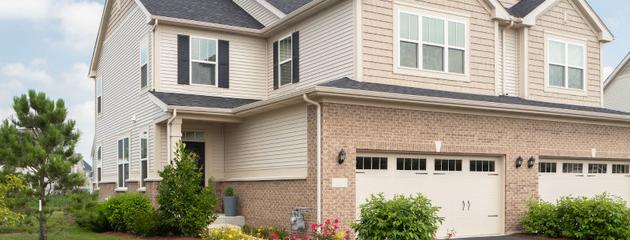

In large suburban homes, windows play a direct role in comfort, energy efficiency, and airflow. In Vaughan, where seasonal extremes put real pressure on insulation, airflow, and overall comfort, the way windows are selected, combined, and positioned can directly affect energy performance and day-to-day comfort.
Key Takeaways
- Vinyl window configurations dominate modern Vaughan homes due to durability, insulation performance, and low maintenance requirements.
- Large suburban properties benefit from combining window types rather than relying on a single style.
- Strategic placement has a greater impact on energy efficiency than window size alone, especially in Ontario’s climate.
- Casement and picture windows lead current installation trends in Vaughan, particularly for maximizing light and airflow.
- Well-planned layouts improve both comfort and long-term property value, especially in larger homes with multiple exposures.
- Multi-story homes demand strategic configurations that consider airflow, safety, and ease of cleaning — different solutions are needed for upper and lower floors.
- Bay and bow windows can increase property value, but only when installed correctly and suited to the home’s structure.
- Installation mistakes are costly. Proper sizing, climate consideration, and professional installation are critical for performance and longevity.
What are the best window configurations for large suburban homes in Vaughan?
In modern suburban homes in Vaughan, window performance depends less on size and more on how units are combined. Effective configurations do not rely on a single window style. Instead, they’re about creating a system that balances light, airflow, insulation, and visual symmetry across a large footprint.
Understanding optimal window configurations in large homes
Large homes require more precise planning due to multiple elevations and room functions. With more wall space, multiple elevations, and diverse room functions, window configurations must be intentional.
Key considerations include:
- Orientation of the home (sun exposure throughout the day)
- Room function (living areas vs. bedrooms vs. basements)
- Ventilation pathways (cross-breezes, stack effect)
- Energy efficiency targets (especially in winter-heavy climates like Ontario)
For example, open-concept living areas benefit from wide-span picture windows paired with operable casement windows, allowing homeowners to enjoy unobstructed views while maintaining airflow when needed.
This is consistent with Canadian housing data: According to Natural Resources Canada , windows account for up to 25% of total heat loss in homes, making configuration not just a material choice, but a critical factor in energy performance.

The role of vinyl windows in Vaughan installations
Vinyl windows are now widely chosen for their performance and reliability.
Why do they dominate in Vaughan?
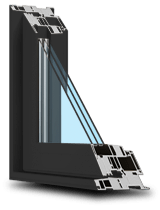
- Excellent thermal insulation (multi-chamber frame design)
- Resistance to moisture and warping is important in freeze-thaw cycles
- Low maintenance, especially for larger homes with many window units
- Compatibility with triple-pane glass options, increasingly popular in Ontario
As installation practices evolve in Vaughan, there’s a clear shift toward larger, strategically grouped window units rather than evenly spaced smaller ones. This creates cleaner architectural lines and allows more natural light into the home.
Combining styles for functionality and aesthetics
Most large suburban homes require a combination of window types to perform well.
The most effective configurations combine styles:
- Picture windows for uninterrupted views and daylight
- Casement windows for maximum ventilation
- Double-hung windows for traditional aesthetics and flexible airflow
- Bay or bow windows to add depth and increase interior space perception
This approach helps each room receive natural light while maintaining proper airflow.
Lighting, airflow, and layout: a connected system
In large homes, window configuration affects how light, air, and temperature move throughout the space.
- Lighting: Larger glazed areas reduce reliance on artificial lighting, particularly in open-concept layouts.
- Airflow: Strategically placed operable windows create natural cross-ventilation, reducing cooling loads in summer.
- Layout integration: Windows must align with interior zoning — living spaces, private areas, and transitional zones all have different needs.
Helen Sin, Consumer Success Manager at Canadian Choice Windows & Doors , highlights this balance:
“Homeowners often focus on window size, but what really makes a difference is placement. When windows are positioned correctly, you get better airflow, more consistent indoor temperatures, and a noticeably more comfortable living space year-round.”
Current window installation trends in Vaughan
Recent installation trends in Vaughan reflect both aesthetic and performance priorities:
- Larger window openings with fewer divisions
- Increased use of triple-pane glass for improved insulation
- Black or dark window frames for modern contrast
- Asymmetrical window groupings for contemporary design
Similar trends are also seen in other Canadian cities, but with regional adaptations. In Vancouver, larger window openings are often paired with enhanced ventilation strategies due to higher humidity. In Calgary, triple-pane glass adoption is even more pronounced due to colder winters, while in Halifax, durability and wind resistance play a greater role in configuration choices.
This shift is driven by a combination of energy efficiency standards, modern architectural preferences, and homeowner awareness.
The key takeaway:
The best window configuration isn’t about maximizing glass area. It’s about optimizing how each window contributes to the home’s overall comfort, efficiency, and design coherence.
Why does window placement matter more in larger homes?
In smaller homes, window placement is often constrained by limited wall space. But in large suburban properties, especially in Vaughan, placement becomes a strategic decision that directly affects the home's year-round performance.
This is often where the impact is underestimated: two identical homes with the same windows can feel completely different depending on placement alone.
Natural light distribution and interior comfort
Larger homes often struggle with uneven light distribution. Deep floor plans can create dark zones, even with large windows.
Proper placement solves this by:
- Maximizing south-facing exposure for consistent daylight
- Using east-facing windows for morning light in kitchens and bedrooms
- Limiting west-facing glazing to reduce overheating in summer
Strategic window placement helps reduce reliance on artificial lighting, especially in larger homes with open layouts.
But it’s not just about brightness it’s about comfort. Balanced daylight reduces glare and improves overall visual comfort.
Ventilation and airflow dynamics
Airflow is harder to manage in larger homes due to multiple levels and room divisions.
Without proper planning, you can end up with:
- Stagnant air pockets
- Uneven temperatures between floors
- Increased reliance on HVAC systems
This is where window placement enables natural ventilation strategies:
- Cross-ventilation: Windows on opposite walls allow air to flow through the home
- Stack ventilation: Upper-level windows release warm air, drawing in cooler air below
Casement windows are particularly effective because they can capture and direct airflow into the home.
Energy efficiency and zoning considerations
In Vaughan’s climate, with cold winters and warm summers, energy efficiency is a priority.
Placement affects:
- Heat loss in winter
- Solar gain in summer
- Overall HVAC demand
Large homes also introduce zoning complexity. Different areas require different strategies:
- Living areas: maximize light and openness
- Bedrooms: balance light with privacy and insulation
- Basements: prioritize insulation and moisture resistance
Tony Wong, Project Manager at Canadian Choice Windows & Doors
“When we evaluate large homes, we look at them as zones rather than a single space. Each zone has its own lighting and ventilation needs, and window placement should reflect that.”
Architectural balance and exterior aesthetics
Beyond performance, window placement plays a defining role in how a home is perceived from both the exterior and interior. In larger suburban properties, poorly positioned windows can disrupt architectural balance and make even high-end designs feel uncoordinated. Common issues include:
- Visual imbalance on the façade
- Inconsistent window sizing or alignment across floors
- Disrupted sightlines from both inside and outside
- Reduced curb appeal and weaker first impressions
Well-planned placement, on the other hand, contributes to a more intentional and refined design:
- Enhances symmetry or creates purposeful asymmetry for modern aesthetics
- Aligns windows vertically and horizontally for a clean, structured look
- Frames key architectural features such as entrances, rooflines, or feature walls
- Improves interior views and natural light flow in primary living areas
In Vaughan’s competitive real estate market, these design details can significantly influence perceived value, helping a home stand out to potential buyers and increasing its overall market appeal.
Which window styles are most popular for Vaughan windows in suburban properties?
Not all window styles perform equally in Vaughan’s climate. The most popular choices reflect a balance between energy efficiency, usability, and architectural fit.
Common window styles and their roles
When designing window layouts for larger homes, understanding how each style functions is essential for achieving both comfort and efficiency. Let’s break down the most widely used options:
-
Casement windows
- Excellent sealing and energy efficiency
- Ideal for ventilation
-
Double-hung windows
- Classic design
- Flexible airflow control
-
Picture windows
- Fixed, no ventilation
- Maximum light and views
-
Bay and bow windows
- Extend outward
- Add dimension and interior space
Each of these serves a specific purpose in a larger configuration, and when combined strategically, they can significantly improve both the home's performance and visual appeal.
Comparison of popular window styles in Vaughan
| Window Type | Ventilation | Energy Efficiency | Best Use Case | Limitations |
|---|---|---|---|---|
| Casement | High | Very High | Living areas, bedrooms | Requires exterior clearance |
| Double-Hung | Medium | Moderate | Traditional designs, upper floors | Less airtight than a casement |
| Picture | None | Very High | Large feature walls, views | No airflow |
| Bay/Bow | Medium | Moderate | Front façades, seating areas | Higher installation complexity |
Matching styles to Vaughan’s climate
Ontario’s seasonal extremes demand windows that can:
- Retain heat during winter
- Prevent overheating in summer
- Resist moisture and condensation
This is why vinyl casement windows paired with fixed picture windows have become a leading combination. They provide:
- Airtight sealing
- Controlled ventilation
- Expansive natural light
This combination also supports long-term energy efficiency by reducing heat loss and minimizing drafts. As a result, homeowners can maintain a more stable indoor climate throughout the year with less reliance on heating and cooling systems.
What are the best window combinations for maximizing natural light?
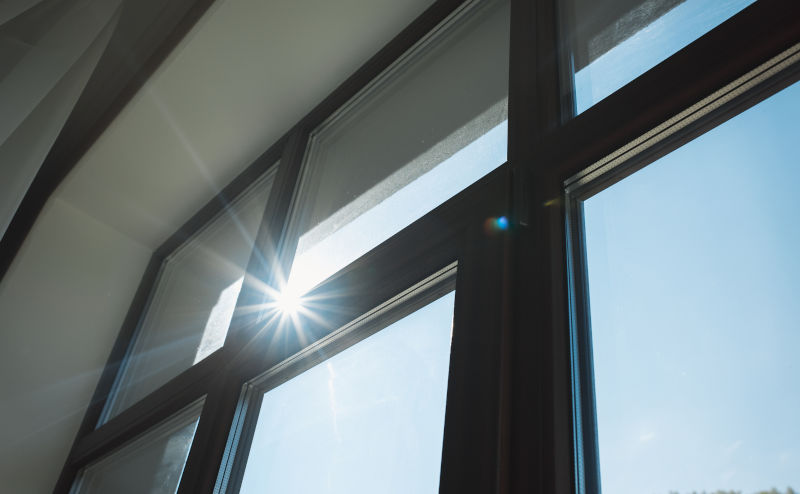
If the goal is more natural light — and in large Vaughan homes, it usually is the answer isn’t “bigger windows.” It’s smarter combinations. The most effective setups blend fixed vinyl windows for uninterrupted light with operable units for airflow, creating spaces that feel open without sacrificing comfort or efficiency.
And here’s the key shift in modern installations: instead of treating windows as isolated elements, they are now designed as integrated lighting systems within the home's architecture.
Combining fixed and operable windows effectively
The foundation of any high-performance configuration starts with pairing:
- Picture (fixed) windows - maximize daylight and views
- Casement or awning windows - provide ventilation and airtight sealing
This combination allows homeowners to enjoy large glass surfaces while still maintaining functional airflow. Fixed windows alone can create bright but stagnant spaces; adding operable units solves that.
Advanced configurations: transoms and corner windows
To push natural light deeper into large interiors, more advanced configurations are increasingly used in Vaughan:
-
Transom windows
(above main windows or doors)
These extend vertical light reach, especially useful in rooms with higher ceilings. -
Corner window systems
Installed at structural corners, these eliminate visual barriers and allow light from two directions. -
Floor-to-ceiling combinations
Often used in open-concept living areas, combining large picture windows with vertical casement units.
What’s interesting is how these solutions address a common issue in large homes: light drop-off. Even with large windows, deeper areas can remain dim unless light is layered from multiple angles.
Step-by-step approach to designing light-maximizing configurations
Designing the right setup isn’t guesswork. It follows a structured process:
-
Assess orientation
Identify where natural light enters throughout the day (south-facing remains optimal in Ontario). -
Define room priorities
Living rooms and kitchens benefit from maximum daylight; bedrooms require more balance. -
Select primary window type
Usually, large fixed vinyl windows for the main light entry. -
Integrate operable units
Add casement or awning windows for airflow without compromising insulation. -
Layer additional elements
Incorporate transoms or corner windows where architectural design allows. -
Evaluate energy performance
Ensure all units meet ENERGY STAR® standards suitable for the Canadian climate zone.
This structured approach helps ensure that natural light is distributed efficiently without sacrificing thermal performance or comfort. It also allows homeowners to create a cohesive window system that balances aesthetics, ventilation, and long-term energy savings.
Window combination performance comparison
| Configuration Type | Natural Light Output | Ventilation | Energy Efficiency | Best Application |
|---|---|---|---|---|
| Picture + Casement | Very High | High | Very High | Living rooms, open-concept areas |
| Picture + Awning (Top Opening) | High | Medium | Very High | Kitchens, basements |
| Corner Window + Fixed Panels | Maximum | Low | High | Modern feature spaces |
| Transom + Standard Window Combo | High | Medium | High | Rooms with high ceilings |
Natural light isn’t about size; it’s about layering and direction. The right combination can transform how a large home feels without increasing energy costs.
How does window replacement in Vaughan improve energy efficiency in large homes?
Window replacement is often seen as cosmetic, but in large homes, it directly affects energy performance. But in reality, especially in large homes, it’s one of the most impactful energy improvements available. Older or inefficient windows can increase heating and cooling costs over time, often without homeowners realizing it.
And in Vaughan’s climate, where winters are long and summers can be humid, that inefficiency becomes expensive.
The role of ENERGY STAR® certified windows
Modern window replacement focuses heavily on ENERGY STAR® certification, which in Canada is regulated based on climate zones.
According to Natural Resources Canada, ENERGY STAR® certified windows:
- Can reduce heat loss compared to older double-pane units
- Improve overall home insulation performance
- Lower greenhouse gas emissions through reduced energy consumption
For large suburban homes, the impact scales significantly. More windows mean more potential energy loss or savings.
Insulation performance and vinyl window advantages
Vinyl windows have become the preferred choice for energy efficiency because of their structure:
- Multi-chambered frames reduce heat transfer
- Fusion-welded corners prevent air leakage
- Compatibility with double or triple-pane glass and Low-E coatings
These features directly contribute to maintaining stable indoor temperatures.
Helen Sin, Consumer Success Manager at Canadian Choice Windows & Doors , notes:
“In large homes, even small inefficiencies multiply. Replacing outdated windows with high-performance vinyl units creates a noticeable difference — not just in energy bills, but in comfort.”
Cost savings and long-term return on investment
Window replacement is often evaluated in terms of ROI, and rightly so. In larger homes, where energy demand is higher, even incremental efficiency improvements can translate into meaningful long-term savings.
According to the Canada Mortgage and Housing Corporation (CMHC) , energy-efficient upgrades such as improved insulation, air sealing, and high-performance windows can help reduce heating costs and improve overall home performance.
Additional long-term benefits include:
- Increased resale value, as energy-efficient features are highly attractive to buyers
- Reduced strain on HVAC systems, leading to lower maintenance costs and longer equipment lifespan
- More consistent indoor temperatures improve year-round comfort
For larger homes, these advantages are amplified due to higher heating and cooling loads, making window upgrades a strategic investment rather than just a cosmetic improvement.
Additional benefits beyond energy savings
Energy efficiency is only part of the story. Modern window replacement also improves:
- Indoor comfort (fewer drafts, consistent temperatures)
- Noise reduction, especially in suburban developments
- Condensation resistance, reducing moisture-related issues
These improvements contribute to a healthier indoor environment and a higher overall quality of living. Over time, they also help preserve interior finishes and reduce the risk of long-term structural or moisture-related damage.
The bigger picture: efficiency as a system
Replacing windows isn’t just about the units themselves. It’s about how they integrate with:
- Insulation
- HVAC systems
- Overall building envelope
This is why professional installation is critical. Even high-performance windows can underperform if installed incorrectly.
Which materials work best for durability and insulation in Vaughan climates?
Material choice isn’t just a design decision; it directly affects how windows perform over time, especially in Vaughan’s freeze-thaw cycles, humidity, and seasonal extremes.
While multiple materials are available, not all are equally suited for large suburban homes.
Overview of common window materials
The three primary materials used today are:
- Vinyl
- Fiberglass
- Wood
Each has strengths, but their suitability varies significantly depending on climate and maintenance expectations.
Performance comparison of window materials
| Material | Insulation Performance | Durability | Maintenance | Cost Range | Suitability for Vaughan Climate |
|---|---|---|---|---|---|
| Vinyl | Excellent | High | Low | Moderate | Excellent |
| Fiberglass | Very Good | Very High | Low | High | Very Good |
| Wood | Good | Moderate | High | High | Moderate |
Why vinyl leads in Vaughan installations
Vinyl windows have become the dominant choice for several reasons:
- Superior thermal insulation, especially with multi-chamber frames
- Resistance to moisture, warping, and cracking
- Minimal maintenance — no painting or sealing required
- Cost-effective compared to fibreglass and wood
And importantly, vinyl performs consistently in rapid temperature fluctuations, which are common in Ontario.
Fibreglass and wood: where they fit
Fibreglass offers strong durability and slightly better structural rigidity, but:
- Comes at a higher cost
- Provides marginal performance gains compared to high-quality vinyl
Wood, while visually appealing, presents challenges:
- Requires regular maintenance
- Susceptible to moisture damage
- Less stable in extreme weather conditions
Ultimately, material selection is not just about upfront cost; it directly impacts long-term performance, maintenance demands, and energy efficiency. In climates like Vaughan’s, choosing the right material ensures that windows remain reliable, efficient, and visually consistent for decades rather than years.
How should homeowners balance aesthetics and functionality when choosing windows?
At first glance, window selection feels like a design decision. Frame colour, grille patterns, symmetry - these are the elements people notice. But function quietly dictates whether those choices actually work in the long term.
The tension between design and usability
A visually striking window setup can quickly become frustrating if it limits ventilation or is difficult to clean. For example, fixed picture windows create dramatic focal points, but without nearby operable sections, airflow suffers. On the other hand, overly functional choices, such as placing small sliders everywhere, can diminish architectural cohesion.
A certified home designer would approach this by asking:
- Does the window style match the home’s architectural identity (modern, traditional, transitional)?
- Will the configuration support natural airflow throughout the space?
- How will the windows perform in terms of winter heat retention and summer cooling?
In Vaughan’s climate, where winters are harsh and summers can be humid, functionality isn’t optional; it’s foundational.
Matching architecture and enhancing curb appeal
Window configurations should reinforce the home’s structure, not compete with it. Symmetry often works well in suburban homes, particularly on the front façade. However, asymmetry can be effective in modern builds if executed intentionally.
Vinyl windows offer flexibility here. They can be manufactured in a variety of shapes and finishes, allowing homeowners to maintain design consistency while benefiting from superior insulation.
That insight reflects a broader industry understanding: aesthetics should support lifestyle, not override it.
Impact on resale value
Window choices directly influence property value, not just visually, but functionally. Energy-efficient vinyl windows , for instance, are a strong selling point in the Canadian housing market.
Potential buyers tend to look for:
- Modern, well-maintained window systems
- Energy efficiency ratings
- Ease of operation and durability
A mismatch, such as outdated frames or inefficient configurations, can reduce perceived value even if the home is otherwise well maintained.
Practical balance strategies
To align design with usability:
- Combine fixed and operable windows in large openings
- Prioritize casement windows for ventilation in living areas
- Use double-hung windows in bedrooms for flexibility and safety
- Ensure consistent frame styles and colours across the façade
The goal is not only visual consistency, but also long-term usability and comfort. The right balance ensures your windows support comfort, airflow, and usability long after installation.
What window configurations work best for multi-story suburban homes?
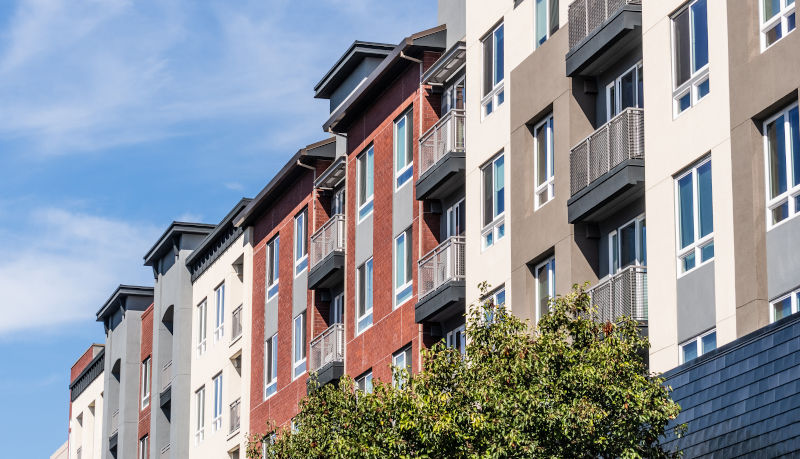
Designing window layouts for multi-story homes introduces a different level of complexity. It’s no longer just about light and aesthetics; it’s about safety, airflow dynamics, and accessibility.
Upper vs lower floor considerations
Each level of the home serves different purposes, so window configurations should reflect that.
Lower floors (living areas):
- Larger windows for maximum natural light
- Combination of fixed and operable units
- Sliding or casement windows for easy access
Upper floors (bedrooms):
- Emphasis on safety and egress compliance
- Double-hung or casement windows for controlled ventilation
- Placement that supports privacy
Upper floors also benefit from configurations that promote cross-ventilation, especially during warmer months.
Airflow optimization
Air circulation in multi-story homes relies heavily on window placement. Warm air rises, so upper-level windows play a critical role in releasing heat.
Effective strategies include:
- Installing operable windows on opposite sides of the home
- Using casement windows to capture passing breezes
- Incorporating stack ventilation principles (lower intake, upper exhaust)
Vinyl window frames enhance this by maintaining tight seals when closed, preventing unwanted drafts in winter.
Cleaning accessibility and maintenance
One overlooked factor in cleaning. Large suburban homes often feature tall window installations that can be difficult to maintain.
This is where configuration matters:
- Tilt-in double-hung windows simplify cleaning from the inside
- Avoid excessive fixed glass in hard-to-reach areas
- Plan access points for exterior maintenance
Step-by-step configuration planning
- Assess each room’s function (living, sleeping, utility)
- Determine ventilation needs for each space
- Choose window types accordingly (casement, double-hung, fixed)
- Evaluate cleaning access before finalizing placement
- Ensure compliance with safety codes (especially for bedrooms)
Configuration comparison table
| Window Type | Best For | Ventilation | Cleaning Ease | Ideal Floor |
|---|---|---|---|---|
| Casement | Living rooms | Excellent | Moderate | Lower/Upper |
| Double-hung | Bedrooms | Good | Excellent | Upper |
| Fixed (picture) | Large feature areas | None | Low | Lower |
| Sliding | Wide horizontal spaces | Moderate | Easy | Lower |
What are the most common mistakes homeowners make during window installation in Vaughan?
Even the best window choice can fail if installed poorly. And in Vaughan’s climate, small mistakes quickly turn into expensive problems.
Common pitfalls
Homeowners frequently encounter issues such as:
- Incorrect sizing leading to gaps or pressure on frames
- Ignoring climate-specific requirements (insulation, sealing)
- Choosing low-quality materials to cut costs
- Hiring inexperienced contractors
These mistakes often lead to higher long-term costs, reduced energy efficiency, and premature wear. Taking the time to plan carefully and choose the right materials and professionals helps avoid costly corrections later on.
Step-by-step guide to avoiding mistakes
- Work with experienced professionals familiar with Vaughan’s building standards
- Choose high-quality vinyl windows for durability and insulation
- Verify measurements carefully before ordering
- Ensure proper sealing and insulation techniques are used
- Inspect installation work thoroughly before completion
Following these steps helps minimize risks and ensures a smoother installation process from start to finish. In the long run, careful planning and attention to detail translate into better performance, comfort, and lasting value.
Why vinyl windows reduce risk
Vinyl windows are particularly forgiving when installed correctly. They:
- Resist moisture and temperature fluctuations
- Maintain structural integrity over time
- Require minimal maintenance
But, and this is critical, they still depend on proper installation to perform as intended.
Conclusion: What is the ideal window strategy for large suburban homes in Vaughan?
The ideal window strategy isn’t defined by a single product or style; it’s a coordinated system in which materials, placement, and configuration work together to support how a large home actually lives and performs. In Vaughan’s climate, that means prioritizing high-performance vinyl windows, combining fixed and operable units, and designing layouts that respond to orientation, airflow, and multi-level dynamics.
Ultimately, the most effective approach is intentional, not oversized: windows should be positioned and selected to deliver balanced light, controlled ventilation, and consistent energy efficiency across every zone of the home. When done right, this strategy doesn’t just enhance comfort; it strengthens long-term value, reduces operational costs, and ensures the home performs as well as it looks for years to come.
Frequently Asked Questions
What window configuration works best for large homes in Vaughan?
The most effective configuration combines fixed picture windows for natural light with operable casement windows for ventilation. This approach balances daylight, airflow, and energy efficiency across large spaces while maintaining a clean architectural look.
Why are vinyl windows recommended for large suburban homes?
Vinyl windows offer strong insulation, resist moisture and temperature changes, and require minimal maintenance. In Vaughan’s climate, they perform consistently year-round and support energy-efficient upgrades such as double or triple-pane glass.
Does window placement really affect energy efficiency?
Yes, placement has a major impact. Proper orientation and positioning can reduce heat loss in winter, control solar gain in summer, and improve airflow — often more effectively than simply increasing window size.
What window styles are best for airflow and ventilation?
Casement windows are the most effective for ventilation because they can direct airflow into the home. When paired with fixed windows, they create a balanced system of light and air circulation.
How can homeowners maximize natural light without losing efficiency?
The best approach is to combine large fixed windows with operable units and add elements like transoms or corner windows. This allows light to reach deeper into the home without compromising insulation or airflow.
Are triple-pane windows worth it in Vaughan?
Yes, in most cases. Triple-pane windows improve insulation and reduce heat loss, which is especially beneficial in Vaughan’s cold winters. They can also enhance indoor comfort and reduce energy costs over time.
What window configurations work best for multi-story homes?
Lower floors benefit from large, light-maximizing window combinations, while upper floors should focus on ventilation, safety, and ease of cleaning. A mix of casement and double-hung windows is commonly used.

1000’s of Colours & Textured Finishes
Transform your home from ordinary to extraordinary with our new coloured and non-glare textured finishes. Available in a wide array of colours as well as custom matched colours for your very own personalized design.
Our Most Popular Replacement Window Colours: