Argon Gas Windows vs. Double-Pane: What Offers Better Efficiency?


Key Takeaways
- Argon gas-filled windows significantly improve energy efficiency compared to standard double-pane units.
- They reduce heat transfer, increase indoor comfort, and improve sound insulation.
- Particularly suited for Canadian winters, argon units help prevent heat loss and condensation.
- ENERGY STAR-certified argon-filled windows often qualify for rebates and improve home resale value.
Canadian homeowners often wonder whether argon-filled windows or standard double-pane units make the most significant difference in comfort and energy savings. Both options help with insulation, but argon provides stronger protection against heat loss — something vital in our long winters. Here’s a straightforward, no-pressure comparison to help you choose what best fits your home.
What is the difference between argon gas windows and standard double-pane units?
Understanding the Basics
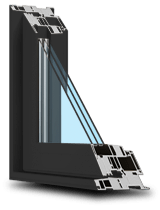
To understand how argon gas windows differ from standard double-pane windows, we need to examine how these units are constructed. A standard double-pane window consists of two panes of glass separated by a spacer and sealed around the edges to form an insulating glass unit (IGU). The space between the panes is typically filled with air.
By contrast, argon gas windows replace the air between panes with argon, a non-toxic, odourless, and inert gas. This substitution might seem minor, but the performance difference is noticeable in everyday comfort.
Key Construction Differences
| Feature | Standard Double-Pane | Argon Gas-Filled Units |
|---|---|---|
| Fill Material | Air | Argon Gas |
| Thermal Conductivity | Higher | Lower (better insulation) |
| Weight | Lighter | Slightly heavier |
| Cost | Lower | Slightly higher |
| Longevity | Average | Better gas retention over time |
Use in Canada
In local climates, the added insulation of argon gas units becomes especially relevant. Winters are harsh and long, and even minor inefficiencies in home insulation can lead to higher heating bills and drafty interiors. Argon-filled IGUs slow heat loss and help keep indoor temperatures more stable — warmer in winter and more comfortable in summer.
Helen Sin, Consumer Success Manager at Canadian Choice Windows , notes:
"Argon-insulated units have become our go-to recommendation for most homeowners across Ontario and the Prairies. The performance difference is most noticeable during our cold snaps, where better heat retention helps reduce drafts and heating costs."
According to Natural Resources Canada , upgrading to high-efficiency windows can reduce heating energy loss by up to 25%, helping lower bills and reduce drafts.

For most homes, the benefit is felt right away: fewer drafts, warmer rooms in winter, and more consistent temperatures throughout the year.
Specification Table
| Specification | Standard Units | Argon-Filled Units |
|---|---|---|
| Insulating Gas | Air | Argon |
| R-Value Improvement | Baseline | Up to +0.5 to +1.0 R-value |
| ENERGY STAR Qualified | Possibly | Often meets/exceeds |
| Suitability for Canada | Limited | Highly Recommended |
Do double-pane windows have gas in them by default?
Clarifying a Common Misunderstanding
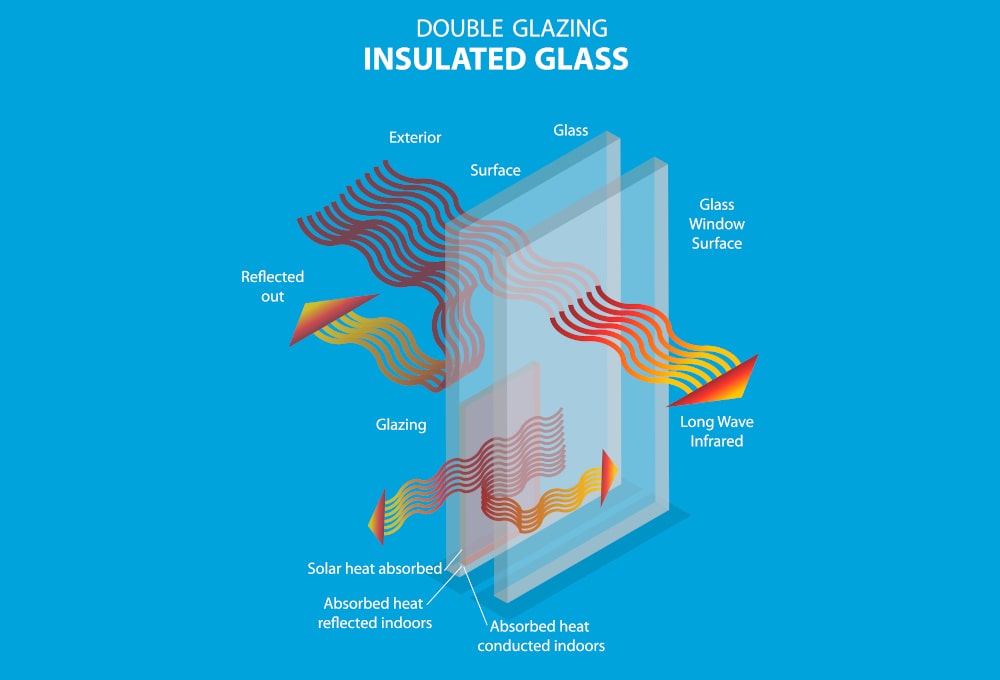
Yes, most modern double-pane windows do contain gas, but not always the kind you might expect. There’s a common misconception that standard double-pane windows are filled with just air. While this was once true, the vast majority of insulated glass units (IGUs) manufactured today include either argon or krypton gas by default — primarily when produced by reputable manufacturers.
But here’s the nuance: basic double-pane windows that are not ENERGY STAR® certified or are older may contain only air, which significantly reduces their insulating effectiveness.
Typical Gases Used in IGUs
| Gas Type | Properties | Usage Context |
|---|---|---|
| Air | Readily available, low insulation value | Used in budget or outdated windows |
| Argon | Non-toxic, inexpensive, reduces thermal conductivity | Most common upgrade in modern IGUs |
| Krypton | Denser, better insulator, more expensive | Used in triple-pane or premium IGUs |
EEAT Myth-Busting
-
MYTH: All double-pane windows contain energy-efficient gas.
- FACT: Only those labelled ENERGY STAR-certified or premium products include insulating gases like argon or krypton.
-
MYTH: Air-filled windows are just as good.
- FACT: Air conducts heat at a higher rate than argon or krypton, resulting in greater heat loss and higher energy bills.
Tony Wong, Project Manager at Canadian Choice , adds:
"When homeowners ask us what’s inside their current windows, they’re often surprised. If the units are more than 10 years old and weren’t specified for performance, there’s a good chance they’re just filled with air."
For more technical insights, see: Efficient Windows Collaborative - IGU Gas Fills
Which is more cost-effective in the long term: argon gas windows or double-glazed windows?
Initial Investment vs. Long-Term Returns
Let’s break it down. At first glance, argon gas-filled windows may seem like the more expensive option. However, the real value shows up in long-term energy savings and potential rebates.
Over 20 years, homeowners using argon gas windows in a cold climate can expect lower heating costs, reduced HVAC strain, and fewer issues with condensation and cold spots.
Cost Breakdown
| Factor | Standard Double-Pane | Argon Gas-Filled Units |
|---|---|---|
| Upfront Cost (avg.) | Lower | ~10–20% higher |
| Annual Energy Savings | Minimal | Up to $200/year (varies by home) |
| Government Rebates (Canada) | Not eligible or minimal | Eligible for most rebate programs |
| ROI Period | Long (rarely recouped) | 5–7 years in cold climates |
What is the gas between window panes, and why does it matter?
Why Not Just Use Air?
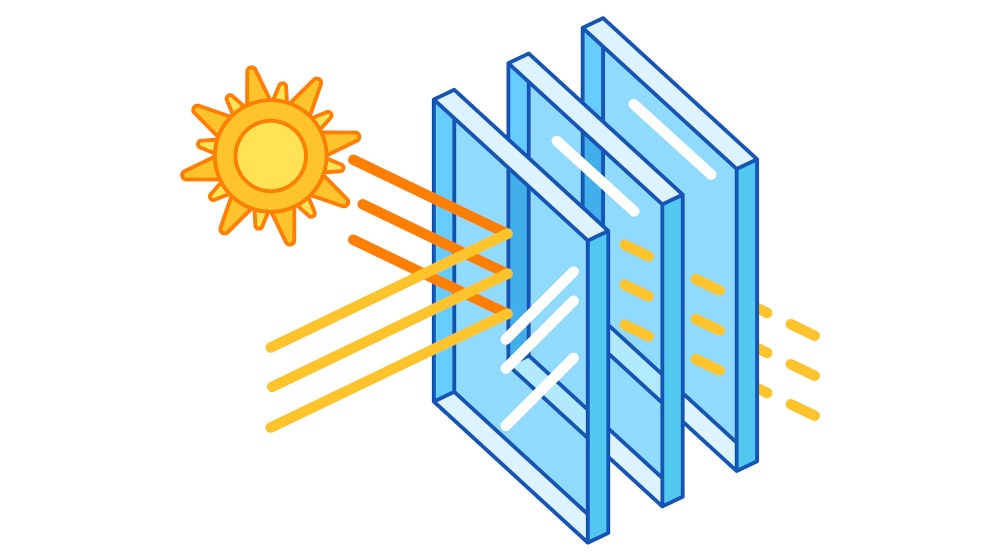
Air was traditionally used in IGUs, but its higher thermal conductivity makes it a poor insulator. That’s where noble gases like argon and krypton come in.
- Argon : Most popular choice; 38% denser than air.
- Krypton : Even denser, used in higher-end or narrow-pane configurations.
Both gases reduce convective currents, meaning the temperature on the inside pane stays more stable.
Benefits of Insulating Gas
- Improved thermal performance
- Better soundproofing
- Less condensation on windows
- Enhanced lifespan of windows and seals
What About Gas Leakage?
Gas loss can occur over time, especially in poorly sealed units. The average argon loss rate is about 1% per year, which still leaves the unit highly effective over a decade.
Step-by-Step: How Insulating Gas Works
- Manufacture : Glass panes are spaced and sealed.
- Gas Injection : Argon or krypton is pumped between panes.
- Sealing : The edge is sealed to trap the gas.
- Installation : The window is fitted into the home.
- Performance : The gas slows thermal transfer, keeping the home warmer or cooler as needed.
High-quality, Canadian-made units are designed to retain gas effectively for many years, and even with minor losses over time, they continue to offer reliable insulation.
Are argon gas windows worth the upgrade during a home renovation?
For the Design-Savvy and Eco-Conscious Homeowner
If you’re already opening up your home for a renovation, replacing old windows with argon-filled units is more than a cosmetic update — it’s a practical upgrade that improves comfort and efficiency. For design-conscious homeowners, these windows blend sleek profiles with modern aesthetics, paired with quieter rooms and improved temperature control. For eco-conscious buyers, argon windows reduce heating loads, lower emissions, and qualify for green rebates.
Return on Investment
- Energy Efficiency: Reduced heating and cooling bills, often up to $200/year, depending on the home in some regions
- Comfort: Warmer winters, cooler summers, fewer drafts
- Sustainability: Lower carbon impact over time
- Rebate Eligibility: Up to $5,000 in grants through the Canada Greener Homes Initiative
- Resale Value: Upgraded windows are one of the top features homebuyers look for
What does “gas in double-glazed windows” really mean?
Let’s Clear Up the Jargon
People often ask: What does 'double-glazed' actually mean? Is it the same as double-pane? And what’s this about gas?
Here’s a simple breakdown:
- Double-Pane: Two sheets of glass with a spacer and sealed edges
- Double Glazed: The same thing — just the UK/Australian term for double-pane
- Gas-Filled: Refers to what’s inside the sealed space (usually argon) that improves insulation.
So when someone says their windows are double-glazed with argon , it means:
Two layers of glass, sealed with a spacer, and filled with argon gas for better insulation.
Why It Matters
- It’s more than just two panes of glass. The sealed gas inside is what makes them energy efficient.
- The gas reduces heat transfer, helping to stabilize indoor temperatures.
- It also improves sound insulation and minimizes window condensation.
Quick Reference
| Term Used | Meaning in Canada | Common Elsewhere |
|---|---|---|
| Double-Pane | Two panes, air or gas-filled | U.S., Canada |
| Double Glazed | Same as double-pane | UK, Australia, Europe |
| Argon-Filled | Window filled with argon gas | Global |
| IGU (Insulated Glass Unit) | Sealed glass with spacer and gas | Industry-wide term |
Understanding these terms helps homeowners make informed decisions when upgrading or repairing their homes. In your local climate, choosing argon-filled double-glazed units means a warmer, quieter, and more energy-efficient home.
What should Canadian homeowners look for in high-efficiency window labels?
Understanding the Metrics
Reading a window label can feel like deciphering a code. However, Canadian homeowners can save hundreds of dollars annually by knowing what to look for. Let’s break it down.
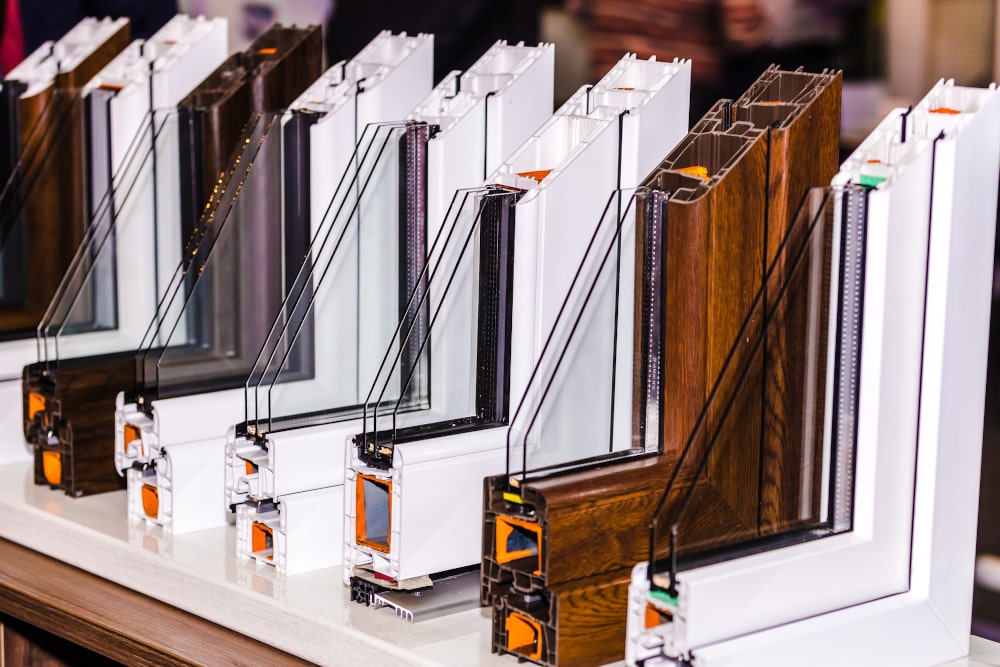
ENERGY STAR® Certification: The baseline. Windows with this label meet or exceed the energy efficiency requirements specific to your climate zone in Canada.
Key Label Indicators
| Term | What It Means |
|---|---|
| ENERGY STAR® | Meets performance standards for specific Canadian zones |
| U-Factor (U-Value) | Measures heat transfer — lower is better |
| Solar Heat Gain Coefficient (SHGC) | Measures solar heat in — lower in hot climates, higher in cold |
| Visible Transmittance | Measures natural light that enters — the higher the number, the brighter |
| Gas Fill | Indicates argon or krypton use between panes |
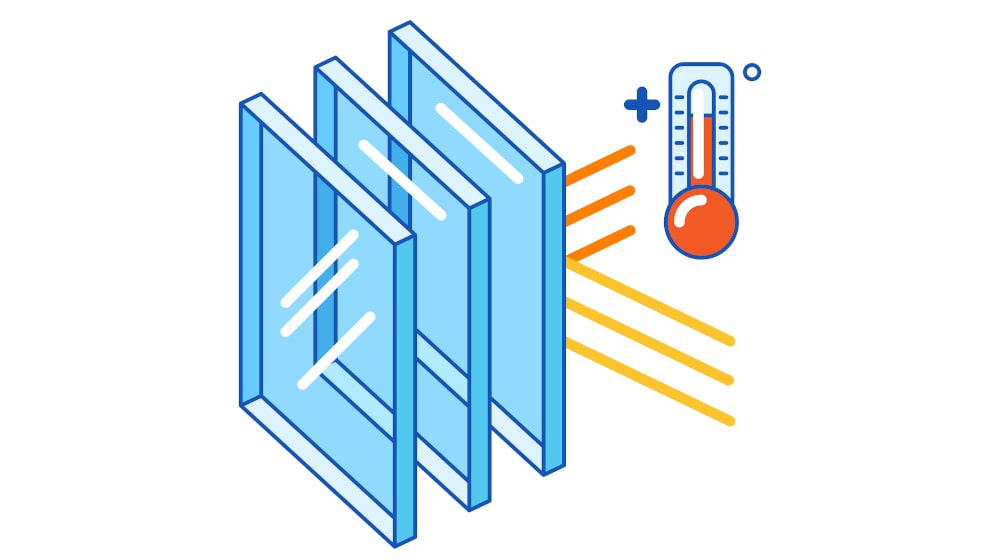
For Canadian winters, look for a U-Factor ≤ 1.4 W/m²·K and a higher SHGC (≥ 0.5) to allow more heat gain in winter.
Which window type is best overall for comfort, value, and climate control?
Choosing the Right Window — By Buyer Type
There’s no one-size-fits-all answer, but there are clear winners depending on your needs.
| Buyer Type | Best Window Option | Why It’s Ideal |
|---|---|---|
| Practical Homeowner | Double-pane with argon, ENERGY STAR® rated | Balance of cost, comfort, and ROI |
| Proud Renovator | Argon-filled with customizable frames + low-e glass | Looks great, performs well, fits Reno goals |
| Eco-Conscious Buyer | Triple-pane with argon or krypton + low U-factor | Max efficiency and sustainability |
| Premium Aspirational | Designer-grade triple-pane + sleek hardware | Aesthetic-forward with excellent thermal control |
| Deal Seeker | ENERGY STAR® argon units with rebates | Best price-performance ratio with rebates and a lifetime warranty |
No matter which category you fall into, the right window should make your home feel warmer, quieter, and more comfortable. If you’re comparing options, our team can walk you through what fits your home, budget, and renovation goals.
Why Argon-Filled Windows Are Worth It
When comparing argon gas windows vs. standard double-pane units, the benefits are easy to see in real Canadian homes. Argon-filled windows provide superior insulation, enhanced comfort, and long-term energy savings — all essential in Canada’s demanding climate. They not only keep your home warmer in winter and cooler in summer but also reduce noise and condensation. For homeowners upgrading or renovating, ENERGY STAR® argon-filled windows are a wise, future-ready investment that pays off in comfort, performance, and lower energy bills.
FAQs
1. Do double-pane windows have argon gas by default?
Most modern double-pane windows include argon gas between the panes, whereas older or lower-cost models may contain only air, which insulates less effectively.
2. Are argon gas windows really more efficient?
Yes. Argon gas reduces heat transfer better than air, improving insulation and lowering heating and cooling costs — especially in cold climates.
3. How long does argon gas last inside windows?
Argon gas typically leaks at a rate of about 1% per year. Even after a decade, most of its insulating properties remain effective if the window seals are intact.
4. Can argon gas windows help reduce condensation?
Absolutely. Because argon gas stabilizes the interior glass temperature, it helps minimize condensation buildup on the window surface during cold weather.
5. Are argon gas windows worth the extra cost?
Yes. Although slightly more expensive upfront, argon-filled windows can save up to $200 annually on energy bills and may qualify for rebate programs.
6. What should I look for when buying argon gas windows?
Look for ENERGY STAR® certification, a U-Factor of ≤ 1.4 W/m²·K, and clear labelling that specifies argon or krypton gas fill to ensure optimal performance.
6. What should I look for when buying argon gas windows?
Look for ENERGY STAR® certification, a U-Factor of ≤ 1.4 W/m²·K, and clear labelling that specifies argon or krypton gas fill to ensure optimal performance. Also check the Energy Rating (ER) if available, which provides a comprehensive measure of the window’s overall energy efficiency in your climate.

1000’s of Colours & Textured Finishes
Transform your home from ordinary to extraordinary with our new coloured and non-glare textured finishes. Available in a wide array of colours as well as custom matched colours for your very own personalized design.
Our Most Popular Replacement Window Colours: