Replacement Window Buying Guide: How to Choose the Right Windows for Your Home

Replacing windows is one of the most important upgrades a homeowner can make. New windows can improve indoor comfort, reduce drafts, increase natural light, and refresh the home's appearance inside and out.
At the same time, window replacement is not a simple purchase. Windows are not standard retail products sitting on a shelf. They are custom-built components designed to fit a specific opening, perform in a specific climate, and work with the house's structure.
This guide explains how replacement windows work, which window styles and materials are commonly used, and what homeowners should evaluate before making a final decision.
Key Takeaways
- Replacement windows should be chosen based on long-term performance, not only on upfront price.
- Understanding basic window anatomy helps homeowners compare products more confidently.
- Window style influences ventilation, cleaning, and overall functionality.
- Vinyl window frames are widely used in Canadian homes because they combine insulation, durability, and low maintenance.
- The glass unit (double-pane or triple-pane) plays a major role in energy efficiency and comfort.
- Professional installation is just as important as the window product itself.
How to Buy Replacement Windows for Your Home
Many homeowners begin their window search by comparing styles or prices online. While this can be helpful for early research, it rarely answers the most important questions.
A successful window replacement project usually considers several factors at the same time:
- the condition of the existing window openings
- the ventilation needs of each room
- the climate and orientation of the house
- the durability and maintenance expectations of the homeowner
- the long-term energy performance of the window system
In Canada, windows must handle large seasonal temperature differences, wind pressure, and moisture exposure. Because of this, the best replacement windows are usually chosen based on how well they perform as a system, with the frame, glass, hardware, and installation working together.

Before comparing styles and materials, it helps to understand how a window is built.
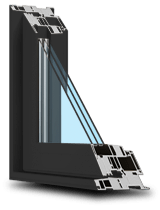
Window Parts Anatomy: Understanding the Structure of a Window
Even though windows can look very different from one another, most share the same structural components. Understanding a few basic terms makes it much easier to evaluate product specifications and installation details.
Frame
The frame is the outer structure of the window that attaches to the wall opening. It supports the glass unit and the window's movable parts.
The frame usually includes:
- the head jamb (top horizontal section)
- the side jambs (vertical supports)
- the sill (bottom section designed to direct water away)
The frame must be rigid and properly sealed to prevent air leakage and moisture infiltration.
Sash
The sash is the portion of the window that holds the glass and moves when the window opens or closes. Some windows have a single sash, while others have two movable sashes.
The quality of the sash design affects how tightly the window seals and how smoothly it operates.
Glass Unit (Glazing)
Modern residential windows use insulated glass units rather than a single pane of glass.
These sealed units typically contain:
- two or three panes of glass
- insulating gas between panes
- spacer systems that separate the glass layers
The glazing system is responsible for much of the window’s thermal performance.
Hardware and Locking Systems
Hardware includes the cranks, hinges, and locking mechanisms that allow the window to operate.
A well-designed locking system helps compress the sash against the frame, improving both security and air sealing.
Grilles or Muntins
Grilles divide the appearance of a window into smaller sections. Today, they are often installed between the panes of glass, allowing homeowners to maintain a traditional appearance without making cleaning more difficult.
Common Replacement Window Styles
Window style influences more than appearance. It affects ventilation, ease of cleaning, structural requirements, and energy performance.
Below are several window styles commonly used in Canadian homes.
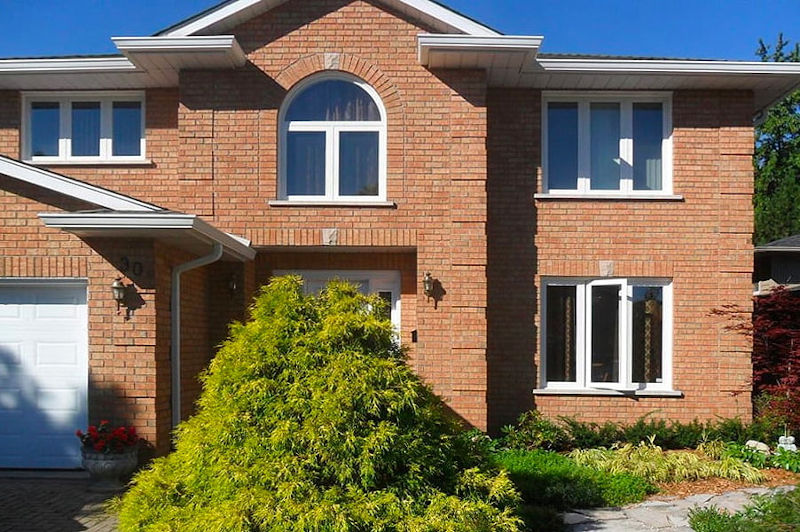
Casement Windows
Casement windows are hinged on one side and open outward using a crank mechanism.
They are widely used in modern homes because:
- They provide excellent ventilation
- They seal tightly when closed
- They are relatively easy to operate
Because the sash presses firmly against the frame when locked, casement windows often deliver strong energy performance.
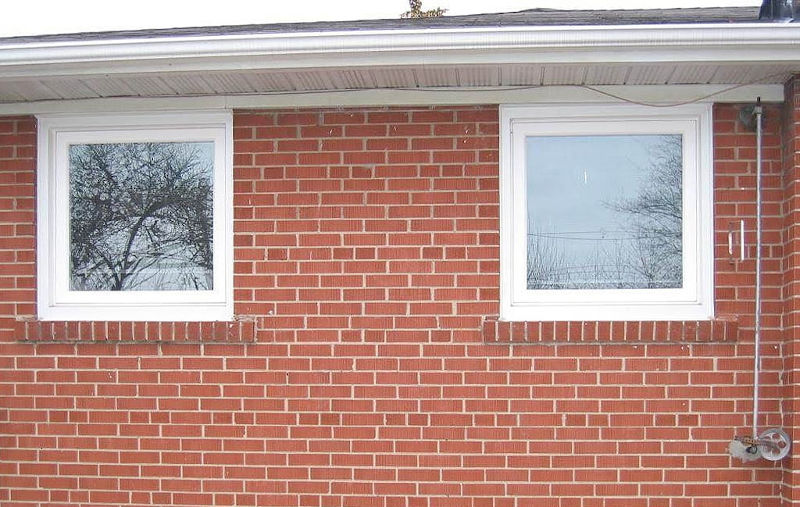
Awning Windows
Awning windows hinge at the top and open outward from the bottom.
They are frequently installed in:
- basements
- bathrooms
- upper sections of window combinations
Their design allows them to remain partially open even during light rain while still providing ventilation.
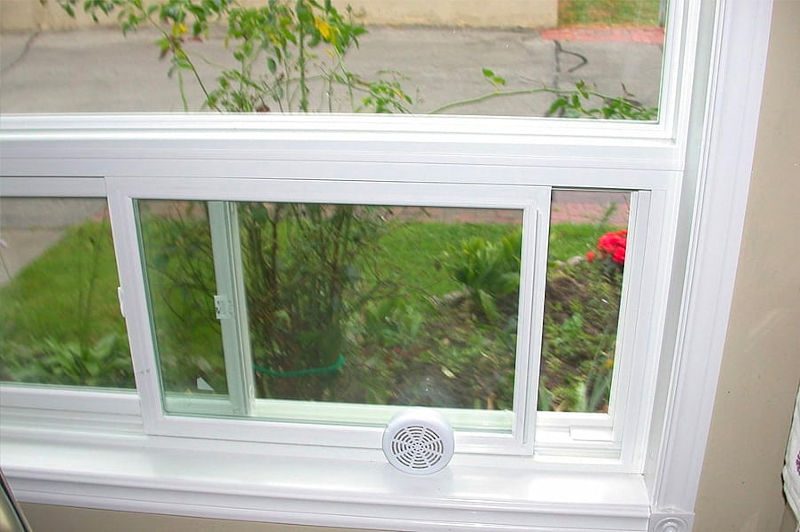
Sliding Windows
Sliding windows open horizontally along a track.
They are often chosen for:
- bedrooms
- wide wall openings
- areas where outward-opening windows are not practical
Their low-profile design and simple operation make them a practical option for many homes.
Double-Hung Windows
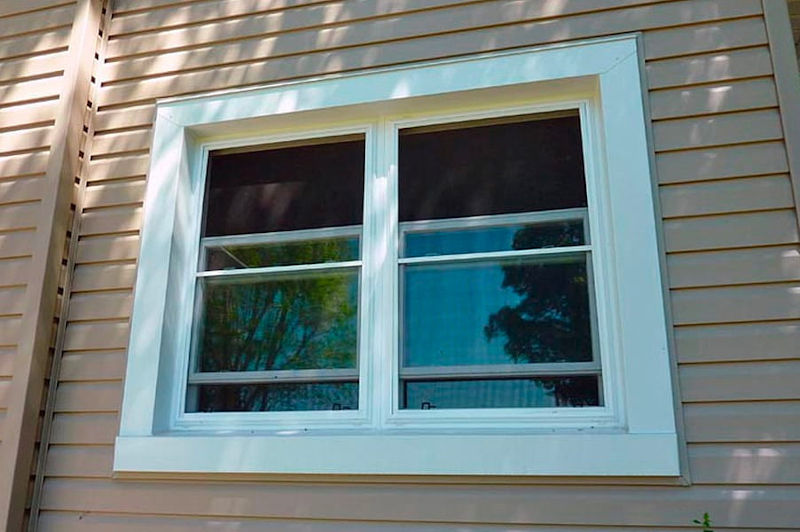
Double-hung windows feature two movable sashes.
Both the upper and lower sections can open, allowing homeowners to control airflow more precisely.
This style is common in traditional architecture and older neighbourhoods.
Bay Windows
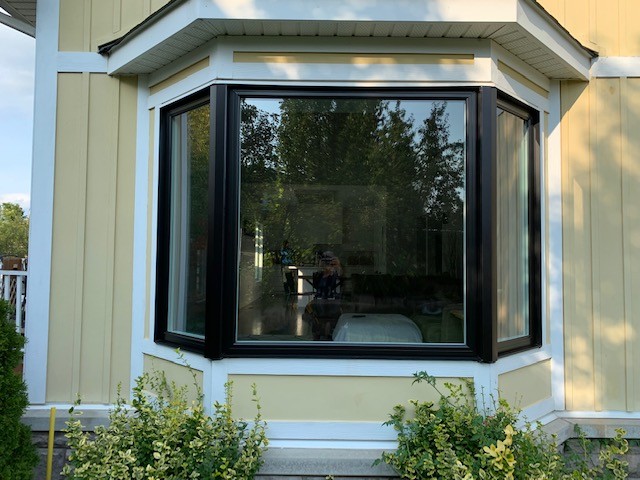
Bay windows project outward from the wall and typically consist of three window panels arranged at angles.
They are often used to:
- increase natural light
- create panoramic views
- add architectural depth to the exterior of the home
Bow Windows
Bow windows are similar to bay windows but form a curved structure made of multiple panels.
They can create a wide viewing area and add visual interest to living spaces.
Custom-Shaped Windows
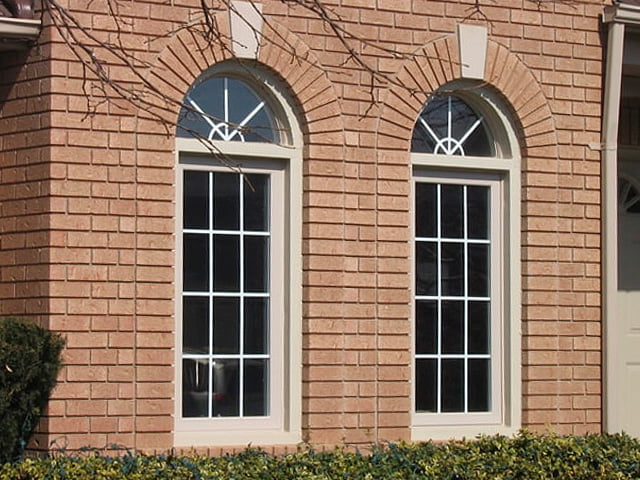
Custom windows can be manufactured in shapes such as arches, circles, or triangles.
These windows are often used as architectural features rather than primary ventilation points.
Window Frame Materials
Window frame material affects durability, insulation, maintenance, and price.
Each material offers different advantages.
Vinyl Windows
Vinyl frames are one of the most widely used options in Canada.
They are popular because they offer:
- strong insulation performance
- resistance to moisture and rot
- low maintenance requirements
- consistent long-term durability
Vinyl windows do not require painting and typically perform well in varying weather conditions.
Wood Windows
Wood frames provide a traditional appearance and can be stained or painted to match interior finishes.
However, wood requires regular maintenance and may be vulnerable to moisture if not properly maintained.
Aluminum Windows
Aluminum frames are lightweight and often used in contemporary designs.
However, aluminum conducts heat more readily than other materials and may not provide the same level of insulation as vinyl frames in residential applications.
Glass Options and Energy Efficiency
Glass technology plays a major role in window performance.
Modern windows typically use insulated glass units designed to reduce heat transfer.
Double-Pane Windows
Double-pane windows use two layers of glass separated by an insulating space.
They provide solid thermal performance and are commonly used in many Canadian homes.
Triple-Pane Windows
Triple-pane windows add an additional layer of glass, which improves insulation and reduces heat transfer.
They are often selected when homeowners prioritize maximum energy efficiency or additional noise reduction.
Low-E Coatings
Low-emissivity coatings reflect heat energy while allowing visible light to pass through.
This helps regulate indoor temperatures and reduce energy loss.
Gas Fills
Argon or krypton gas is often used between panes to improve insulation performance compared with air.
What to Consider Before Buying Replacement Windows
When evaluating replacement windows, homeowners should consider several practical factors.
Climate and Energy Efficiency
Windows must perform well in the local climate. In Canada, insulation performance and proper sealing are essential for maintaining indoor comfort.
Durability
The frame material and hardware should withstand long-term exposure to temperature changes, wind, and moisture.
Ventilation Needs
Different rooms require different ventilation solutions.
For example:
- kitchens and bathrooms benefit from easily operable windows
- living rooms may prioritize natural light and larger glass areas
Maintenance Expectations
Some materials require regular painting or sealing, while others require very little upkeep.
Many homeowners prefer materials that maintain their appearance with minimal maintenance.
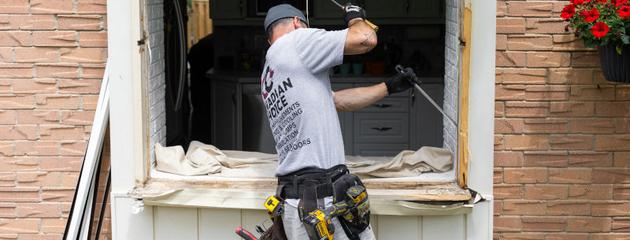
Installation Quality
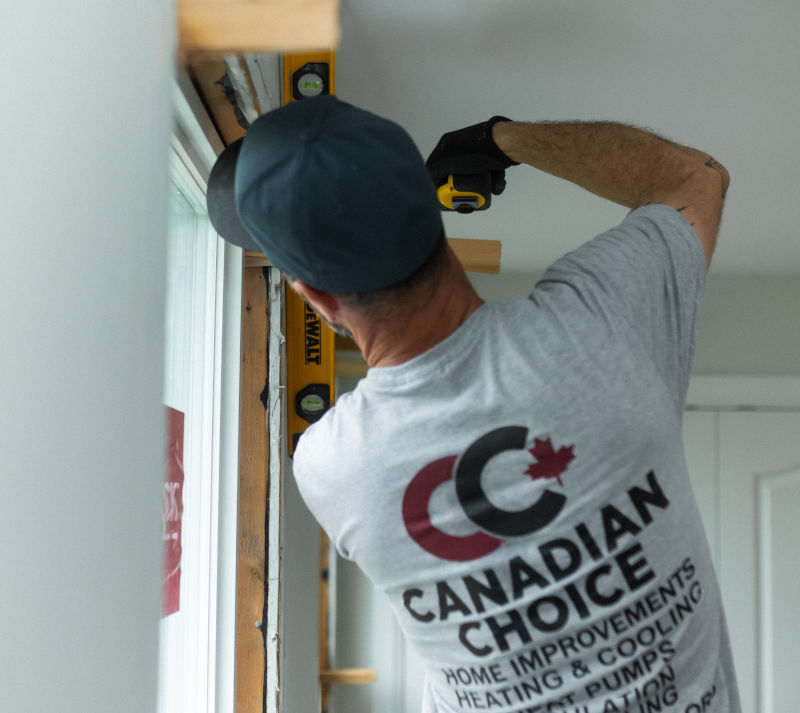
Even a well-manufactured window can perform poorly if it is not installed correctly.
Proper installation should include:
- accurate measurement of the opening
- insulation and air sealing
- moisture protection
- correct alignment of the window system
Tony Wong, Project Manager at Canadian Choice Windows & Doors , often explains it this way:
“Homeowners often focus on the window itself, but the installation is equally important. Proper sealing and alignment determine how well the window performs over time.”
Why Professional Installation Matters
Window replacement projects often reveal conditions that are not visible before installation begins.
For example:
- hidden moisture damage
- insulation gaps
- structural movement around the opening
Professional installers evaluate these factors and adjust the installation method if necessary.
This helps ensure the new window system performs properly for many years.

FAQs
How do I know when it is time to replace my windows?
Common signs include drafts, condensation between glass panes, difficulty opening or closing windows, and visible damage to the frame.
Are vinyl windows a good option for Canadian homes?
Yes. Vinyl windows are widely used because they offer strong insulation performance, durability, and minimal maintenance.
Should I choose double-pane or triple-pane windows?
Double-pane windows work well in many situations, while triple-pane windows provide additional insulation and noise reduction.
Do window styles affect energy efficiency?
Yes. Certain styles, such as casement windows, often create tighter seals when closed and can improve insulation performance.
Are custom windows more expensive?
Custom windows are manufactured specifically for an opening, which can increase production complexity and cost.
What is the safest first step when planning window replacement?
A professional consultation helps evaluate the existing openings and determine the best window solution for the home.
Making a Smart Window Replacement Decision
Choosing replacement windows becomes easier when homeowners focus on performance, durability, and proper installation rather than marketing claims or short-term pricing.
Every home is different. The best window solution depends on the structure of the house, the local climate, and the homeowner’s priorities for comfort and maintenance.
Canadian Choice Windows & Doors works with homeowners to evaluate these factors and recommend window systems that balance design, performance, and long-term value.
When the project is planned carefully, replacement windows can improve comfort, efficiency, and the overall appearance of the home for many years.

1000’s of Colours & Textured Finishes
Transform your home from ordinary to extraordinary with our new coloured and non-glare textured finishes. Available in a wide array of colours as well as custom matched colours for your very own personalized design.
Our Most Popular Replacement Window Colours: